Tensorium
Tensorium
Tensorium
High-density computing servers, AI accelerators, and high-performance components sourced directly from Guangdong's leading hardware clusters.
Unlocking deep optimization profiles for next-generation computing topologies and AI-integrated datacenters.
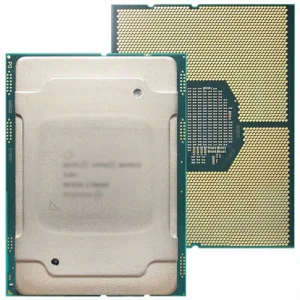
Modern hybrid clouds have shifted from traditional generic CPU processing to highly specialized heterogeneous computing arrays. By pairing high-performance Intel Xeon Gold or Platinum processors with PCIe Gen5 GPU clusters, enterprises achieve the raw mathematical throughput necessary for localized Deep Learning (DL) and Large Language Model (LLM) training pipelines.
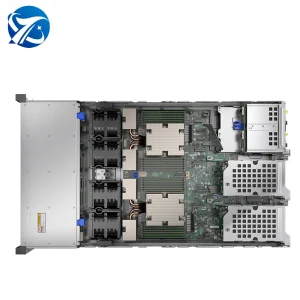
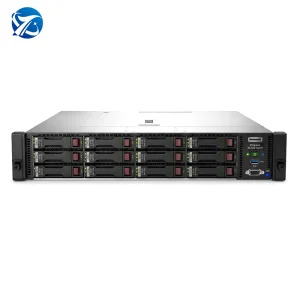
As server chassis house increasing thermal design power (TDP) due to multi-socket GPUs and high-frequency processors, conventional air-cooling reaches its limits. Direct-to-chip liquid cooling systems, like those pioneered in HPE DL360 Gen12 platforms, drastically lower Power Usage Effectiveness (PUE) metrics in enterprise datacenters.
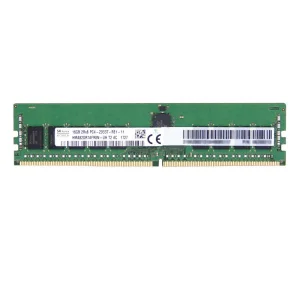
To reduce latency and protect data sovereignty, global architectures employ a mix of on-premises bare metal servers and cloud storage. Standardized DDR4/DDR5 high-capacity memory configurations, high-density NAS units, and sub-millisecond networking infrastructure are the cornerstone of this real-time data replication strategy.
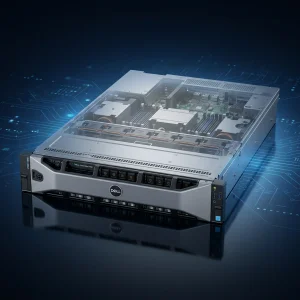
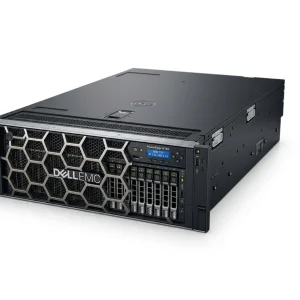
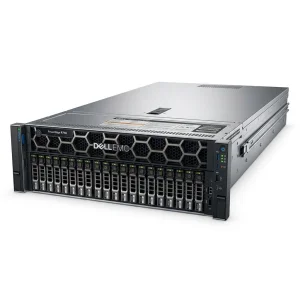
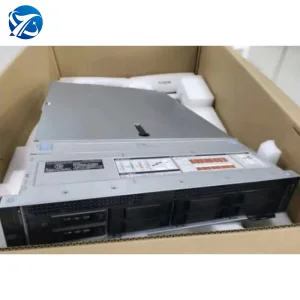
The rapid democratization of local open-weights AI models requires robust enterprise hardware that sits within a company's secure network parameters. Hybrid cloud servers, built on architectures like Dell's PowerEdge R750/R760 series, provide the memory bandwidth and high-throughput bus architectures required for running low-latency model inference without relying on external APIs.
What enterprise buyers, datacenter procurement managers, and system integrators look for in cloud hardware supply channels.
Modern global enterprise buyers operate in a strict environment where hardware downtime results in severe financial penalties. Hardware customization must extend deep into component-level compatibility, BIOS optimizations, and thermal envelope adjustments.
Whether deploying dedicated GPU racks for robotic automation or configuring heavy-duty storage arrays for mission-critical ERP nodes, procurement specialists demand clear documentation of stress testing, including 72-hour burn-in simulations, and structural verification across virtualized operating systems (like VMware vSphere, Proxmox, and Windows Server 2025).
| Procurement Focus | Key Requirement | Typical Solution Profile |
|---|---|---|
| AI & Deep Learning | Ultra-high memory bus & GPU density | Dell R750 / R760, custom 4U GPU racks |
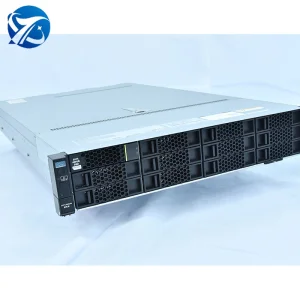
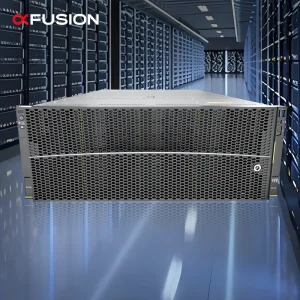
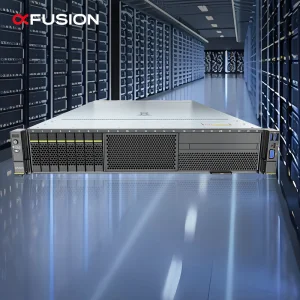
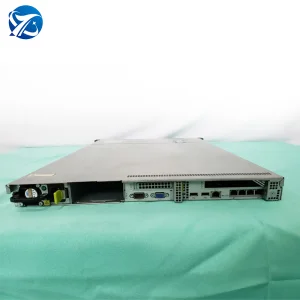
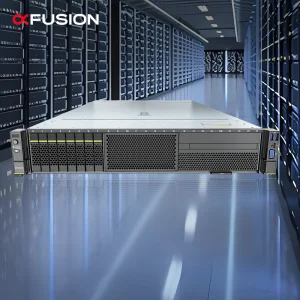
| ERP & Big Data | Compute redundancy & 4-Socket CPU setups | xFusion FusionServer 2488H V5 / 5288 V6 |
| Web & Cloud Hosting | High thread counts, low TCO hosting | Refurbished Dell R740, Intel Xeon Silver/Gold |
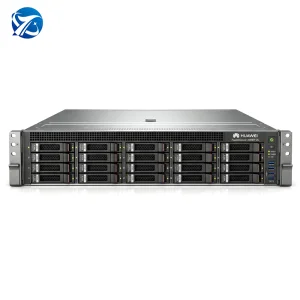
| Datacenter Footprint | 1U/2U High-density compute configuration | HPE DL360 Gen12, liquid-cooled chassis |
Leveraging Guangdong's industrial synergy to deliver unmatched computing economies of scale.
The manufacturing cluster located in Guangdong, China, serves as the heart of global hardware engineering. Through advanced automated robotic assembly, precise CNC fabrication of custom rack enclosures, and direct access to chip components, manufacturers achieve a level of agility that traditional supply hubs cannot match.
This localized synergy allows for rapid OEM and ODM product design iterations. If an enterprise requires a customized motherboard layout to house specialized AI cards or needs to design a high-efficiency cooper lake processor heat sink configuration, the design-to-prototype cycle is compressed from months to days. This level of responsiveness is the backbone of supply chain resilience in an increasingly volatile global landscape.
Tensorium Intelligent Technology Co., Ltd.
Founded in 2016, Tensorium Intelligent Technology Co., Ltd. is a professional manufacturer and global supplier of high-performance AI GPU servers, GPU clusters, and intelligent computing infrastructure solutions. We specialize in delivering reliable, scalable, and customized computing platforms for artificial intelligence training, inference, deep learning, HPC, and enterprise data center applications.
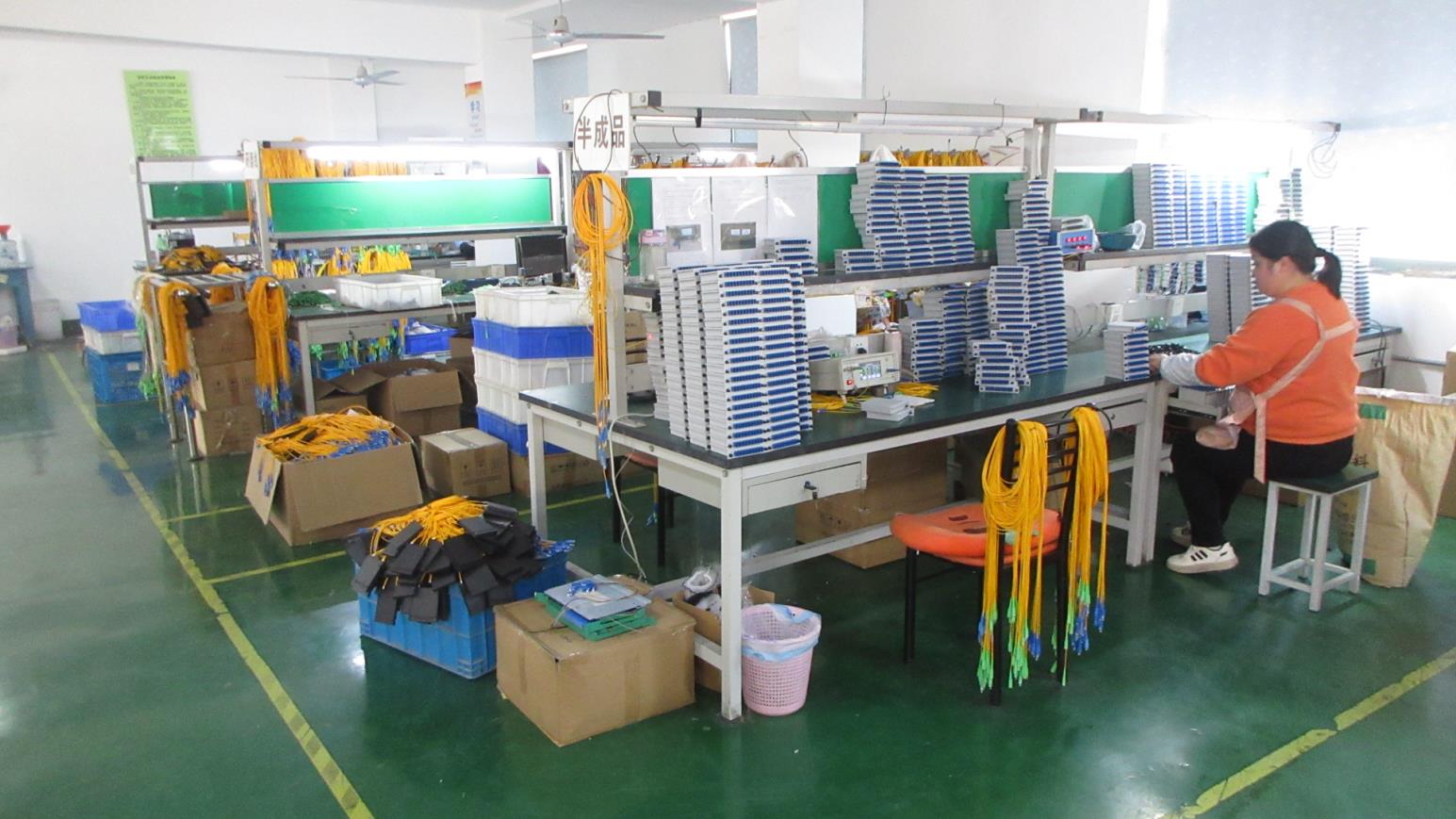
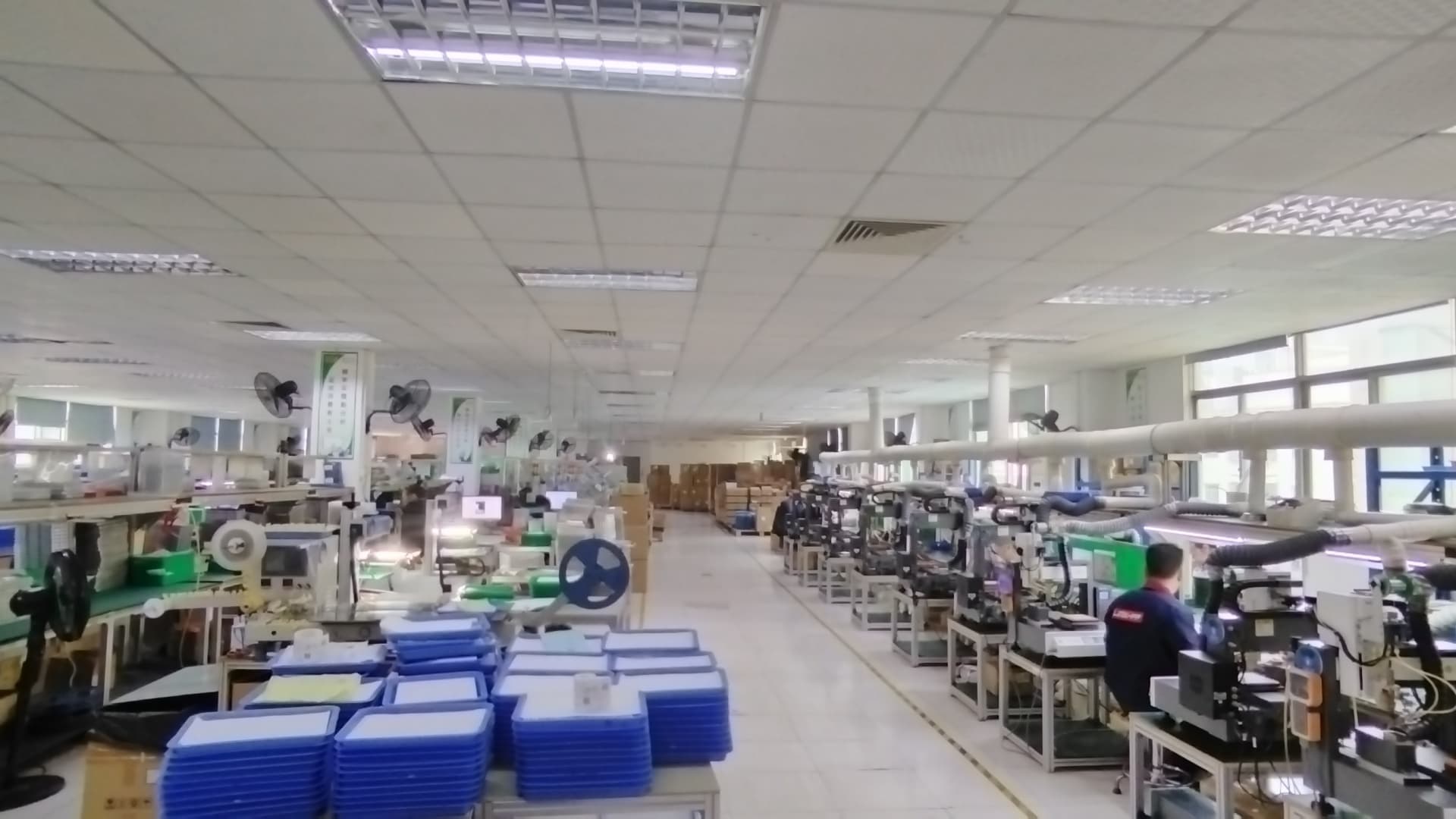
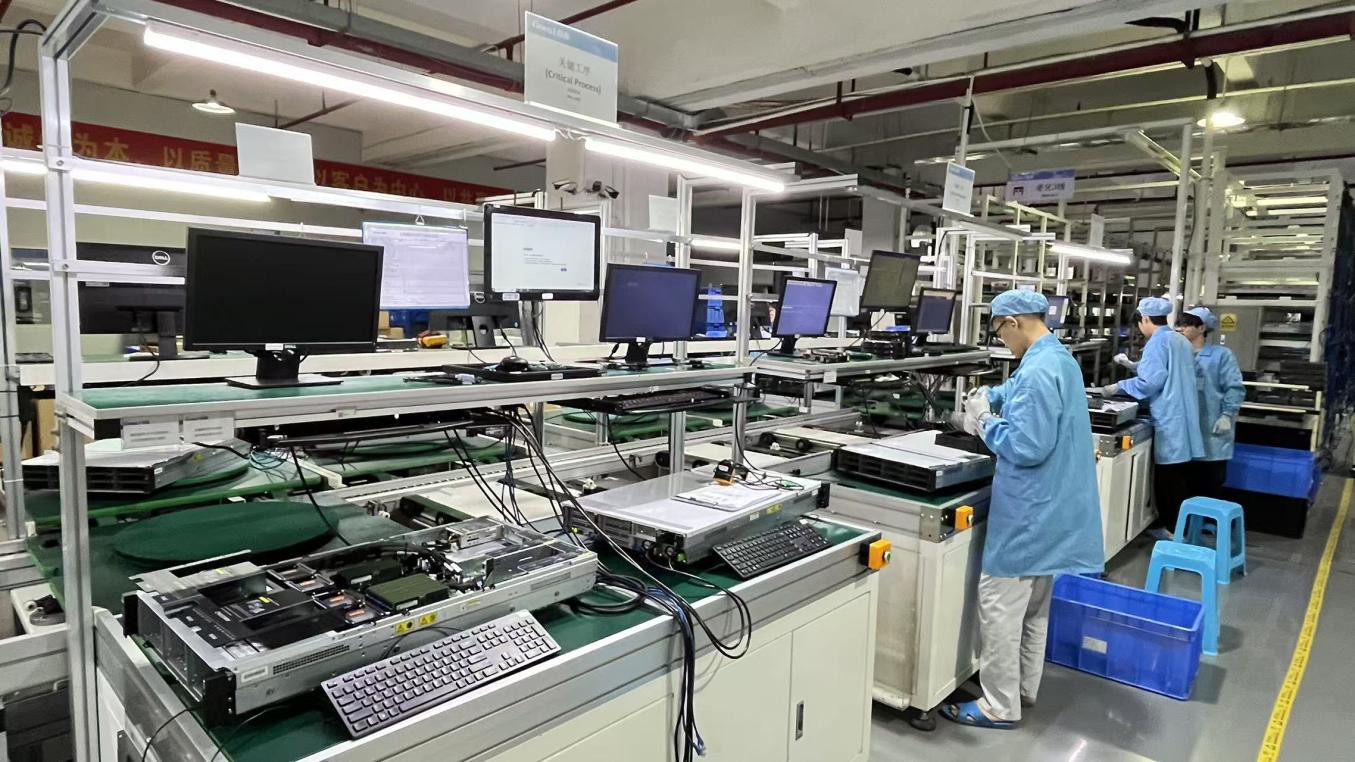
Located in Guangdong, China, Tensorium operates a modern manufacturing facility covering over 380㎡ and serves customers across North America, Europe, the Middle East, Southeast Asia, and other global markets. With years of experience in the AI computing industry, we have established a strong reputation for product quality, engineering expertise, and responsive customer service.
Our annual export revenue exceeds USD 18 million, supported by an extensive supply chain network of more than 1,200 trusted partners worldwide. We work closely with AI startups, cloud service providers, system integrators, research institutions, enterprise customers, and data center operators seeking high-performance computing solutions.
Innovation is at the core of our business. Our R&D team consists of over 120 experienced engineers dedicated to developing advanced GPU server architectures, AI cluster solutions, and customized computing systems. Last year alone, we successfully launched more than 80 new products and configurations tailored to emerging AI workloads and evolving customer requirements.
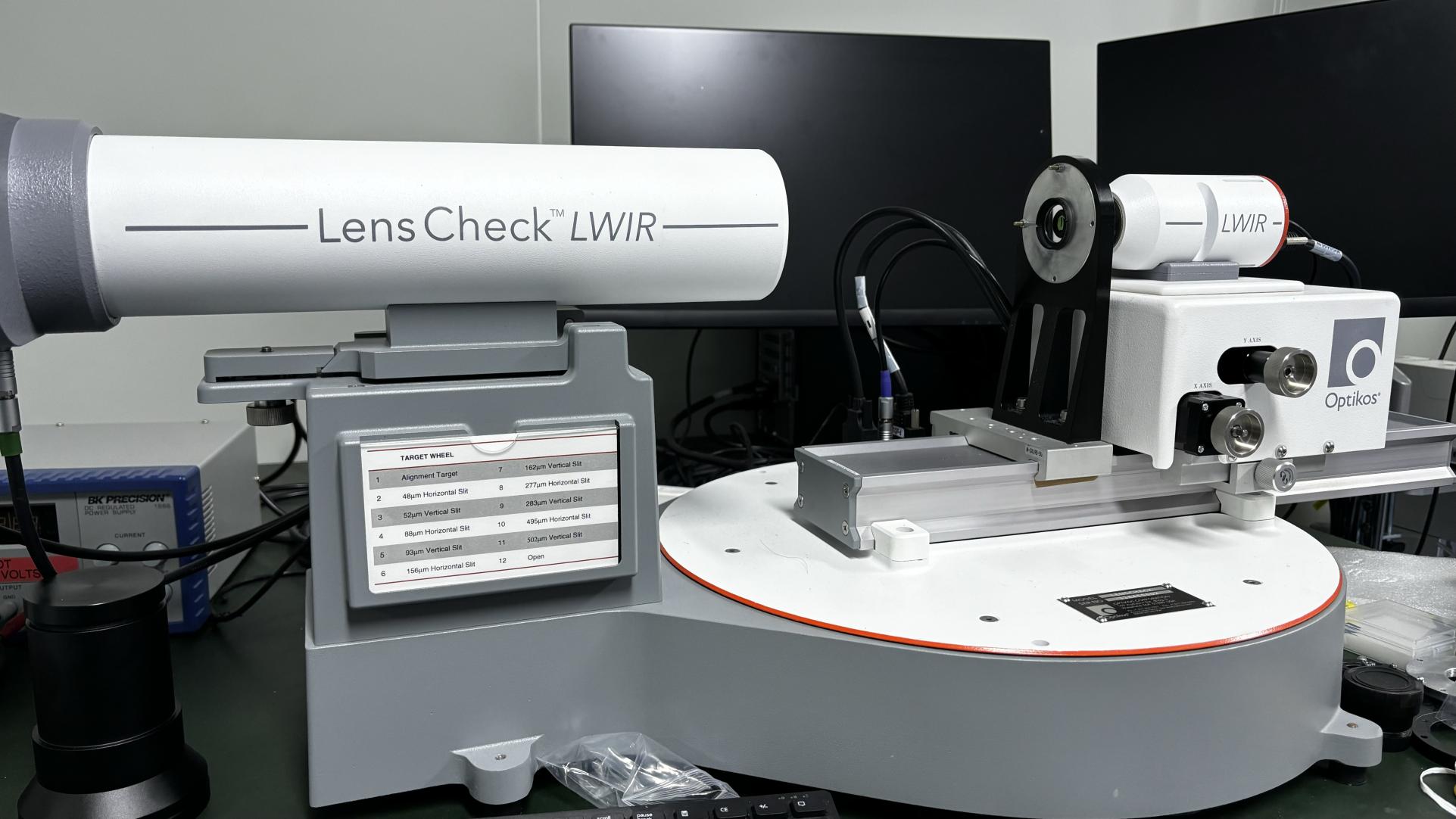
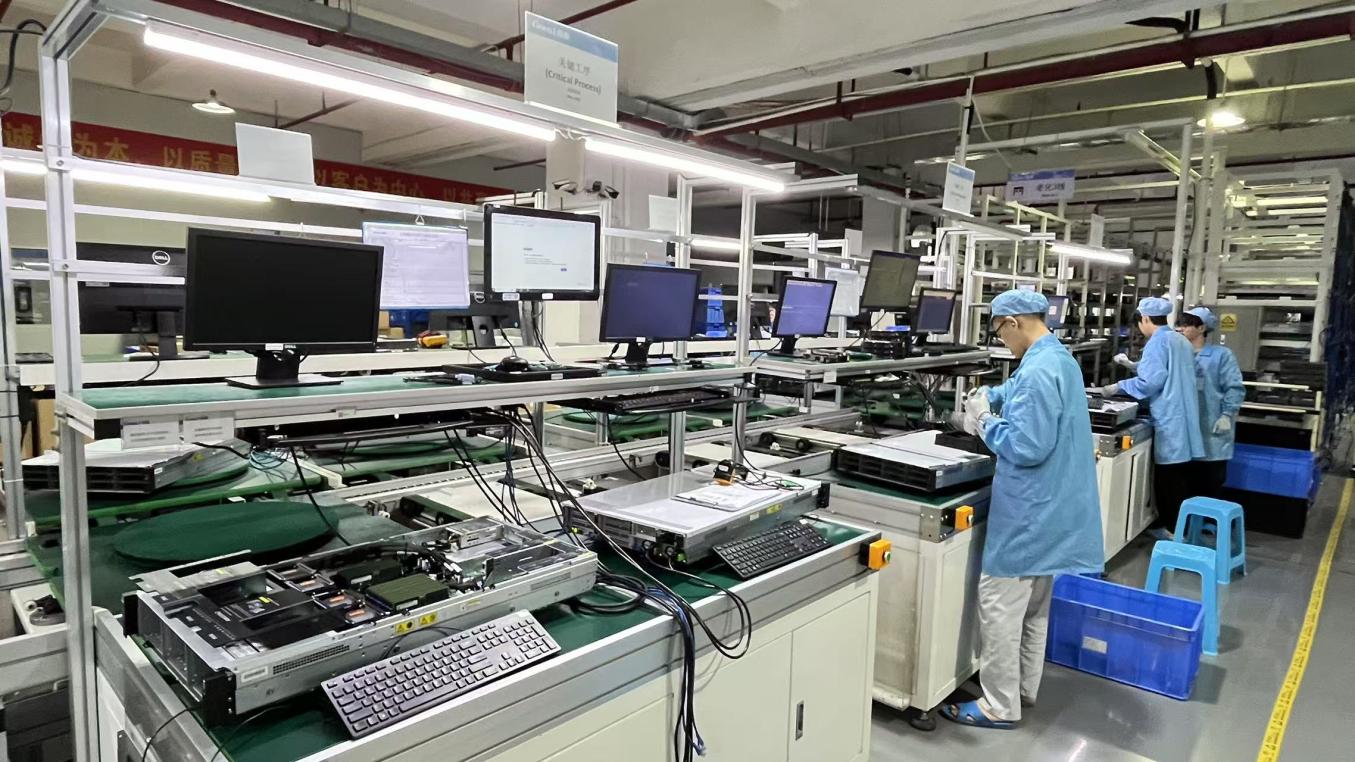
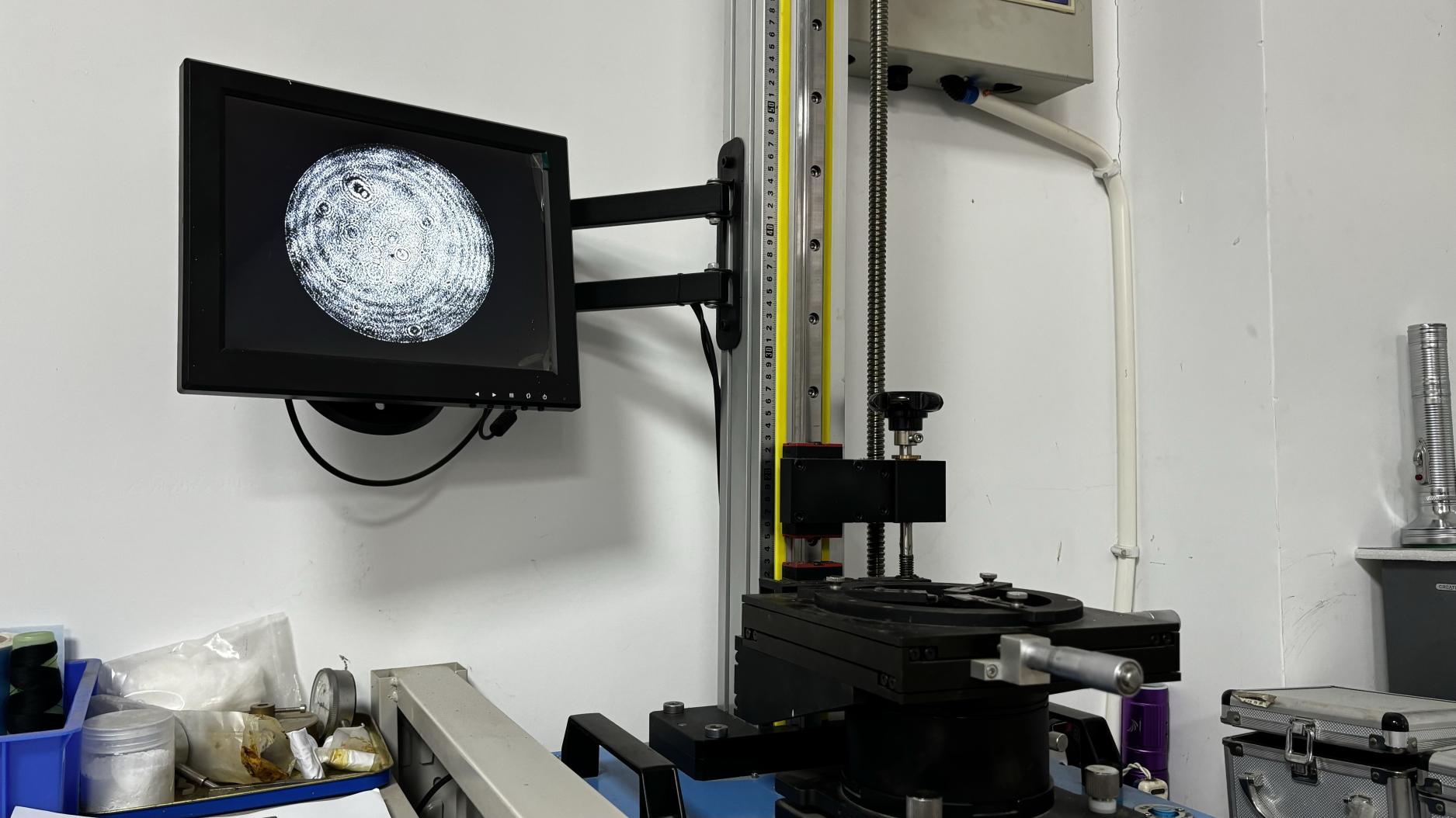
Quality is embedded throughout our manufacturing process. Tensorium maintains strict quality control standards with a dedicated team of 45 quality inspectors. Every product undergoes comprehensive inspections, including component verification, assembly inspection, system integration testing, burn-in testing, thermal performance validation, stability testing, and final quality assurance before shipment.
With strong OEM and ODM capabilities, we provide flexible customization options including GPU configuration, CPU platform selection, storage architecture, networking solutions, rack integration, branding services, and complete AI infrastructure deployment support. Our engineering team works closely with customers to deliver solutions optimized for their specific workloads and business objectives.
| Established | 2016 |
| Facility Area | 380㎡ Modern Production Base |
| Industry Experience | 14 Years of Technical Expertise |
| R&D Team Size | 120+ Dedicated Hardware Engineers |
| Quality Control Staff | 45 Inspectors |
| Export Footprint | 8 Years of Worldwide Logistics |
| Core Markets | North America, Europe, Middle East, Southeast Asia |
| Testing Protocol | Burn-in, Benchmarking, Thermal, Functional, Final QC |
| Customization Level | Full OEM/ODM Hardware configuration & branding |
Bridging raw physical silicon with real-world, high-value commercial outcomes.
Global logistics and resource planning engines demand extreme CPU multi-threading capability. High-performance multi-socket systems, such as the 2488H V5, run critical database engines (SAP HANA, Oracle DB) with near-zero page-fault latency, reducing daily operational reporting times from hours to minutes.
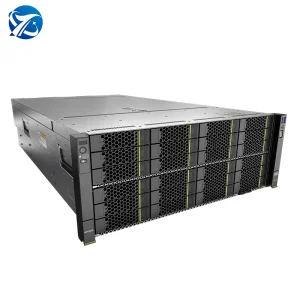
Smart factories rely on real-time visual recognition. Implementing high-density 1U to 4U GPU rack servers adjacent to assembly lines lets companies parse camera streams on-site. This immediate processing loop powers instant defect identification without requiring a round-trip to remote public cloud instances.
Regional service providers require energy-efficient workhorses. Refurbished Dell R740 and xFusion 2288H models allow hosting companies to offer private cloud instances with competitive pricing structures. Standardizing on cost-effective Intel Xeon Gold configurations yields an optimized capital expenditure structure.
Answering the most critical engineering, compliance, and customization inquiries from procurement specialists.
Discover additional high-density servers, liquid-cooled clusters, and network equipment in our portfolio.