Tensorium
Tensorium
Tensorium
Explore our pre-configured, high-reliability rack servers designed specifically to meet the power, thermal, and density constraints of modern colocation data centers.
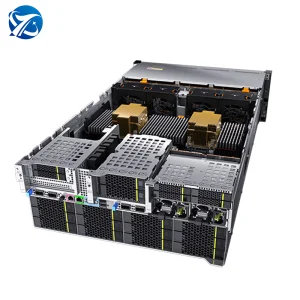
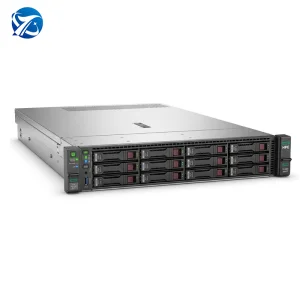
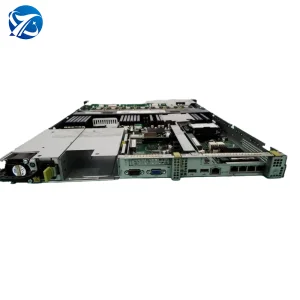
Analyzing the intersection of enterprise server architecture, high-density AI infrastructure, and multi-tenant datacenter co-location.
In the era of hyper-scale artificial intelligence and massive data workloads, the demand for enterprise-grade colocation services has transitioned from simple physical space leasing to a complex game of thermal optimization, power provisioning, and infrastructure orchestration. Organizations worldwide are shifting away from localized, high-maintenance on-premise data centers. Instead, they are positioning their mission-critical computing architectures in tier-certified colocation environments. This global shift demands servers built not just for computation, but explicitly optimized for multi-tenant, rack-dense colocation layouts.
As a leading hardware manufacturing partner, Tensorium Intelligent Technology Co., Ltd. addresses this evolution. We design and deliver rackmount server platforms that adhere strictly to global colocation standards—allowing seamless integration with carrier-neutral facilities, optimizing Power Usage Effectiveness (PUE), and supporting high-density GPU nodes for deep learning. Standardized dimensions, modular cabling systems, and remote Out-of-Band (OOB) IPMI/Redfish control systems are integrated directly into our compute systems, reducing hands-on site requirements and maximizing operational uptime.
SEO Insight: Multi-tenant datacenters operate on strict power metrics (typically 10kW to 40kW per rack). High-performance hardware must maintain balanced power distribution units (PDUs) and efficient thermal profiles to prevent localized hotspots and subsequent SLA penalties in leased server space.
Custom 1U, 2U, and 4U systems maximized for high compute-per-U ratios, complying with standard data center rack footprints globally.
Designed for low-latency network interconnects and optimal power-conversion efficiency, significantly lowering secondary PUE costs.
Equipped with TPM 2.0, secure boot hardware, and secure remote out-of-band management protocols for total off-site security control.
Our strategic positioning in Guangdong, China—the global epicenter of IT hardware and semiconductor assembly supply chains—grants Tensorium unparalleled production agility. Within this dense ecosystem, we source components, prototype custom server configurations, perform advanced PCB routing, and manufacture enclosures at a fraction of the time required by Western OEMs.
This localized supply chain cluster allows us to maintain direct relationships with foundational chip suppliers, memory die manufacturers, and power supply unit (PSU) developers. As a result, we can rapidly customize hardware platforms to meet the evolving needs of AI system architectures. Our facility operates under rigorous international quality frameworks, ensuring that every piece of computing hardware destined for a remote colocation rack meets strict requirements for endurance and reliability.
| Operational Capability | Tensorium Guangdong Facility Metrics | Enterprise Procurement Advantage |
|---|---|---|
| Custom Configurations | 80+ New hardware configs launched annually | Bespoke setups matching specific data center layouts |
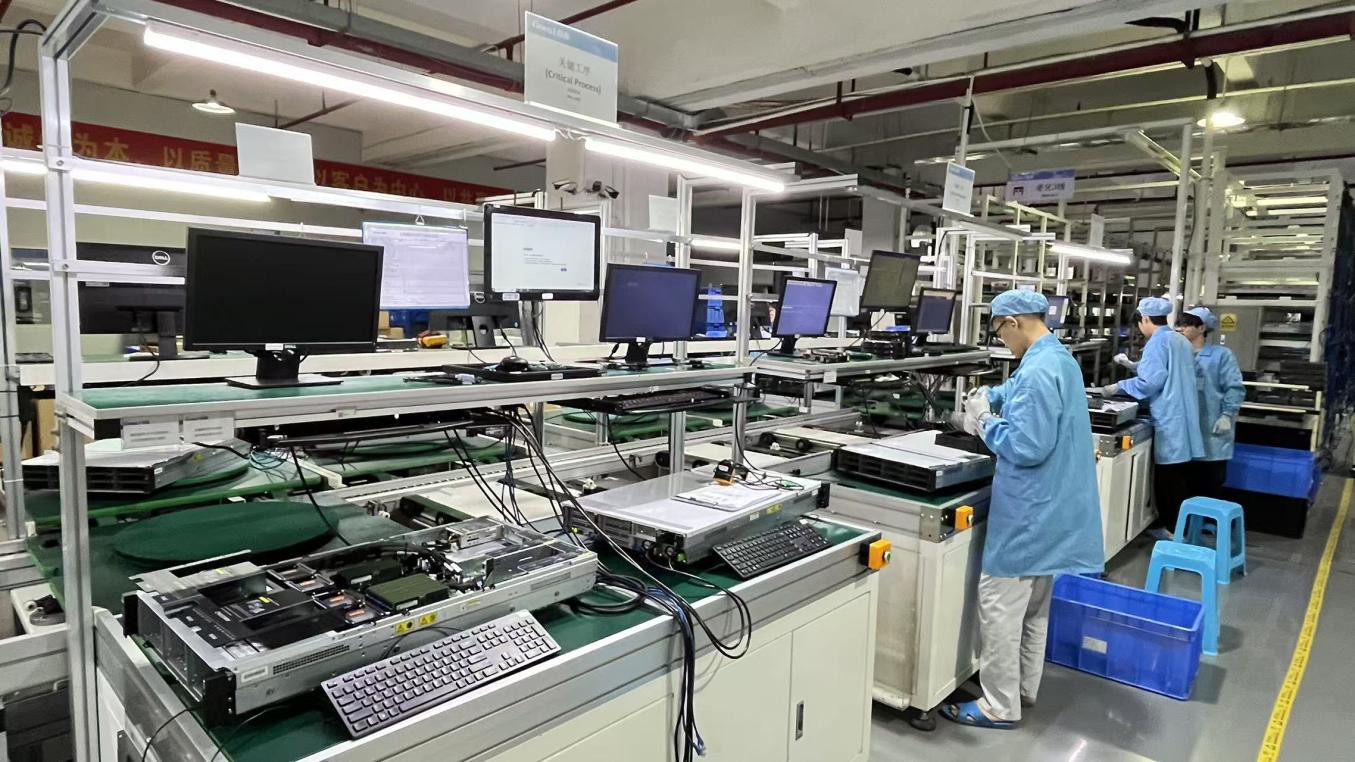
| Testing Pipeline | 45 Dedicated quality assurance inspectors | Pre-validated stability under prolonged compute stress |
| Engineering Expertise | 120+ Active research & design engineers | Advanced chassis thermal mapping & power optimization |
| Global Supply Network | 1,200+ Verified component partners | Protected component sourcing to bypass supply shortages |
A statistical look at Tensorium's industrial footprint, showing why major enterprise datacenters rely on our hardware supply chain.
Tensorium Intelligent Technology Co., Ltd. is a specialized manufacturer and global supplier of high-performance AI GPU servers, GPU clusters, and intelligent computing infrastructure. With 14 years of deep roots in the industry and 8 years of dedicated global export experience, we design enterprise systems deployed in world-class facilities across North America, Europe, the Middle East, and Southeast Asia.
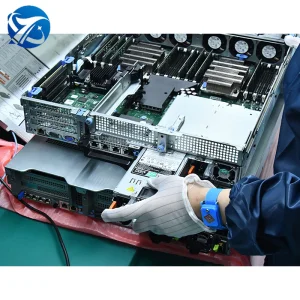
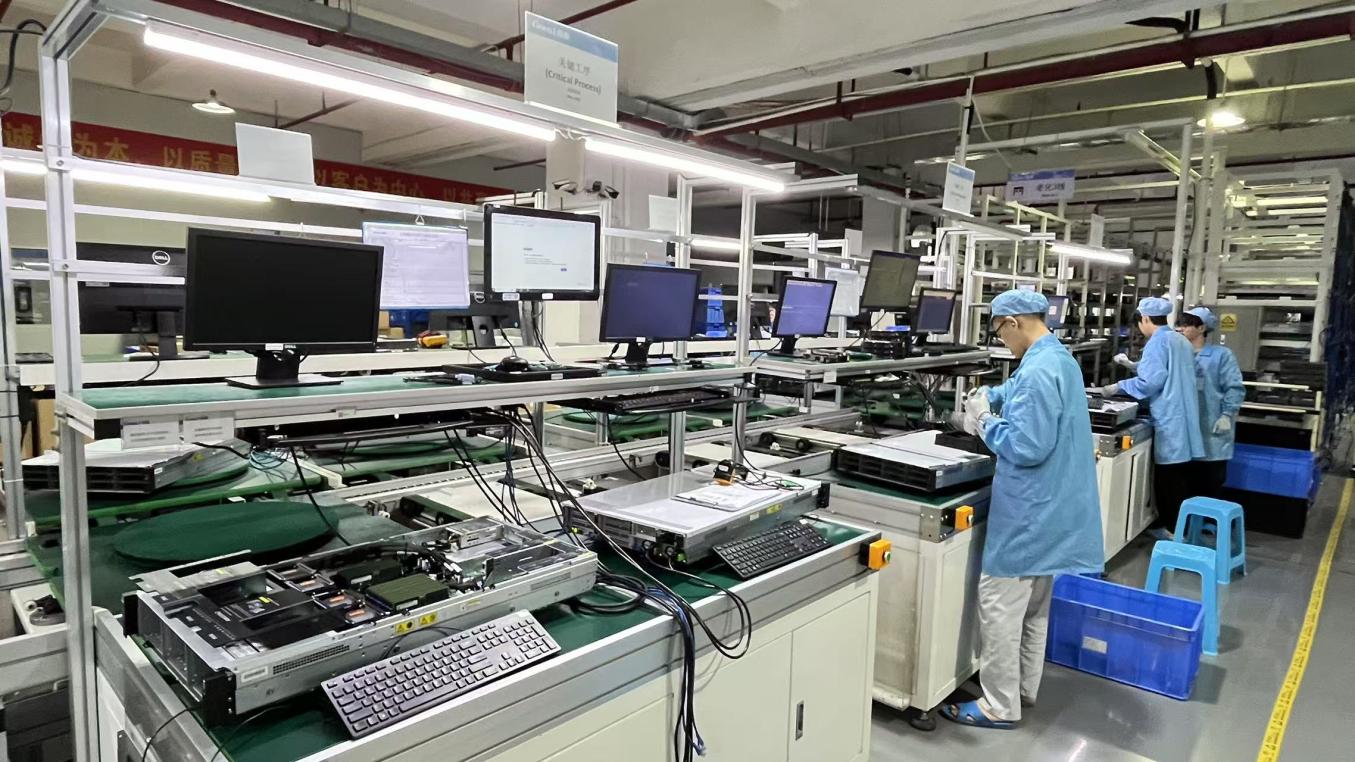
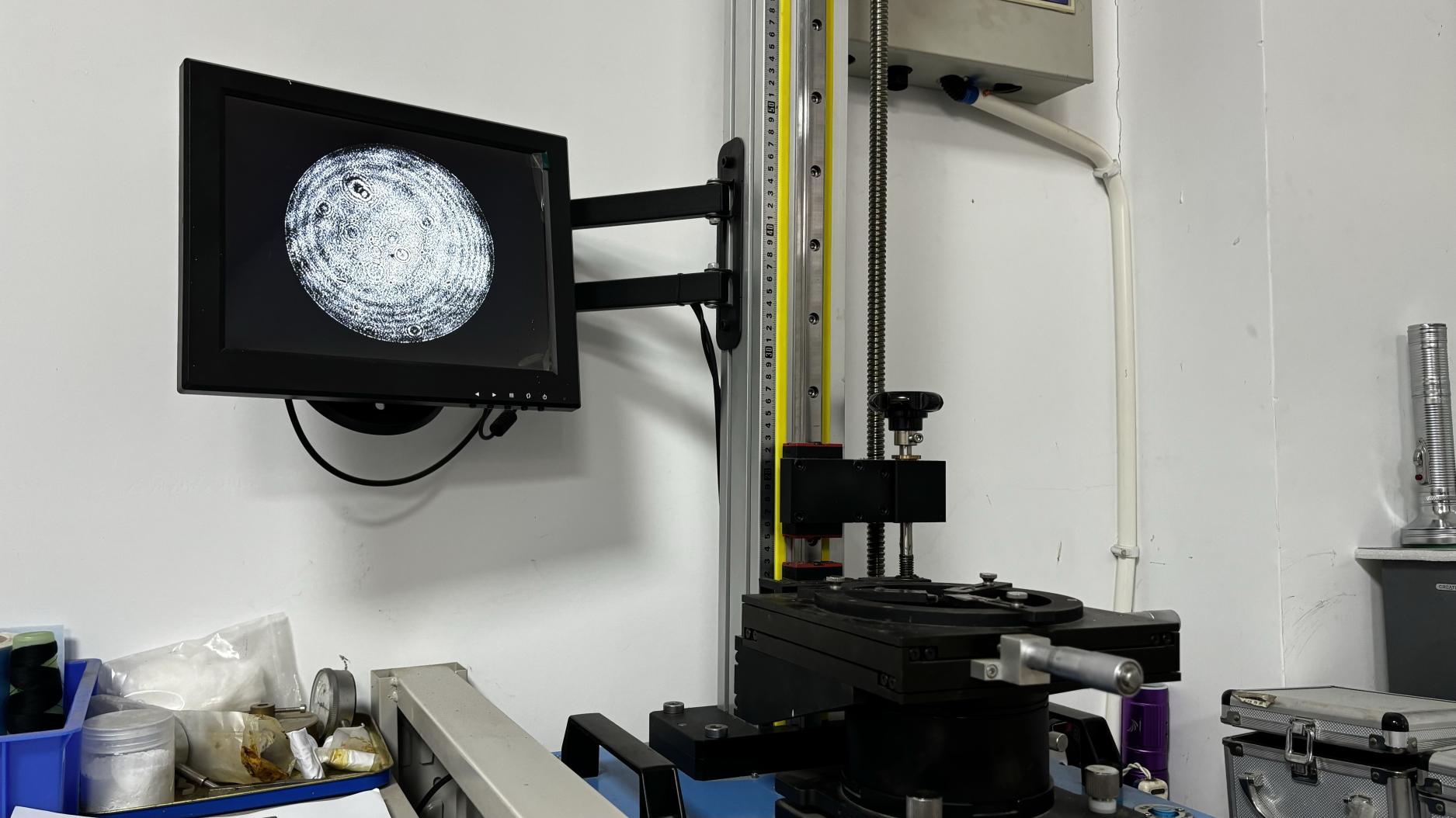
Operating a modernized, highly efficient manufacturing facility, our manufacturing processes are audited under strict quality controls. Our 45 quality control specialists perform strict validation testing before a server ever ships to a customer’s colocation space. These methods include dynamic system burn-in testing, thermal performance validation under load, high-throughput network card capability tests, and functional subsystem checks.
Deploying server hardware in colocation spaces requires specialized hardware configurations depending on the operational profile of the end-user. Below, we examine the primary scenarios where our systems are optimized for deployment:
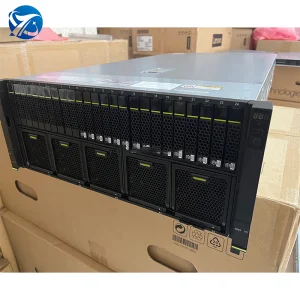
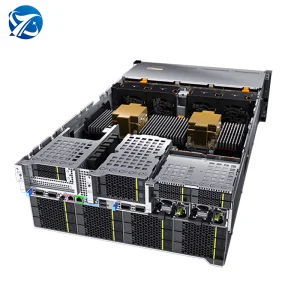
High-density GPU rack configurations, like our FusionServer 5288 V6 AI platforms, are built to support massive parameters. In a colocation setup, these units require dedicated PCIe Gen 5.0 channels and redundant 3000W high-efficiency power supplies. This design prevents voltage drops and maintains continuous high-performance compute cycles for AI clusters.
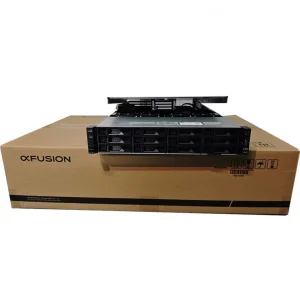
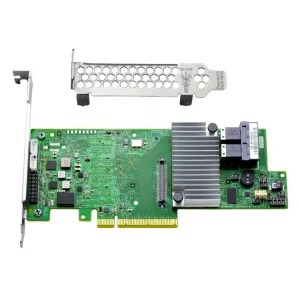
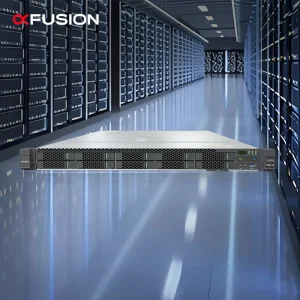
Financial service institutions rent space in colocation datacenters adjacent to primary exchanges to reduce fiber latencies. For these deployments, 1U servers, such as the xFusion 1288H V6 / V7 series, are populated with low-latency network cards, ultra-fast local NVMe arrays, and hardware array controllers (such as the 9560-16i-PCIe RAID Card) to protect critical transaction records from dataloss during power anomalies.
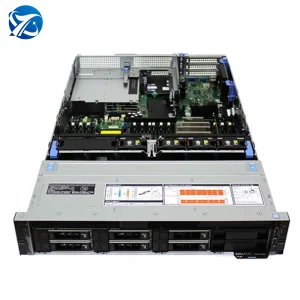
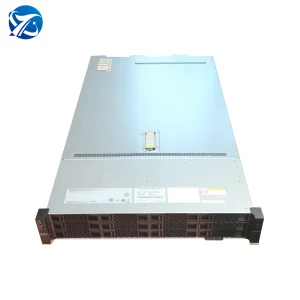
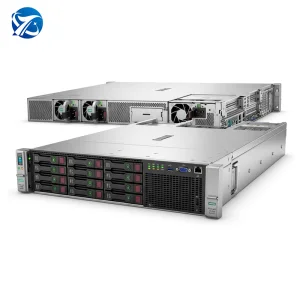
Cloud service providers (CSPs) renting colocation floor space rely on the highest possible compute density per dollar. Incorporating standard platforms, like the HPE ProLiant DL380 Gen11 or Dell PowerEdge R750 series, allows providers to run thousands of virtual machines (VMs) per rack cabinet, keeping overhead low and system manageability high.
As we look toward the 2025-2030 roadmap, the hardware architecture utilized within colocation datacenters is undergoing fundamental shifts. The main challenge remains thermal management: as next-generation GPU processors exceed 700W TDP and modern CPUs reach 350W+ TDP, traditional air cooling is approaching its physical limits. Datacenter operators are increasingly adjusting their spaces to accommodate direct-to-chip liquid cooling and rear-door heat exchangers.
Tensorium is staying ahead of this curve. Our engineering team is currently testing hybrid cooling architectures and chassis designs that integrate closed-loop liquid systems. These units fit within standard server dimensions, allowing enterprises to run next-generation processors in standard air-cooled colocation facilities without upgrading the building's physical cooling infrastructure.
Additionally, software-defined hardware monitoring is becoming essential. Modern colocation tenants want real-time power analytics down to the milliwatt level. Our systems use open-source Redfish management schemas, enabling centralized IT groups to monitor hardware health, temperature trends, and system power draw across multiple global colocation locations through a single management portal.
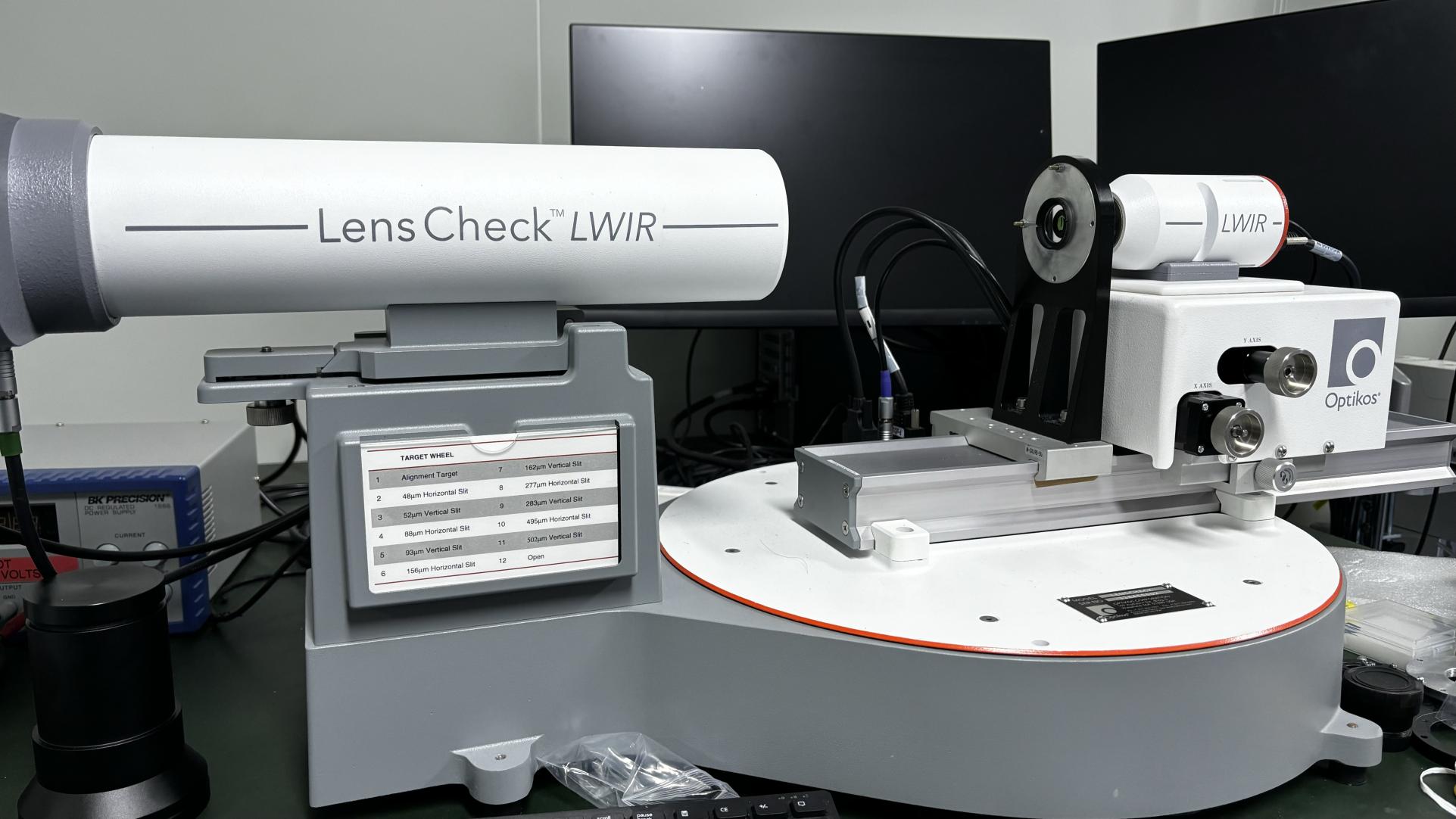
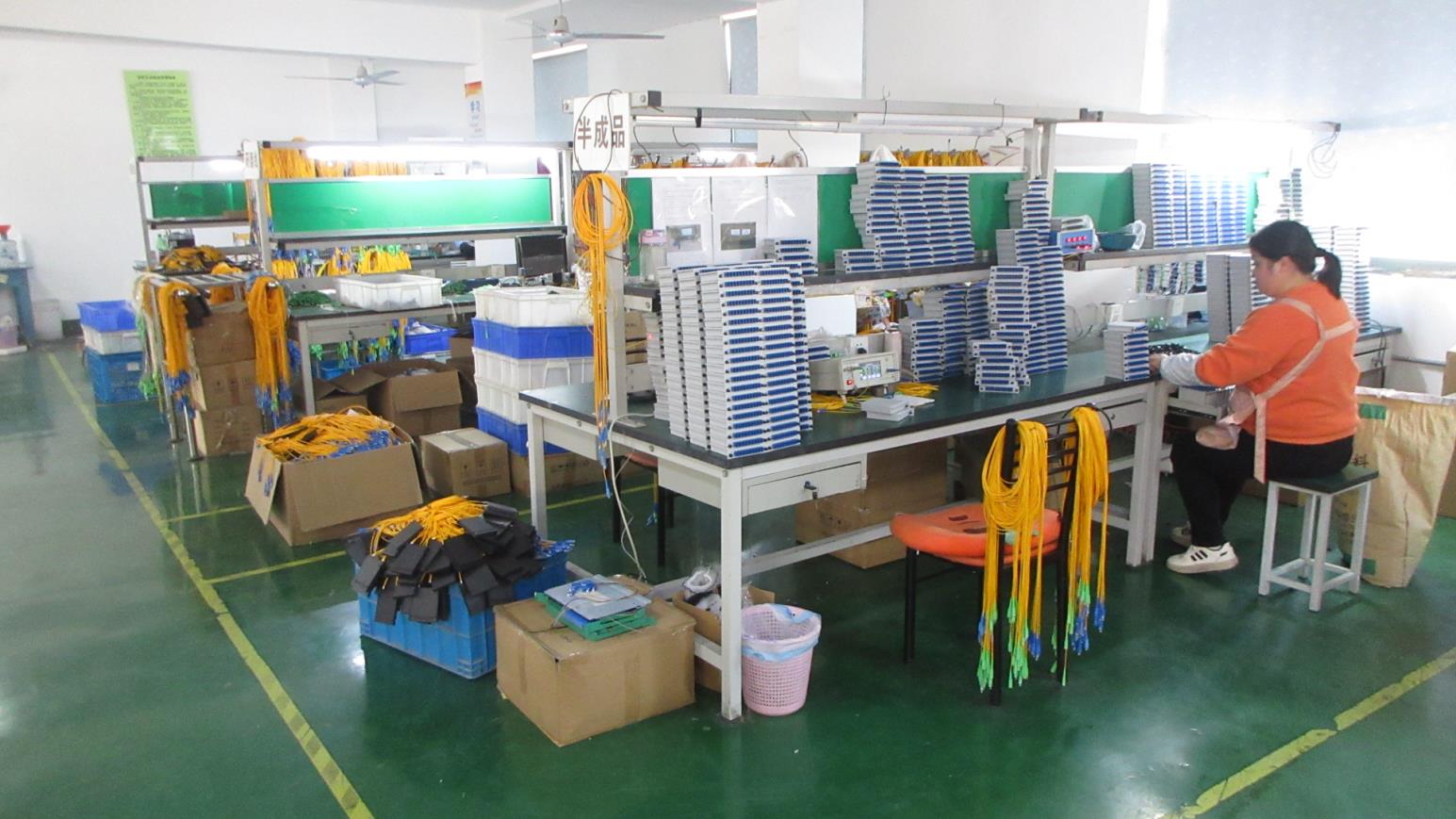
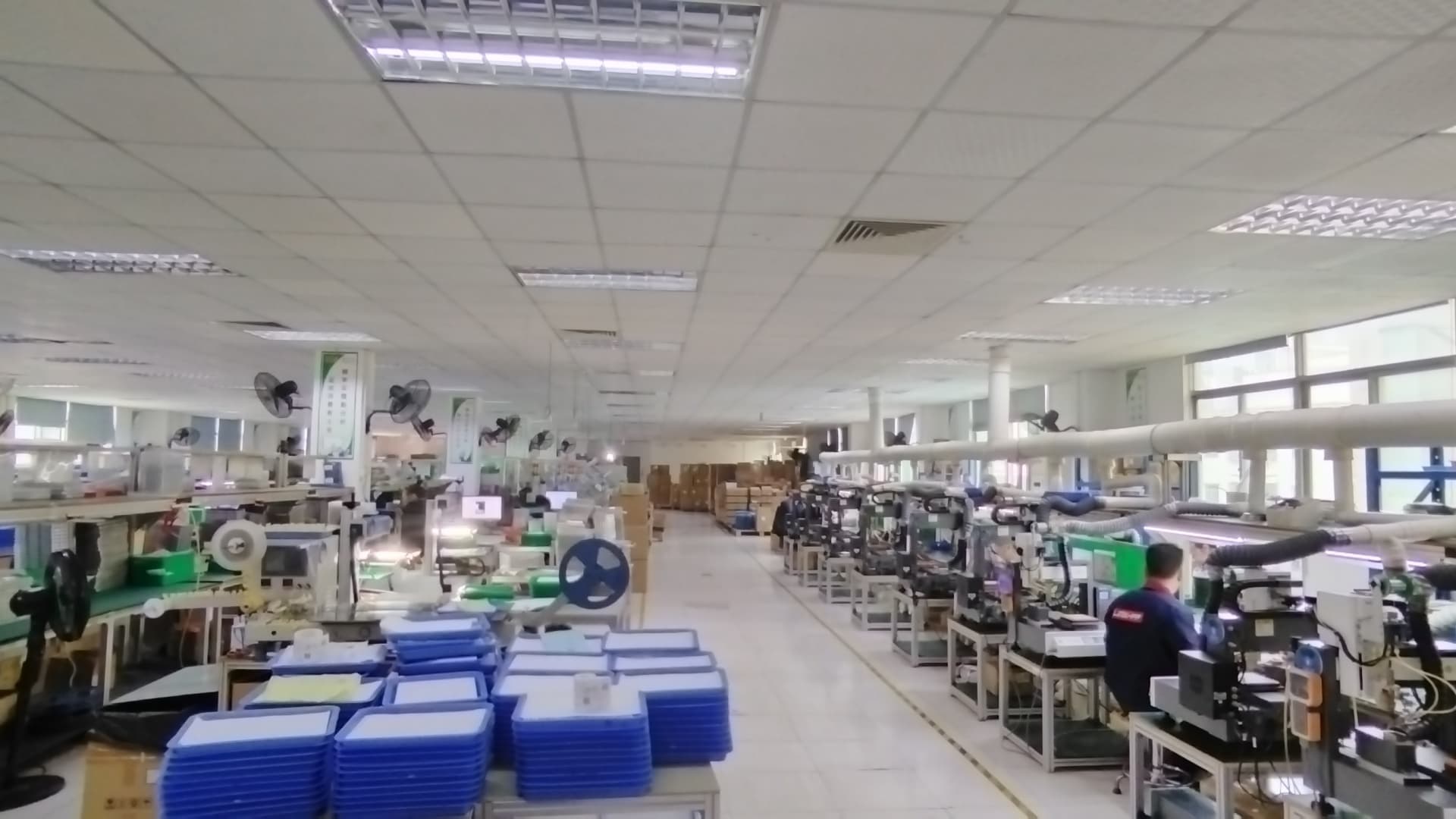
Take an inside look at our Guangdong operations where we configure, test, and package our enterprise compute systems.
Procuring server hardware for colocation deployments involves a different set of priorities than buying for local offices. Enterprise procurement managers must evaluate several technical and operational factors before selecting a manufacturing partner:
1. Compliance & Certification Frameworks: Enterprise datacenters require hardware that holds CE, FCC, RoHS, and UL safety certifications. Selecting certified servers prevents compliance bottlenecks during customs clearance and facility inspections.
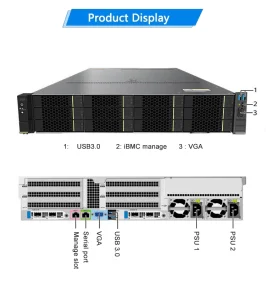
2. Standardized Rails and Out-of-Band Kits: In a colocation facility, physical access is often limited. Procurement officers prioritize servers that ship with slide-out rack mount rails, cable management arms, and built-in out-of-band management modules. This makes remote installation and daily troubleshooting straightforward for local remote hands teams.
3. Lifecycle Management and Warranty Support: Because colocation infrastructure represents a major capital expense (CapEx), hardware should have a predictable 5-to-7-year operational lifetime. Tensorium supports these long lifecycles by providing direct access to spare parts, component upgrades (such as RAID controller cards and NICs), and firmware updates.
Answers to common technical questions about selecting, deploying, and managing server hardware in colocation facilities.
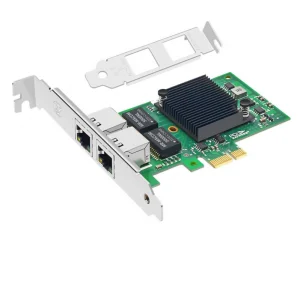
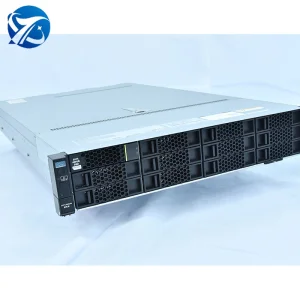
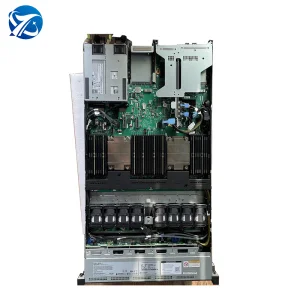
Review our enterprise product lines, including high-throughput network systems, RAID controller cards, and server nodes optimized for colocation.