Tensorium
Tensorium
Tensorium
Explore our highly certified enterprise hardware tailored for maximum compute performance and energy efficiency inside modern multi-tenant colocation environments.
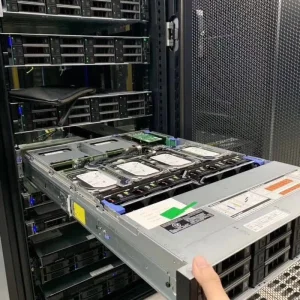
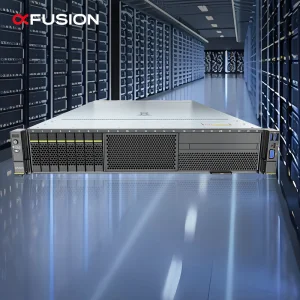
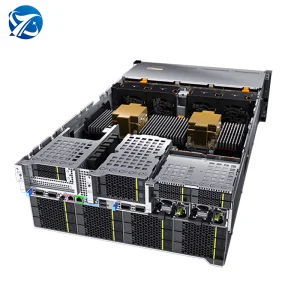
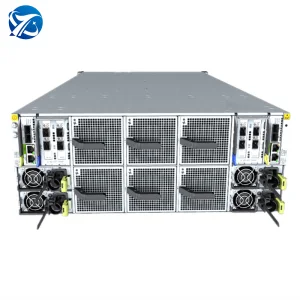
A comprehensive analysis of design requirements, physical constraints, and global hardware integration for modern multi-tenant facilities.
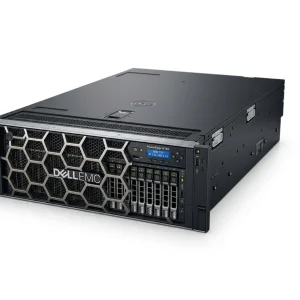
Modern colocation centers are evolving past standard 5kW cabinets to support high-density configurations reaching 20kW to 40kW per rack. Scaled clusters utilizing high-performance server architectures (such as the DeepSeek-optimized xFusion GPU servers and Dell R760/R740 systems) demand advanced thermal configurations, high-density power distributions, and dedicated PCIe Gen 5 interconnect infrastructures.
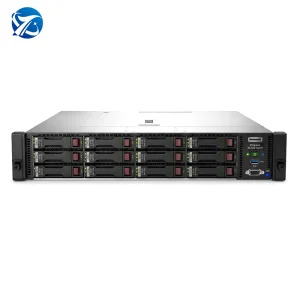
For sustainable multi-tenant deployments, managing PUE (Power Usage Effectiveness) is critical. Hybrid configurations such as the HPE ProLiant Compute DL360 Gen12 liquid cooling servers allow deployment in spaces where airflow alone is insufficient, optimizing floor space while ensuring constant operation at low temps during peak high-density processing loops.
Operational resilience requires enterprise hardware to integrate smoothly with colocation compliance requirements. From hardware-level security (TPM 2.0 modules) to secure carrier storage systems, selecting custom-configured system servers ensures your deployments easily pass regional audits, including MLPS 3.0 (Multi-Level Protection Scheme) and GDPR requirements.
When expanding enterprise operations internationally, sourcing compatible and highly optimized IT hardware is the most significant hurdle for infrastructure architects. The hardware deployed in a carrier-neutral colocation site dictates your long-term operational efficiency, network throughput, and hardware life expectancy.
Historically, standard data centers restricted hosting equipment to 3kW–5kW power distributions per cabinet. Today's hyper-scale applications, such as artificial intelligence training or deep learning models, push standard power envelopes to the limit. Hardware like the xFusion G5500 V6 GPU workstations or custom DeepSeek AI clusters demand dedicated power and distribution architectures. Enterprise procurement managers must focus on:
Guangdong, China stands as the epicenter of the global ICT hardware ecosystem. Partnering with a manufacturer like Tensorium Intelligent Technology Co., Ltd. gives enterprises direct access to component supply chains, ensuring rapid customization, prototyping, and dispatch.
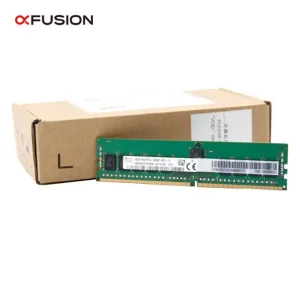
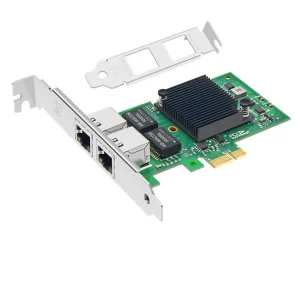
By bypassing intermediary distributors, enterprise hardware can be tailored directly on the manufacturing floor. Custom specifications like dedicated RAM capacities (e.g. DDR5 ECC modules at 6400MHz), precise PCIe RAID controller cards (e.g., SAS3808 or 9540-8i RAID cards), and tailor-made server chassis configurations can be built, burned-in, and stress-tested under one facility prior to global containerized shipping.
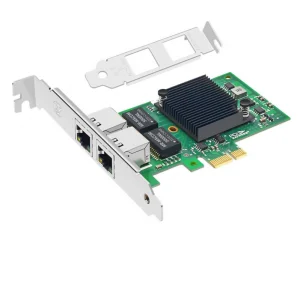
High-performance computing demands low latency. Top China colocation service suppliers configure systems with dual-port 10Gbps/25Gbps/100Gbps interfaces to support rapid inter-node communication. To achieve maximum throughput, storage hardware must support standard NVMe/SAS drives managed via PCIe 4.0/5.0 controllers. This ensures high-bandwidth pipelines can keep up with the processing power of integrated AI and deep learning server configurations.
Accelerating global business computing demands through high-performance OEM & ODM manufacturing.
Professional Manufacturer & Global Supplier of AI Computing Infrastructure
Founded in 2016, Tensorium Intelligent Technology Co., Ltd. specializes in delivering reliable, scalable, and customized computing platforms for artificial intelligence training, inference, deep learning, HPC, and enterprise data center applications. Located in Guangdong, China, Tensorium operates a modern manufacturing facility and serves customers across North America, Europe, the Middle East, Southeast Asia, and other global markets.
With years of experience in the AI computing industry, we have established a strong reputation for product quality, engineering expertise, and responsive customer service. Our engineering team works closely with customers to deliver solutions optimized for their specific workloads and business objectives.
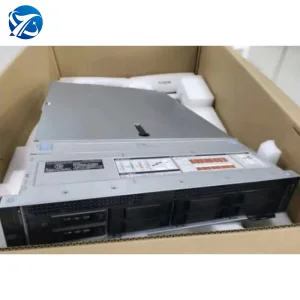
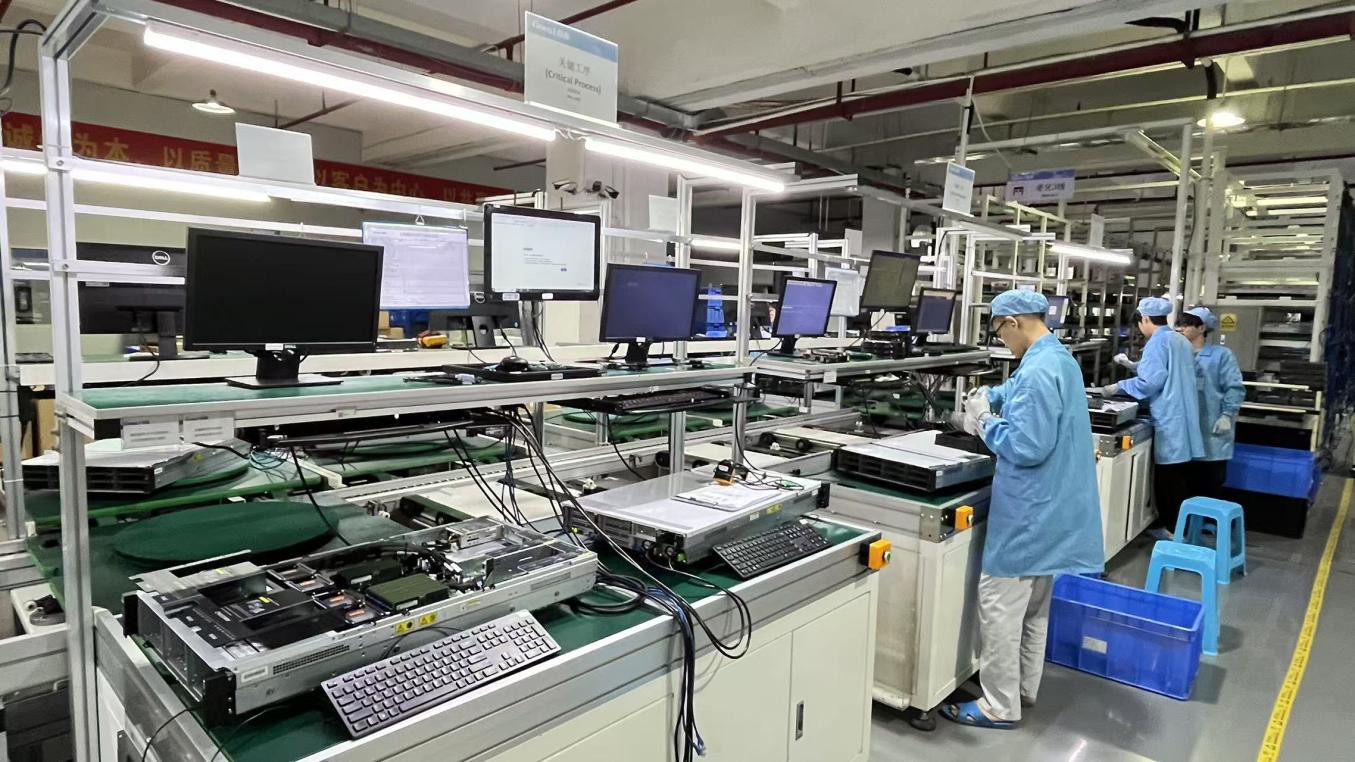
Quality is embedded throughout our manufacturing process. Every product undergoes comprehensive inspections, including component verification, assembly inspection, system integration testing, burn-in testing, thermal performance validation, stability testing, and final quality assurance before shipment.
Operating IT infrastructure within China's domestic data centers requires careful consideration of local regulations. Global enterprises must navigate strict cybersecurity compliance laws, data sovereignty provisions, and localized support protocols. Deploying the right hardware is a core foundation of this strategy.
Under China's Cyber Security Law, systems running critical business operations must undergo testing to meet Multi-Level Protection Scheme (MLPS) benchmarks, with level three (MLPS 3.0) being the standard requirement for financial and sensitive enterprise services. The server hardware you deploy must support:
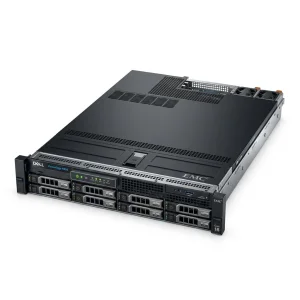
Many colocation sites restrict access to authorized local technicians. This highlights the importance of hardware serviceability. Standardizing server designs on platforms like xFusion Fusionserver 2288H V6 or Dell PowerEdge lines simplifies maintenance. These enterprise systems feature tool-less hot-swappable drives, fans, and power supplies, allowing local data center staff to replace components quickly, minimizing system downtime.
| Deployment Scenario | Key Hardware Requirement | Recommended Hardware System |
|---|---|---|
| Deep Learning & AI Training | High density multi-GPU support, high power redundancy | xFusion GPU Servers / Dell Poweredge AI R760 |
| Edge Computing Nodes | Compact 1U size, high thermal resistance, low power draw | Dell PowerEdge R660 1U High Density Server |
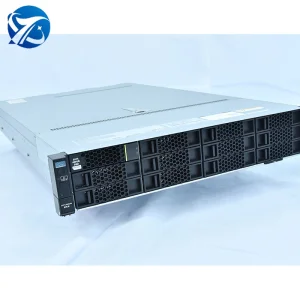
| Multi-tenant Cloud Web Hosting | Standard 2U space, cost-effective storage density | xFusion Fusionserver 2288H V6 / Refurbished Dell R740 |
| Secure High-Speed Storage | Hardware RAID, SAS3808 Boot Card integration | FusionServer 5288 V6 / XP270-M2 Standard Cards |
A showcase of our strict quality checks, assembly line integration, and specialized technical operations.
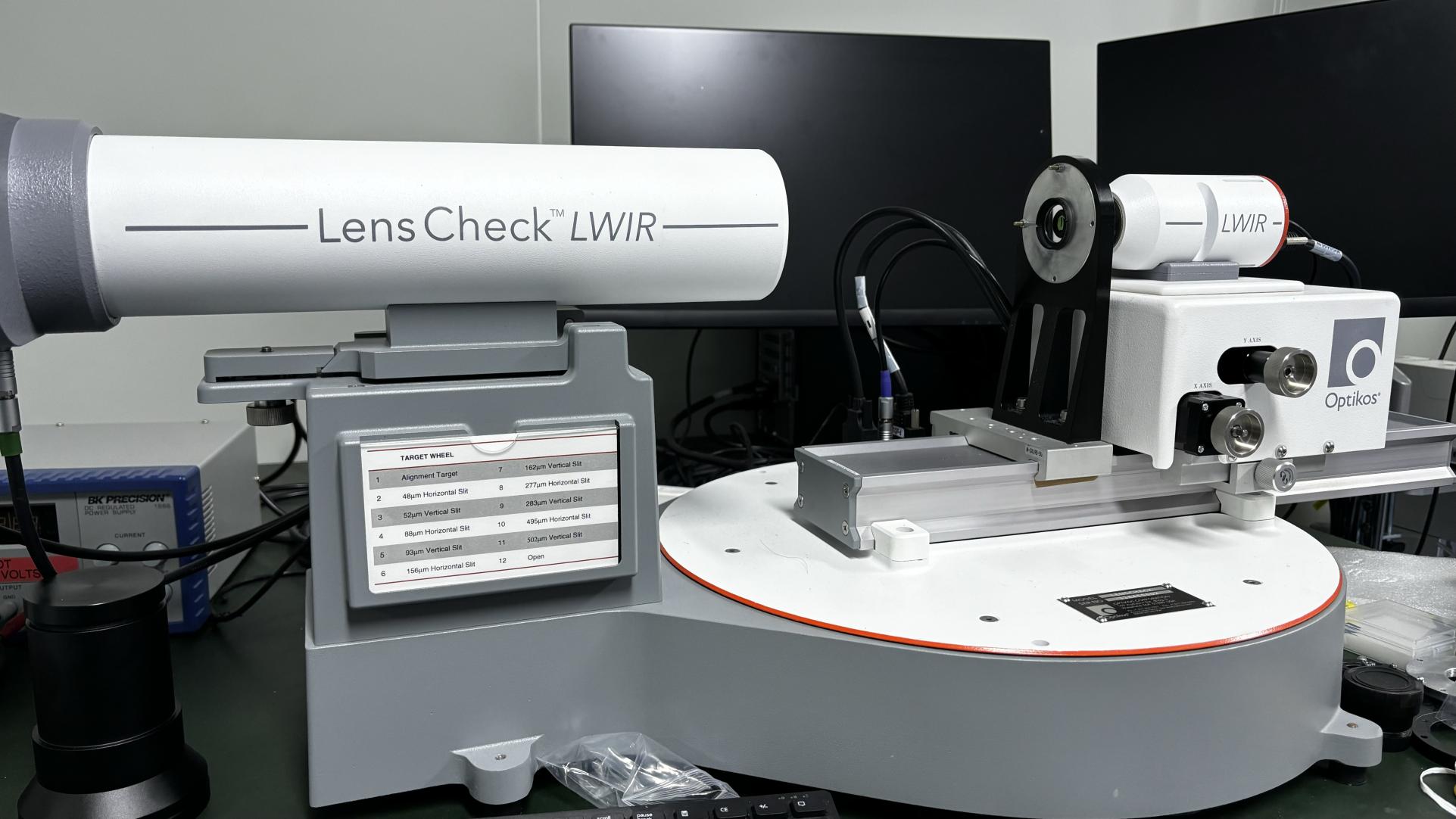

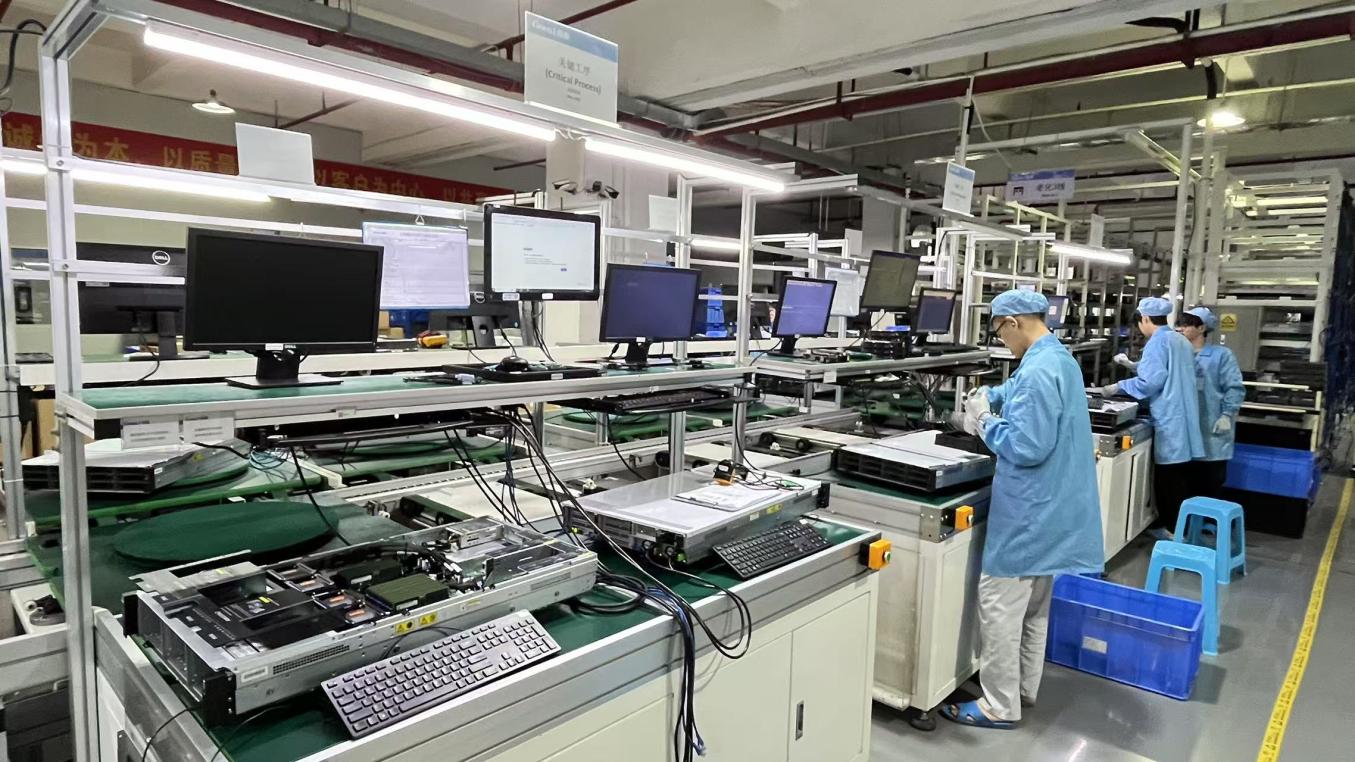
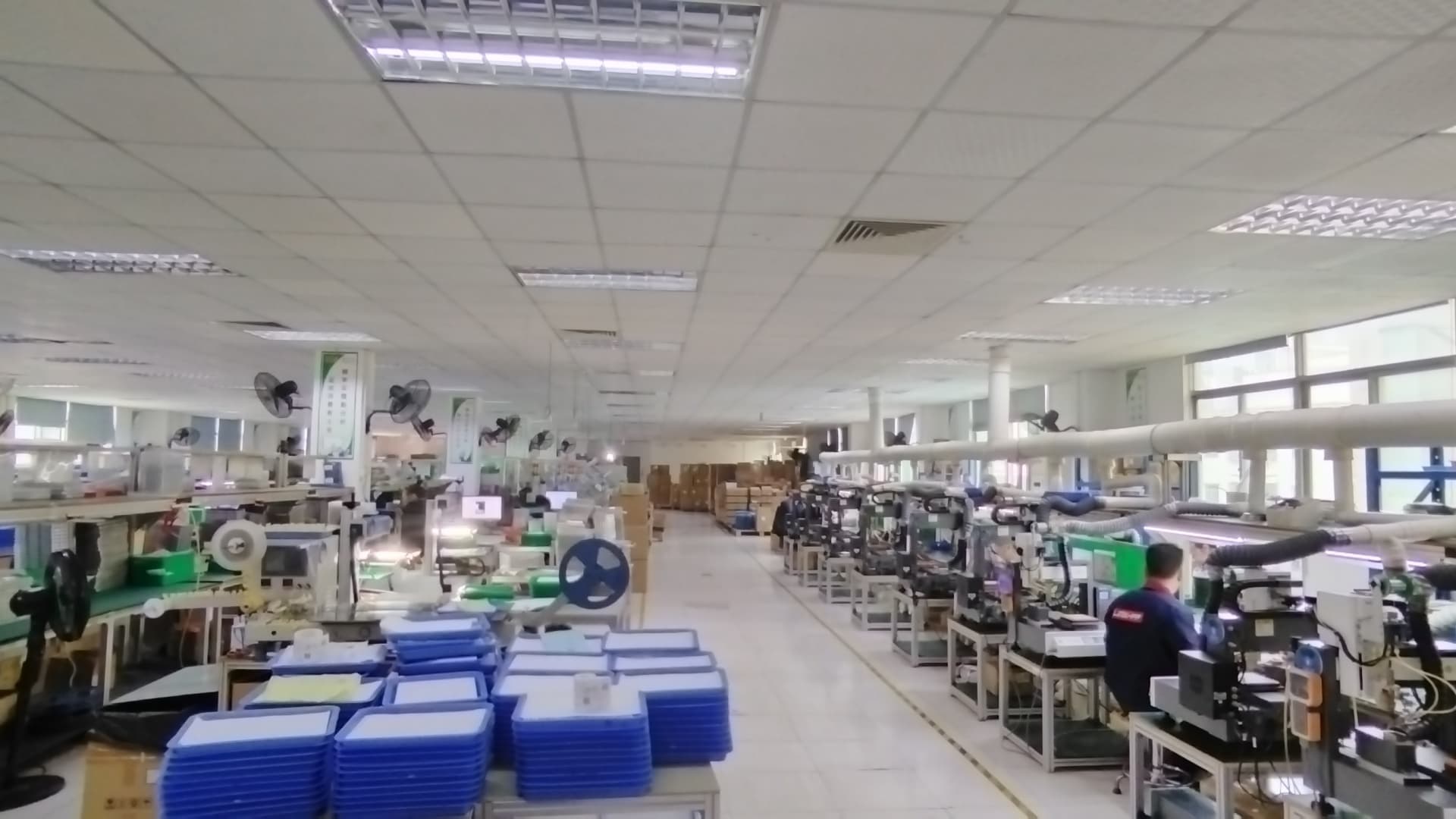
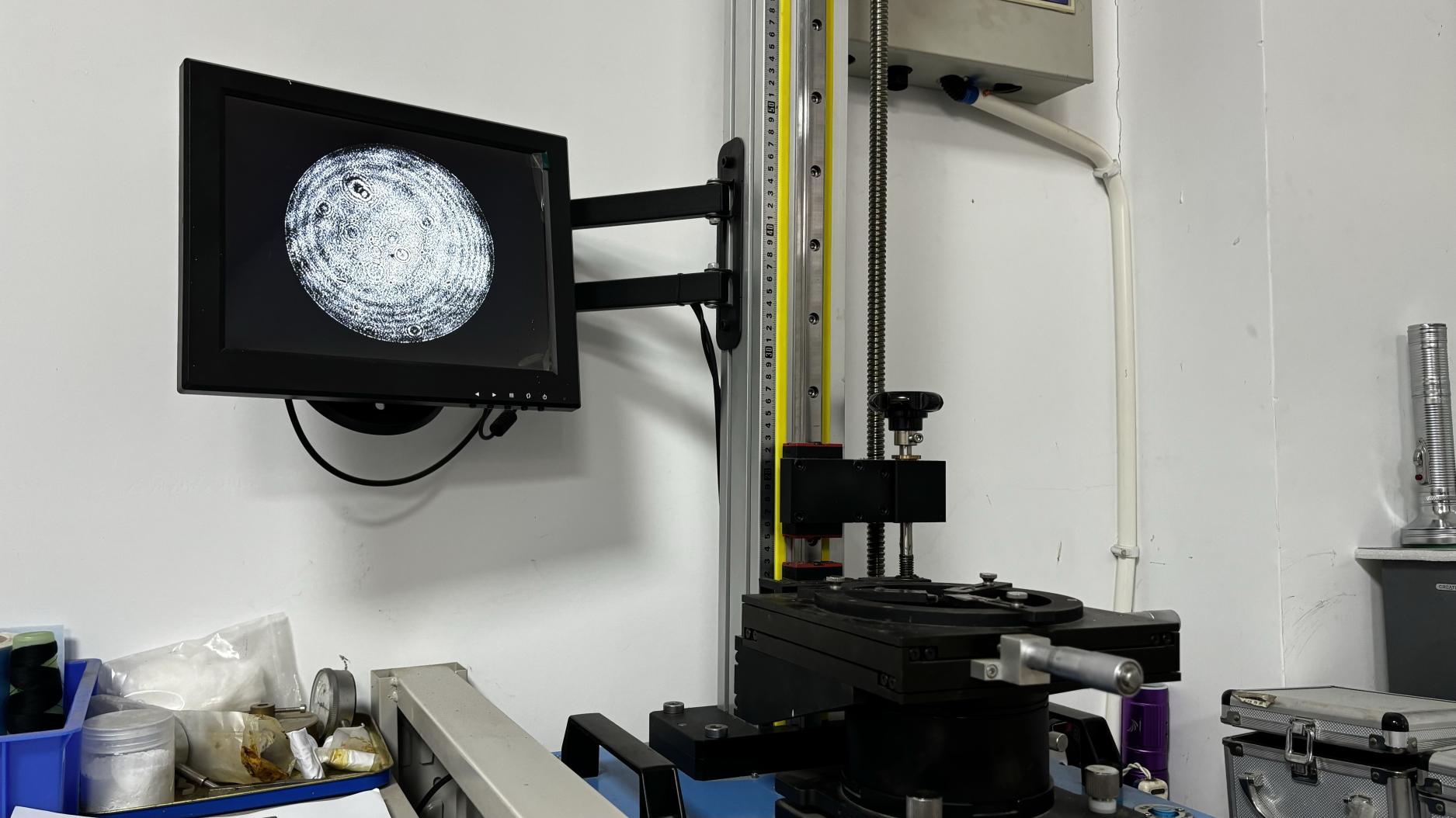
Important details and common questions concerning server sourcing and colocation deployment in China.
Sourcing directly from Guangdong provides access to the global center of IT manufacturing. This yields lower costs, faster turnaround for customized OEM/ODM server configurations, and robust quality control. For large-scale projects, buying direct ensures that memory configurations, storage capacity, and GPU clusters match your exact technical specifications.
Every server undergoes a strict quality control workflow. This includes physical part verification, server assembly inspections, 24-48 hour burn-in testing under heavy workloads, thermal tests, and functional benchmark runs. This process ensures hardware arrives stable and ready for production, avoiding dead-on-arrival (DOA) scenarios that are difficult to manage remotely.
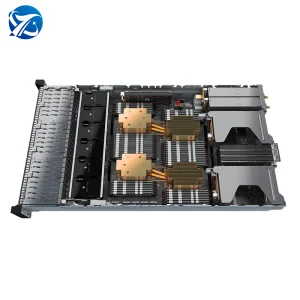
Liquid cooling systems, like the HPE ProLiant Gen12 liquid-cooling servers, bypass the limits of standard air-cooling. Because high-density AI clusters generate significant heat, liquid loops transfer heat directly away from the processor cores. This lowers cooling costs, improves PUE ratings, and prevents processors from throttling, keeping system performance high.
Yes, our facilities support full OEM/ODM customization. This includes custom hardware configuration (GPU, CPU, Memory, Storage), tailor-made rack integration, custom outer branding, asset tagging, and proprietary BIOS flashing. We deliver rack-ready systems tailored to integrate directly with your configuration pipelines.
Enhance your data center setups with top-tier hardware assemblies, RAID controllers, and memory kits designed for high uptime.