Tensorium
Tensorium
Tensorium
Industrial-grade servers and compute platforms designed to simulate high-concurrency workloads and execute enterprise-scale load tests.
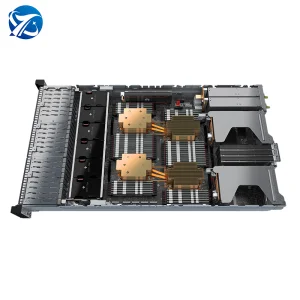
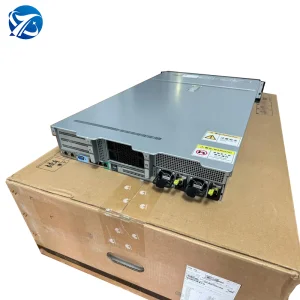
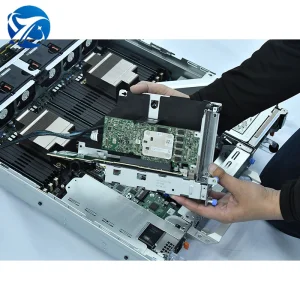
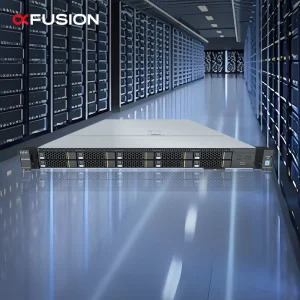
Analyzing the critical intersection of physical server deployments and structural load profiling in the era of artificial intelligence.
Modern cloud datacenters require aggressive hardware stress testing before system integration. Enterprises procuring rack servers demand high-precision load simulation software to determine peak query capacities, system throughput limits, and physical thermal thresholds under artificial stress conditions. Our high-density compute nodes are built to support massive thread generation, simulating thousands of virtual concurrent users to identify network, database, and hardware bottlenecks.
With the rise of large-scale deep learning models (such as DeepSeek and LLMs), processing pipelines require extensive hardware stress validation. Inference servers must process millions of token requests simultaneously. Load testing tools help engineers measure system degradation, queuing latency, and GPU throttling characteristics under heavy computational demand. System integrators utilize these stress engines to benchmark hardware setups, ensuring SLA metrics remain stable.
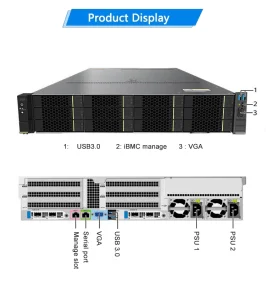
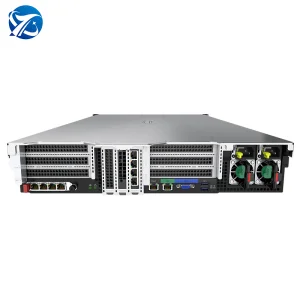
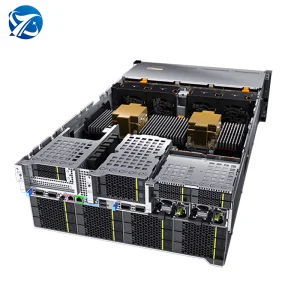
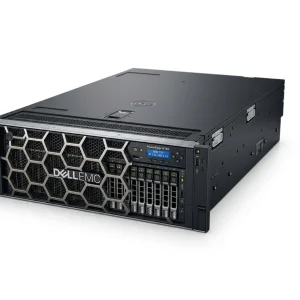
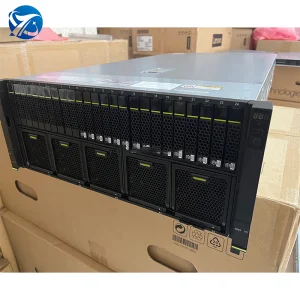
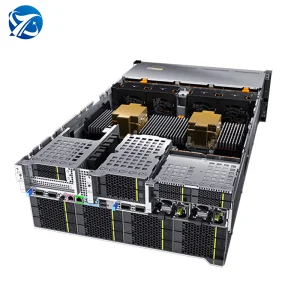
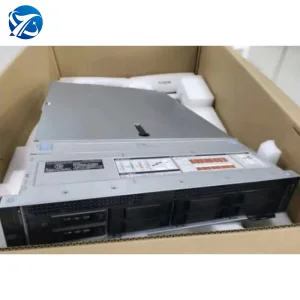
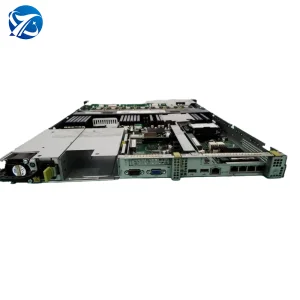
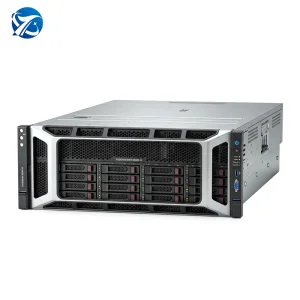
Optimal system performance cannot be achieved by evaluating software metrics or raw hardware specifications in isolation. Today's enterprise systems require co-design verification: running deep simulation packages directly on targeted hardware models (such as our high-performance GPU and xFusion rack servers) to validate real-world performance. This holistic testing protocol avoids costly architectural modifications after production deployment.
Understanding the clear functional differences between protocol-level load emulation and physical network packet generation hardware.
| Testing Methodology | Primary Purpose | Deployment Model | Key Performance Metrics |
|---|---|---|---|
| Protocol-Level Emulation | Simulating API requests, HTTP/HTTPS workflows, and microservice traffic streams. | Cloud SaaS platforms, distributed container networks, and local worker nodes. | Response times, transaction rates (TPS), and error rates. |
| Hardware-Accelerated Testing | Injecting high-density network packets directly at Layers 2–7 of the OSI model. | Specialized rackmount network appliances and FPGA-based traffic generators. | Line-rate throughput (Gbps), packet loss, and frame transmission latency. |
| GPU/AI Compute Stressing | Validating neural network training architectures under full load. | Bare-metal compute rigs and high-performance server clusters. | TFLOPS performance, memory bandwidth usage, and thermal dissipation levels. |
| Database Load Testing | Determining relational database read/write bottlenecks and connection pool limits. | Dedicated staging database engines and persistent storage arrays. | Queries per second (QPS), locking latency, and disk I/O operations (IOPS). |
An authoritative analysis of leading enterprise solutions, open-source performance frameworks, and hardware validation engines.
A leading open-source Java application designed for protocol-level load testing. JMeter simulates heavy loads on server groups, networks, or specific objects to test strength and analyze overall performance under various server load types.
A modern, developer-centric performance testing tool written in Go and scriptable in JavaScript. Highly integrated into modern CI/CD pipelines, k6 is optimized for system reliability testing, API performance verification, and microservice scale testing.
The global benchmark for hardware-based network testing. Keysight designs high-performance physical chassis and testing cards that inject multi-terabit traffic directly into networking equipment and server nodes to confirm bandwidth limits.
Provides advanced application delivery controllers and physical load generation engines. Radware hardware specializes in validating Layer 4-7 application delivery, security mechanisms, and SSL decryption capabilities under heavy stress conditions.
A high-performance load testing tool built on Akka and Netty. Gatling utilizes an asynchronous, non-blocking architecture that allows testers to simulate massive user concurrency on minimal server footprints, reducing testing costs.
A top-tier provider of automated test and assurance solutions for networks, cybersecurity, and positioning systems. Spirent hardware systems simulate complex real-world wireless and landline environments to validate high-concurrency systems.
The legacy standard for enterprise-level performance testing. It supports a wide range of protocols, applications, and legacy systems. It provides deep diagnostics and root-cause analysis to pinpoint application component issues.
A continuous performance testing platform designed for enterprise application teams. NeoLoad automates test design, maintenance, and analysis, integrating seamlessly with CI/CD tools to support Agile and DevOps methodologies.
Offers dedicated load testing modules for REST, SOAP, and GraphQL APIs. It enables developers to scale functional test cases to thousands of virtual users in the cloud or on-premise, ensuring API endpoints maintain performance SLAs.
An enterprise hardware validation platform that combines physical GPU/CPU burn-in configurations with custom-designed test scripts. This specialized setup validates high-performance AI inference servers before deployment in modern datacenters.
How global enterprises employ hardware-software load testing configurations to achieve absolute system stability.
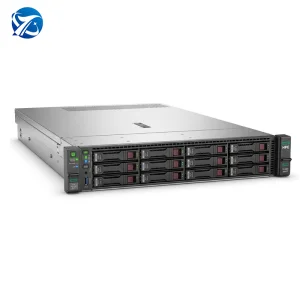
Peak events like Black Friday demand flawless application availability. Load testing tools simulate hundreds of thousands of simultaneous checkouts and payment processing steps. Engineers monitor response metrics, database locking issues, and auto-scaling performance under artificial spikes in demand. Validating these setups on high-density servers like the HPE DL360 Gen11 ensures critical infrastructure doesn't fail during revenue-generating windows.
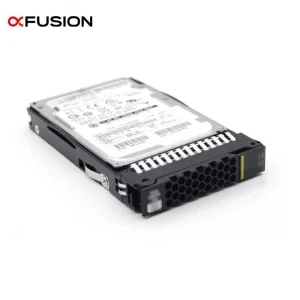
Banking APIs and stock trading engines require sub-millisecond response latency. Dynamic load testing platforms verify that high concurrency does not lead to transaction delays or system failures. Testing on systems configured with fast enterprise SAS HDDs provides the disk I/O performance needed to simulate heavy database query loads.
Telecommunications operators use hardware-based traffic testing systems to simulate millions of mobile device data channels. This verifies the control plane performance of 5G core systems. It ensures call routing, SMS delivery, and packet forwarding remain stable under extreme subscriber load conditions.
Running complex AI models like DeepSeek requires massive compute infrastructure. Inference servers must handle continuous incoming API queries without running out of GPU memory. Custom load tests target server memory bandwidth, ensuring the server system remains responsive under continuous peak workloads.
The evolution of system stress testing: moving from static script execution to intelligent, autonomous performance validation.
Future testing tools will use machine learning models to simulate real user behavior. Instead of executing static, pre-defined scripts, virtual users will dynamically browse websites, add items to carts, and execute API calls. This generates more realistic system behavior patterns and discovers hidden edge-case bottlenecks.
Modern testing platforms are adding metrics to measure server energy consumption per transaction. By linking transaction loads to physical power draws (watts) on rack servers, development teams can optimize their codebases for both speed and carbon footprint reduction.
By leveraging Extended Berkeley Packet Filter (eBPF) technologies, future load tests will capture kernel-level system metrics with virtually zero performance overhead. This enables granular tracing of system calls, network sockets, and process scheduling latency during active load testing cycles.
Ensuring that testing systems, hardware components, and client data adhere to international regulatory frameworks.
Load tests simulate real-world customer activity, which can involve sensitive personally identifiable information (PII). Enterprise load testing platforms must include data-masking capabilities. Performance test engines deployed in multi-tenant environments must keep test data segregated to meet GDPR and CCPA requirements.
Industrial load generation chassis and high-performance server clusters must comply with international safety certifications, including CE, FCC, UL, and RoHS. This guarantees electrical safety, thermal stability, and proper electromagnetic shielding when systems are operated at full load inside enterprise datacenters.
A professional manufacturer and global supplier of high-performance AI GPU servers, GPU clusters, and intelligent computing infrastructure solutions.
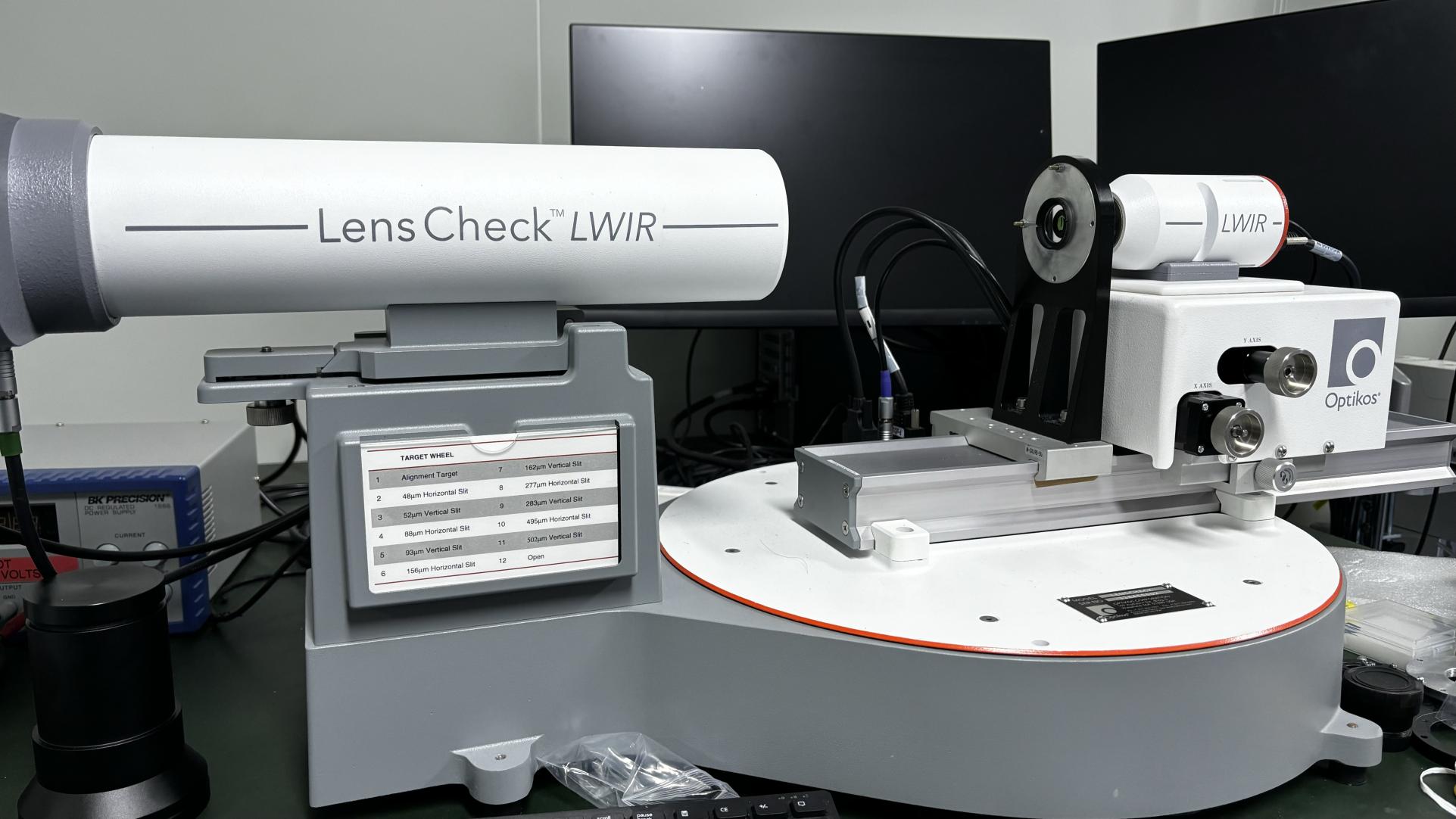
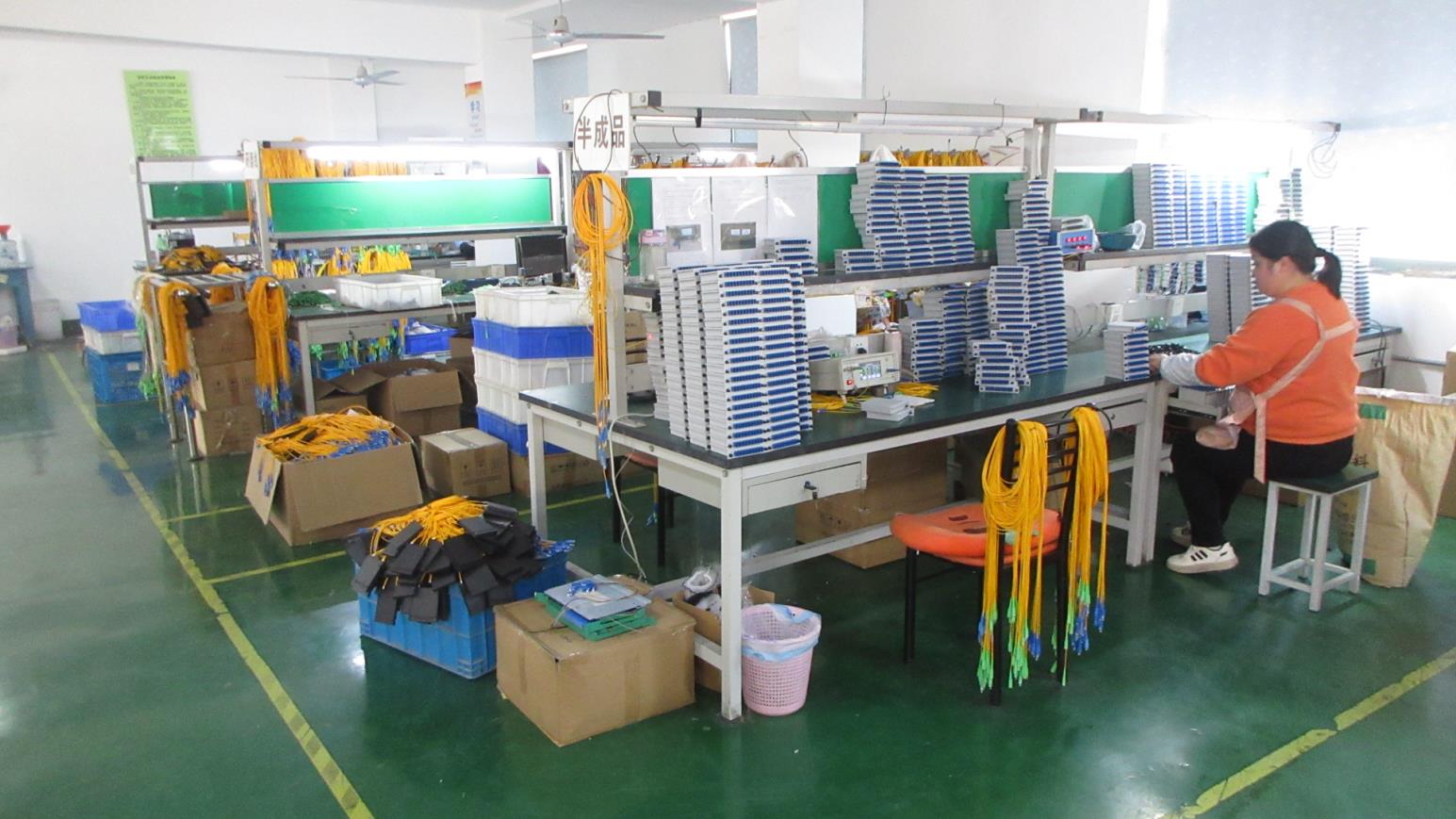
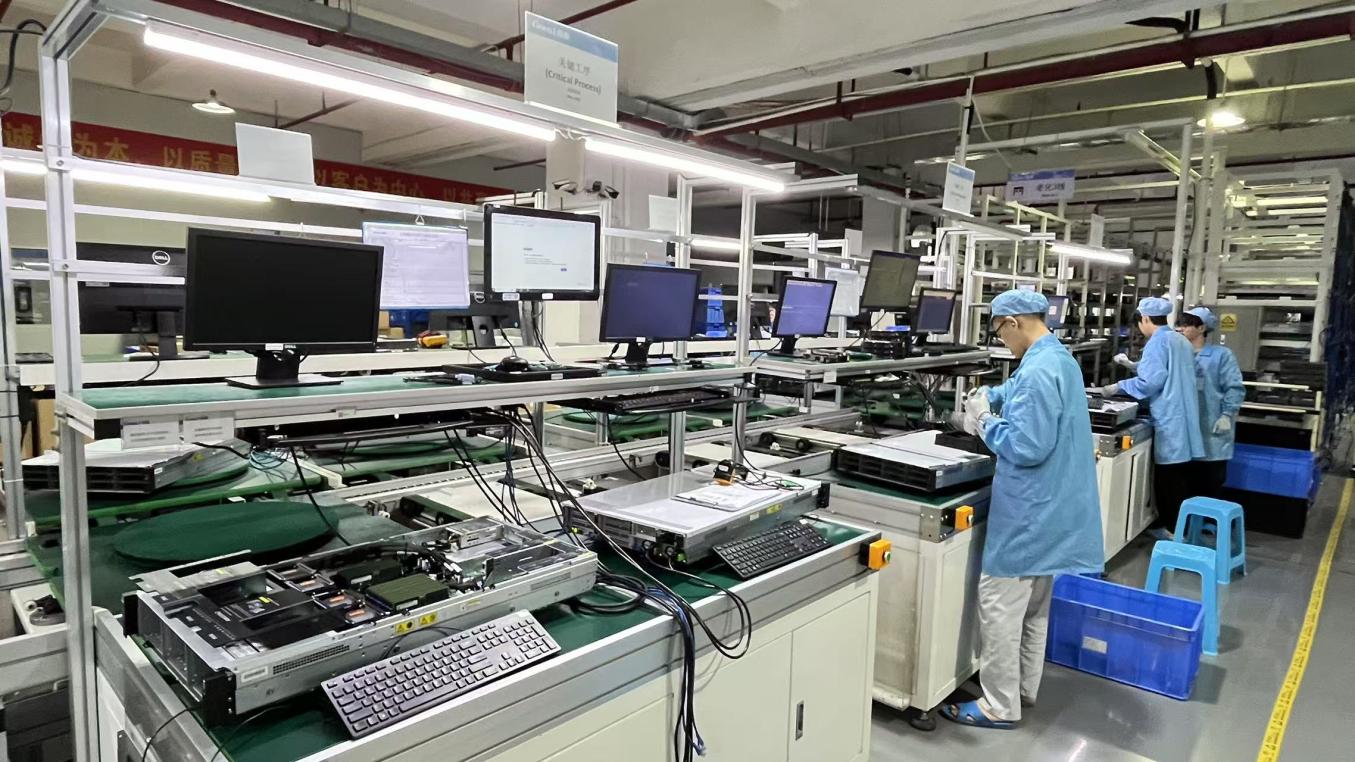
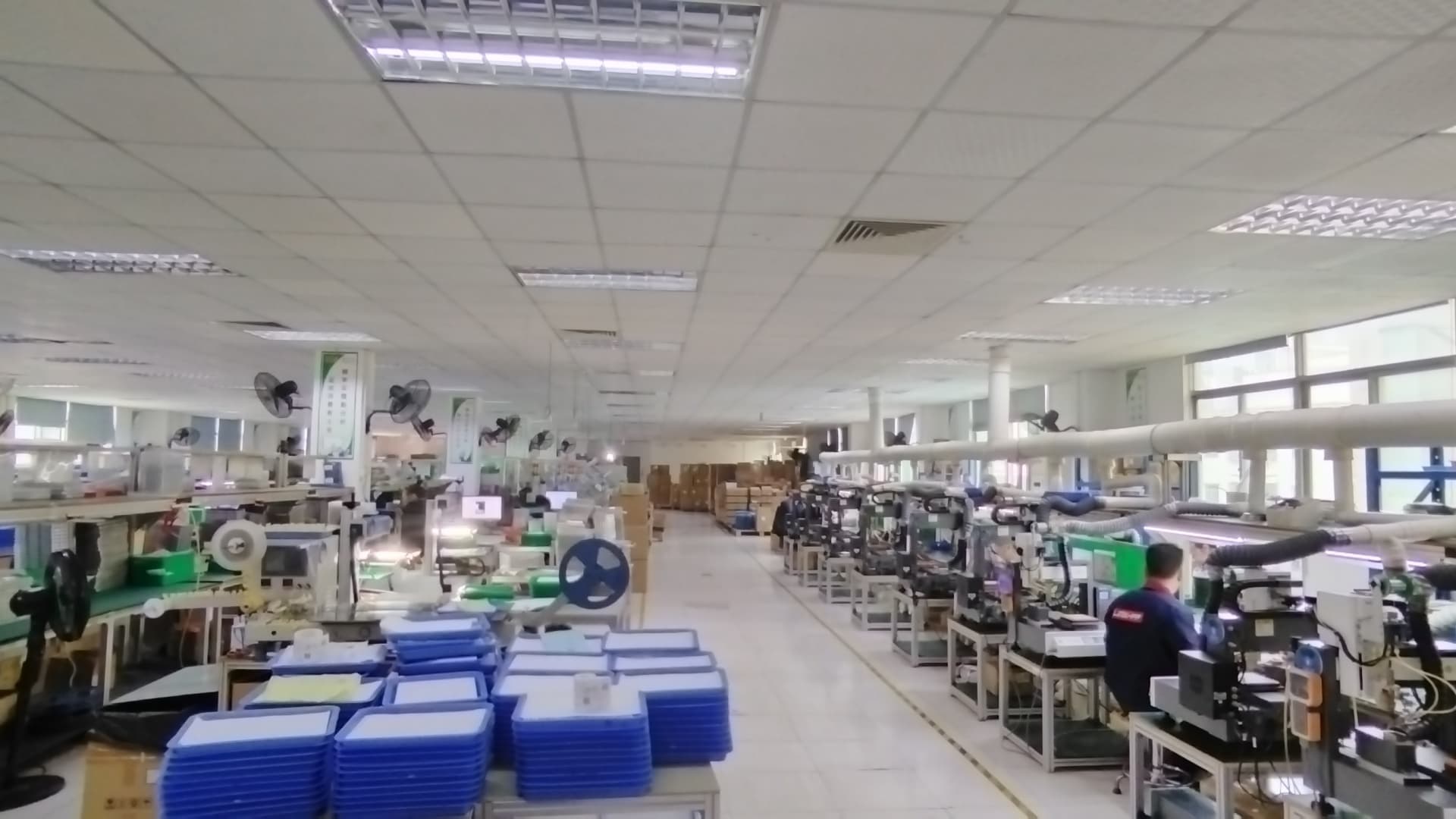
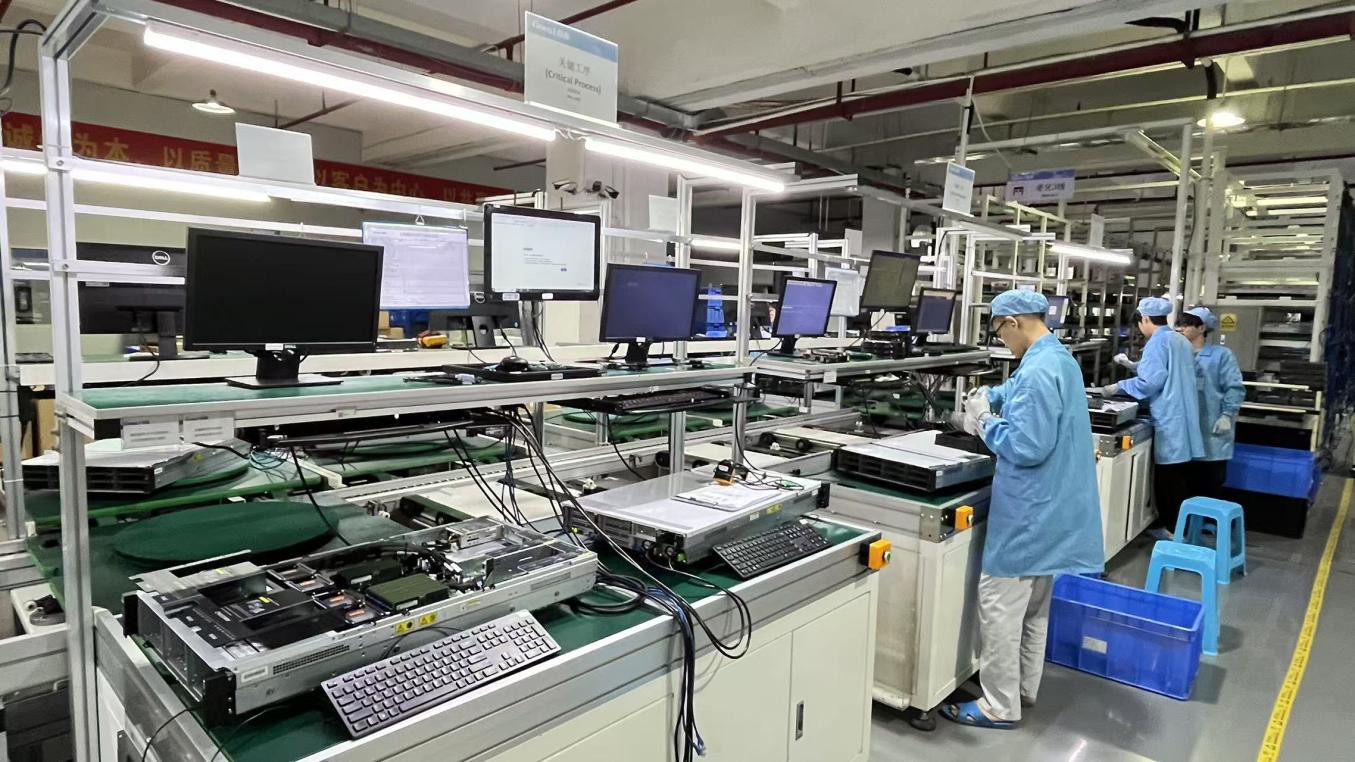
Founded in 2016, Tensorium Intelligent Technology Co., Ltd. specializes in delivering reliable, scalable, and customized computing platforms for artificial intelligence training, inference, deep learning, HPC, and enterprise data center applications. Located in Guangdong, China, Tensorium operates a modern manufacturing facility covering over 380㎡ and serves customers across North America, Europe, the Middle East, Southeast Asia, and other global markets.
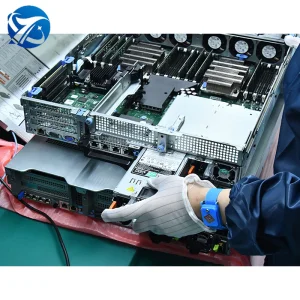
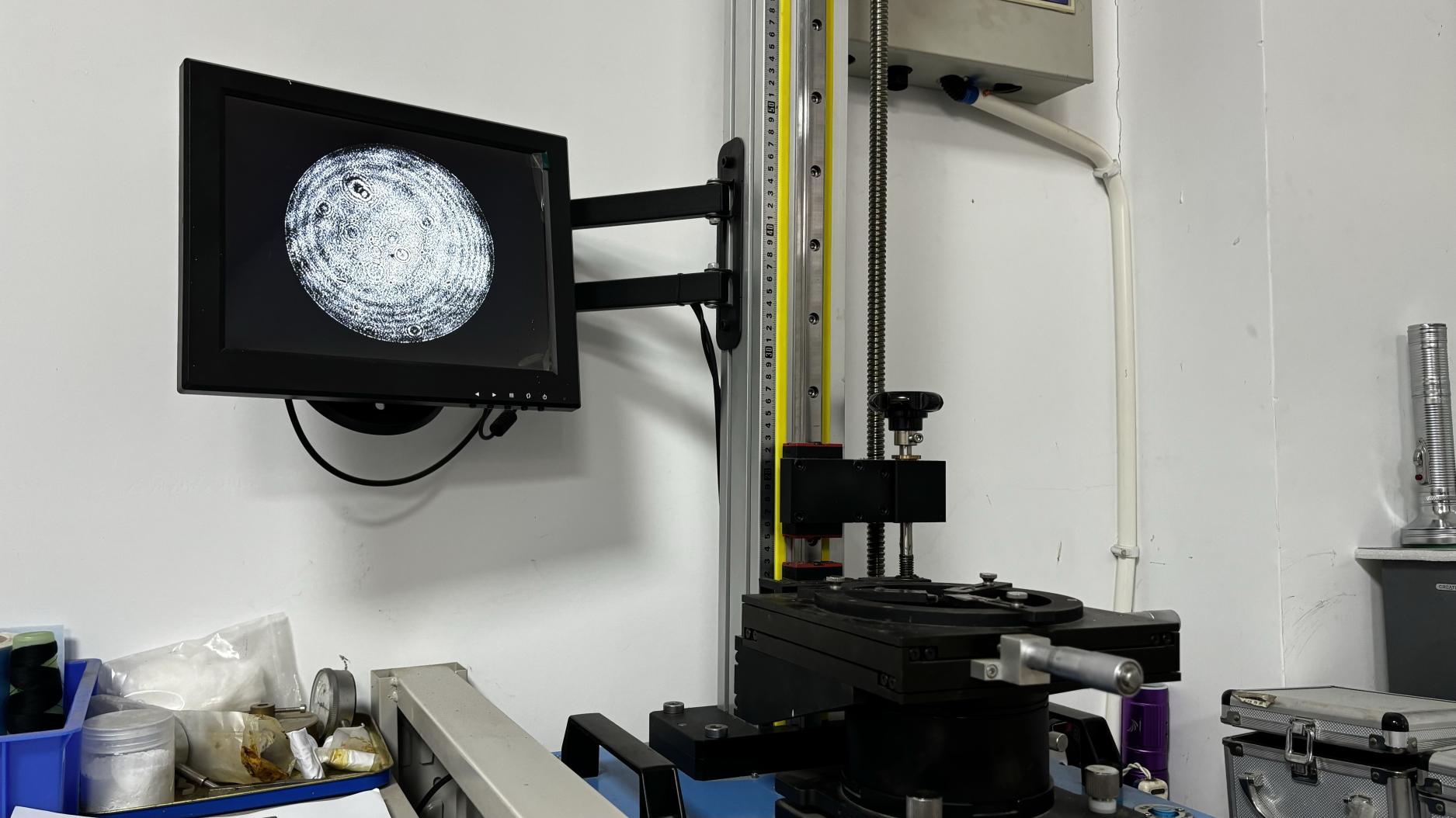
Quality is embedded throughout our manufacturing process. Tensorium maintains strict quality control standards with a dedicated team of 45 quality inspectors. Every product undergoes comprehensive inspections, including component verification, assembly inspection, system integration testing, burn-in testing, thermal performance validation, stability testing, and final quality assurance before shipment.
With strong OEM and ODM capabilities, we provide flexible customization options including GPU configuration, CPU platform selection, storage architecture, networking solutions, rack integration, branding services, and complete AI infrastructure deployment support. Our R&D team consists of over 120 experienced engineers dedicated to developing advanced GPU server architectures, AI cluster solutions, and customized computing systems. Last year alone, we successfully launched more than 80 new products and configurations tailored to emerging AI workloads and evolving customer requirements.
In-depth industry responses to technical queries regarding structural stress configurations and load test methodologies.
Scale-ready system platforms, storage arrays, and network server configurations for advanced enterprise application deployments.