Tensorium
Tensorium
Tensorium
High-performance rack servers and hardware foundations optimized for customized liquid and specialized air cooling integrations.
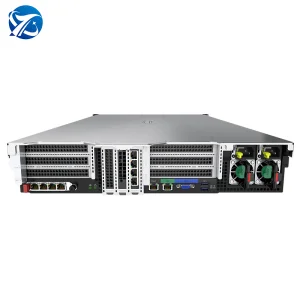
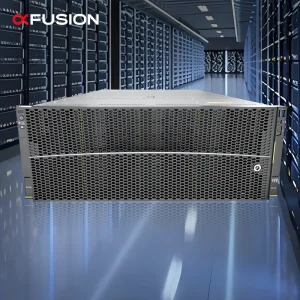
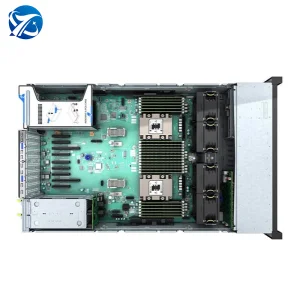
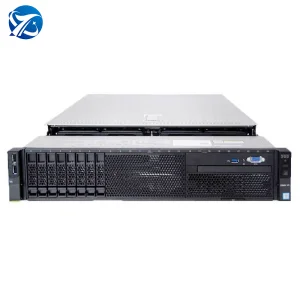
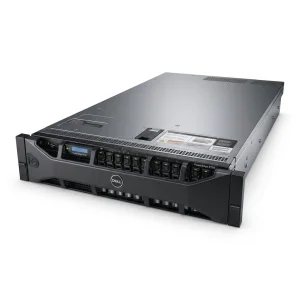
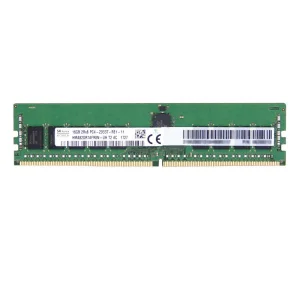
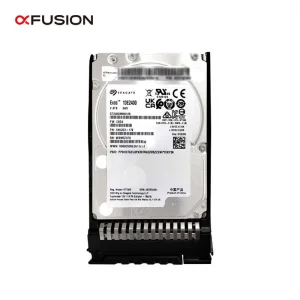
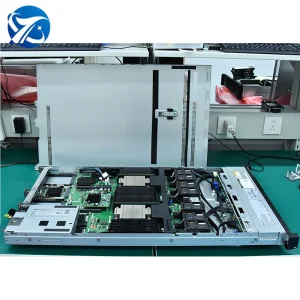
In the modern era of high-density computation, propelled by artificial intelligence training models, large language models (LLMs) such as Deepseek, and high-performance computing (HPC) networks, traditional air-based cooling configurations are reaching their physical limitations. Modern GPUs and custom ASIC accelerators now routinely push TDP (Thermal Design Power) thresholds beyond 700W to 1000W+ per processor. High-density server cabinets housing multiple accelerators easily exceed 40kW to 100kW per rack.
This rapid shift in density has made cooling optimization a primary KPI for global data center architects. Achieving a low PUE (Power Usage Effectiveness) is no longer just a sustainable initiative—it is a functional necessity for power grid compatibility, structural space efficiency, and chip performance stability. Excess thermal buildup results in junction temperature throttling, hardware instability, and shortened lifecycle expectations for core semiconductor components.
SEO Insight / Industry Fact: The critical tipping point for transition from air cooling to liquid cooling typically occurs when rack density surpasses 20kW to 25kW. Beyond this density, the volumetric air flow rate required to transport heat becomes aerodynamically impractical, leading to excessive energy draw from fan modules.
To address this paradigm, Tensorium Intelligent Technology Co., Ltd. customizes thermal integration solutions. Working closely with cloud service providers and enterprise entities, we engineer custom coolant pathways, CDU manifolds, and custom chassis assemblies designed to maximize direct contact surfaces and heat dissipation capacity, reducing PUE toward target levels below 1.15.
Utilizes precision-machined copper cold plates directly mounted on high-power processors. Safe liquid mixtures (e.g., PG25 or water) absorb heat directly through micro-channels, achieving low thermal resistance values.
Submerges entire server assemblies in dielectric, non-conductive fluids. Can be configured as single-phase (fluid circulates via external heat exchangers) or two-phase (fluid boils and condenses inside a sealed chamber).
Replaces the standard back door of a computer cabinet with a liquid-filled coil system. Hot exhaust air passing through the server cabinet is cooled back to ambient room temperatures, neutralizing cabinet heat load.
As semiconductor architectures evolve toward chiplet designs and stacked silicon structures (3D ICs), heat density is no longer distributed uniformly across processor silicon. Hot spots can reach thermal densities equivalent to the surface of a star. To support these chips, the technical cooling roadmap involves several critical development phases:
Looking ahead, future standards will focus on absolute sustainability. Waste heat recovery systems connected to liquid cooling loops allow operators to export thermal energy directly to municipal heating grids or nearby industrial facilities. Tensorium is at the forefront of this technology, engineering custom manifolds and manifold interfaces that prepare hardware structures for waste-heat utilization schemes.
Tailored thermal solutions optimized for specific deployment constraints, scales, and operational targets.
Hyperscalers require highly standardized, rapid-deployment liquid cooling configurations. Tensorium designs modular, rack-level CDUs and dry-cooler assemblies that integrate directly into existing facility control systems via BACnet or Modbus protocols. Our solutions emphasize redundant pump modules, leak prevention mechanisms, and hot-swappable system controls to ensure continuous uptime in massive-scale environments.
Edge nodes and remote locations face strict constraints: lack of specialized onsite technical staff, dusty environments, and space restrictions. Here, we offer sealed, fanless IP-rated rack structures utilizing natural convection heat exchangers or compact closed-loop liquid systems. These units operate reliably for extended periods without manual maintenance.
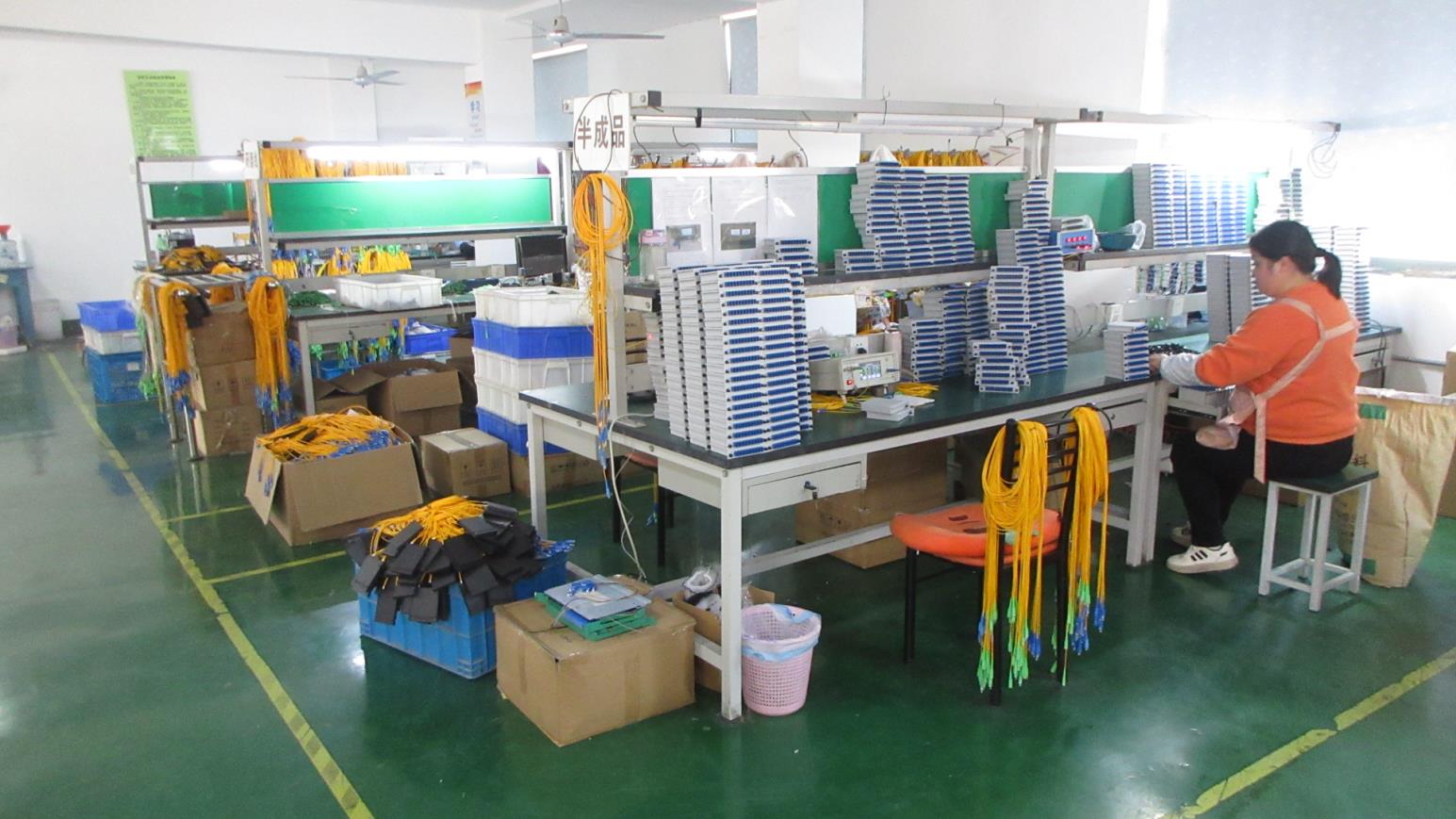
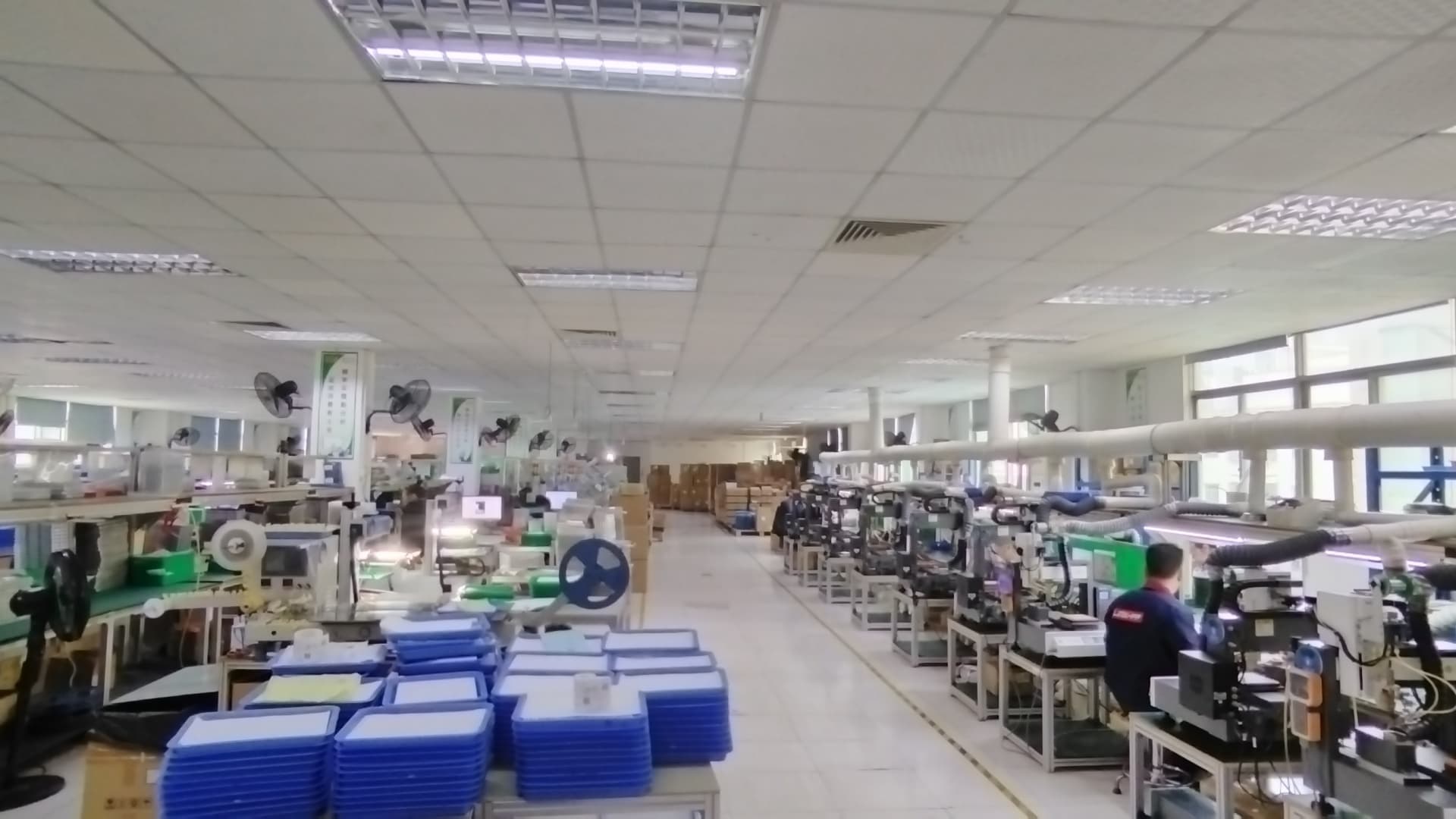
Operating a specialized manufacturing facility in Guangdong, China—the global capital for electronics production and high-precision metal fabrication—gives Tensorium a structural competitive advantage. Our local industrial ecosystem facilitates rapid sourcing of oxygen-free copper, aerospace-grade aluminum, high-grade polymers, and complex sensor arrays.
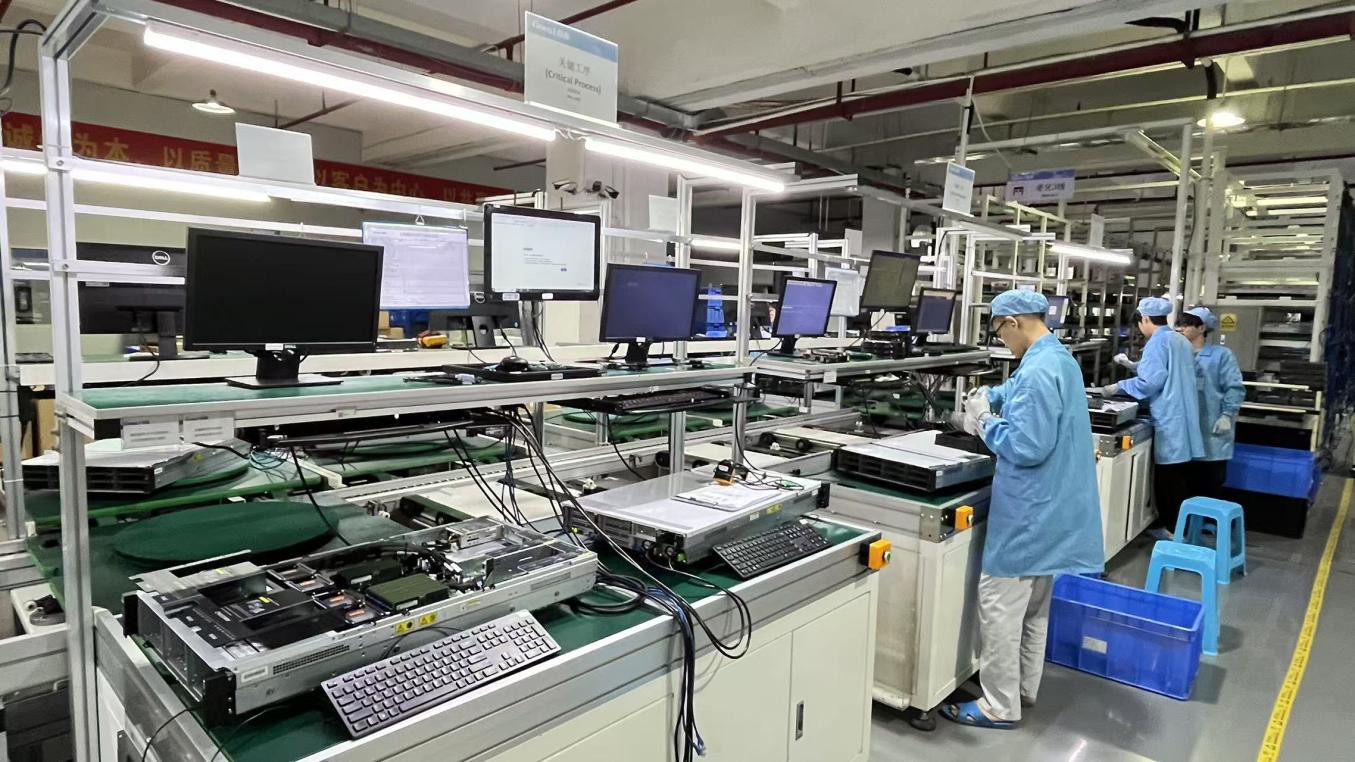
With an extensive supply chain network of more than 1,200 trusted partners worldwide, we secure raw components and critical sub-assemblies with minimized lead times. Our facility houses dedicated cleanroom assembly bays and advanced validation equipment, operated under strict quality controls by a team of 45 quality inspectors. This setup allows us to execute rapid hardware revisions and custom chassis configurations with speed and reliability.
From initial CAD modeling and CFD simulation files to physical metal tooling, pressure testing, and thermal benchmark verification, our engineering loop is designed to deliver functional custom prototypes in a short development cycle.
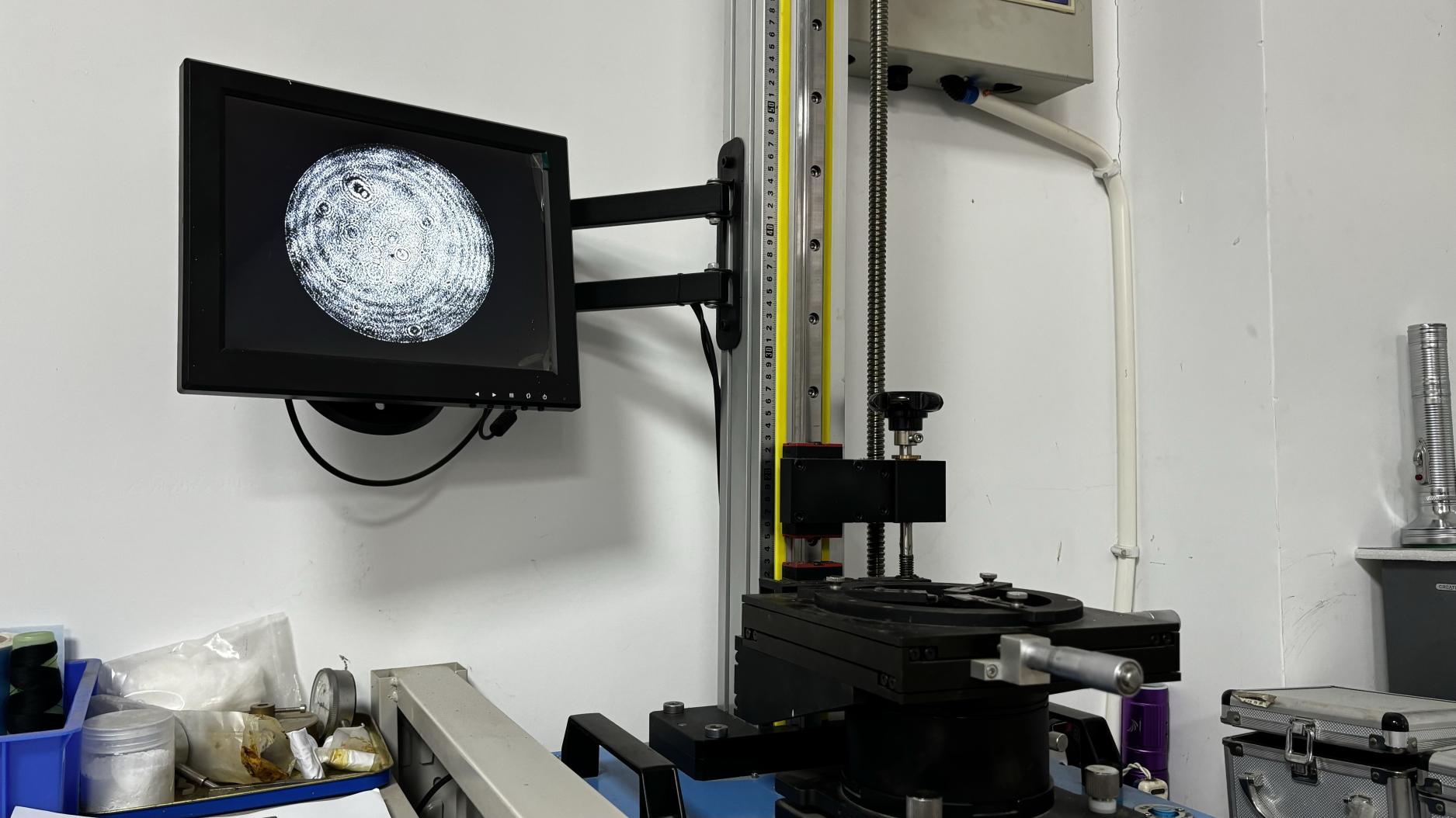
Every cold plate assembly, manifold, and custom cooling tube undergoes hydro-testing up to 10+ bar pressure, continuous thermal cycling, and ultrasonic leak validation before integration into server racks.
Guangdong's proximity to major international deep-water ports and cargo airports ensures streamlined custom export logistics to North American, European, Middle Eastern, and Southeast Asian delivery centers.
Established Year
Annual Export Revenue
R&D Engineers
Supply Chain Partners
A premier global developer of high-performance AI compute infrastructure, GPU server nodes, and custom thermal solutions.
Founded in 2016, Tensorium Intelligent Technology Co., Ltd. is a professional manufacturer and global supplier of high-performance AI GPU servers, GPU clusters, and intelligent computing infrastructure solutions. We specialize in delivering reliable, scalable, and customized computing platforms for artificial intelligence training, inference, deep learning, HPC, and enterprise data center applications.
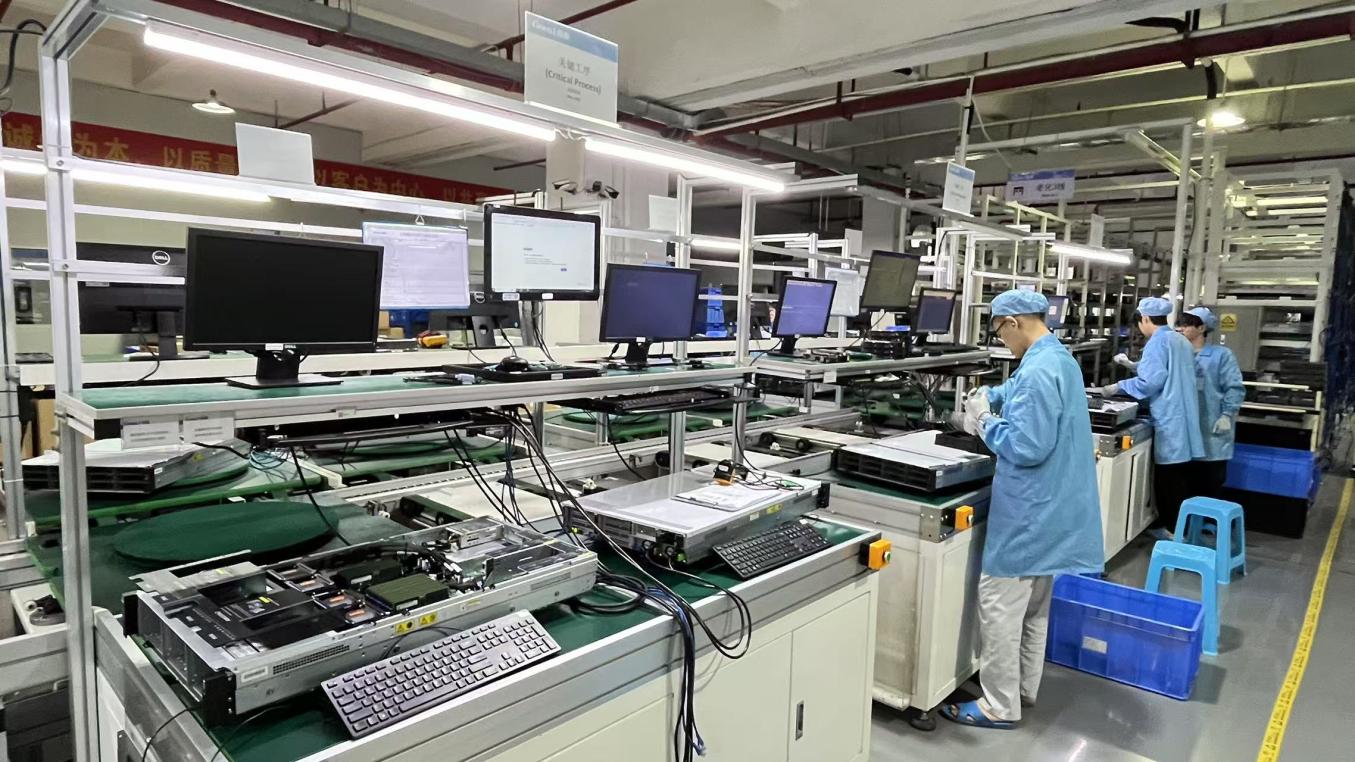
Located in Guangdong, China, Tensorium operates a modern manufacturing facility covering over 380㎡ and serves customers across North America, Europe, the Middle East, Southeast Asia, and other global markets. With years of experience in the AI computing industry, we have established a strong reputation for product quality, engineering expertise, and responsive customer service.
Our annual export revenue exceeds USD 18 million, supported by an extensive supply chain network of more than 1,200 trusted partners worldwide. We work closely with AI startups, cloud service providers, system integrators, research institutions, enterprise customers, and data center operators seeking high-performance computing solutions.
Innovation is at the core of our business. Our R&D team consists of over 120 experienced engineers dedicated to developing advanced GPU server architectures, AI cluster solutions, and customized computing systems. Last year alone, we successfully launched more than 80 new products and configurations tailored to emerging AI workloads and evolving customer requirements.
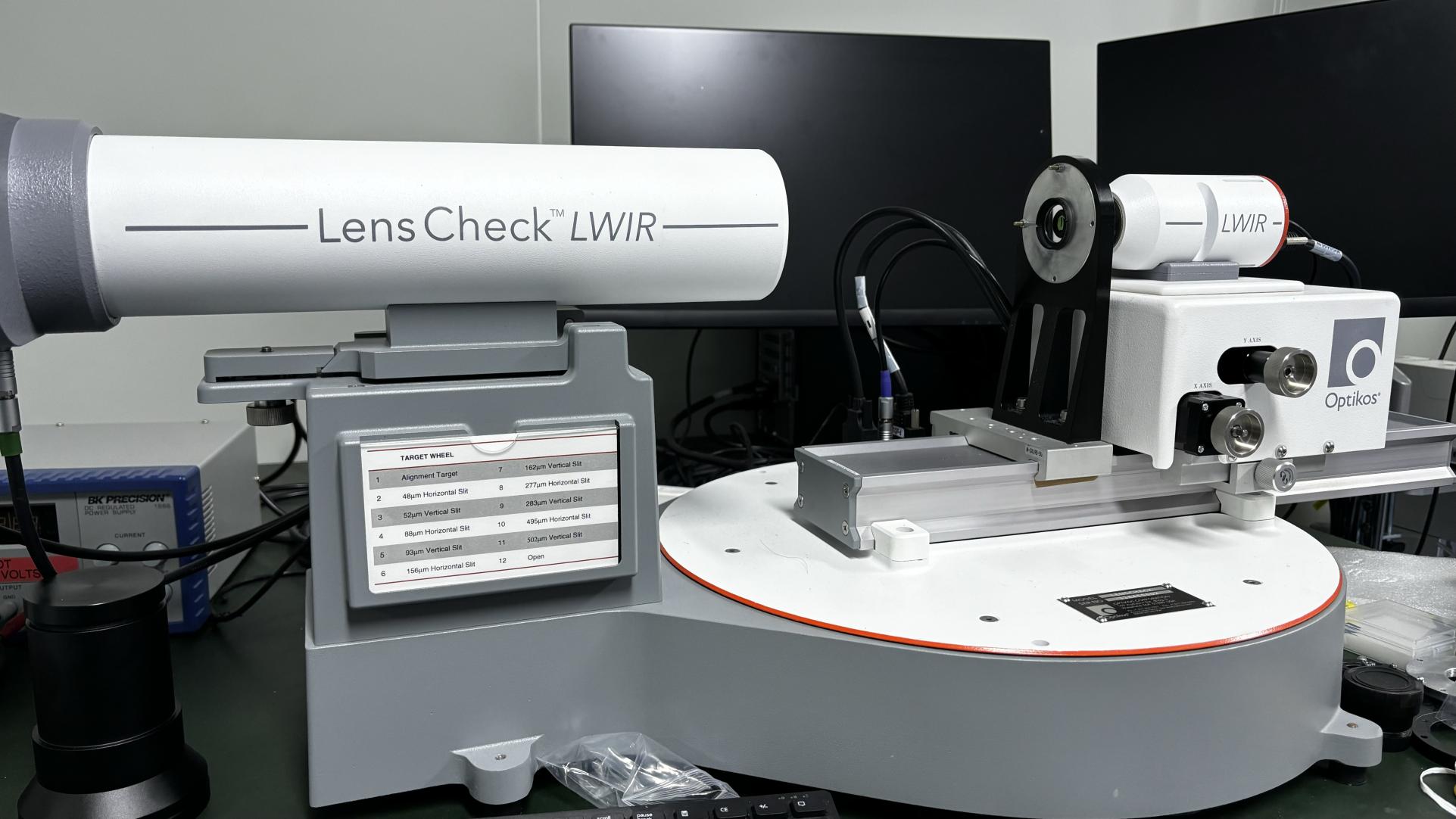
Quality is embedded throughout our manufacturing process. Tensorium maintains strict quality control standards with a dedicated team of 45 quality inspectors. Every product undergoes comprehensive inspections, including component verification, assembly inspection, system integration testing, burn-in testing, thermal performance validation, stability testing, and final quality assurance before shipment.
With strong OEM and ODM capabilities, we provide flexible customization options including GPU configuration, CPU platform selection, storage architecture, networking solutions, rack integration, branding services, and complete AI infrastructure deployment support. Our engineering team works closely with customers to deliver solutions optimized for their specific workloads and business objectives.
Global procurement teams face complex operational decisions when integrating liquid cooling architectures into new or existing facilities. Thermal solutions must align with regional safety codes, infrastructure requirements, and supplier service level agreements (SLAs).
Implementing direct-to-chip or immersion cooling systems requires professional installation, Commissioning Agent (CxA) coordination, and ongoing support. Tensorium supports global deployments with comprehensive technical manuals, step-by-step digital commissioning protocols, and engineering support services. We assist local system integrators with loop filling, pressure validation, and system start-up diagnostics.
All customized cooling structures and computing systems manufactured by Tensorium conform to global safety and environmental directives, including:
Answers to common technical, manufacturing, and logistical questions from system architects and procurement teams.
Highly compatible, high-density server configurations, components, and network systems engineered for modern computing operations.