Tensorium
Tensorium
Tensorium
Explore our premium range of computing hosts, high-performance RAID controllers, and large-capacity drives engineered to prevent data loss and ensure rapid disaster recovery.
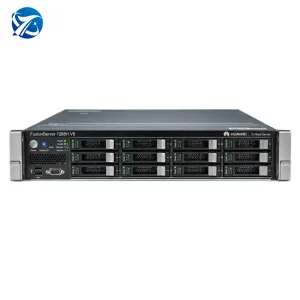
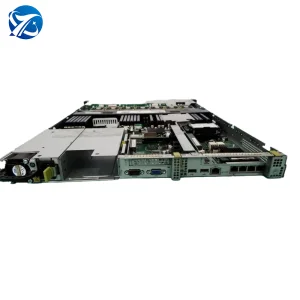
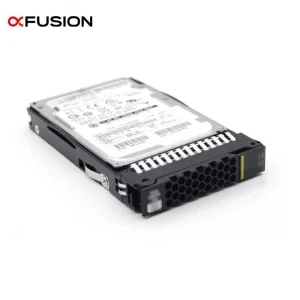
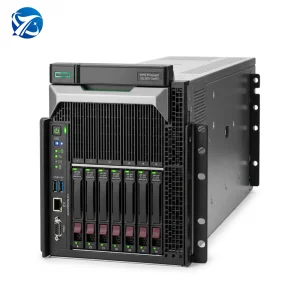
In the era of hyper-scale computing, distributed AI architectures (such as deep learning models), and multi-petabyte datasets, data is the most critical asset of any modern organization. However, data loss events caused by hardware decay, silent data corruption, thermal instability, and sudden power failures continue to pose existential threats to global enterprises. While software-defined storage (SDS) and logical snapshots offer a layer of protection, true data resilience starts at the physical tier. As a premier provider, Tensorium Intelligent Technology Co., Ltd. builds the foundational storage hardware, hyper-converged nodes, and high-performance RAID subsystems that power the world's most resilient backup and data recovery platforms.
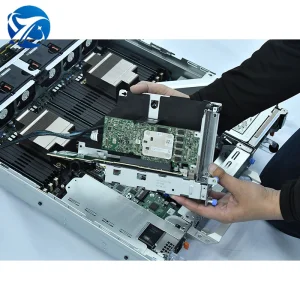
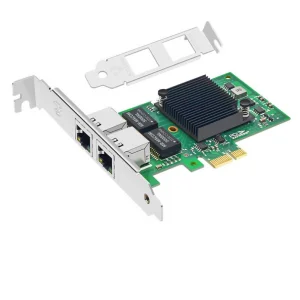
Traditional recovery paradigms focused on post-incident retrieval—extracting data from damaged magnetic platters or degraded flash memory cells. Today’s enterprise-grade recovery solutions focus on *preventative high-availability architectures* combined with *ultra-fast reconstruction arrays*. By deploying advanced controller cards such as the 9560-8I Tri-Mode RAID Controller, which features 4GB of onboard cache and PCIe Gen 4.0 interfaces, companies achieve real-time write-journaling and failover. These hardware interfaces permit zero-latency mirroring across SAS/SATA/NVMe drive pools, drastically reducing both Recovery Time Objectives (RTO) and Recovery Point Objectives (RPO).
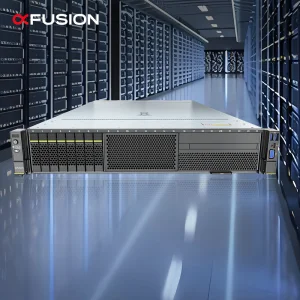
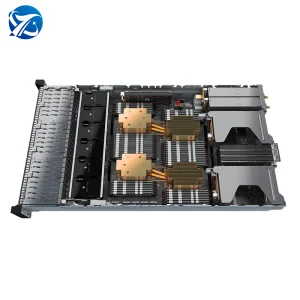
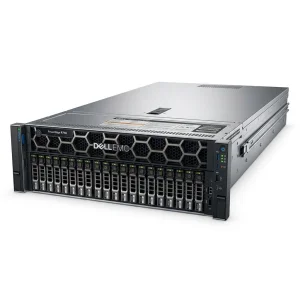
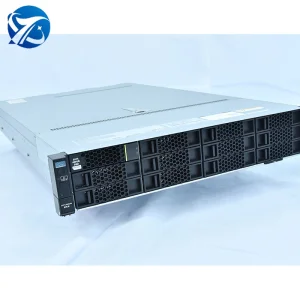
Furthermore, the deployment of dual-socket platforms like the xFusion FusionServer 2288H V6 or the Dell PowerEdge R760 ensures that compute processes associated with real-time data integrity monitoring, block-level deduplication, and high-throughput encryption can run concurrently without bottlenecking system storage buses.
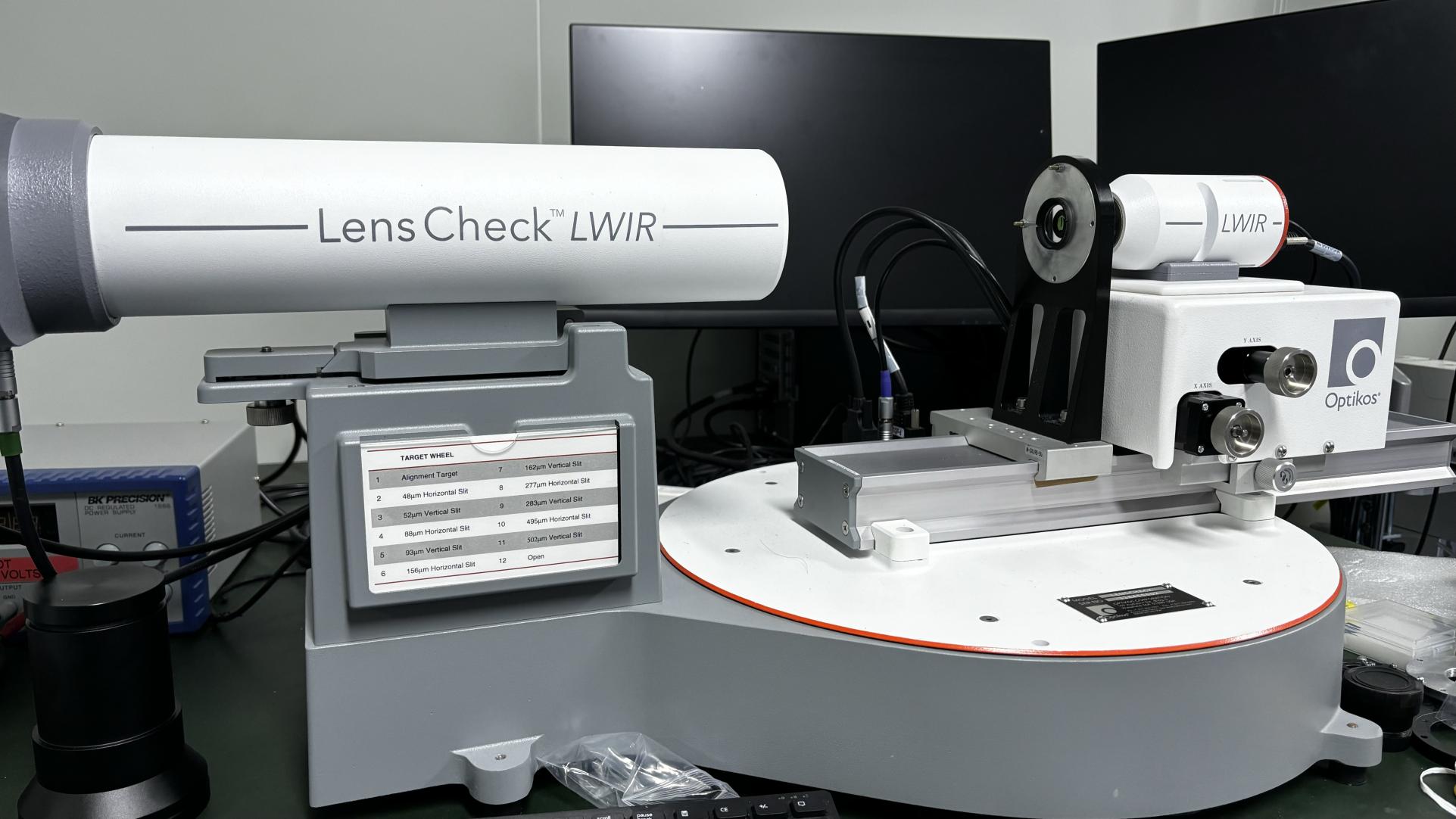
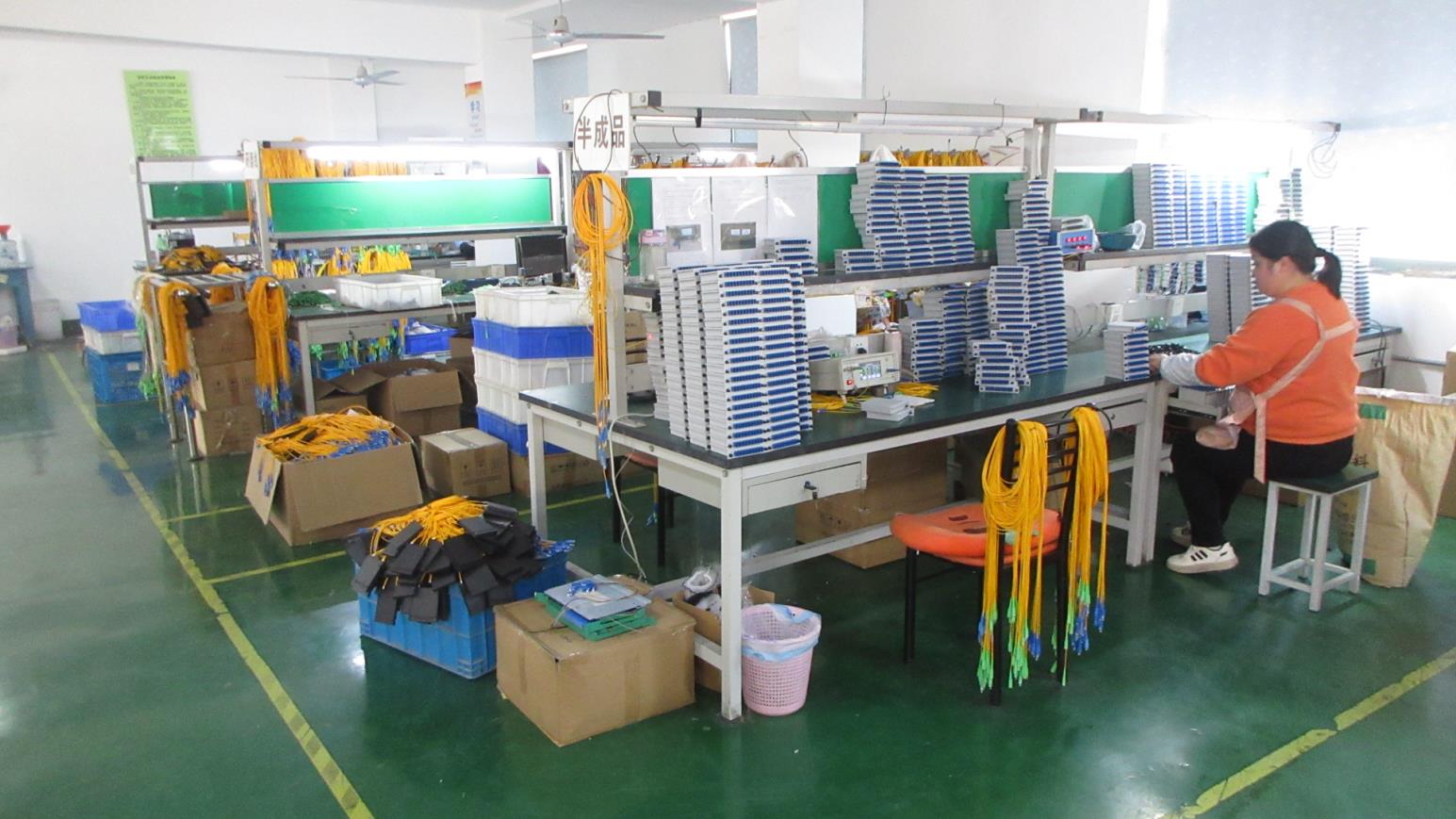
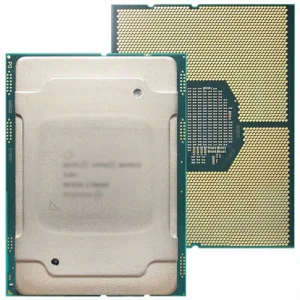
Data recovery is inherently more expensive than proactive, hardware-based fault mitigation. When configuring enterprise clusters, utilizing server architectures with redundant power supplies, hot-swappable drive brackets, and advanced heat sinks (such as those optimized for Xeon Gold processors) mitigates the leading cause of logical corruption: thermal throttling and unexpected outages. In typical Chinese manufacturing ecosystems, our testing facilities run continuous burn-in processes to ensure that controllers, NVMe SSDs, and mechanical HDDs can withstand long-term read/write stress cycles, ensuring that when a recovery array is called into action, it performs flawlessly.
Leveraging 14 years of industry experience and state-of-the-art Chinese manufacturing nodes to safeguard global data repositories.
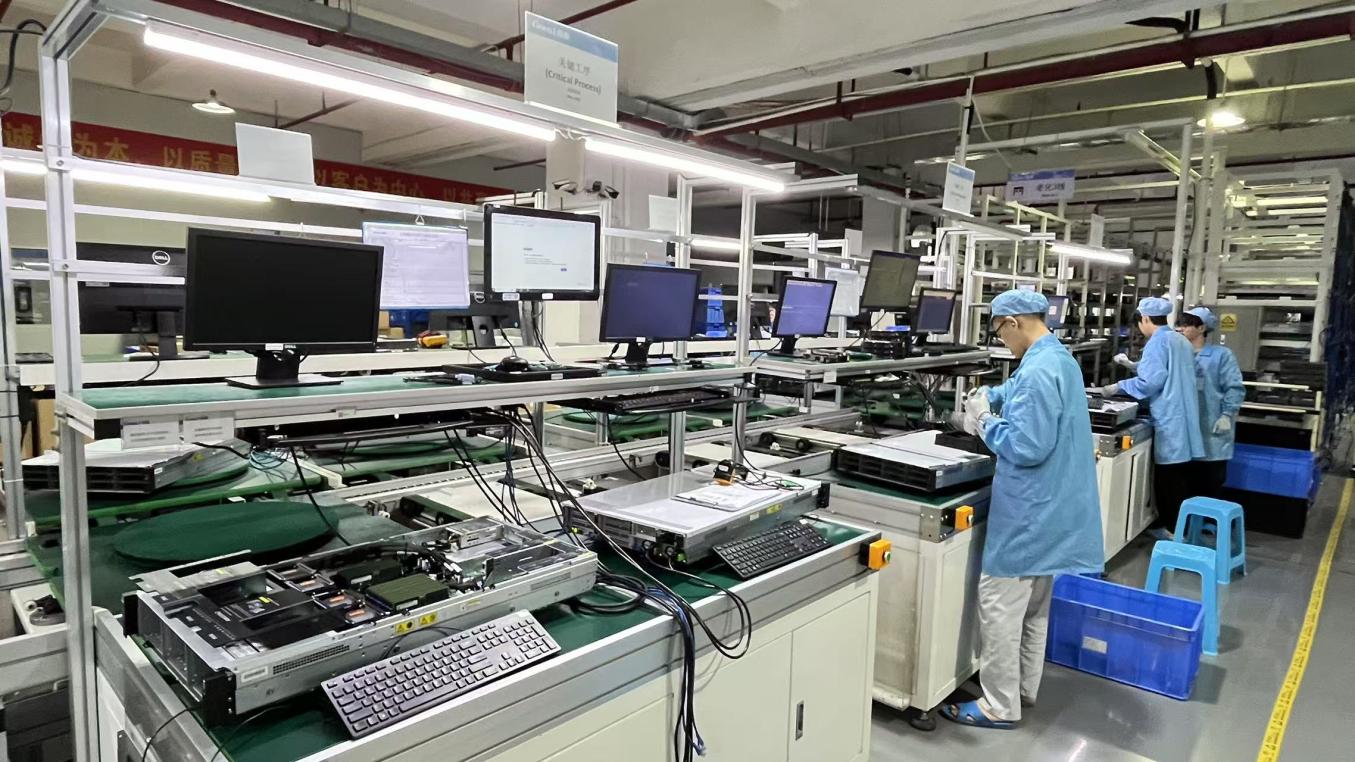
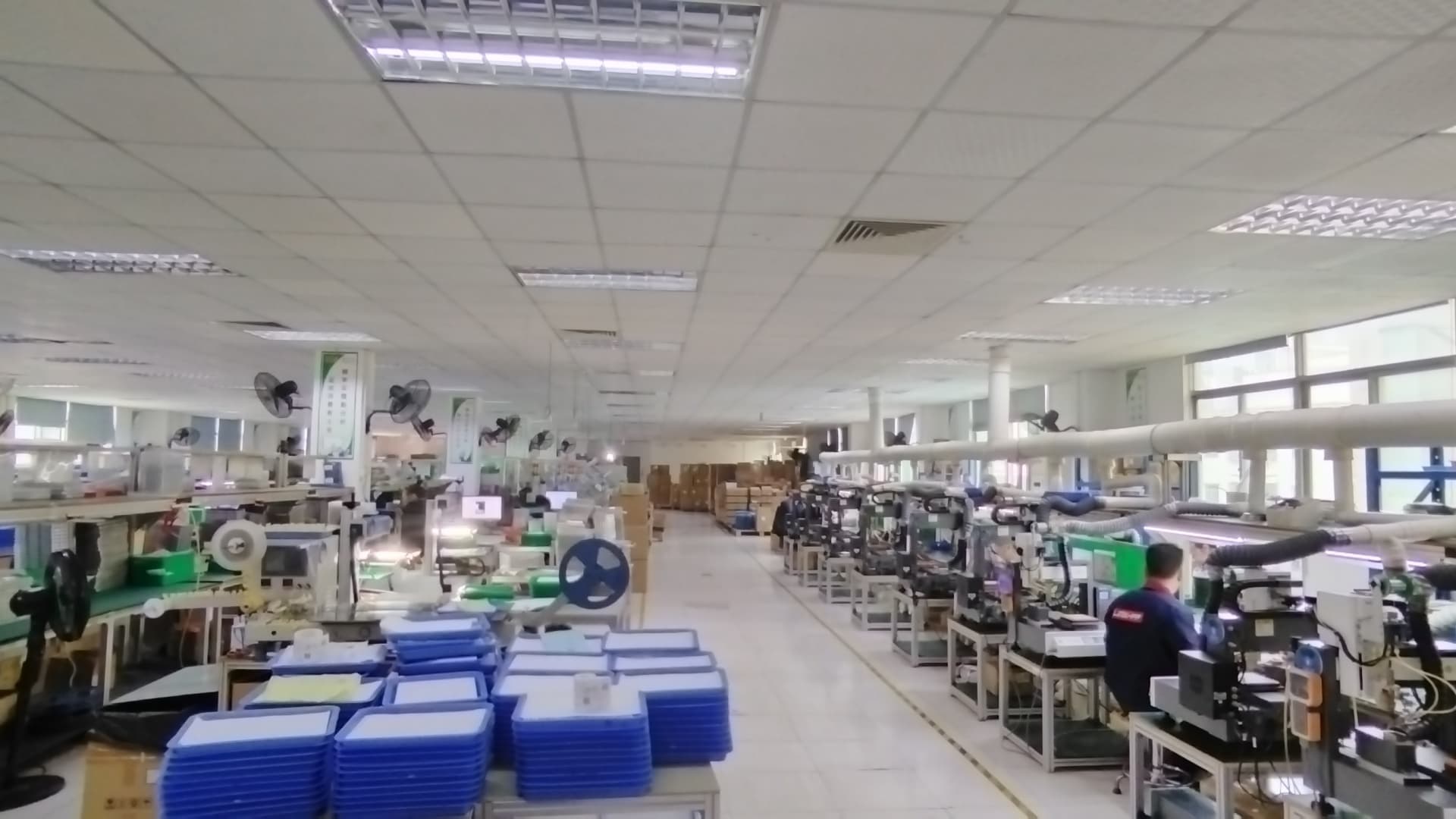
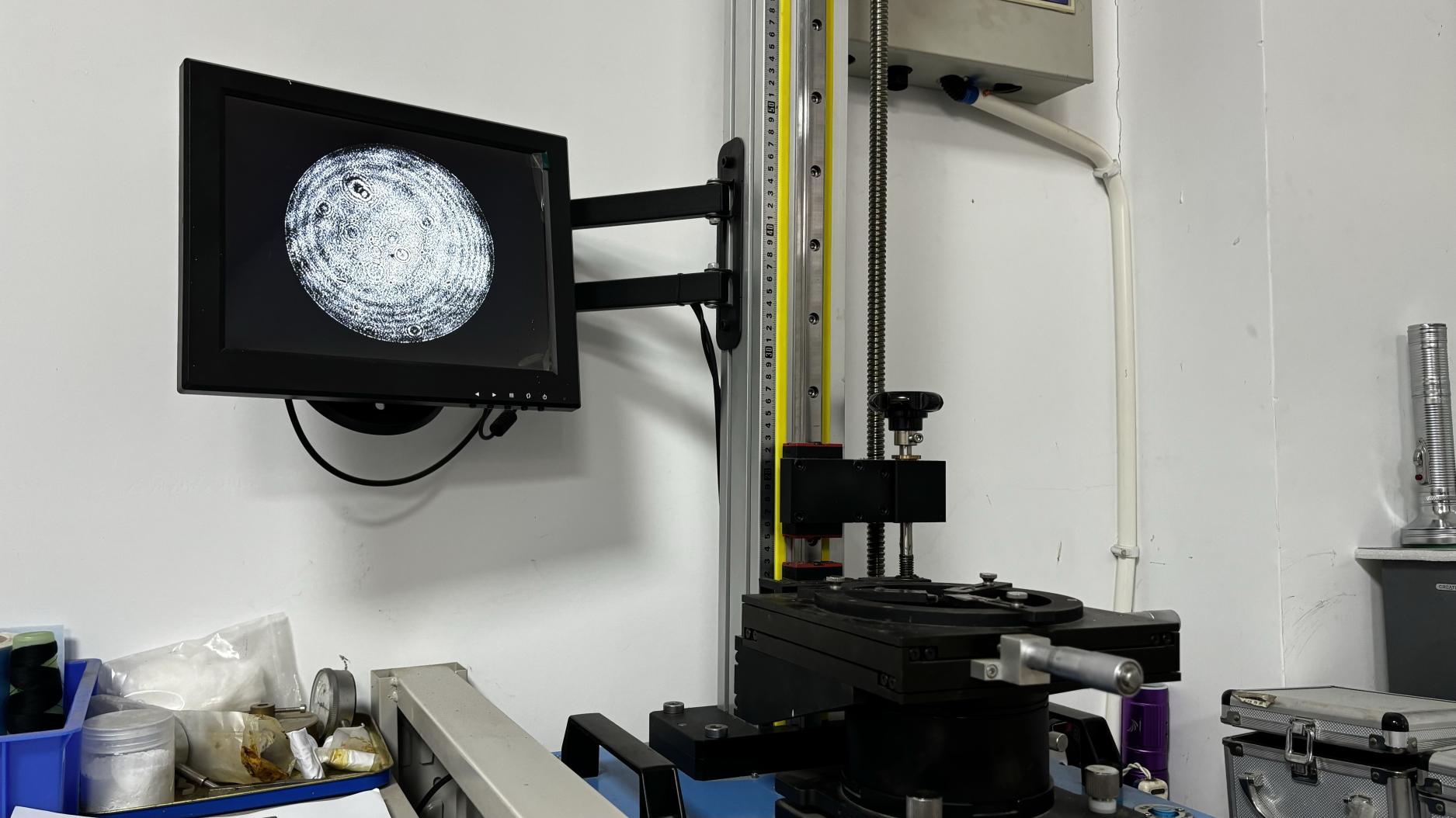
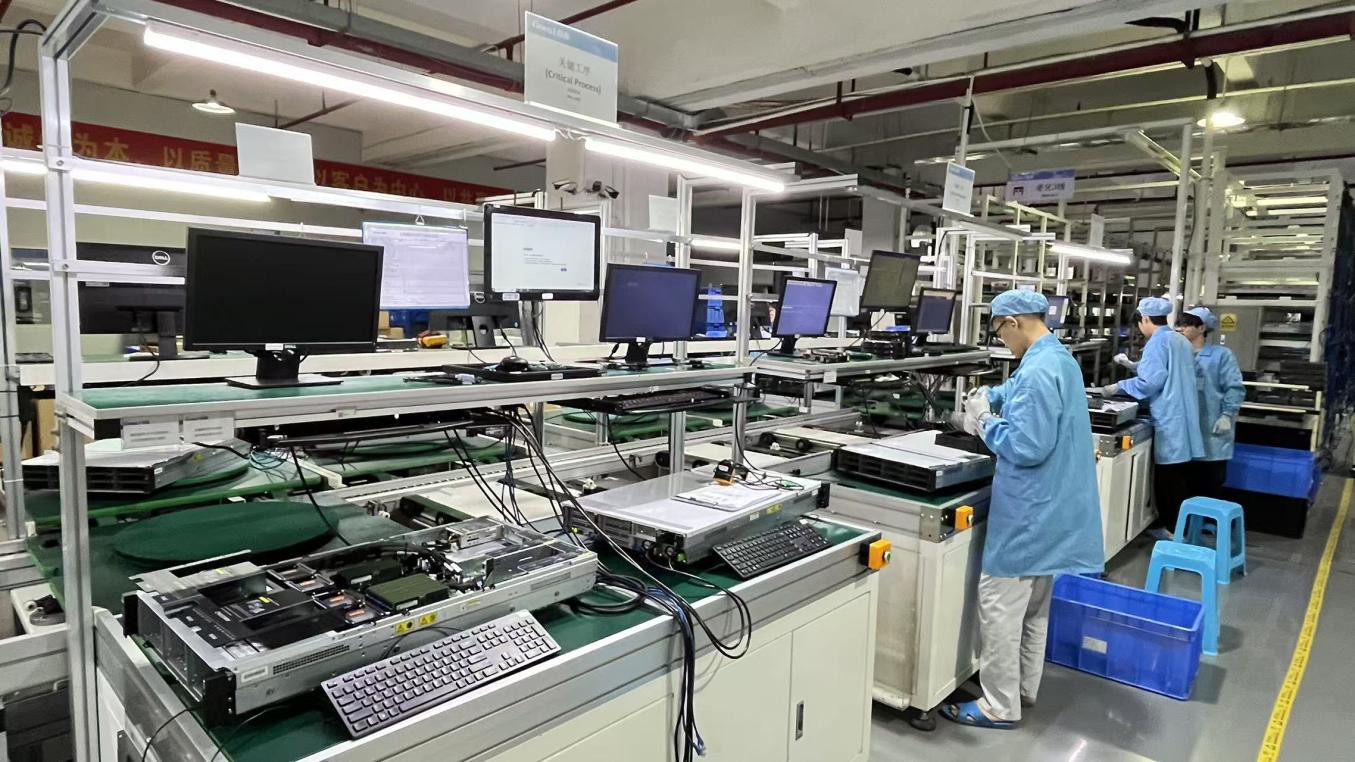
At Tensorium Intelligent Technology Co., Ltd. (founded in 2016 in Guangdong, China), we construct the foundation of data recovery platforms. Our 380㎡ manufacturing and validation laboratory is dedicated to systemic testing, hardware configuration customization, and structural stress validation.
Every storage server, NAS workstation, and SSD/HDD array shipped to North America, Europe, the Middle East, and Southeast Asia undergoes exhaustive testing regimens:
Legacy storage environments suffered from strict silo divisions between SATA, SAS, and NVMe. Today's business intelligence demand has catalyzed the adoption of Tri-Mode controllers. Tri-Mode infrastructure allows SCSI commands, SAS protocols, and PCIe-based NVMe transport layers to operate across a single, integrated backplane. This means if an NVMe SSD experiences blocks degeneration, the controller can seamlessly switch write paths to backup SAS arrays without stopping virtual machines. This creates a highly resilient environment that minimizes data loss before recovery protocols even need to be activated.
By integrating AI compute clusters (such as deep learning algorithms running on modern GPU host nodes) with storage backplanes, enterprise data centers can predict drive failures up to 14 days before they manifest. By evaluating fluctuations in rotational vibration, write amplification indexes, and silicon thermal expansion, these systems pre-emptively migrate critical datasets to redundant nodes, rendering traditional, high-risk physical drive recoveries obsolete.
As modern data grows exponentially, traditional block storage reaches scaling thresholds. Organizations are opting for ultra-dense 2U servers loaded with high-capacity 16TB or 20TB Enterprise SATA drives. By utilizing systems like the FusionServer 1288H V5 or the 2288H V6, administrators can scale out network-attached storage architectures that ingest backup snapshots in parallel across multi-gigabit fiber switches, resulting in secure, distributed data resilience.
From component aggregation to rigorous reliability screening, the Guangdong industrial supply chain ensures maximum value and reliability.
Guangdong houses the world's most dense cluster of semiconductor, storage media, and PCB manufacturers. Tensorium coordinates with over 1,200 trusted partners to ensure components are sourced, integrated, and validated within short lead times.
We provide full hardware-level tailoring: from flashing custom recovery BIOS routines and configuring specific cache poolings on SAS controllers to custom rack integrations and corporate branding configurations.
Our dedicated team of 45 quality control specialists performs real-world recovery workloads, verifying drive health metrics and ensuring zero block failures prior to overseas dispatch.
When an enterprise sources backup arrays from Tensorium, the components undergo strict integration procedures. Our R&D engineers coordinate to map memory speeds, storage configurations, and host server thermal constraints. By tailoring cooling setups for servers like the Dell PowerEdge R750 or our high-performance DeepSeek AI storage clusters, we reduce storage degradation caused by thermal retention, extending the lifetime of SSDs and mechanical drives.
Challenge: An international financial institution requires a backup solution that guarantees under 5-minute RTO for transaction ledgers while keeping hardware acquisition costs manageable.
Solution: A localized cluster of xFusion FusionServer 2288H V6 nodes configured with 9560-8I Tri-Mode RAID Controllers and high-capacity Enterprise SATA HDDs. The server hosts instant recovery hypervisors, processing block-level syncs from the primary database. In the event of primary database corruption, the localized array mounts storage snapshots directly to the network, enabling instant business continuity.
Challenge: An AI training center utilizing high-density GPU clusters requires high-performance failover arrays to prevent training progress loss if an NVMe array crashes.
Solution: DeepSeek AI storage systems integrated with enterprise-grade SAS arrays and SATA SSDs. The high-performance compute nodes utilize our low-latency SAS drives to periodically checkpoint model weights, ensuring that training runs can resume from the latest epoch with minimal data loss.
Addressing core technical questions from IT directors, infrastructure architects, and hardware procurement leads.
Tri-Mode controllers handle SAS, SATA, and NVMe drives using a high-throughput PCIe Gen 4.0 interface. With onboard DDR4 cache (up to 4GB) and hardware-based XOR engines, they can recalculate parity data rapidly. In the event of a disk failure in a RAID 5 or RAID 6 array, the rebuild operation is managed by the controller processor rather than taxing the host CPU, allowing for faster drive recovery and minimizing performance degradation on active workloads.
Physical issues, such as high vibration levels in multi-drive enclosures, can lead to silent write failures and array crashes. By performing physical thermal mapping and chassis vibration testing at our factory, we ensure that high-capacity mechanical drives and SSDs operate within their optimal parameters, significantly reducing structural disk wear and data corruption risks.
We customize system parameters for business clients, including configuring custom PCIe lane allocations, pre-configuring RAID levels before delivery, adjusting disk write-back cache options, and setting up IPMI/iLO notification triggers. This ensures that when the equipment arrives, it is ready to be integrated into your existing network backup framework.
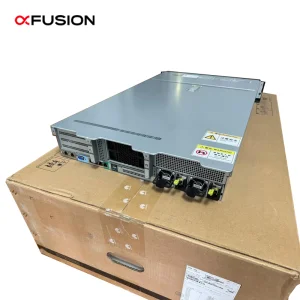
We manage complex global logistics requirements, securing necessary certifications and ensuring compliant customs declarations for North America, Europe, the Middle East, and Southeast Asia. Our export infrastructure ensures that all servers, disk drives, and RAID controllers are packed in anti-static, shock-absorbing materials to prevent damage during transport.
Complete your deployment with high-density server configurations, storage drives, and components from our hardware line.