Tensorium
Tensorium
Tensorium
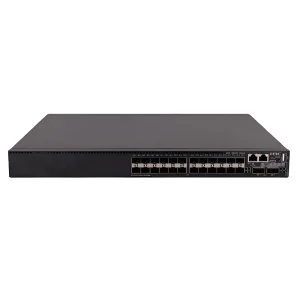
Primary core optical switches and high-density computing arrays deployed for Boston metropolitan enterprises.
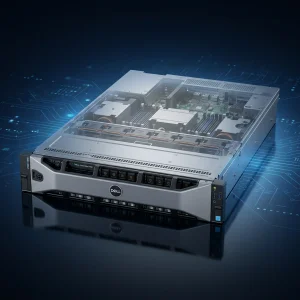
Greater Boston constitutes one of the world's most sophisticated technology, biotech, and research ecosystems. From the highly concentrated innovation engines of Kendall Square in Cambridge to the expansive tech corridors lining Route 128 (I-95) and I-90, the region demands an incredibly resilient, high-speed, and secure networking infrastructure. This demanding ecosystem shapes how enterprise networking switches and edge architectures are deployed across New England.
For organizations operating in Boston, network design is not merely about standard connectivity; it is a critical driver of core R&D viability. In the life sciences sector, which anchors the local economy, advanced computing environments rely on high-capacity local area networks (LANs) and storage area networks (SANs) to handle astronomical amounts of genomic sequencing and molecular modeling data. Network switch architectures in these environments must guarantee packet integrity while preventing bottlenecks at the core layer.
Furthermore, the density of prestigious universities, including MIT, Harvard, Boston University, and Northeastern, creates an unmatched demand for academic supercomputing infrastructure. These institutions run massive parallel-processing compute clusters that rely on low-latency Layer 2/3 optical core switches to coordinate workloads between high-performance GPU arrays and multi-petabyte NVMe-over-Fabrics (NVMe-oF) storage arrays.
As a major manufacturer and strategic supplier, we design network switches that directly address the specialized operating environments of New England's leading industries.
Through rigorous manufacturing excellence in China and direct-to-enterprise logistics, Tensorium Intelligent Technology Co., Ltd. bridges the gap between hardware production and real-world deployment.
The networking industry is undergoing a paradigm shift driven by the explosion of machine learning, hyperscale datacenters, and distributed edge frameworks. In our R&D divisions, we continuously track these technology inflection points to build switches that remain relevant through multiple refresh cycles.
As data ingestion rates soar, core backbones must scale. Standard 10G/40G configurations are giving way to 100G, 400G, and 800G infrastructures in research datacenters. Our upcoming hardware generations incorporate high-density silicon photonics and PAM4 modulation to achieve unprecedented bandwidth density per rack unit (RU), helping organizations reduce structural power consumption and optimize physical cabling.
Traditional pluggable transceivers hit physical limitations regarding thermal dissipation and signal degradation at higher speeds. Co-Packaged Optics (CPO) relocates the optical conversion layer directly onto the silicon substrate next to the switch ASIC. This radical design reduces power consumption by up to 30%, a crucial dynamic for Boston metropolitan installations targeting strict municipal sustainability guidelines.
Modern networks are too complex for manual CLI configurations. The integration of Intent-Based Networking (IBN) allows enterprise operators in Boston to define high-level security and performance policies while AI controllers automate the provisioning, routing, and troubleshooting of L2/L3 infrastructure. Our switches integrate seamless open telemetry APIs, facilitating granular, real-time logging and immediate anomaly detection.
Navigating geopolitical shifts, hardware allocation delays, and component shortages requires an agile manufacturing partner. Tensorium leverages the world's most concentrated technology hardware cluster in Guangdong, China, to deliver reliable hardware availability.
By working with over 1,200 trusted supply chain partners, Tensorium secures priority access to raw silicon, PCB substrates, advanced ASICs, high-quality power components, and optical modules. This robust ecosystem insulates our production timelines from the typical market volatility that delays tier-one Western OEM deliveries by months.
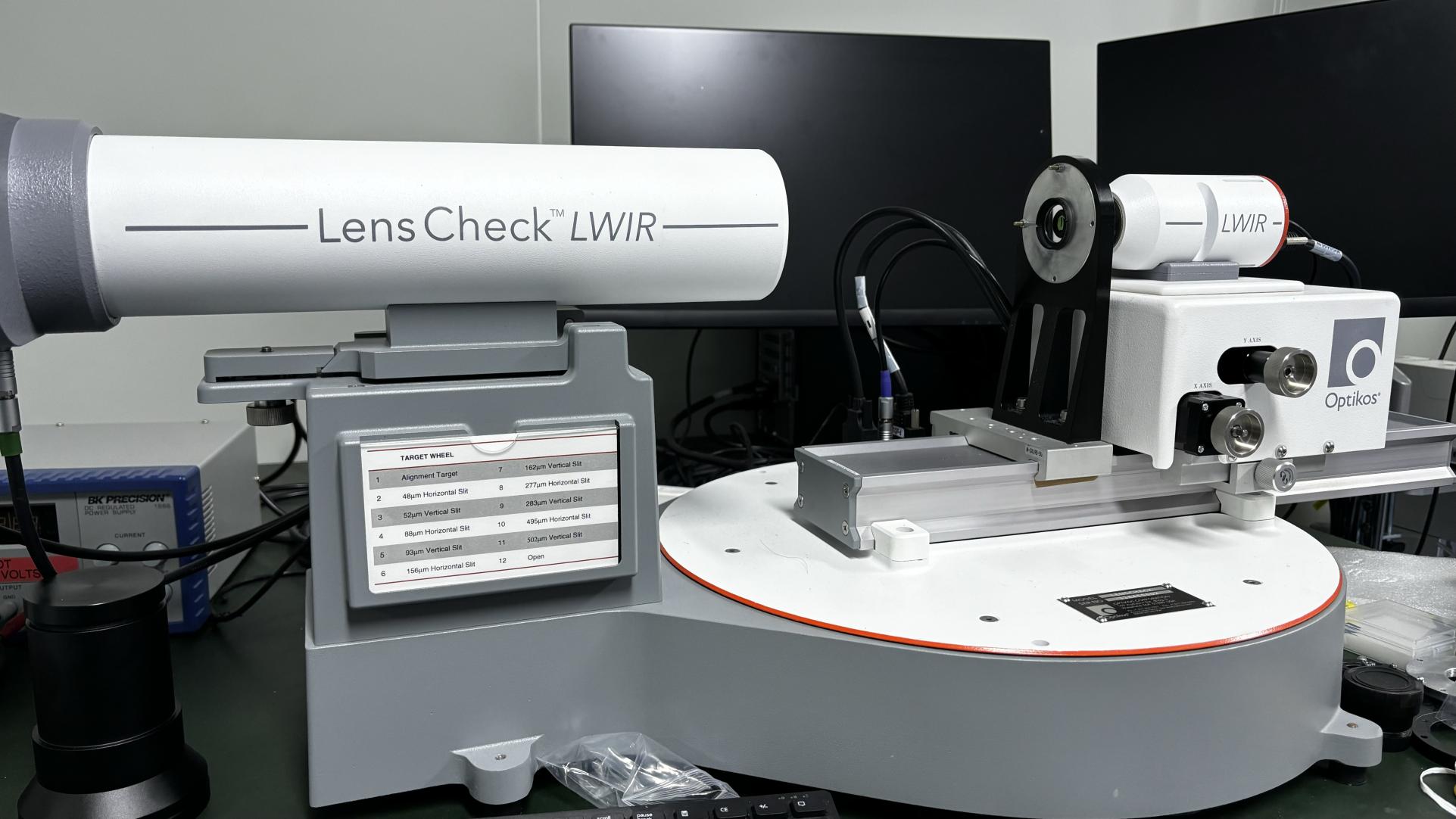
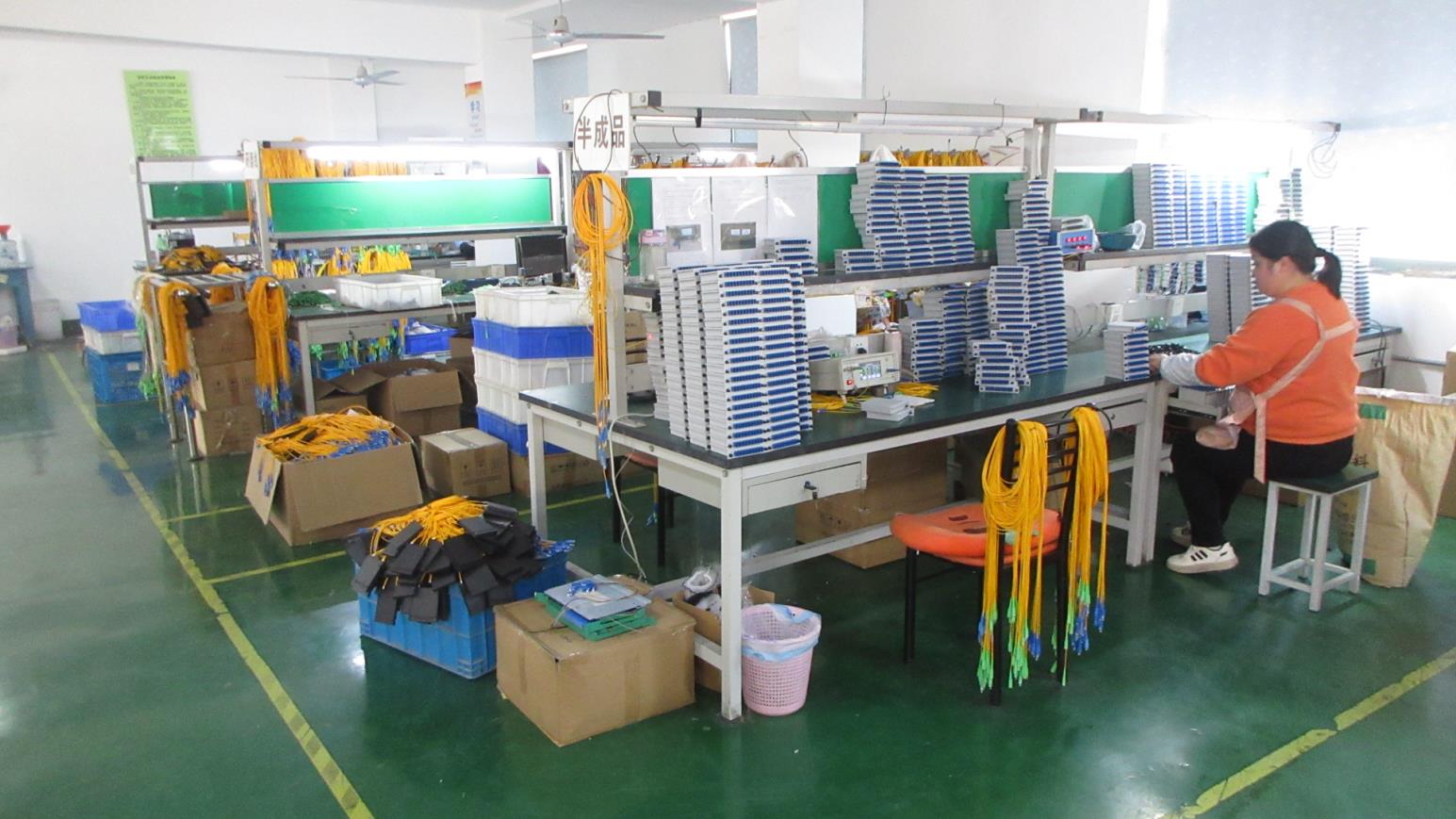
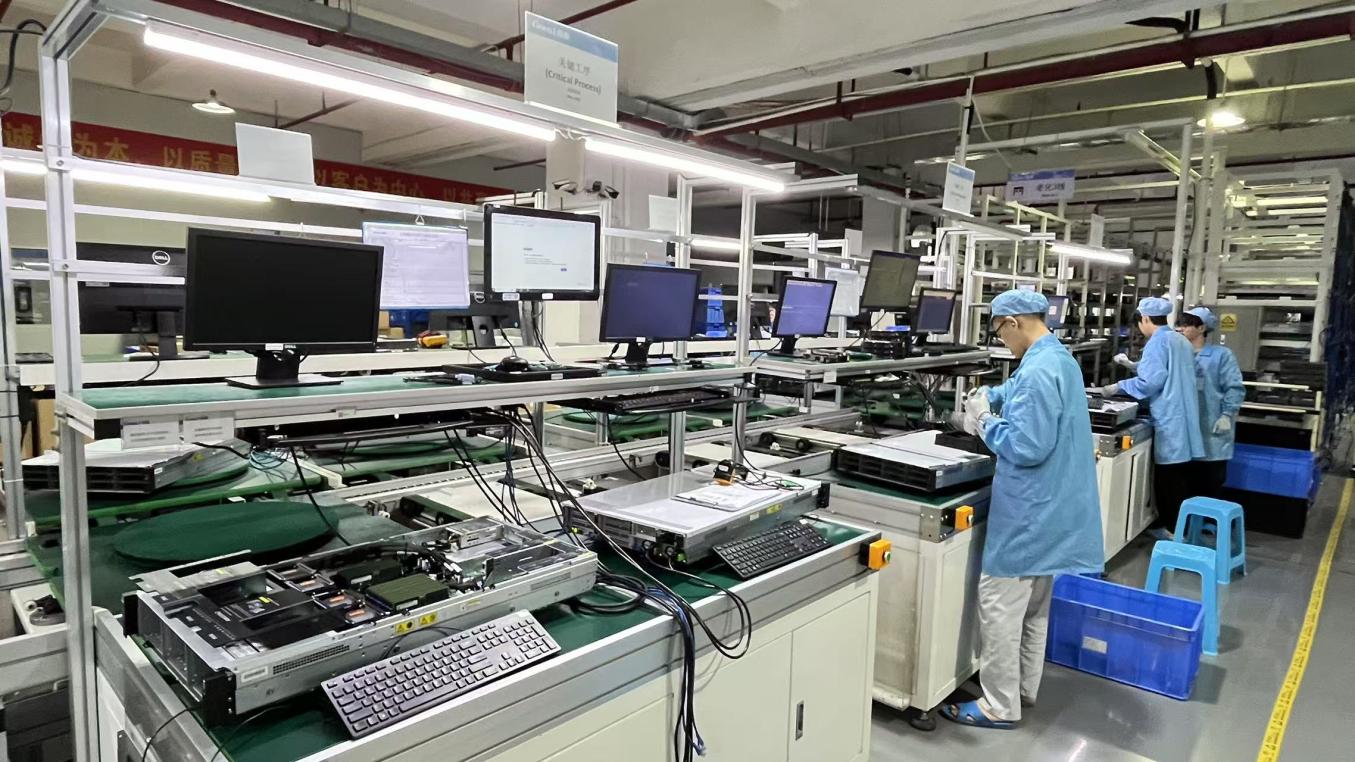
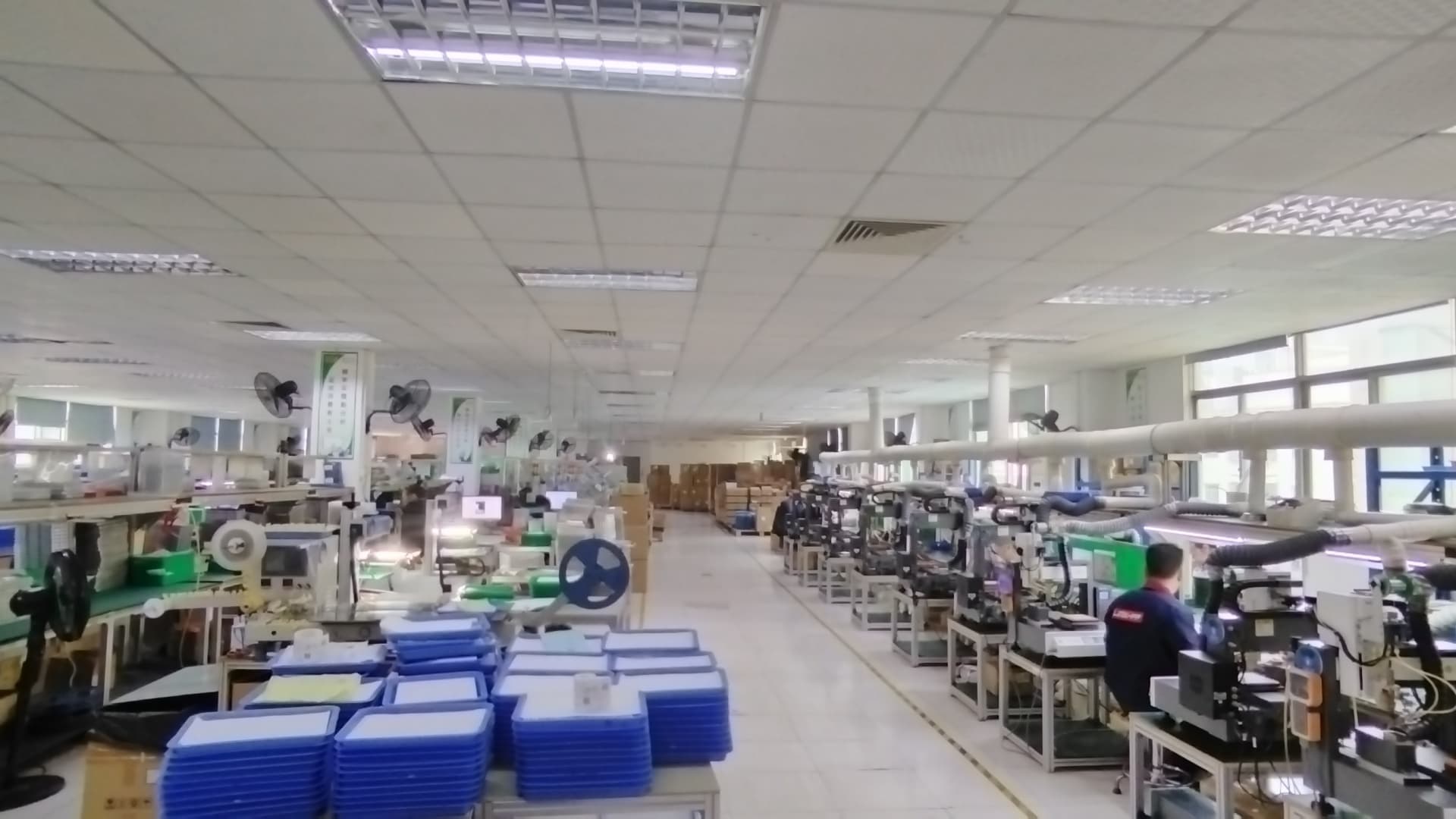
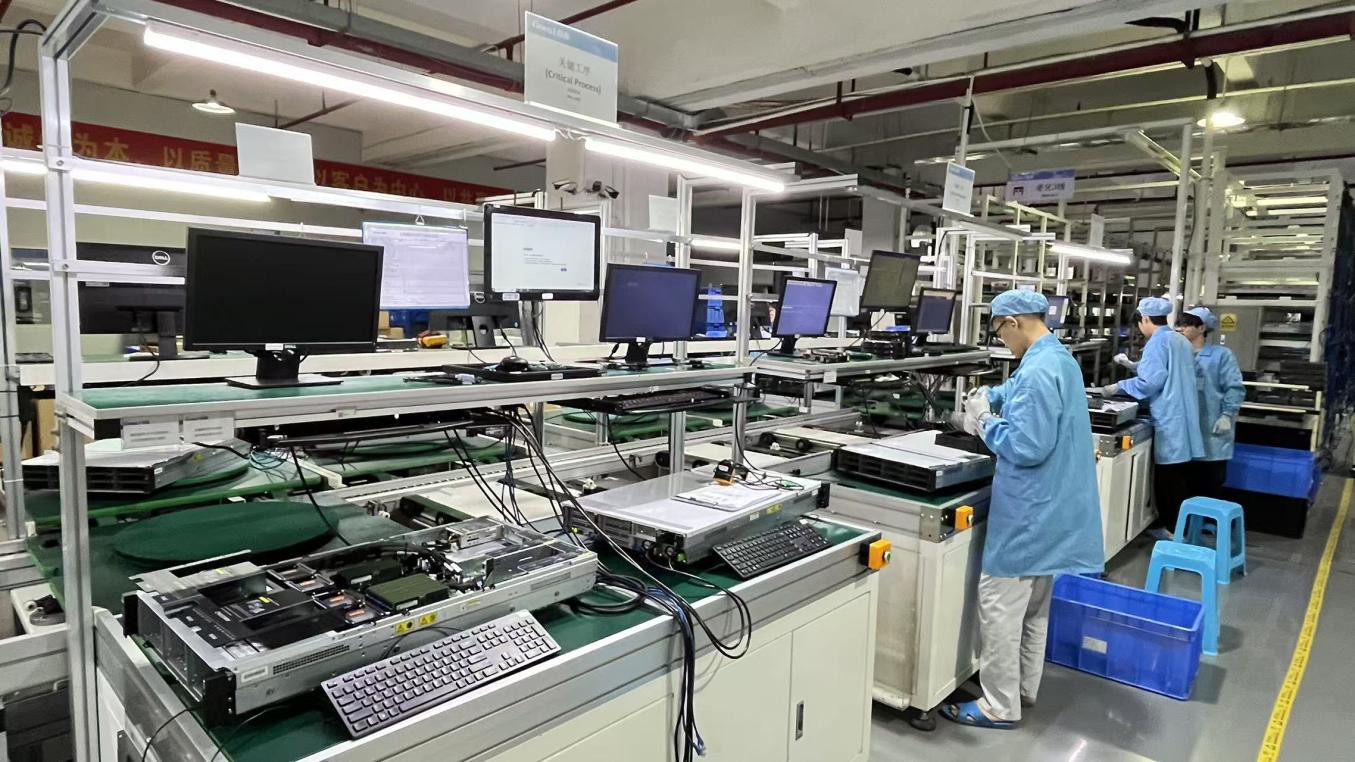
Our facility operates under strict vertical integration. From design validation to electronic component assembly, surface-mount technology (SMT) lines, chassis fabrication, and comprehensive automated testing, we control the entire lifecycle. This eliminates intermediate markups, allowing us to pass significant cost savings down to the end system integrator or enterprise client in Boston.
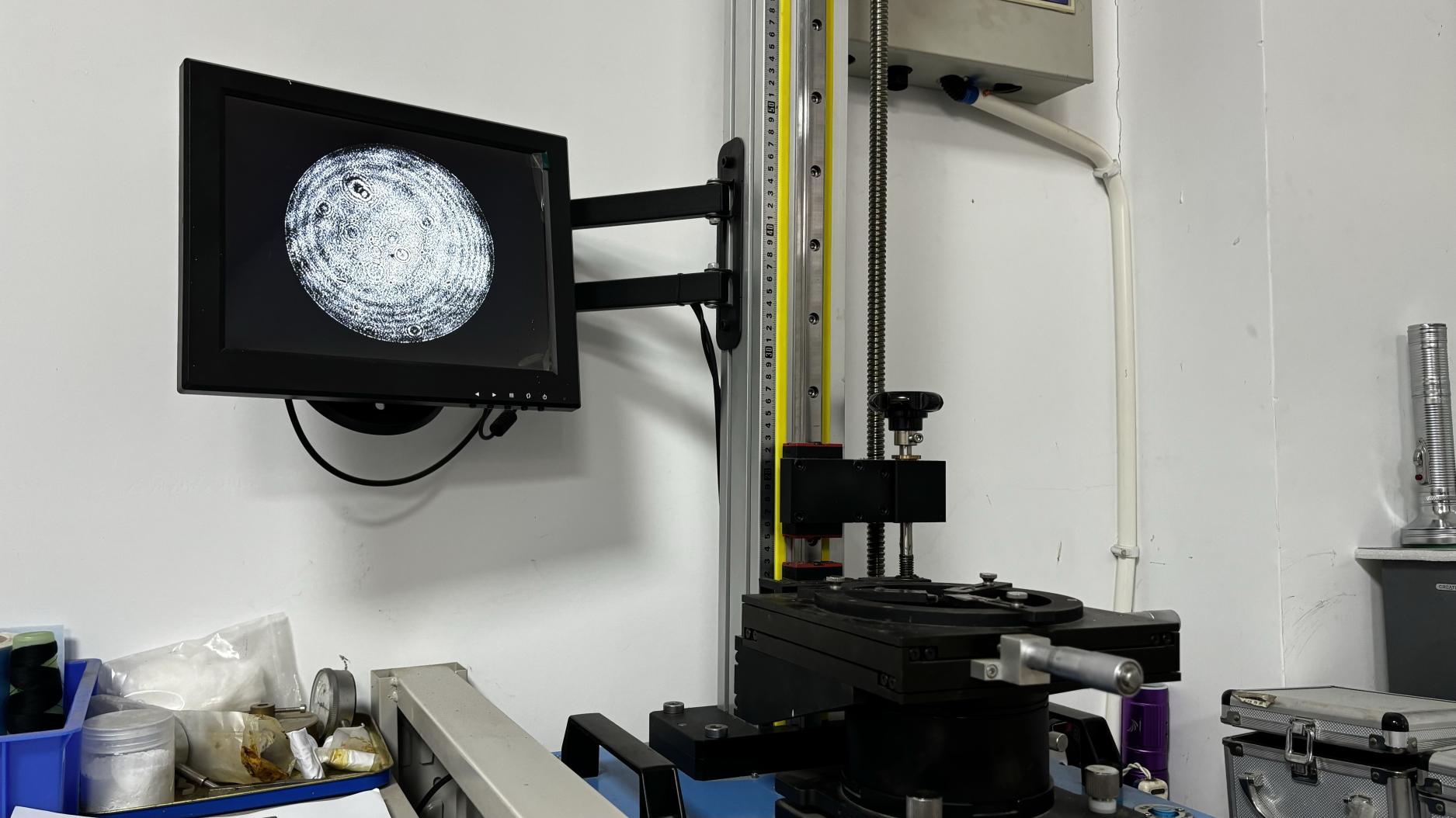
A network switch serves as the central artery of data movement. Tensorium employs a rigorous 45-person quality inspection team that oversees a five-stage verification pipeline:
Founded in 2016, Tensorium Intelligent Technology Co., Ltd. is a professional manufacturer and global supplier of high-performance AI GPU servers, GPU clusters, and intelligent computing infrastructure solutions. We specialize in delivering reliable, scalable, and customized computing platforms for artificial intelligence training, inference, deep learning, HPC, and enterprise data center applications.
Located in Guangdong, China, Tensorium operates a modern manufacturing facility and serves customers across North America, Europe, the Middle East, Southeast Asia, and other global markets. With years of experience in the AI computing industry, we have established a strong reputation for product quality, engineering expertise, and responsive customer service.
Our annual export revenue exceeds USD 18 million, supported by an extensive supply chain network of more than 1,200 trusted partners worldwide. We work closely with AI startups, cloud service providers, system integrators, research institutions, enterprise customers, and data center operators seeking high-performance computing solutions.
Innovation is at the core of our business. Our R&D team consists of over 120 experienced engineers dedicated to developing advanced GPU server architectures, AI cluster solutions, and customized computing systems. Last year alone, we successfully launched more than 80 new products and configurations tailored to emerging AI workloads and evolving customer requirements.
Deploying high-density routing hardware into Boston and broader New England enterprise datacenters requires strict adherence to international and regional electrical, radio-frequency, and environmental regulations.
All hardware produced by Tensorium conforms to FCC Class A/B standards, ensuring minimal electromagnetic interference with sensitive laboratory electronics. Our systems are certified under UL, CE, and RoHS, ensuring safe operational deployment under rigorous datacenter conditions. We coordinate with local system integrators to supply custom optical transceiver models tuned specifically to existant fiber backplanes, reducing physical integration issues during deployment phases.
Select from our comprehensive list of GPU-optimized systems, edge nodes, and hardware components.