Tensorium
Tensorium
Tensorium
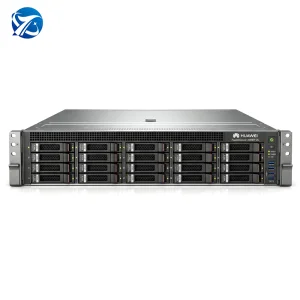
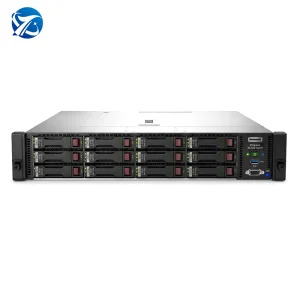
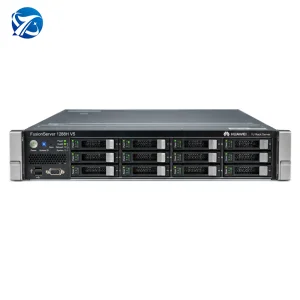
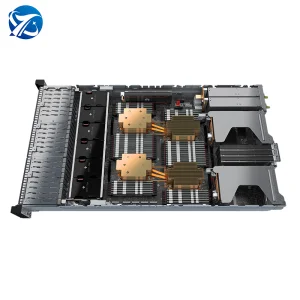
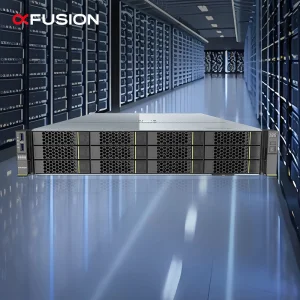
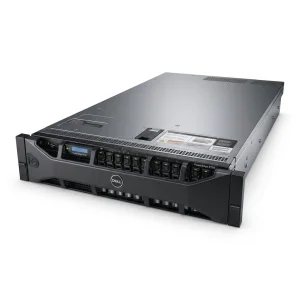
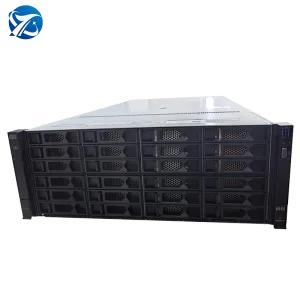
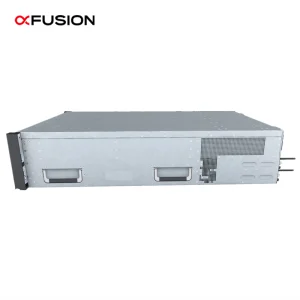
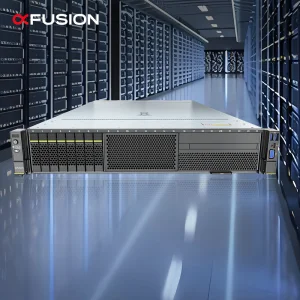
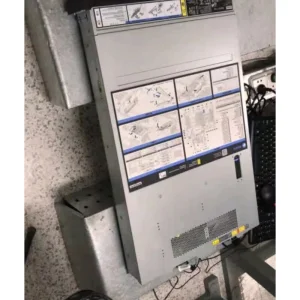
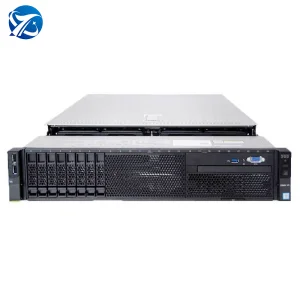
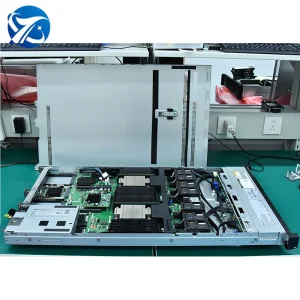
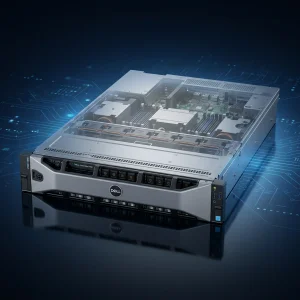
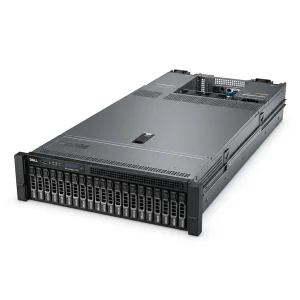
Reliable power architectures start with server hardware coordination. Below is our high-performance server inventory engineered to pair with our high-power-density intelligent rack Power Distribution Units (PDUs).
Whitepaper: How Power Infrastructure Adapts to Multi-GPU Accelerators and Extreme Rack Density
Modern data centers are undergoing a paradigm shift. The exponential growth of large-scale artificial intelligence models, such as DeepSeek, GPT architectures, and enterprise neural network deployments, has forced compute density to jump from an average of 5 kW per rack to upwards of 30 kW to 100 kW per rack. Standard baseline power rails are no longer capable of meeting the dynamic power draws and high thermal profiles generated by multiple high-density multi-socket servers and advanced GPU acceleration clusters.
Intelligent Power Distribution Units (iPDUs) form the core of high-availability cabinet designs. By offering precise level monitoring (both branch circuit and individual outlet metering) and remote outlet switching, modern operations can minimize unplanned downtime. Intelligent PDUs enable infrastructure managers to run predictive maintenance cycles, analyze real-time power metrics, and isolate faulty hardware strings before thermal runway or overload triggers an emergency power shutoff.
| PDU Type | Core Capability | Ideal Deployment Case |
|---|---|---|
| Basic | Reliable, filter-grade power strips | Legacy compute racks, static utilities |
| Metered | Local LCD load displays, prevents overload | Small scale local server rooms |
| Monitored | Remote SNMP monitoring, IP network connectivity | Colocation, Hyperscale cloud environments |
| Switched | Individual outlet on/off control, remote rebooting | Unattended Edge nodes, critical server racks |
Unlocking Cost Efficiency, Rapid Prototyping, and Certified Global Compliance
By leveraging China's dense electronics clusters in Guangdong, we procure relays, terminal strips, sheet metal casings, and circuit boards from domestic raw-material suppliers. This shortens the lead time for highly customized industrial orders down to 2-3 weeks, compared to western counterparts which may take months.
Exporting high-voltage equipment demands strict certification metrics. Our production facilities maintain active compliance databases under international safety frameworks, ensuring each unit meets global standards including UL 62368-1, CE, FCC, RoHS, and CCC requirements for direct integration into production networks.
Data center layouts often require unique configurations (e.g., specific outlet combinations like IEC C13/C19 mix, custom input cable lengths, overhead power entries, and color-coded chassis for A/B feed pathways). Our dedicated R&D team accommodates these unique modifications with robust engineering blueprints.
Adapting Power Rails to Diverse Electrical Grids and Server Cabinet Specs
For data centers operating under North American electrical grids, we design units capable of handling single-phase 120V (NEMA 5-15P/5-20P), split-phase 208V (NEMA L6-30P), and three-phase 208V/480V (NEMA L21-30P or Hubbell style). These solutions integrate robust UL-certified hydraulic-magnetic circuit breakers to manage the overcurrent demands of server cabinets.
High-voltage setups are increasingly common to reduce amperage and minimize cable gauge requirements, especially for power-hungry multi-node GPU clusters (such as deep learning training rings). Our specialized 415V three-phase PDUs split power efficiently into stable 240V paths direct to the power supply units (PSUs).
European, Middle Eastern, and Asia-Pacific configurations predominantly demand IEC 60309 standard industrial plugs (e.g., 16A/32A Blue single-phase or Red three-phase 400V/415V). Outlets inside these systems consist of highly dense IEC C13 and IEC C19 configurations, featuring mechanical locking clips or locking outlets to prevent unintentional disconnects during server maintenance.
Furthermore, local safety regulations like the UK's BS 1363 or Germany's Schuko plug standards are frequently requested for edge computing installations, utility rooms, and localized networking setups where direct enterprise connections are unavailable.
Key Technical Developments Powering Next-Generation Data Center Infrastructures
As liquid-cooling manifolds (CDUs) and rear-door heat exchangers become mainstream, PDUs must operate reliably in high-humidity and elevated thermal conditions (up to 60°C operating environments).
Real-time power tracking measures power usage effectiveness (PUE) at the rack level. High-accuracy internal billing-grade meters (+/-1% accuracy) help detect energy leaks and balance phases.
With smart PDUs connecting to main networking fabrics, standard IP communication relies on secure protocols like SNMP v3, HTTPS, SSH, and integration with RADIUS/LDAP servers.
To avoid taking server racks offline, modular control cards allow technicians to replace display boards and IP controllers without interrupting power flow to the connected machines.
How Modern Smart PDUs Resolve Operational Bottlenecks Across Diverse Computing Fields
In high-density server configurations with high-wattage requirements, standard single-phase power setups are insufficient. Here, a 3-Phase 32A or 63A PDU routes power directly into the rack. This enables balanced current distribution across three independent lines. Power is delivered cleanly to servers like the Dell R760 or FusionServer G5200 V5, minimizing voltage drops and reducing line loss across the server hall.
Edge nodes and remote branches rarely have dedicated IT staff on-site. Using a Switched PDU, network administrators can log in remotely via Web GUI or API to reboot frozen servers or switches. By power-cycling the specific outlet socket, expensive on-site technician visits are eliminated, drastically cutting operational overhead.
For multi-tenant colocation environments, granular power consumption tracking is critical. Monitored PDUs with outlet-level metering compile historical power usage data for billing purposes. Security is maintained because tenants can only access their specific PDU data feed via isolated SNMP strings, protecting intellectual property and maintaining multi-tenant privacy.
Tensorium Intelligent Technology Co., Ltd.
Founded in 2016, Tensorium Intelligent Technology Co., Ltd. is a professional manufacturer and global supplier of high-performance AI GPU servers, GPU clusters, and intelligent computing infrastructure solutions. We specialize in delivering reliable, scalable, and customized computing platforms for artificial intelligence training, inference, deep learning, HPC, and enterprise data center applications.
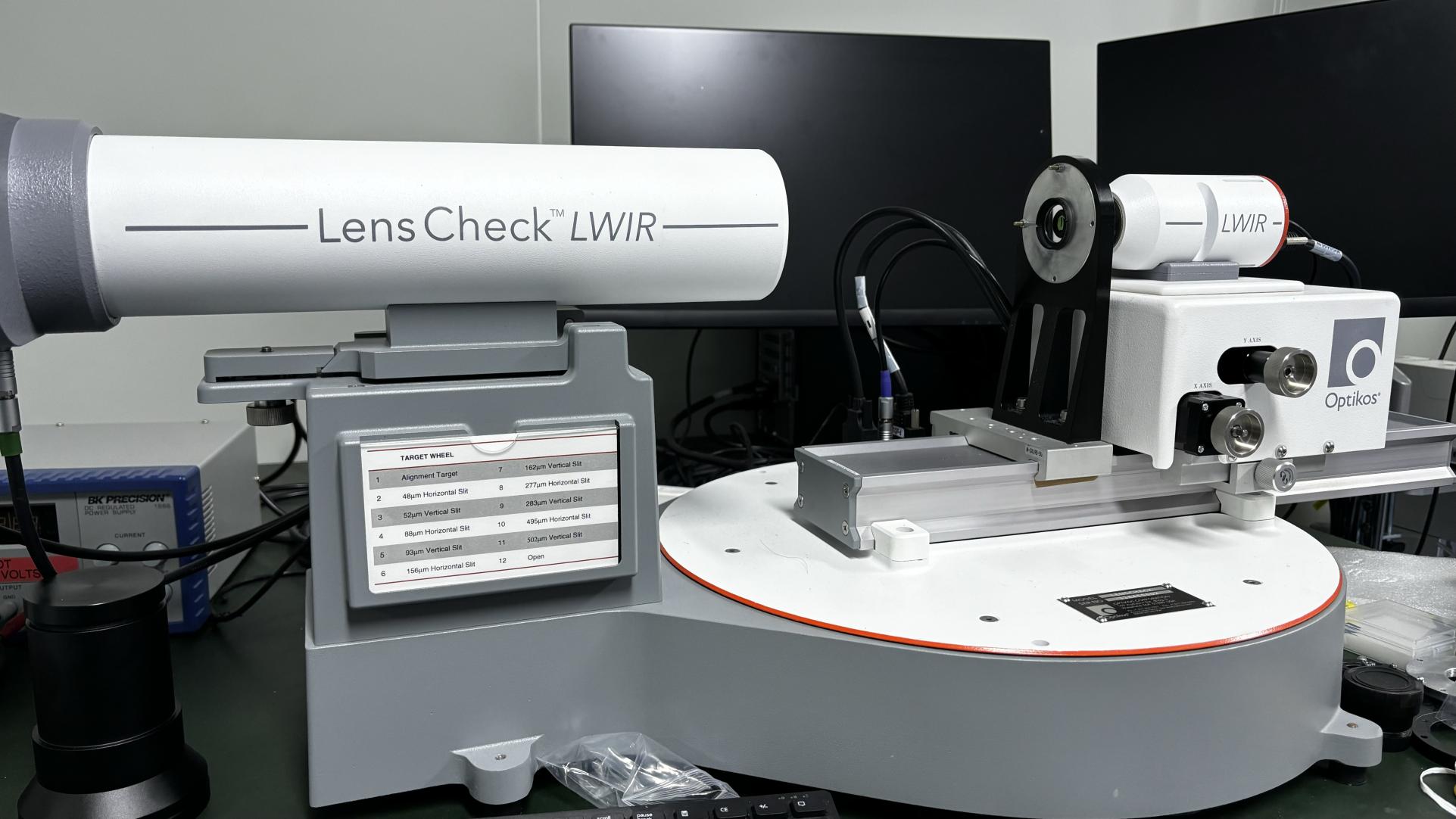
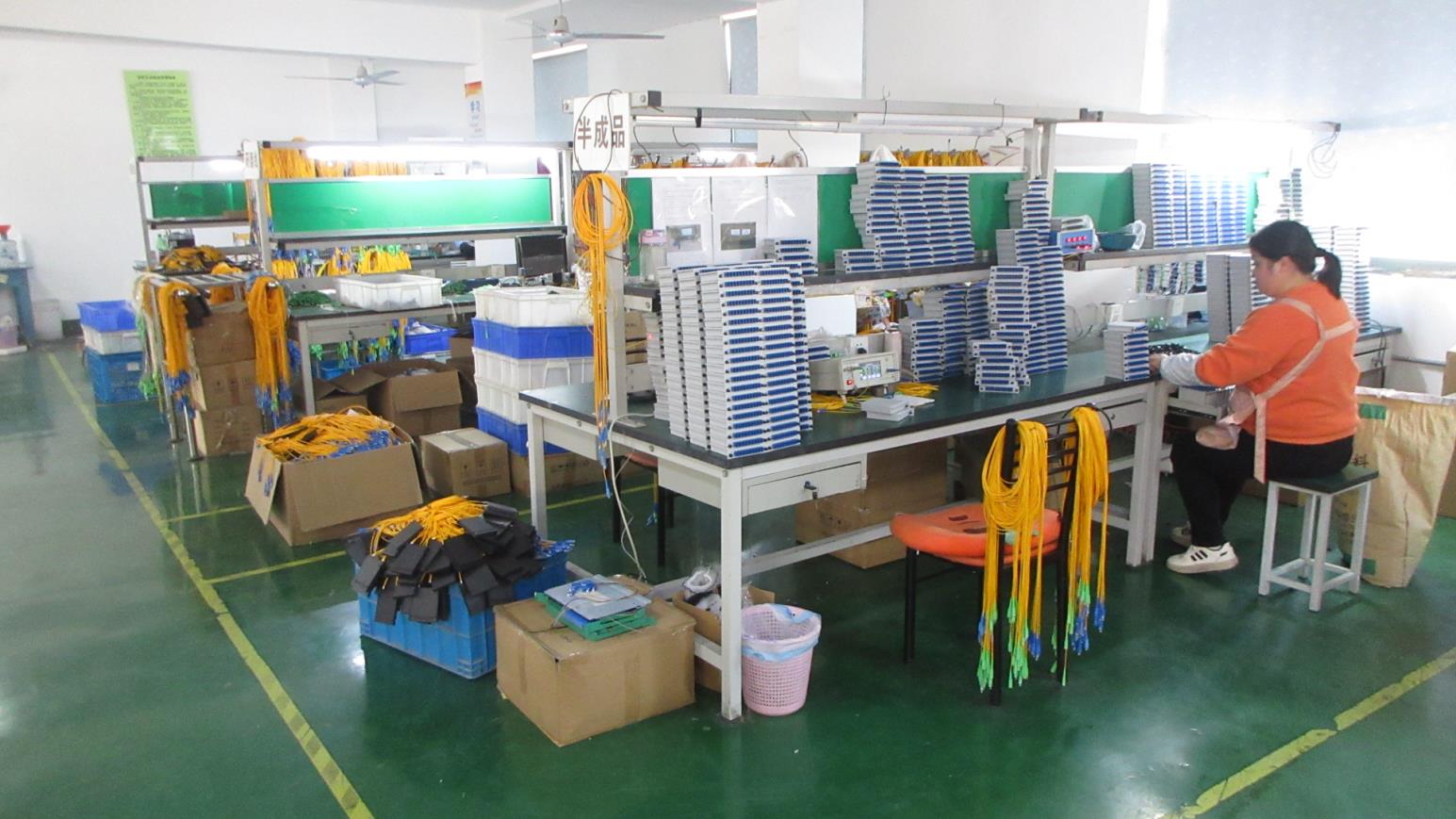
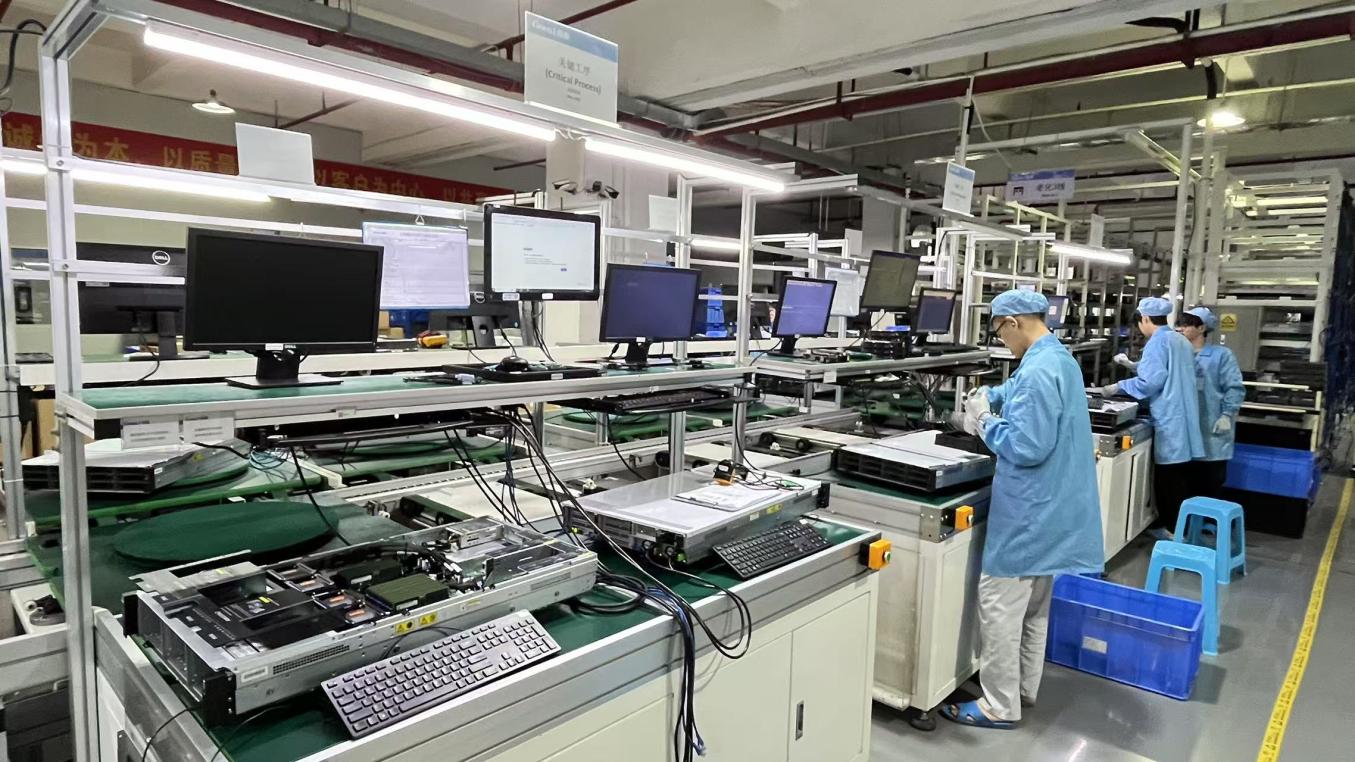
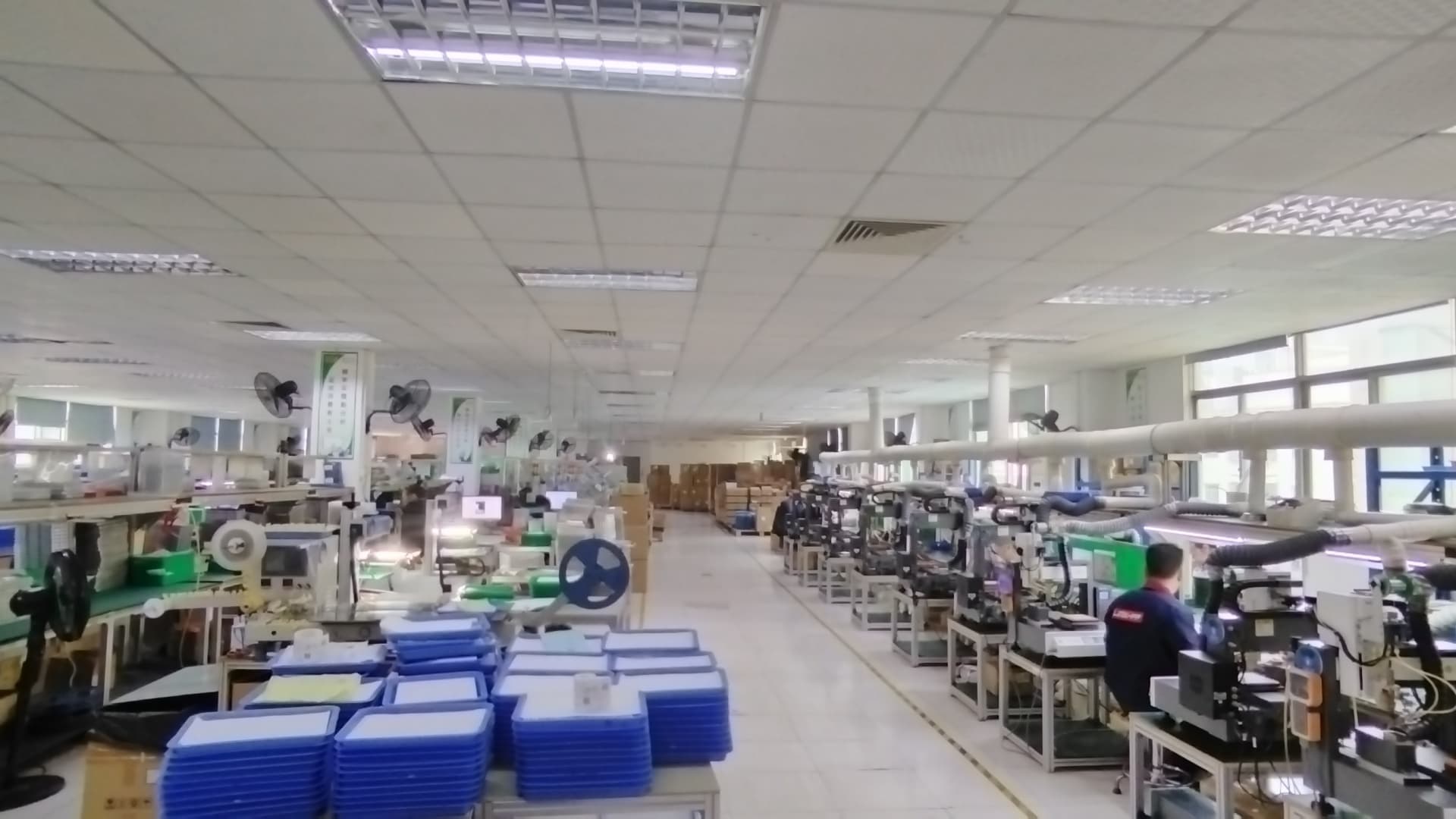
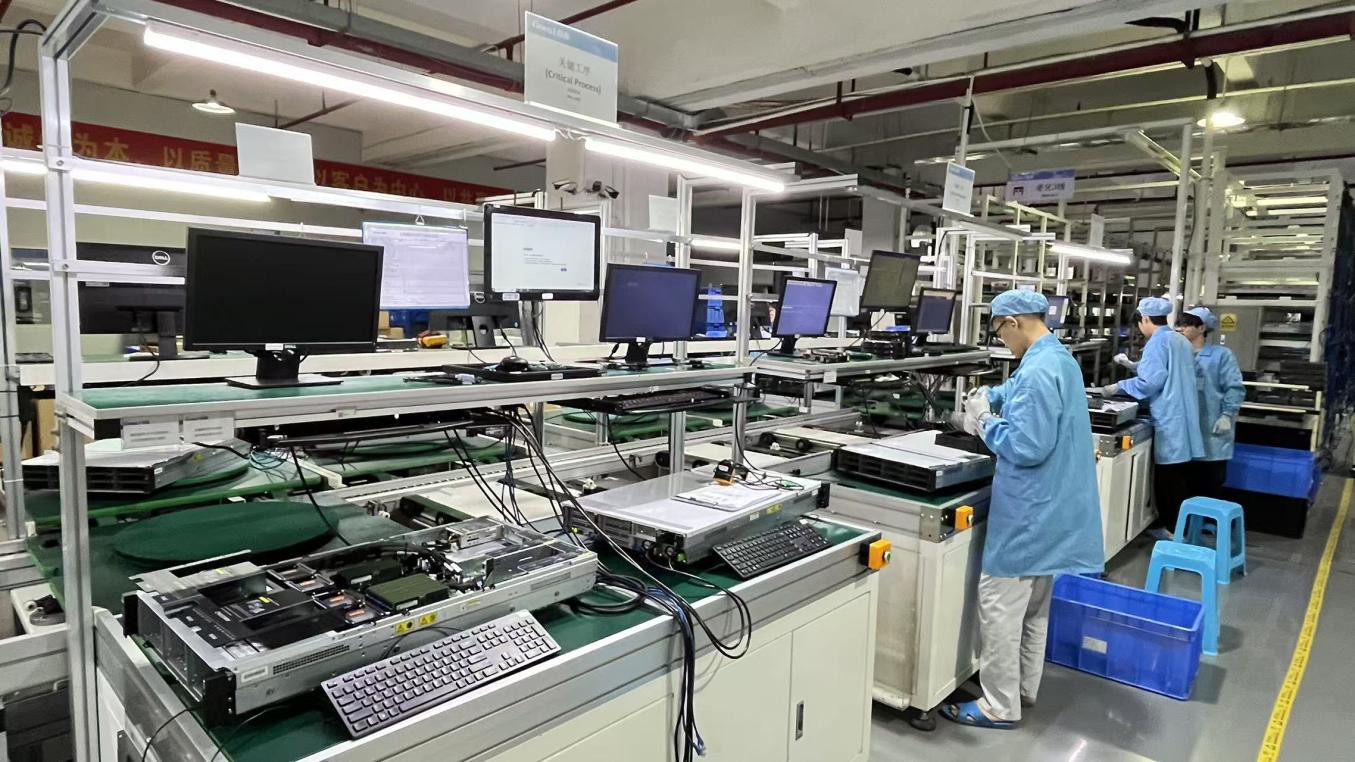
Located in Guangdong, China, Tensorium operates a modern manufacturing facility covering over 380㎡ and serves customers across North America, Europe, the Middle East, Southeast Asia, and other global markets. With years of experience in the AI computing industry, we have established a strong reputation for product quality, engineering expertise, and responsive customer service.
Our annual export revenue exceeds USD 18 million, supported by an extensive supply chain network of more than 1,200 trusted partners worldwide. We work closely with AI startups, cloud service providers, system integrators, research institutions, enterprise customers, and data center operators seeking high-performance computing solutions.
Innovation is at the core of our business. Our R&D team consists of over 120 experienced engineers dedicated to developing advanced GPU server architectures, AI cluster solutions, and customized computing systems. Last year alone, we successfully launched more than 80 new products and configurations tailored to emerging AI workloads and evolving customer requirements.
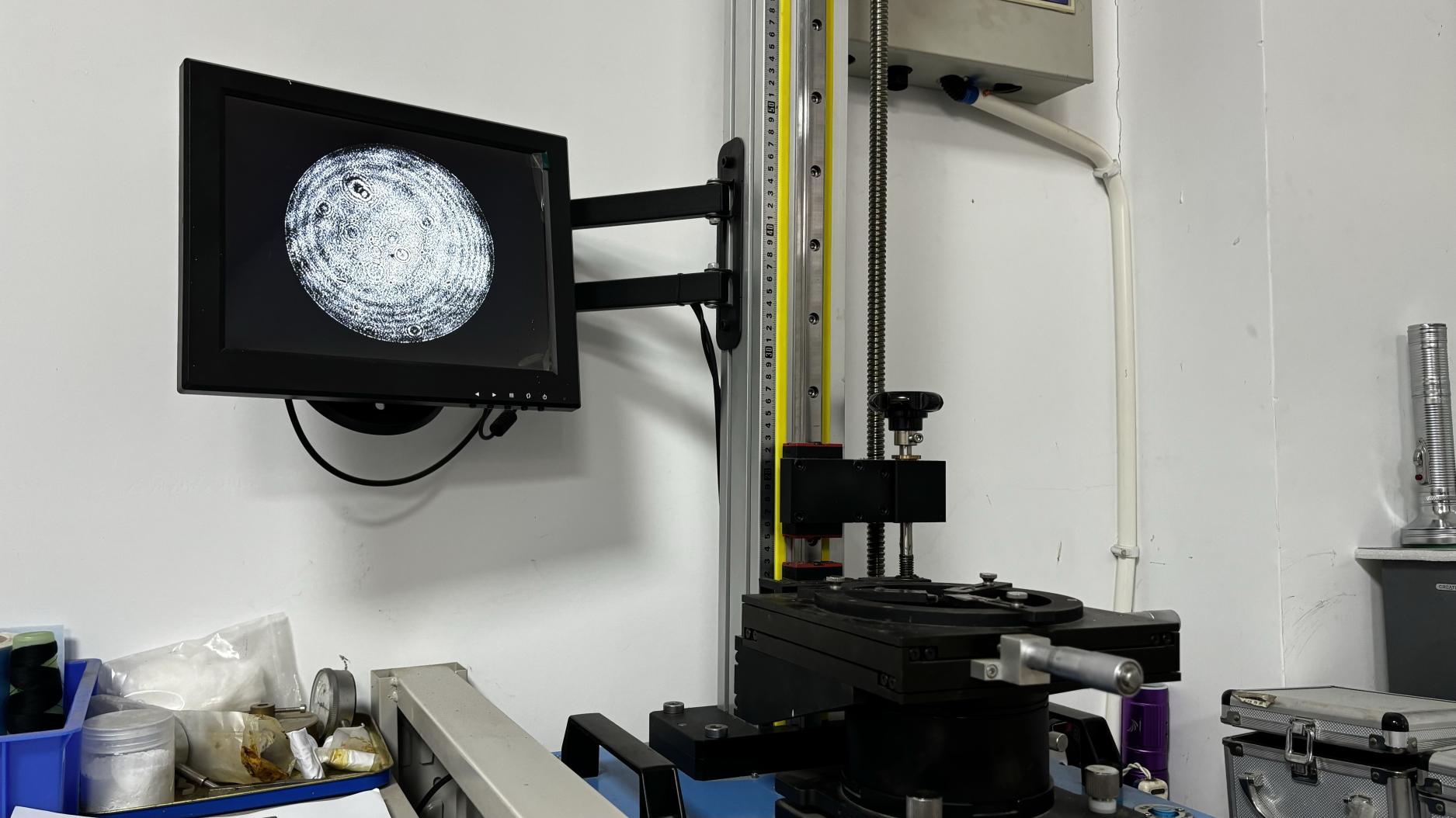
Quality is embedded throughout our manufacturing process. Tensorium maintains strict quality control standards with a dedicated team of 45 quality inspectors. Every product undergoes comprehensive inspections, including component verification, assembly inspection, system integration testing, burn-in testing, thermal performance validation, stability testing, and final quality assurance before shipment.
With strong OEM and ODM capabilities, we provide flexible customization options including GPU configuration, CPU platform selection, storage architecture, networking solutions, rack integration, branding services, and complete AI infrastructure deployment support. Our engineering team works closely with customers to deliver solutions optimized for their specific workloads and business objectives.
Backed by advanced manufacturing capabilities, continuous innovation, and a customer-focused approach, Tensorium is committed to helping organizations accelerate AI adoption and unlock the full potential of intelligent computing technologies.
Crucial Power Distribution Insights Gathered by Our Technical Support Engineers
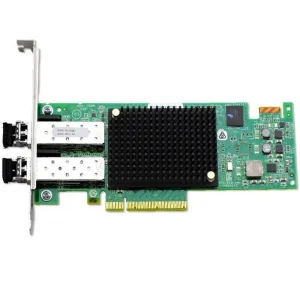
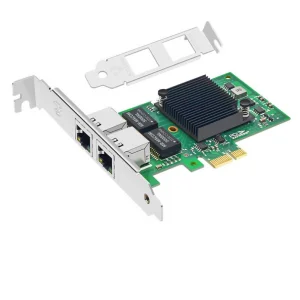
Complementary hardware solutions and accessories to round out your data center deployments, ensuring high performance across your network.