Tensorium
Tensorium
Tensorium
High-availability networking servers, GPU clusters, and high-performance system configurations designed for resilient cloud computing.
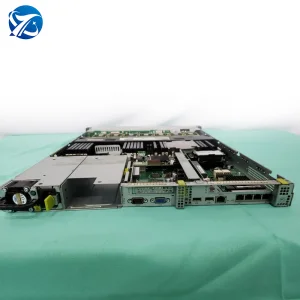
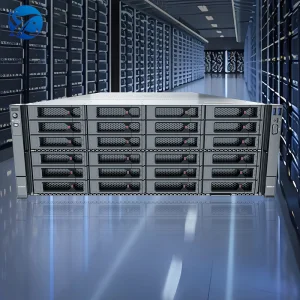
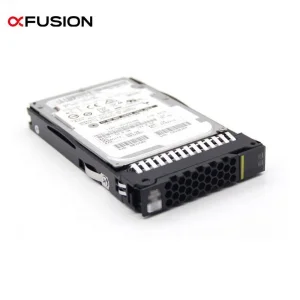
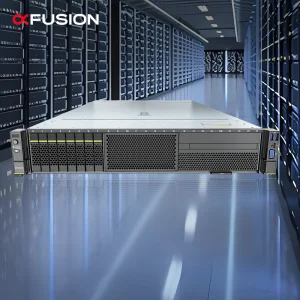
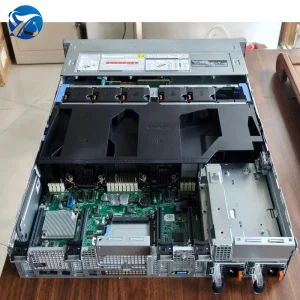
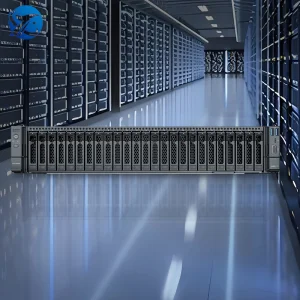
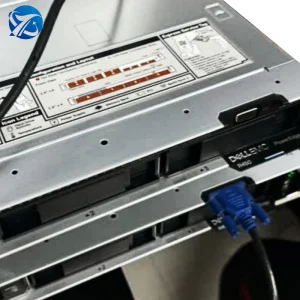
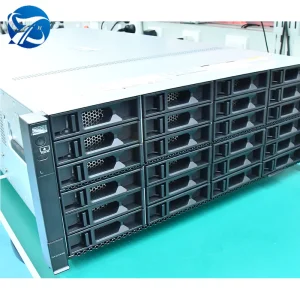
How high-performance Application Delivery Controllers (ADCs) resolve bottlenecks in distributed GPU arrays and complex AI model deployment.
Traditional routing is inadequate for high-performance computing. Modern load balancers offload heavy SSL/TLS handshake processing and TCP session aggregation, allowing core computational units to execute application code with zero network overhead.
AI inference workloads like DeepSeek require dynamically adapting packet steering. Standard round-robin algorithms cause latency spikes. Semantic load balancing dispatches queries based on model context size and execution queue status.
Datacenter topologies require zero-packet-loss failover. Leveraging Active-Active clustering and sub-second health-monitoring heartbeats ensures service continuity even under heavy physical node outages.
Real-world operational implementations across diverse digital ecosystems and heavy computing infrastructures.
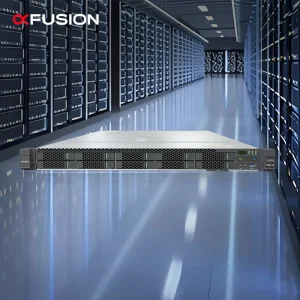
In massive GPU cluster configurations, such as the FusionServer G8600 V7 8U GPU rackmount environments, data parallelism demands massive gradient sharing. Load balancers regulate internal parameter distribution traffic across multiple high-speed network interfaces, avoiding congestion points in storage networks (NAS/SAN).
Enterprise cloud hosting environments deploying virtualization frameworks (using processors like EPYC 9654 or Xeon 4314) require external application traffic distribution. Dynamic Layer 7 load balancers parse incoming HTTP/2, HTTP/3, and gRPC headers to intelligently route payloads to containerized application microservices.
Deploying hybrid storage with high-speed read-intensive SSD units (SE005 Series) demands real-time replication and balanced read requests. Load balancers distribute requests across multiple array heads, mitigating read queue latency and optimizing caching mechanisms in real-time edge environments.
The technological convergence shaping next-generation load balancing hardware design.
Traditional operating system kernel packet handling introduces substantial interrupts. The modern roadmap heavily integrates DPDK (Data Plane Development Kit), allowing direct packet transfer from the network interface card (NIC) to user-space memory. This completely bypasses the OS networking stack overhead, enabling wire-speed packet processing at 100G, 200G, and 400G line rates.
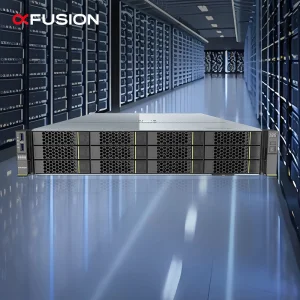
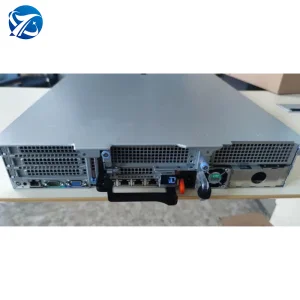
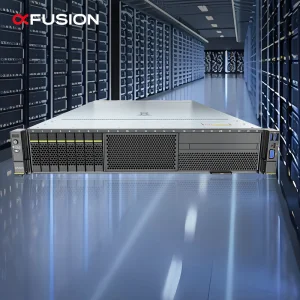
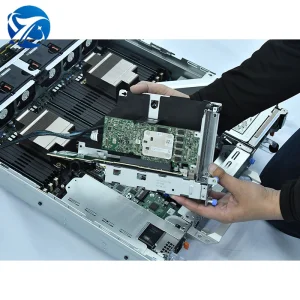
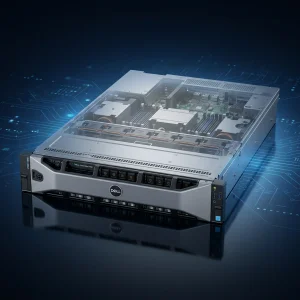
Modern load balancing logic is increasingly shifted away from standard host CPUs to specialized Data Processing Units (DPUs) and SmartNICs. In systems like the Dell PowerEdge R7625 or xFusion 2288H V6, dedicated network accelerator cards handle encryption (IPsec, SSL/TLS), network virtualization encapsulation (VxLAN), and packet routing without consuming main system computing resources.
By leveraging real-time telemetry from AI clusters, future network nodes will predict server load patterns using machine learning models. Instead of reactive routing, the network fabric anticipates processing peaks and scales network bandwidth allocations proactively.
How Guangdong's electronics ecosystem drives hardware innovation and quality control at scale.
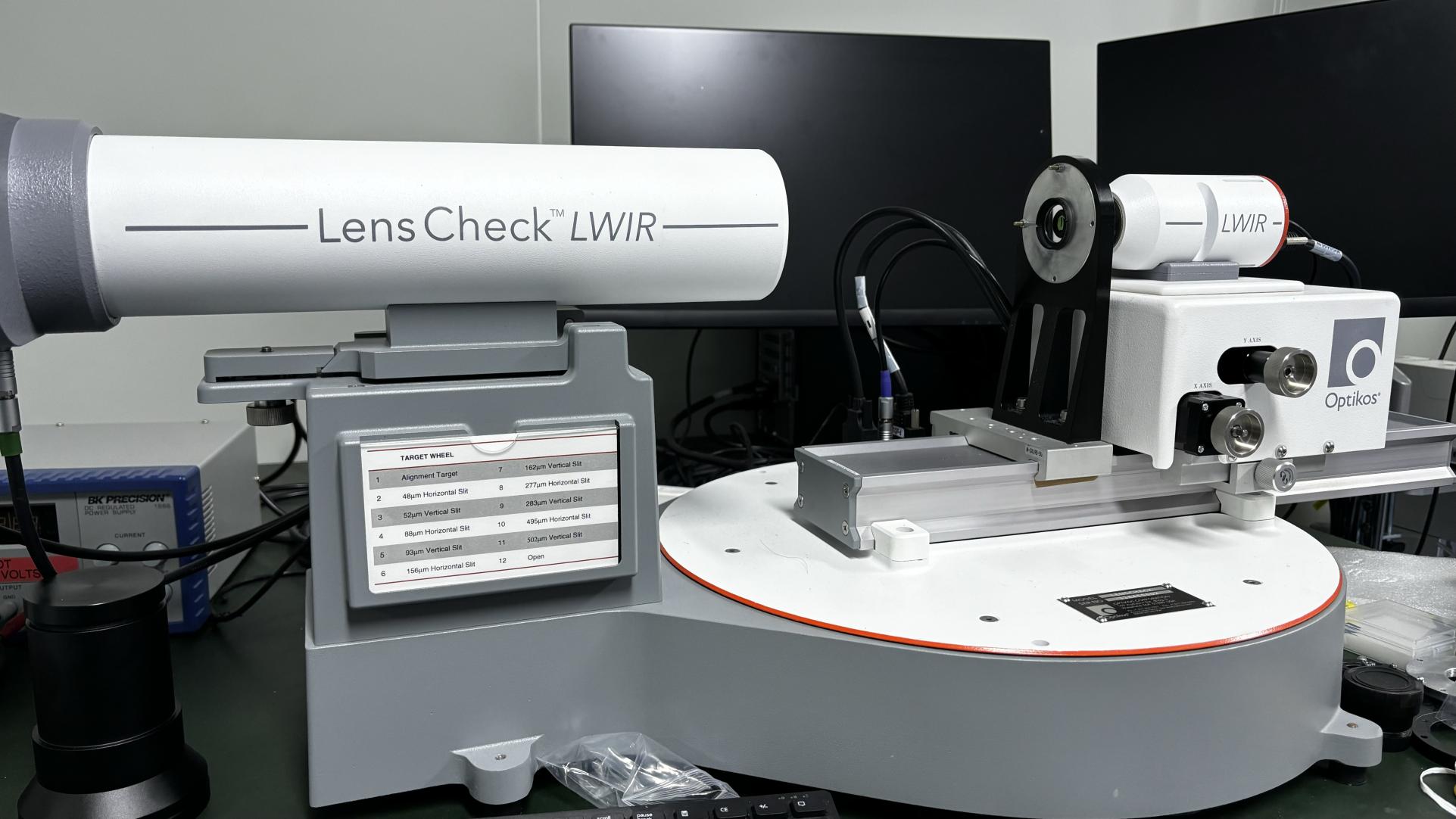
Founded in 2016, Tensorium Intelligent Technology Co., Ltd. is a professional manufacturer and global supplier of high-performance AI GPU servers, GPU clusters, and intelligent computing infrastructure solutions. We specialize in delivering reliable, scalable, and customized computing platforms for artificial intelligence training, inference, deep learning, HPC, and enterprise data center applications.
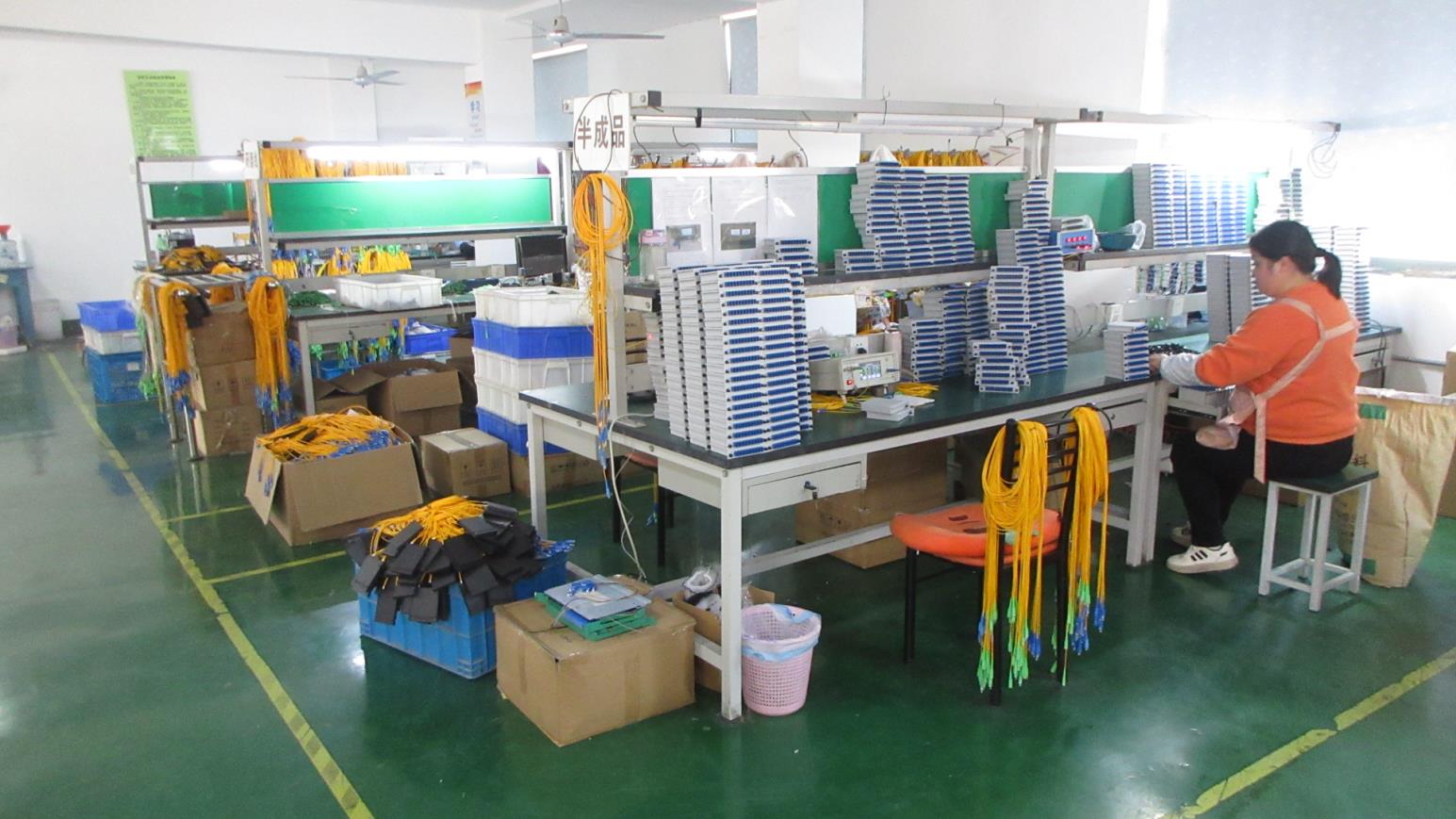
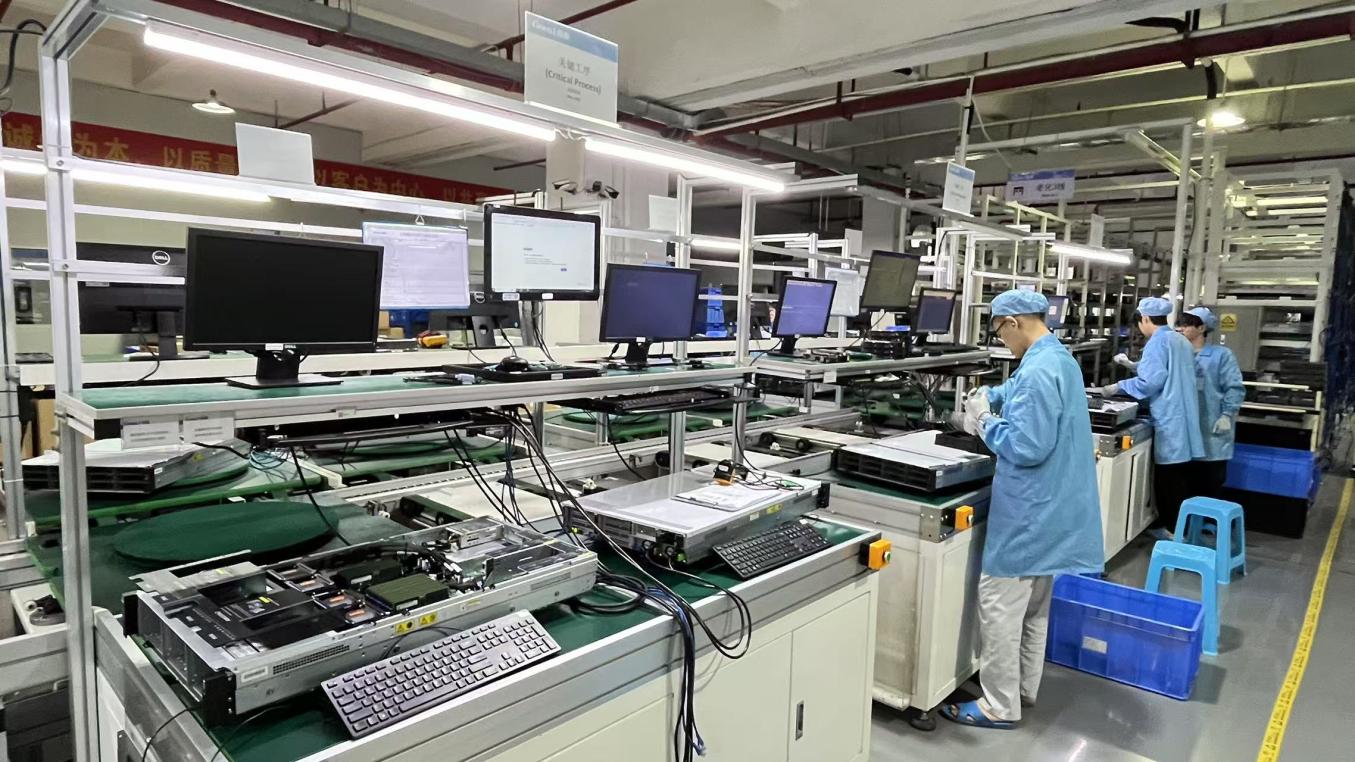
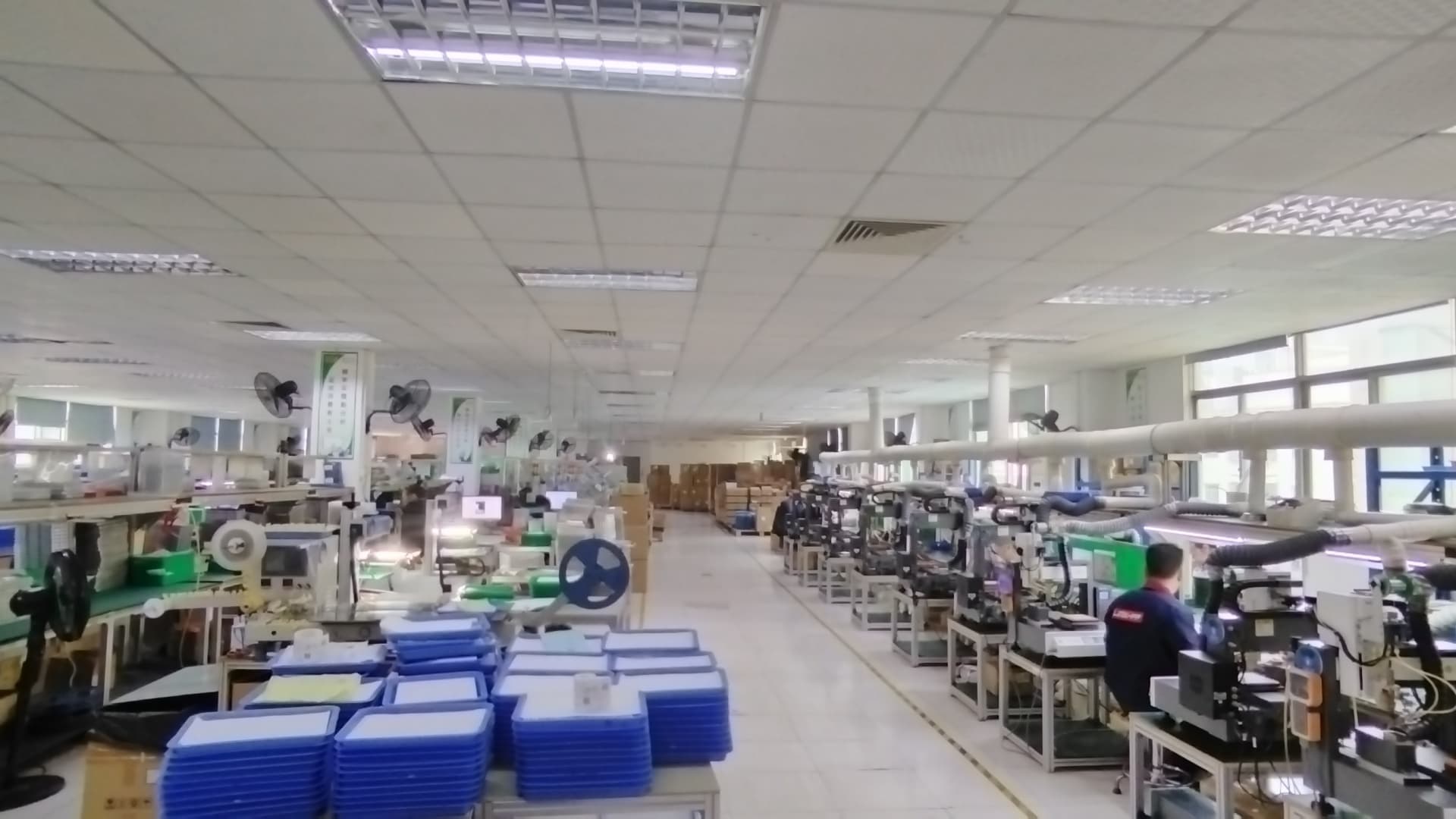
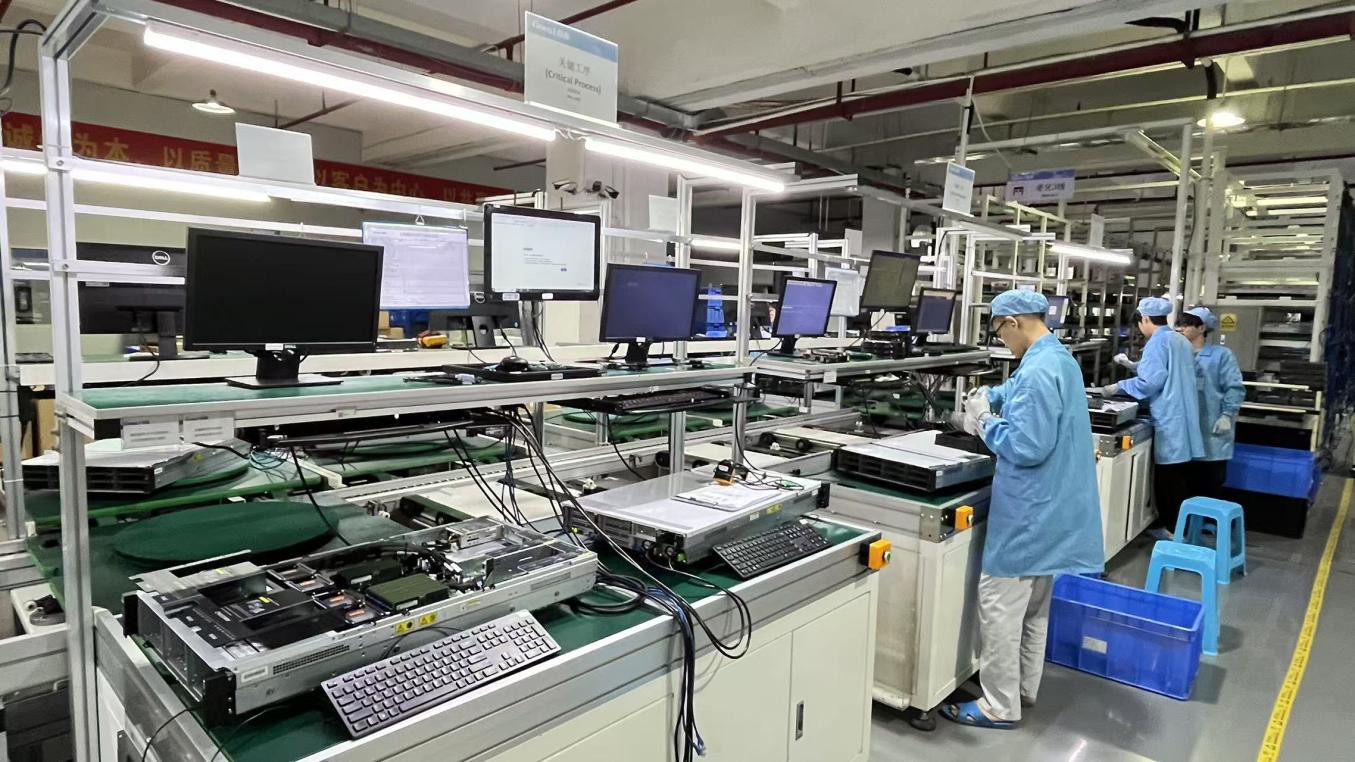
Located in Guangdong, China, Tensorium operates a modern manufacturing facility covering over 380㎡ and serves customers across North America, Europe, the Middle East, Southeast Asia, and other global markets. With years of experience in the AI computing industry, we have established a strong reputation for product quality, engineering expertise, and responsive customer service.
Our annual export revenue exceeds USD 18 million, supported by an extensive supply chain network of more than 1,200 trusted partners worldwide. We work closely with AI startups, cloud service providers, system integrators, research institutions, enterprise customers, and data center operators seeking high-performance computing solutions.
Innovation is at the core of our business. Our R&D team consists of over 120 experienced engineers dedicated to developing advanced GPU server architectures, AI cluster solutions, and customized computing systems. Last year alone, we successfully launched more than 80 new products and configurations tailored to emerging AI workloads and evolving customer requirements.
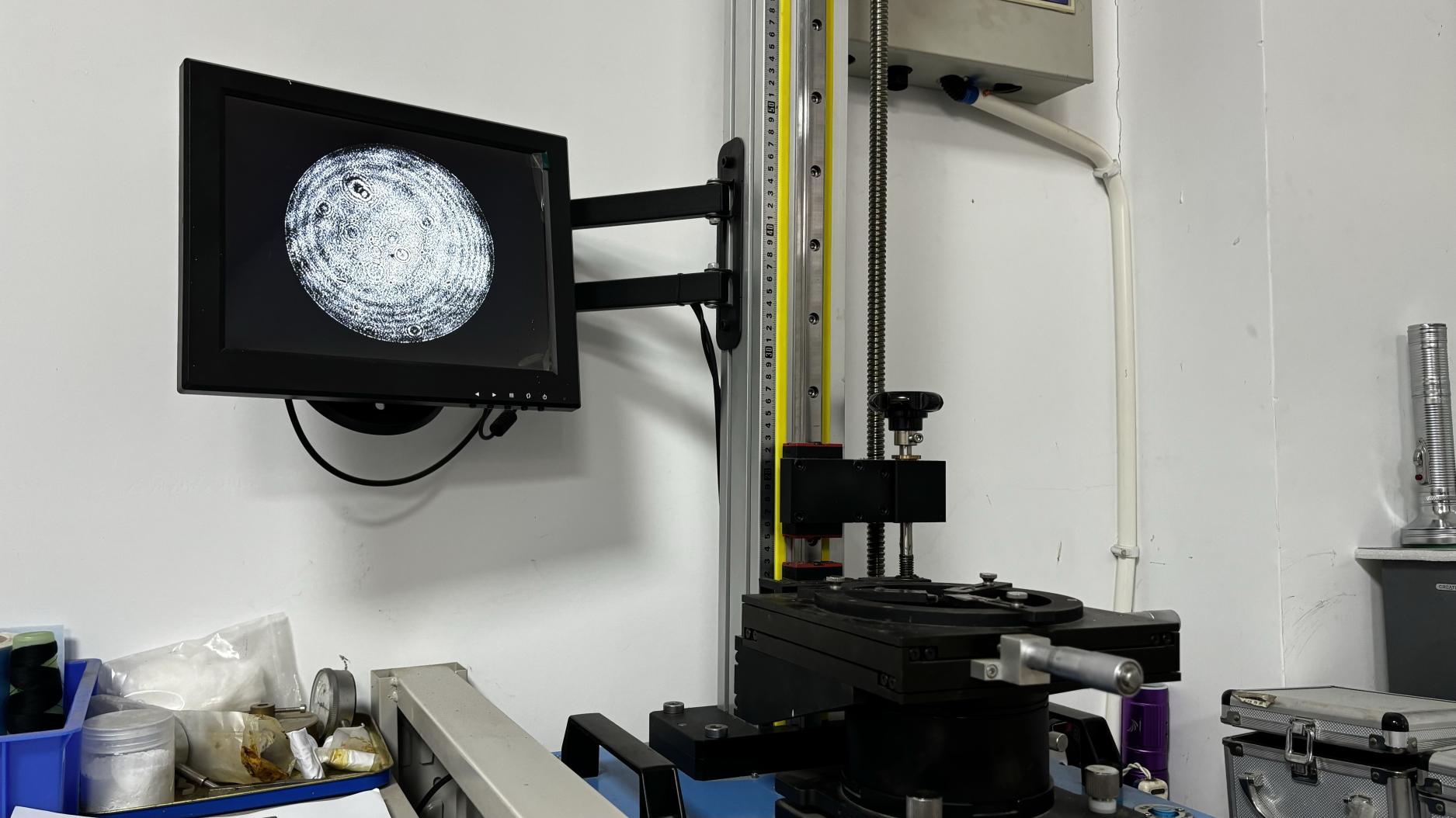
Quality is embedded throughout our manufacturing process. Tensorium maintains strict quality control standards with a dedicated team of 45 quality inspectors. Every product undergoes comprehensive inspections, including component verification, assembly inspection, system integration testing, burn-in testing, thermal performance validation, stability testing, and final quality assurance before shipment.
With strong OEM and ODM capabilities, we provide flexible customization options including GPU configuration, CPU platform selection, storage architecture, networking solutions, rack integration, branding services, and complete AI infrastructure deployment support. Our engineering team works closely with customers to deliver solutions optimized for their specific workloads and business objectives.
Aligning hardware manufacturing standards with international operations and compliance frameworks.
As enterprise operations digitize globally, data load management has shifted from a regional requirement to a global compliance challenge. Industrial deployments across Europe, North America, the Middle East, and Southeast Asia must navigate differing environmental, regulatory, and electrical grid frameworks. Standardized server frames and power distributions (e.g., matching regional requirements with 900W, 1600W, or 2000W redundant PSUs) are critical components of globally distributed networks.
Moreover, the exponential rise of decentralized edge-computational structures in industrial settings—such as remote oil rigs, manufacturing automation lines, and regional health data facilities—requires ruggedized, reliable hardware. These configurations must operate with high thermal efficiency and withstand ambient fluctuations while ensuring constant connectivity via reliable network switches and load-balanced server clusters.
How Tensorium guarantees seamless cross-border hardware integration and operational compliance.
Tensorium hardware aligns with rigorous global compliance criteria. All servers, switch expansions, and custom rack load balancers conform to CE, FCC, RoHS, and UL specifications, ensuring trouble-free importation, custom clearance, and enterprise deployment.
Each unit undergoes exhaustive, multi-point stress testing including high-temperature burn-in tests, physical thermal scanning, load benchmark validations, and continuous network package delivery analysis to meet strict zero-loss standards.
To eliminate deployment latency, we offer direct technical integration assistance. From custom GPU architecture design and rack layout selection to remote system diagnostics and driver setup support, our engineers remain actively engaged post-shipment.
Critical architectural questions answered by our engineering directors.
Layer 4 load balancing operates at the transport layer (TCP/UDP), routing packets purely based on IP and port data without inspecting the application payload. This yields extremely low latency and low CPU utilization, ideal for raw data transfer. Layer 7 load balancing operates at the application layer, allowing the controller to inspect HTTP headers, cookie parameters, and query payloads. This is crucial for routing context-heavy LLM inference queries (such as DeepSeek) where specific prompt lengths must be paired with servers containing matching GPU memory allocations.
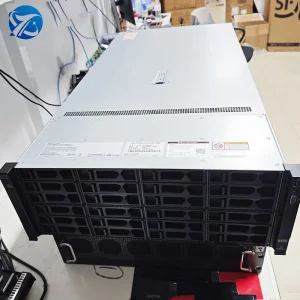
We work directly with server integrators and data center engineers to customize hardware configurations. Through our extensive supply chain partners, we equip our server enclosures (1U, 2U, 4U, 8U) with redundant PSUs matching local utility inputs (110V/220V/380V) and specialized plug architectures. Our thermal engineering validates the configuration using simulated environments to guarantee high efficiency under specified local conditions.
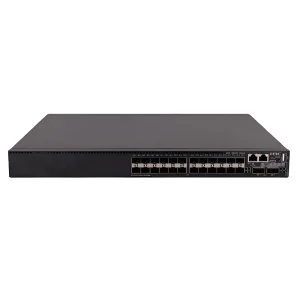
High-capacity switches handle the high-throughput physical backplane layer, providing ultra-low latency optical links (10G/40GE). They interface with load balancers via link aggregation (LACP) and VLAN trunking, facilitating rapid east-west server cluster traffic routing and preventing data serialization bottlenecks during large-scale model training phases.
Our 45-person QC department runs a multi-tier testing pipeline: initial automated optical inspection (AOI) of components, assembly verification, high-load thermal imaging to spot localized hot spots, continuous burn-in testing for a minimum of 48 hours, and final functional verification before secure packaging and dispatch.
Yes. Tensorium provides full OEM and ODM services. We offer custom powder-coating colors, customized front bezel layouts, client logo silk-screening, and personalized BIOS/firmware branding options, allowing system integrators to present unified brand structures to their end customers.
High-capacity storage systems, networking switches, and versatile rack configurations to support scalable cloud frameworks.