Tensorium
Tensorium
Tensorium
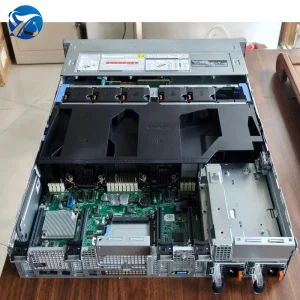
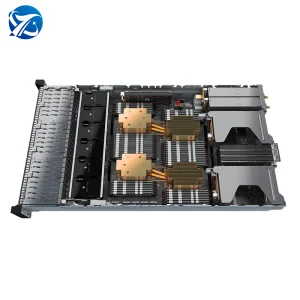
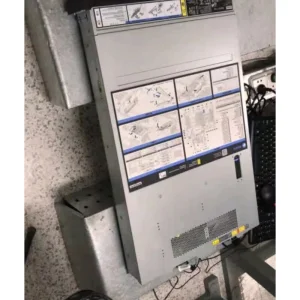
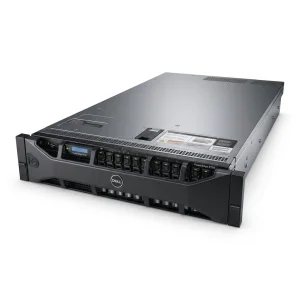
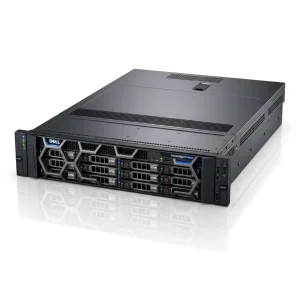
Modern software-defined environments rely heavily on optimized server architectures and high-density networking interface platforms. Explore our core in-stock SDN node systems.
"By moving intelligence out of specialized switches and controllers and hosting it dynamically in hyper-converged hardware modules, operators gain structural flexibility, automated provisioning capabilities, and native integration with modern orchestration systems."
At the center of any resilient SDN topology sits the infrastructure layer. As virtualized network functions (VNFs) replace custom hardware appliances, the requirement shifts toward high-availability compute servers, robust Host Bus Adapters (HBAs), and high-density NVMe-backed processing environments. These hardware elements must handle the raw processing demands of soft-switches, packet routing algorithms, and high-frequency network telemetry analytics without introduction of latency jitter.
To assist enterprise architects, sourcing managers, and infrastructure engineers in their decision-making process, we have compiled the definitive index of global SDN leaders, specialized OEMs, and open-networking hardware supply enablers.
Cisco’s Application Centric Infrastructure (ACI) is a cornerstone of the enterprise data center SDN market. Known for deep integration, automated policies, and extensive security architectures.
VMware NSX delivers an entire software-defined networking and security stack completely in software. It abstracts the underlying physical hardware to provide secure micro-segmentation.
Driven by Mist AI and the Apstra SDN controller, Juniper offers automated operations and intent-based analytics that simplify multicloud infrastructure deployments.
Arista’s Extensible Operating System (EOS) is built on an open, programmable architecture. It is highly favored by massive hyper-scalers and high-frequency financial platforms.
Huawei CloudCampus and CloudFabric SDN engines enable zero-touch automation and high-level structural diagnostics for large-scale enterprise networks and telecom providers.
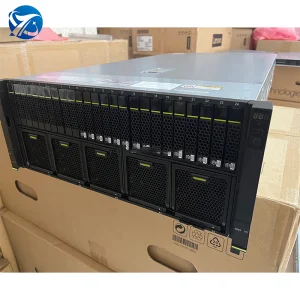
Tensorium is a professional manufacturer and global supplier specializing in high-performance computing platforms, AI cluster hardware, and customized rackmount nodes optimized to execute SDN control planes, VNF, and massive network telemetry pipelines.
Offering the Virtualized Services Directory (VSD) and Virtualized Services Controller (VSC), Nuage Networks excels in carrier-grade virtualization and distributed edge access points.
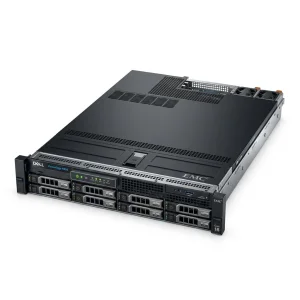
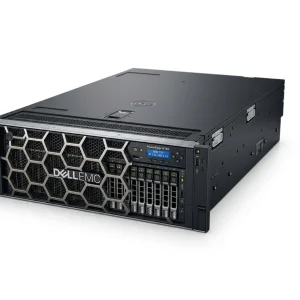
Dell pioneered the Open Networking initiative, allowing customers to decouple hardware from third-party OS options (such as SONiC, Cumulus Linux, and Pluribus Networks) using PowerEdge architectures.
ExtremeCloud IQ utilizes machine learning and AI algorithms to manage fabric infrastructure across campus, branch, and server environment setups with simplified licensing.
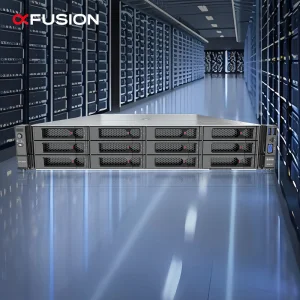
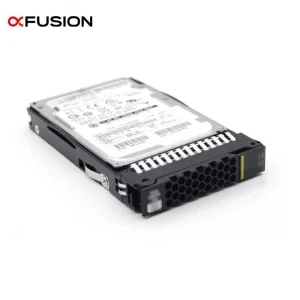
xFusion provides high-performance computing, virtualization platforms, and enterprise data center solutions. Their products run modern SDN workloads with advanced thermal efficiency.
Founded in 2016, Tensorium Intelligent Technology Co., Ltd. is a professional manufacturer and global supplier of high-performance AI GPU servers, GPU clusters, and intelligent computing infrastructure solutions. We specialize in delivering reliable, scalable, and customized computing platforms for artificial intelligence training, inference, deep learning, HPC, and enterprise data center applications.
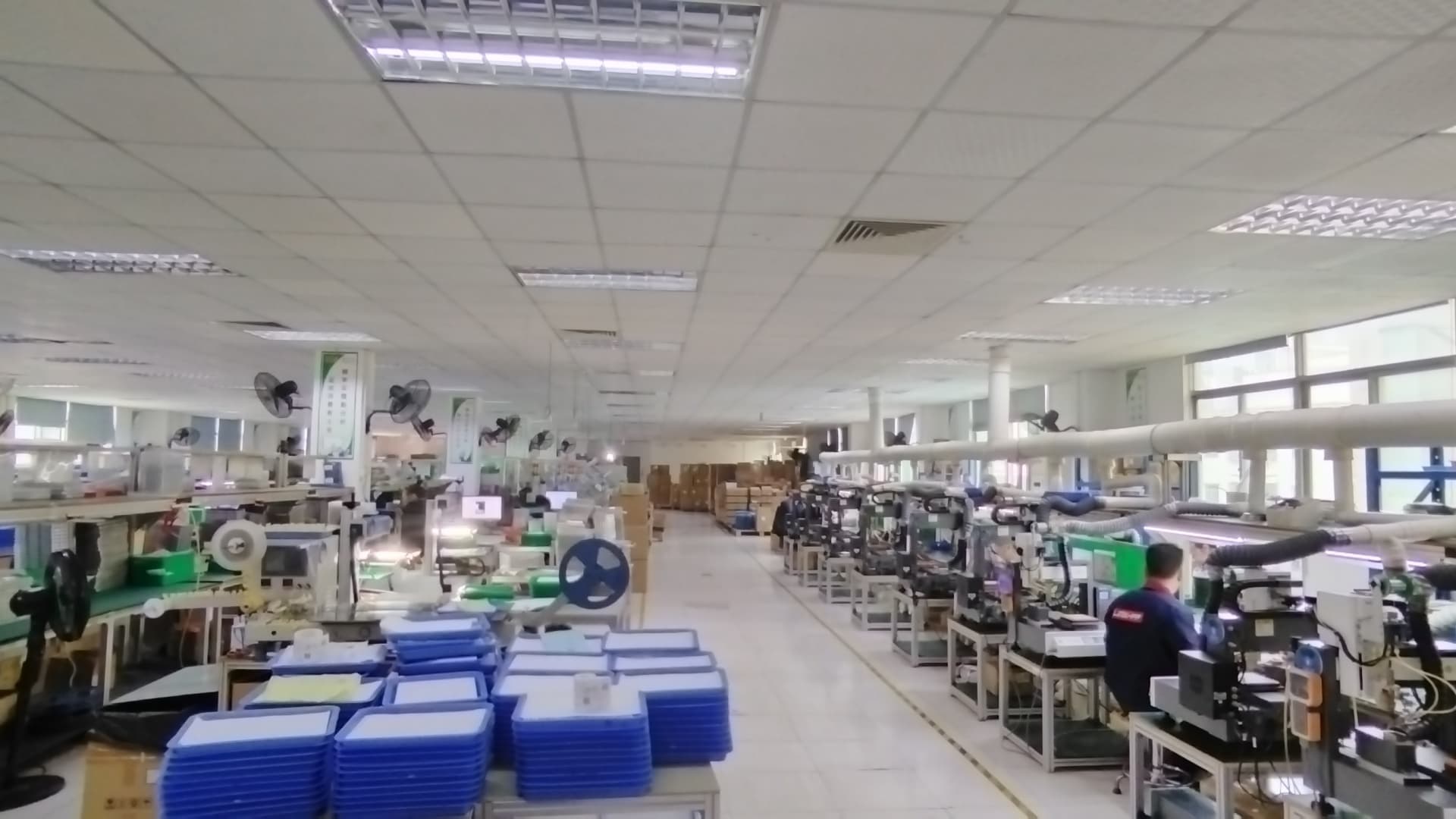
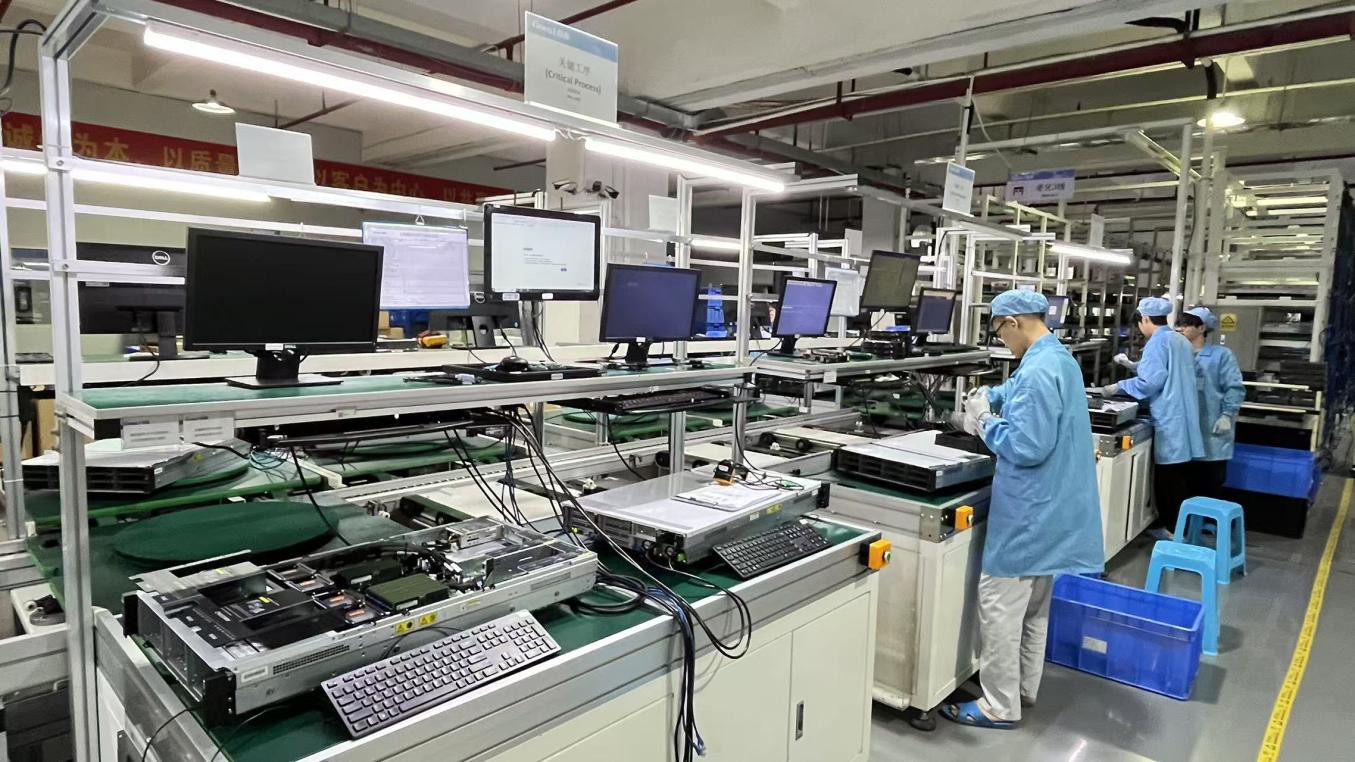
Located in Guangdong, China, Tensorium operates a modern manufacturing facility covering over 380㎡ and serves customers across North America, Europe, the Middle East, Southeast Asia, and other global markets. With years of experience in the AI computing industry, we have established a strong reputation for product quality, engineering expertise, and responsive customer service.
Our annual export revenue exceeds USD 18 million, supported by an extensive supply chain network of more than 1,200 trusted partners worldwide. We work closely with AI startups, cloud service providers, system integrators, research institutions, enterprise customers, and data center operators seeking high-performance computing solutions.
Innovation is at the core of our business. Our R&D team consists of over 120 experienced engineers dedicated to developing advanced GPU server architectures, AI cluster solutions, and customized computing systems. Last year alone, we successfully launched more than 80 new products and configurations tailored to emerging AI workloads and evolving customer requirements.
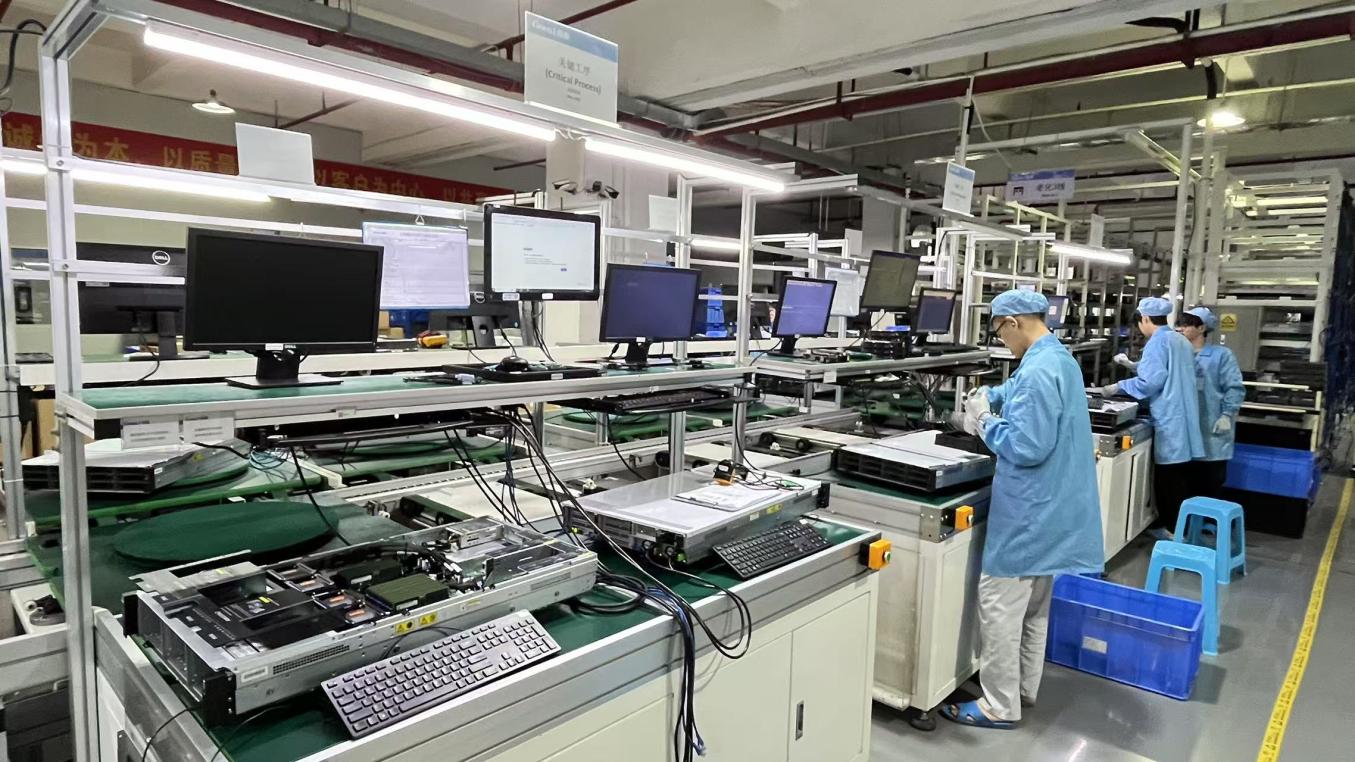
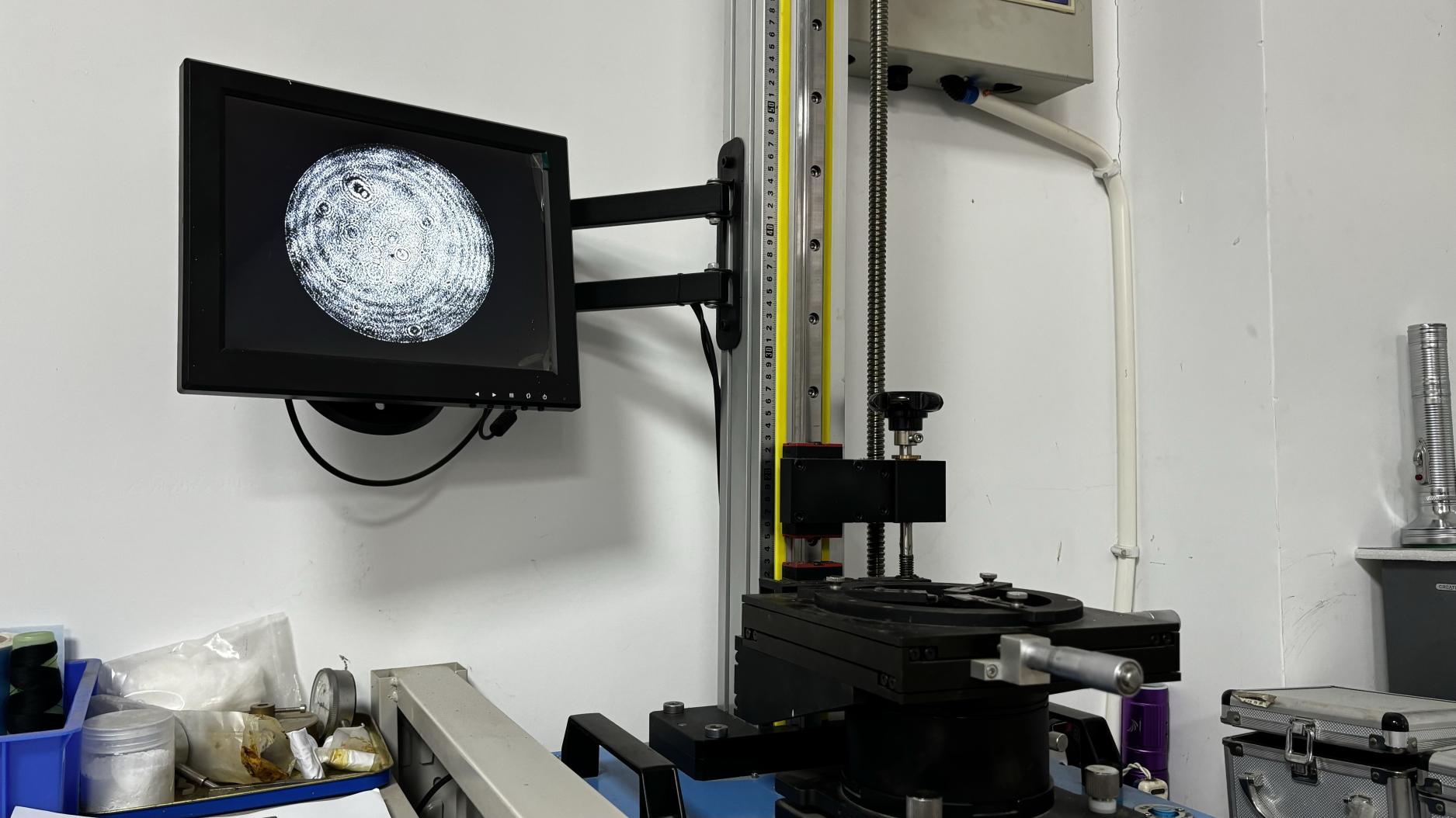
Quality is embedded throughout our manufacturing process. Tensorium maintains strict quality control standards with a dedicated team of 45 quality inspectors. Every product undergoes comprehensive inspections, including component verification, assembly inspection, system integration testing, burn-in testing, thermal performance validation, stability testing, and final quality assurance before shipment.
With strong OEM and ODM capabilities, we provide flexible customization options including GPU configuration, CPU platform selection, storage architecture, networking solutions, rack integration, branding services, and complete AI infrastructure deployment support. Our engineering team works closely with customers to deliver solutions optimized for their specific workloads and business objectives.
"By bridging the gap between chip designers and data center engineers, Tensorium implements component-level integration, thermal verification, and network latency optimizations that standard off-the-shelf system integrators cannot match."
As global demand for open-standards networking hardware escalates, Chinese manufacturers located in technological hubs like Guangdong play a critical role. Understanding these micro-geographic and industrial factors is vital for worldwide procurement teams.
Procurement leaders must evaluate network hardware suppliers using a multi-factor checklist to manage geopolitical and logistical risks while ensuring long-term hardware reliability.
Sourcing teams should require partners to verify chip lineages (CPUs, SSD controllers, network PHYs) to protect against replacement parts and secure ongoing firmware support cycles.
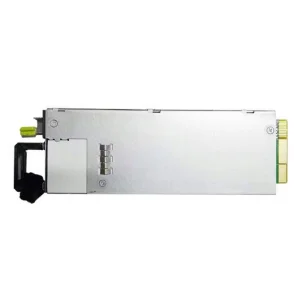
Modern servers draw significant power. Ensure the supplier uses high-efficiency power supplies (e.g., Titanium/Platinum standards) and provides advanced chassis fans to prevent thermal throttling.
The bare-metal server configurations should support industry standard virtualization hypervisors (VMware ESXi, Proxmox, KVM) and standard open-source network controllers out of the box.
Verify that the manufacturer implements detailed burn-in validation (at least 24-48 hours under high workload) and diagnostic testing before shipping to reduce hardware failures.
Hardware solutions configured for specific workloads resolve deployment challenges and speed up integration times across main market verticals:
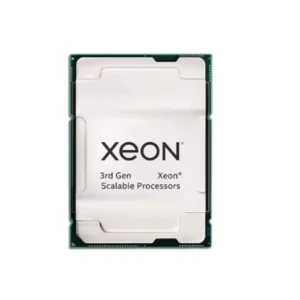
Combines high-performance EPYC or Xeon compute nodes with PCIe 4.0/5.0 switches to handle complex AI training pipelines, deep learning workloads, and database clusters.
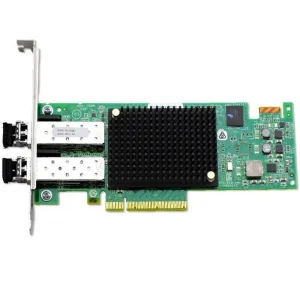
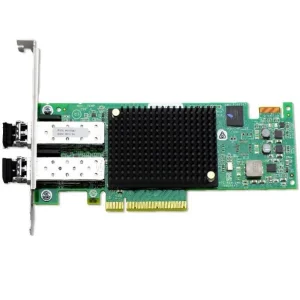
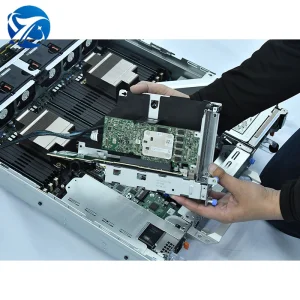
1U and 2U rackmount servers equipped with dual-port 32G Fibre Channel HBA cards, designed for regional offices, edge computing nodes, and distributed cellular sites.
A combination of fast NVMe storage configurations, high DDR5 memory density, and SDN security layers that allow IT teams to securely host multiple internal business units.
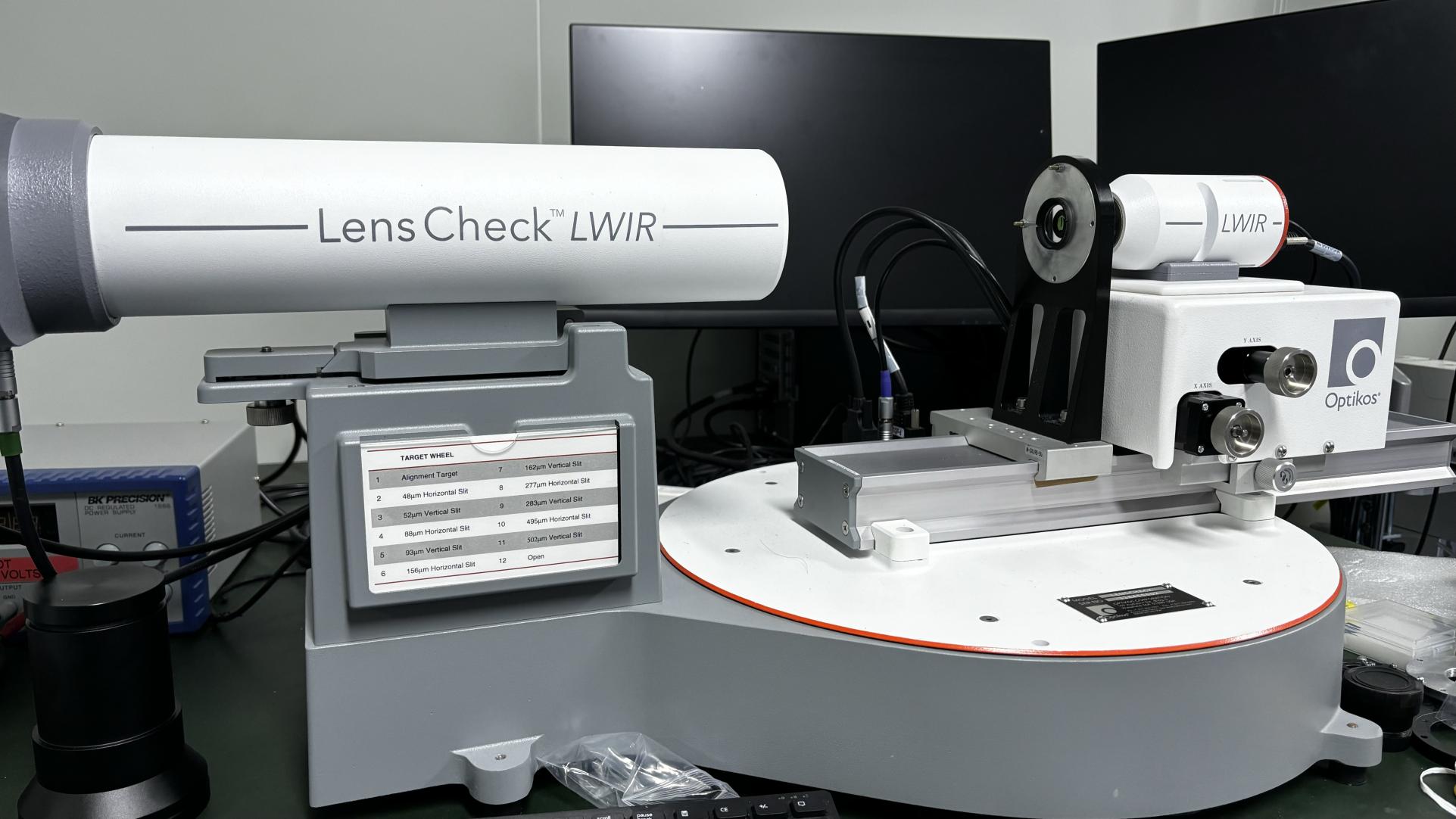
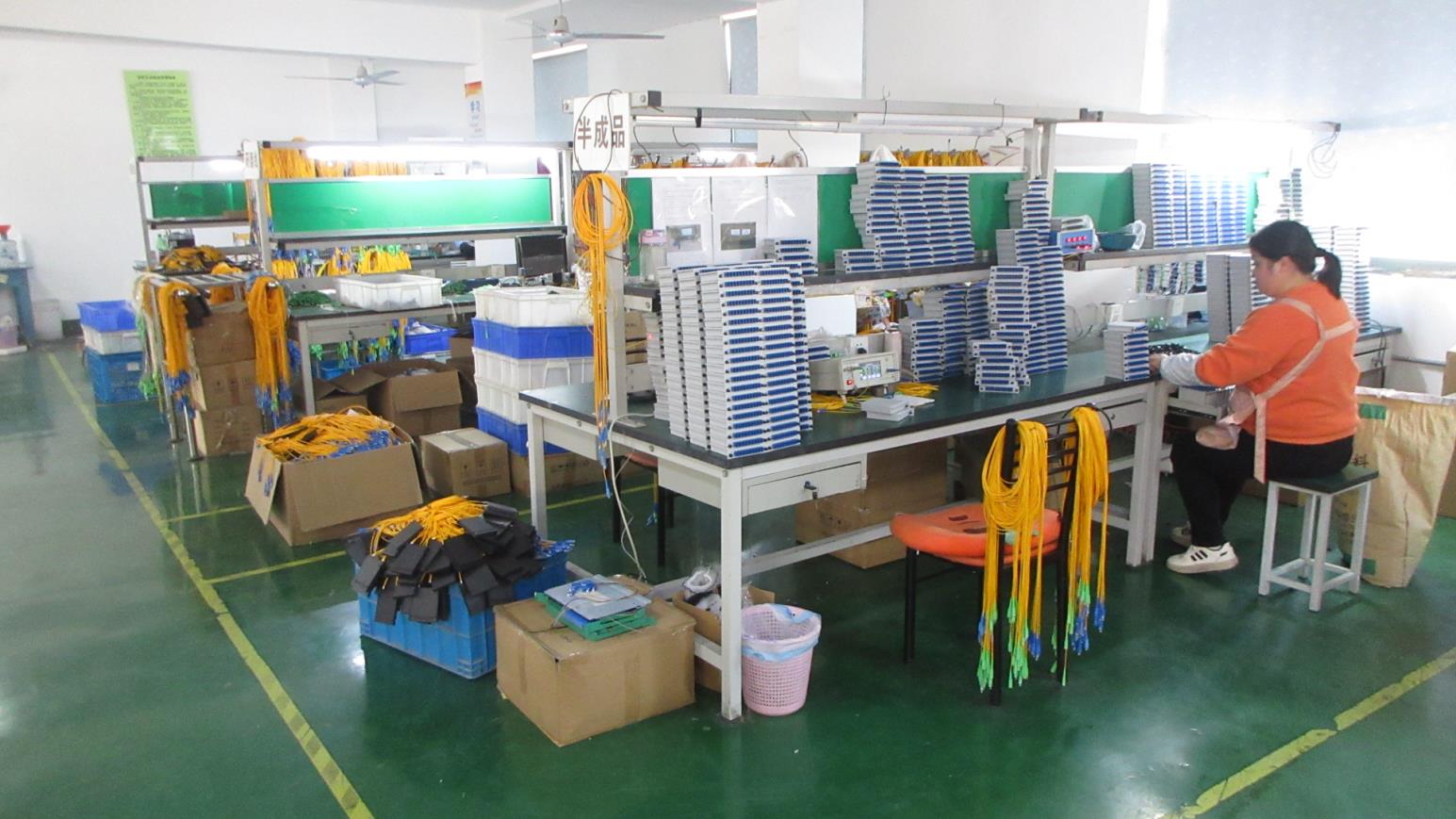
Our operations implement strict quality control protocols throughout the assembly, verification, and shipping phases.
Common technical and commercial questions regarding Software-Defined Networking hardware nodes and sourcing.
Browse additional high-capacity server systems, high-speed interface cards, and essential infrastructure parts to support your deployments.