Tensorium
Tensorium
Tensorium
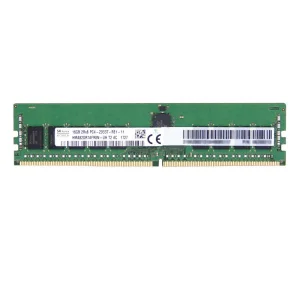
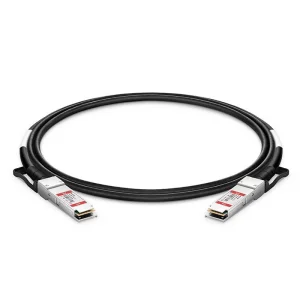
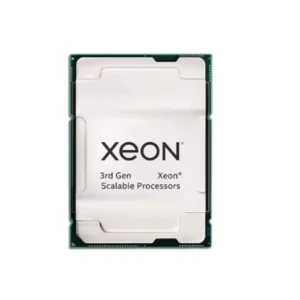
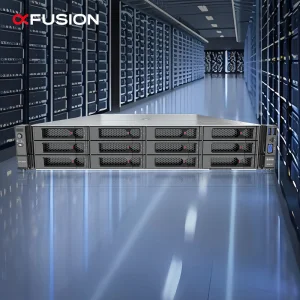
Explore our core selection of enterprise servers, accelerators, high-speed networking components, and system memory options optimized for machine learning environments.
Analyzing the Architectural Evolution, Compute Density, and Interconnect Bandwidth Driving Modern Deep Learning
As large language models (LLMs) scale past hundreds of billions of parameters, hardware architectures face scaling bottlenecks. Enterprise workloads now depend heavily on advanced tensor core utilization, customized instruction sets, and massive local GPU pools to maintain low latency during real-time inference and training cycles.
Standard PCIe interconnects are no longer sufficient for distributed neural networks. Modern topologies demand ultra-low latency standards like NVLink, RoCE v2, and InfiniBand NDR to bypass host CPU routing, allowing direct Peer-to-Peer memory access which accelerates node communication in complex deep learning clusters.
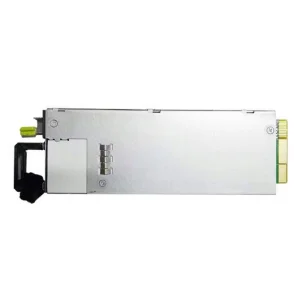
Modern 8-GPU systems regularly exceed thermal thresholds, demanding upwards of 10.2 kW per server rack. Exporters must design systems utilizing redundant, high-efficiency power supplies (such as HVDC or titanium-rated PSUs) paired with vapor chambers or custom liquid-to-air cooling options.
In the current AI landscape, procuring hardware goes far beyond comparing raw TFLOPS. Organizations evaluating GPU manufacturers and exporters look at custom server topologies, system integration capabilities, and cooling mechanics. Deploying models like DeepSeek-R1, Llama, and proprietary custom neural nets requires tight hardware-software alignment. A system configuration with mismatched RAM, inefficient cooling, or high-latency inter-node networking will choke GPU processing power, drastically reducing ROI.
Crucial Metrics for Evaluating Manufacturers, Engineering Competency, and Total Cost of Ownership (TCO)
| Evaluation Parameter | Legacy Standards | Next-Generation GPU Standards | Enterprise Business Impact |
|---|---|---|---|
| Processor Interconnect | PCIe Gen 3.0 / 4.0 x16 (Up to 64 GB/s) | PCIe Gen 5.0 (128 GB/s) & SXM5 Custom Interconnects | Eliminates bus bottlenecks during massive multi-billion parameter data transfers. |
| Memory Architecture | DDR4 Server Memory (2933/3200 MHz) | High-speed DDR5, NVMe caching pools, and on-die HBM3e | Increases memory throughput, mitigating system bottlenecking in real-time LLM inference. |
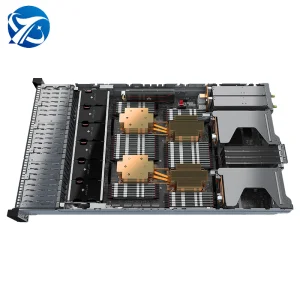
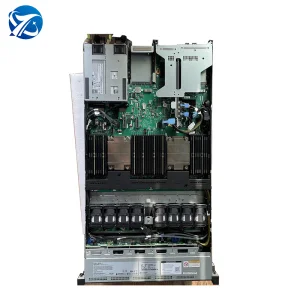
| Thermal Management | Basic air cooling with standard high-RPM chassis fans | Vapor chambers, direct liquid cooling loops, and dedicated heat-pipe modules | Prevents thermal throttling, ensuring sustained compute frequencies over long training runs. |
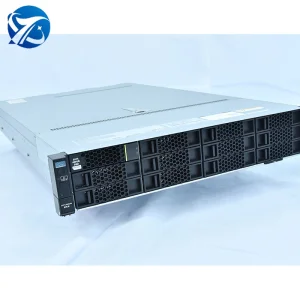
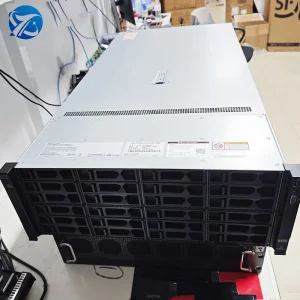
| Chassis Integration | Standard general-purpose 1U/2U server frames | Optimized 4U/8U node designs with multi-GPU backplanes | Supports high-density computing arrays while preserving access for field maintenance. |
Hardware acquisition cost represents only a portion of the Total Cost of Ownership (TCO) in an AI cluster. Procuring entities must analyze the following structural components when choosing an exporter or manufacturer:
A Globally Recognized Leader in AI GPU Servers, High-Performance Computing Clusters, and Enterprise Cloud Solutions
Founded in 2016, Tensorium Intelligent Technology Co., Ltd. is a professional manufacturer and global supplier of high-performance AI GPU servers, GPU clusters, and intelligent computing infrastructure solutions. We specialize in delivering reliable, scalable, and customized computing platforms for artificial intelligence training, inference, deep learning, HPC, and enterprise data center applications.
Located in Guangdong, China, Tensorium operates a modern manufacturing facility covering over 380㎡ and serves customers across North America, Europe, the Middle East, Southeast Asia, and other global markets. With years of experience in the AI computing industry, we have established a strong reputation for product quality, engineering expertise, and responsive customer service.
Innovation is at the core of our business. Our R&D team consists of over 120 experienced engineers dedicated to developing advanced GPU server architectures, AI cluster solutions, and customized computing systems. Last year alone, we successfully launched more than 80 new products and configurations tailored to emerging AI workloads and evolving customer requirements.
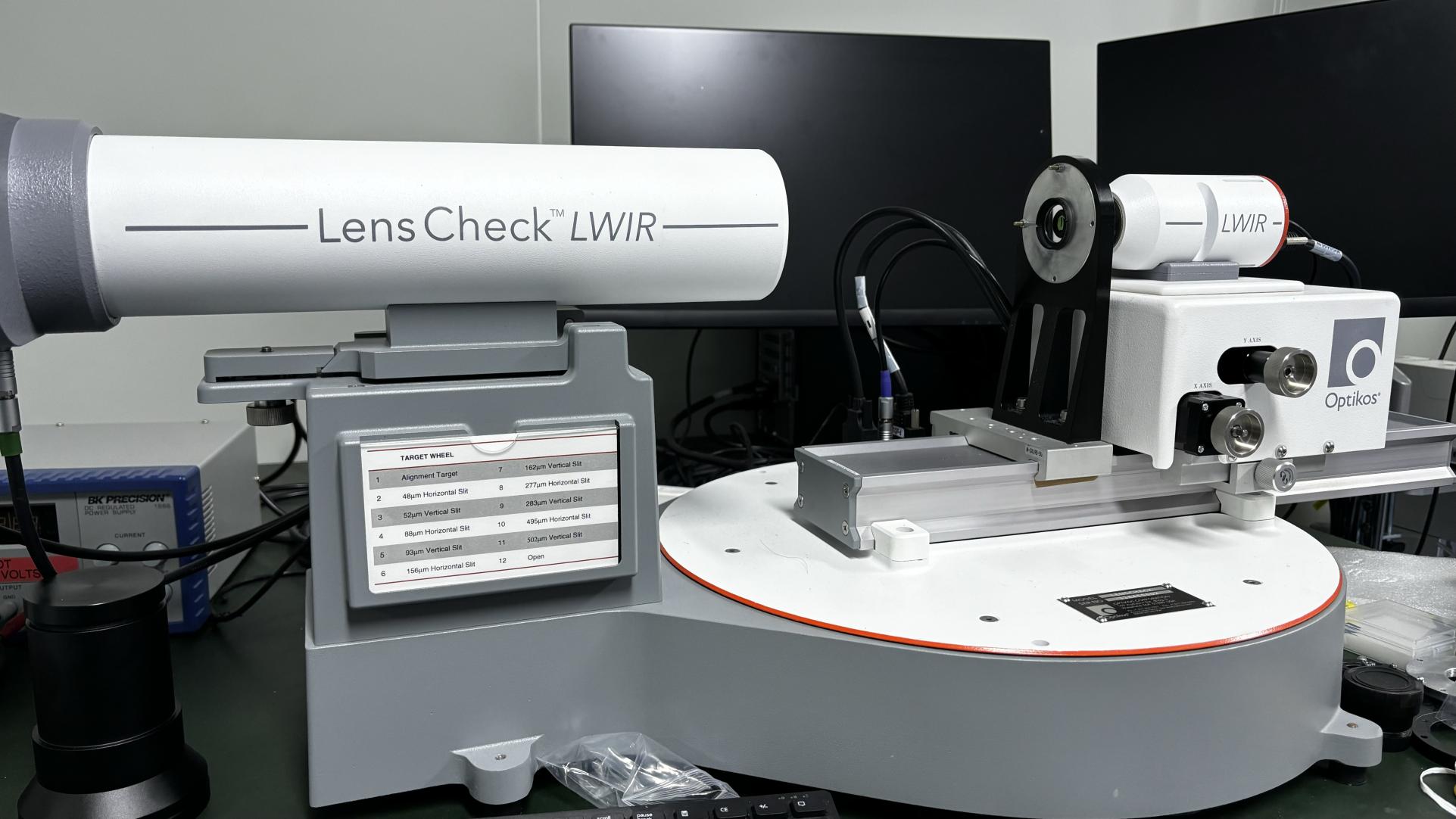

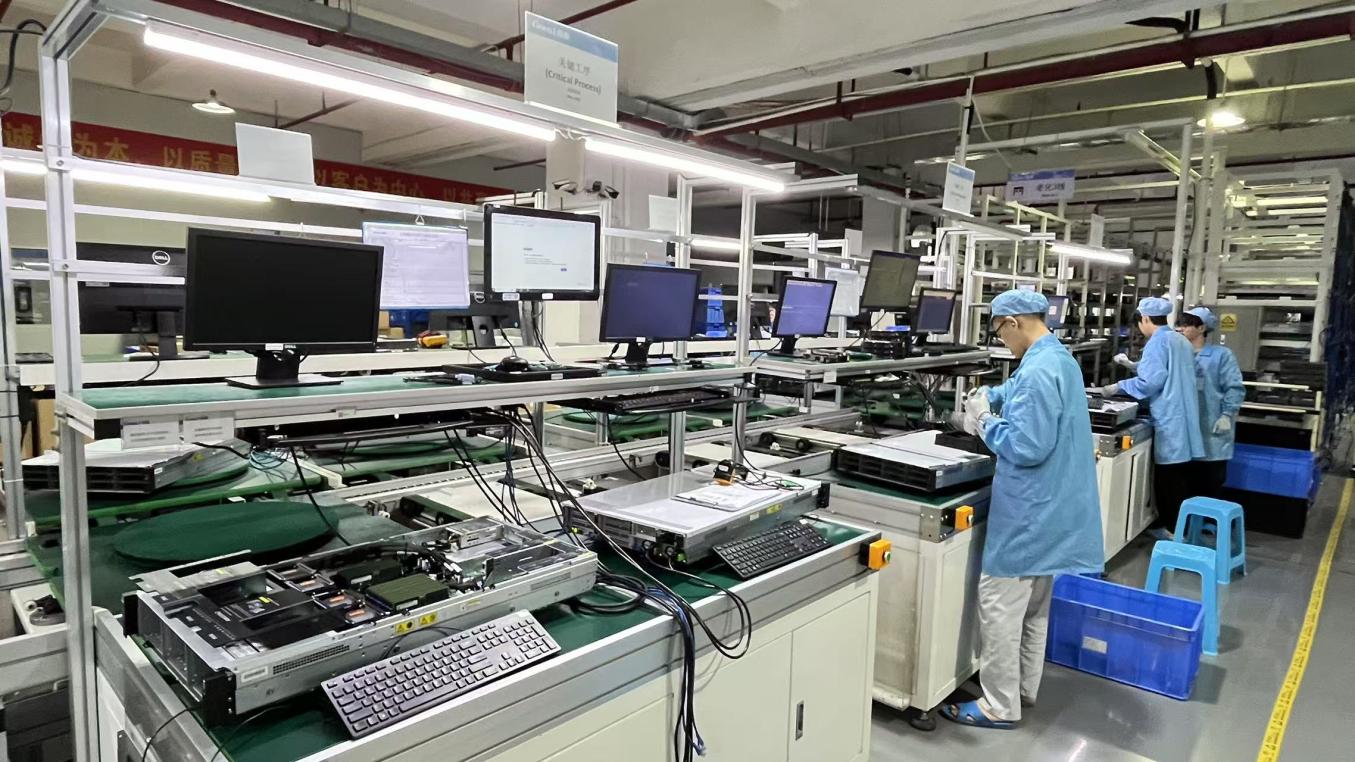
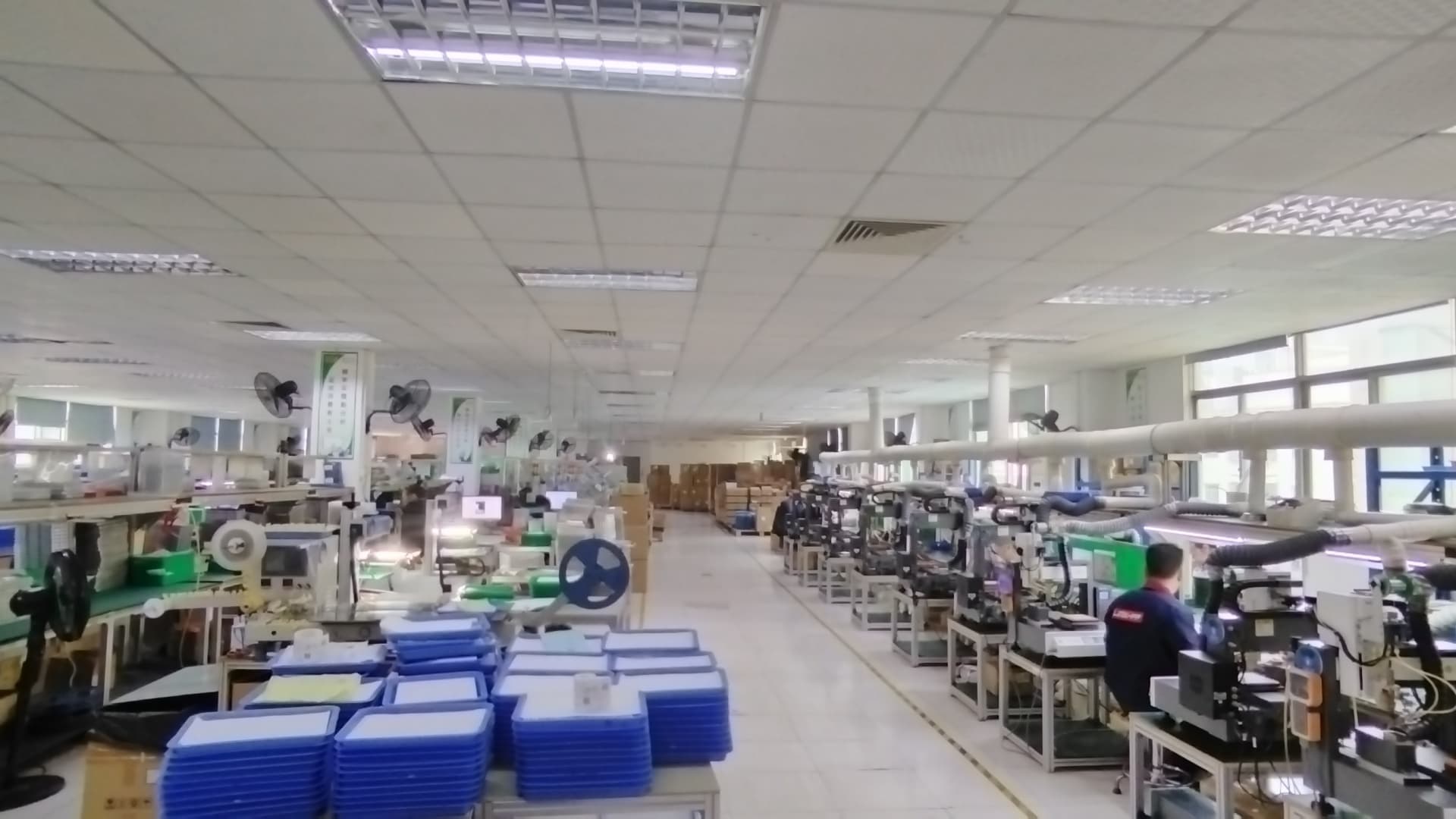
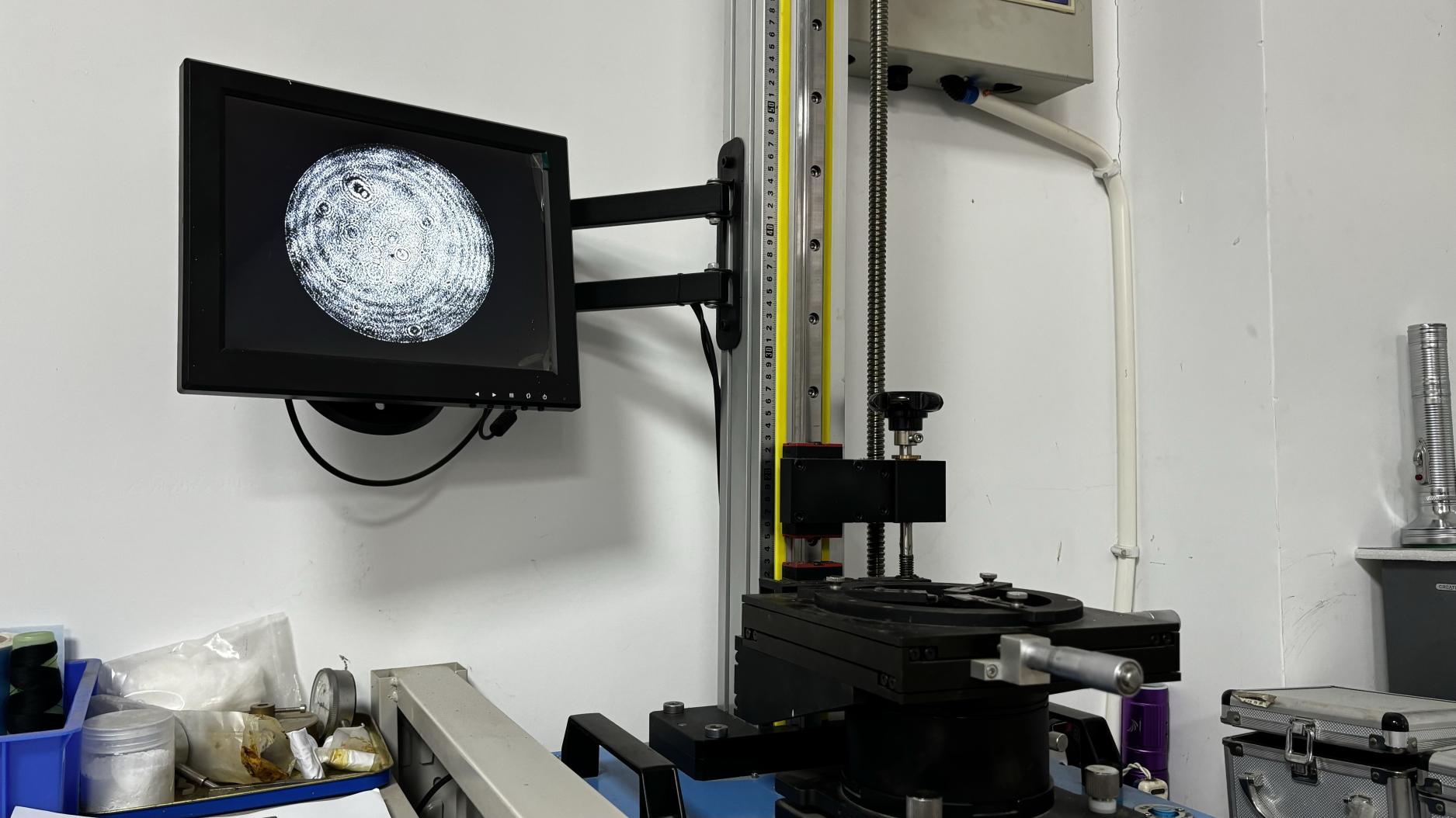
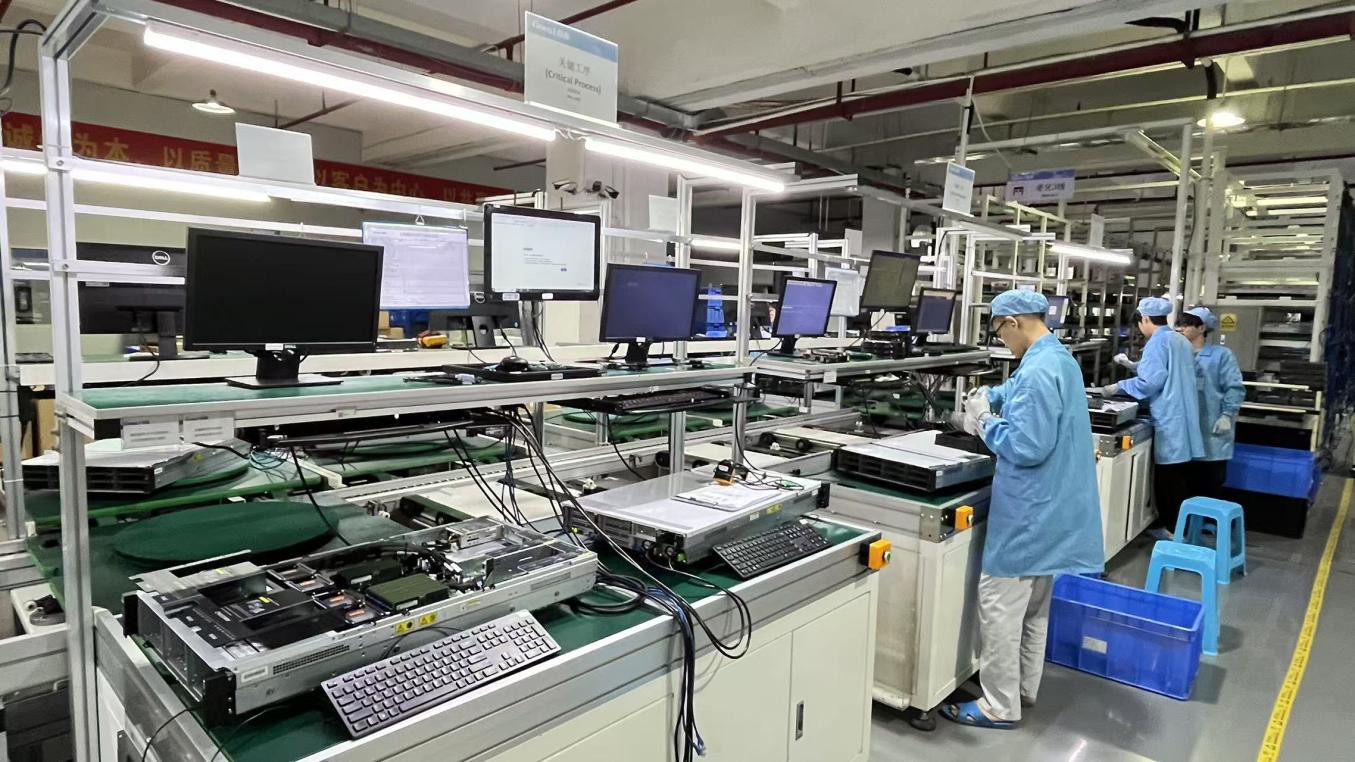
How Dynamic Industrial Integration, Rapid Prototyping, and Direct Access to Core Component Suppliers Benefit Global Buyers
Located in the heart of China’s electronics hub, our facility benefits from immediate proximity to leading manufacturers of high-speed memory modules, PCBs, server-grade power supplies (PSUs), and network adapters. This cluster advantage minimizes transit time for key sub-components, shielding our production cycles from global supply shocks.
Our proximity to rapid prototyping facilities allows us to modify chassis, optimize heat pipe configurations, and manufacture custom mounting components within days rather than weeks. This level of physical customization ensures clients receive systems built for their unique rack footprints and heat constraints.
Proximity to Shenzhen and Guangzhou ports enables containerized and air shipments to clear customs rapidly. With over 8 years of dedicated export compliance handling, Tensorium guarantees that documentation, custom duties pathways, and multi-modal transit networks operate seamlessly.
Ensuring Regulatory Alignment, Operational Safety, and Local Engineering Integration Across International Borders
Sourcing AI server infrastructure from abroad requires navigating national and international regulatory frameworks. Tensorium ensures all exported GPU nodes conform strictly to global electrical and environmental mandates:
To eliminate deployment delays, Tensorium maintains partnership networks with local systems integrators and engineering firms in our primary target markets:
Aligning GPU Hardware Capabilities with Real-World High-Performance Workloads
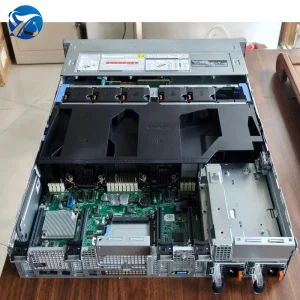
For model architectures like DeepSeek-R1 or Llama, training requires highly reliable clusters. Tensorium's high-density 2U and 8U GPU servers optimize data delivery through NVLink/NVSwitch equivalents, reducing model convergence times and eliminating compute idle states.
Low-latency requirements for autonomous driving systems, image analysis pipelines, and online text processing require instant inference processing. Utilizing low-power edge accelerators alongside high-speed network interfaces ensures that incoming packet latency is kept under 5 milliseconds.
Scientific exploration environments—including climate forecasting, oil & gas exploration, and structural biology analysis—rely on double-precision (FP64) compute modules. Our customized motherboards enable dual-socket Intel or AMD processors to feed accelerators with continuous calculations without stalling the system bus.
Technical Sourcing and Architecture Inquiries Answered by Our Engineering Directors
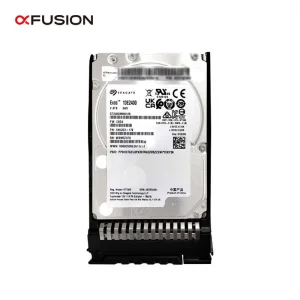
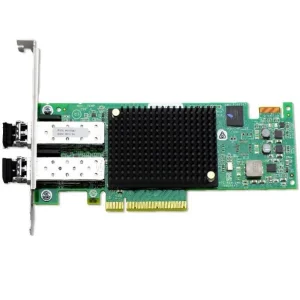
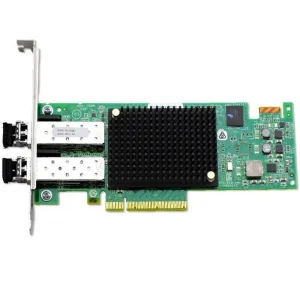
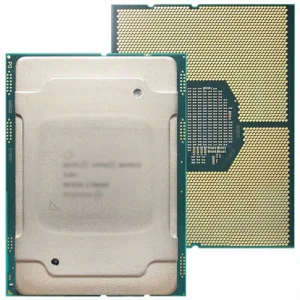
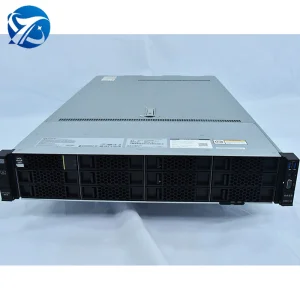
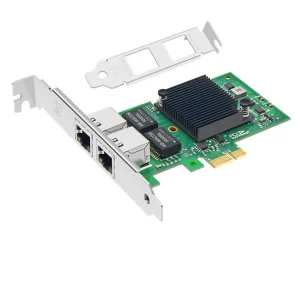
Complete your deployment with enterprise-grade HBA networking controllers, processor configurations, storage expansion drives, and dense GPU cloud racks.