Tensorium
Tensorium
Tensorium
In the era of Generative AI, LLMs (Large Language Models), and hyperscale data centers, Server Monitoring Tools have transcended basic status checks. They are now the heartbeat of operational continuity. As a leading manufacturer and supplier, Tensorium Intelligent Technology provides the critical hardware-level telemetry and software integration necessary to maintain 99.999% uptime. This guide explores how OEM/ODM customization is reshaping the monitoring landscape, particularly within the robust manufacturing ecosystem of South China.
Modern monitoring encompasses BMC (Baseboard Management Controller), IPMI 2.0, Redfish API integration, and real-time environmental sensing. For global enterprises, the goal is "Observability"—not just knowing that a server is down, but predicting a failure before it happens via AI-driven analytics.
Located in Guangdong, the world's electronics hub, we provide unparalleled access to PCB assembly, sensor fabrication, and high-speed networking components. This proximity reduces Time-to-Market (TTM) for custom ODM monitoring solutions by 40%.
Leveraging Chinese manufacturing scale allows us to integrate high-end features like Liquid Cooling Leakage Detection and Per-GPU Power Telemetry into standard monitoring modules at a fraction of the cost of Western competitors.
Whether it’s a proprietary BMC firmware or a specialized hardware watchdog timer, Chinese manufacturers offer the flexibility to modify hardware at the circuit level, ensuring the monitoring tool fits your specific rack architecture.
The shift from reactive to proactive. Modern tools use machine learning to analyze heat signatures and voltage fluctuations, predicting SSD or PSU failures weeks in advance.
As AI moves to the edge, monitoring tools must be lightweight and operate over low-bandwidth connections (LoRaWAN/5G) while maintaining robust security protocols.
Real-time PUE (Power Usage Effectiveness) monitoring is now a requirement. Manufacturers are integrating carbon footprint tracking directly into the server management interface.
Monitoring NVIDIA/AMD GPU thermals, NVLink stability, and infiniband throughput to prevent "throttling" during massive deep learning jobs.
High-frequency trading requires microsecond-level latency monitoring. Our tools provide sub-millisecond hardware timestamping for packet analysis.
Remote management for distributed nodes in urban environments, featuring environmental sensors for humidity, dust, and physical intrusion.
Founded in 2016, Tensorium Intelligent Technology Co., Ltd. is a professional manufacturer and global supplier of high-performance AI GPU servers, GPU clusters, and intelligent computing infrastructure solutions. We specialize in delivering reliable, scalable, and customized computing platforms for artificial intelligence training, inference, deep learning, HPC, and enterprise data center applications.
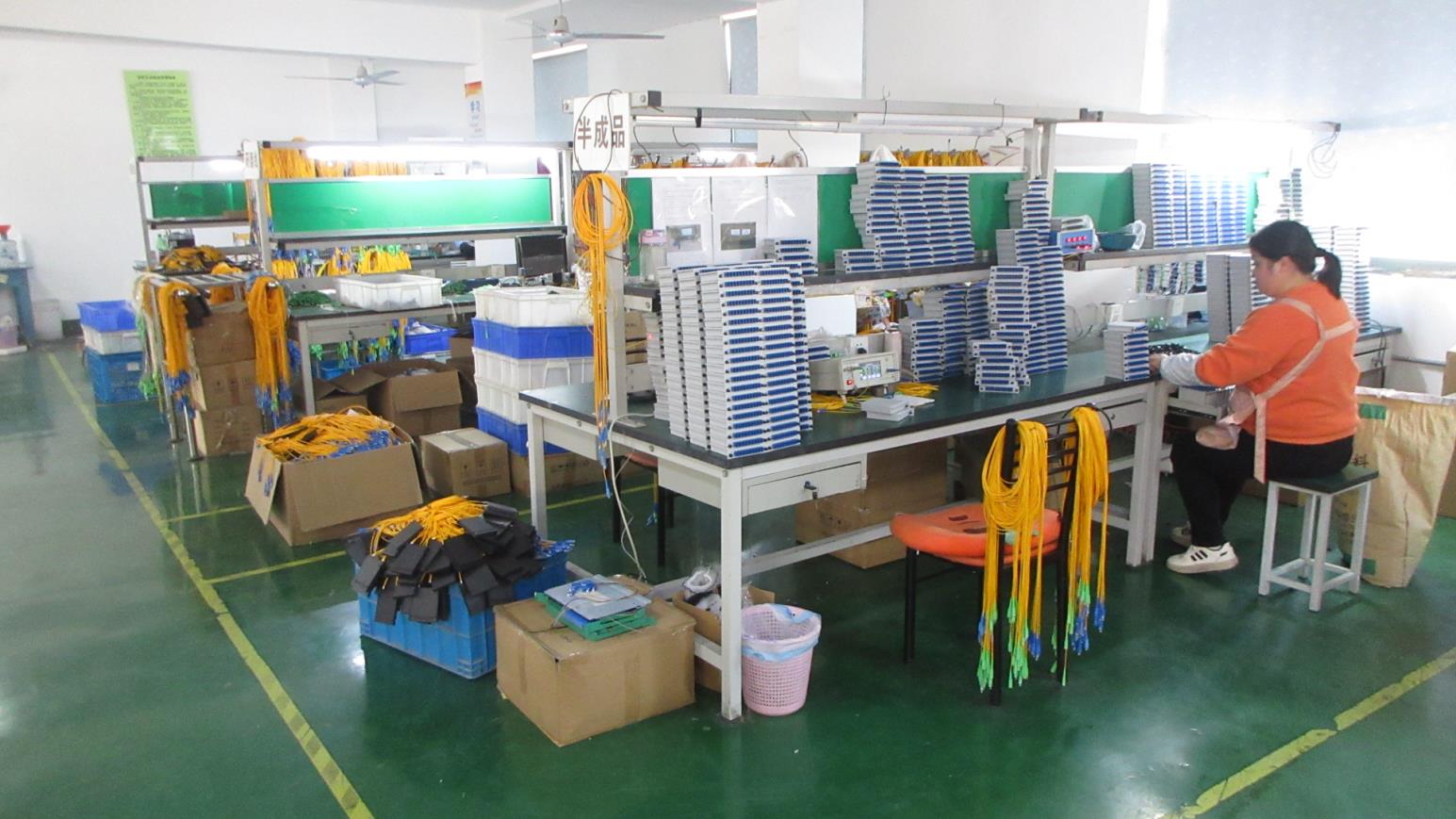
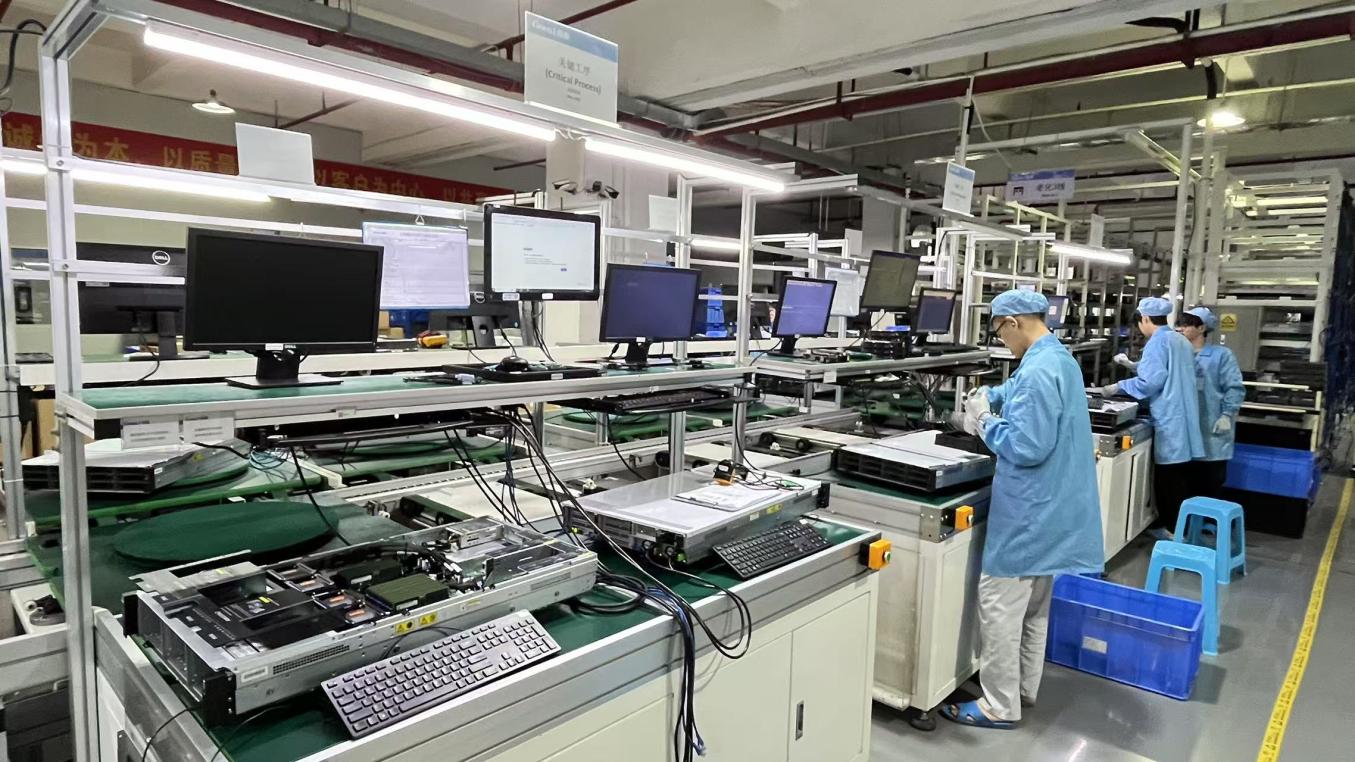
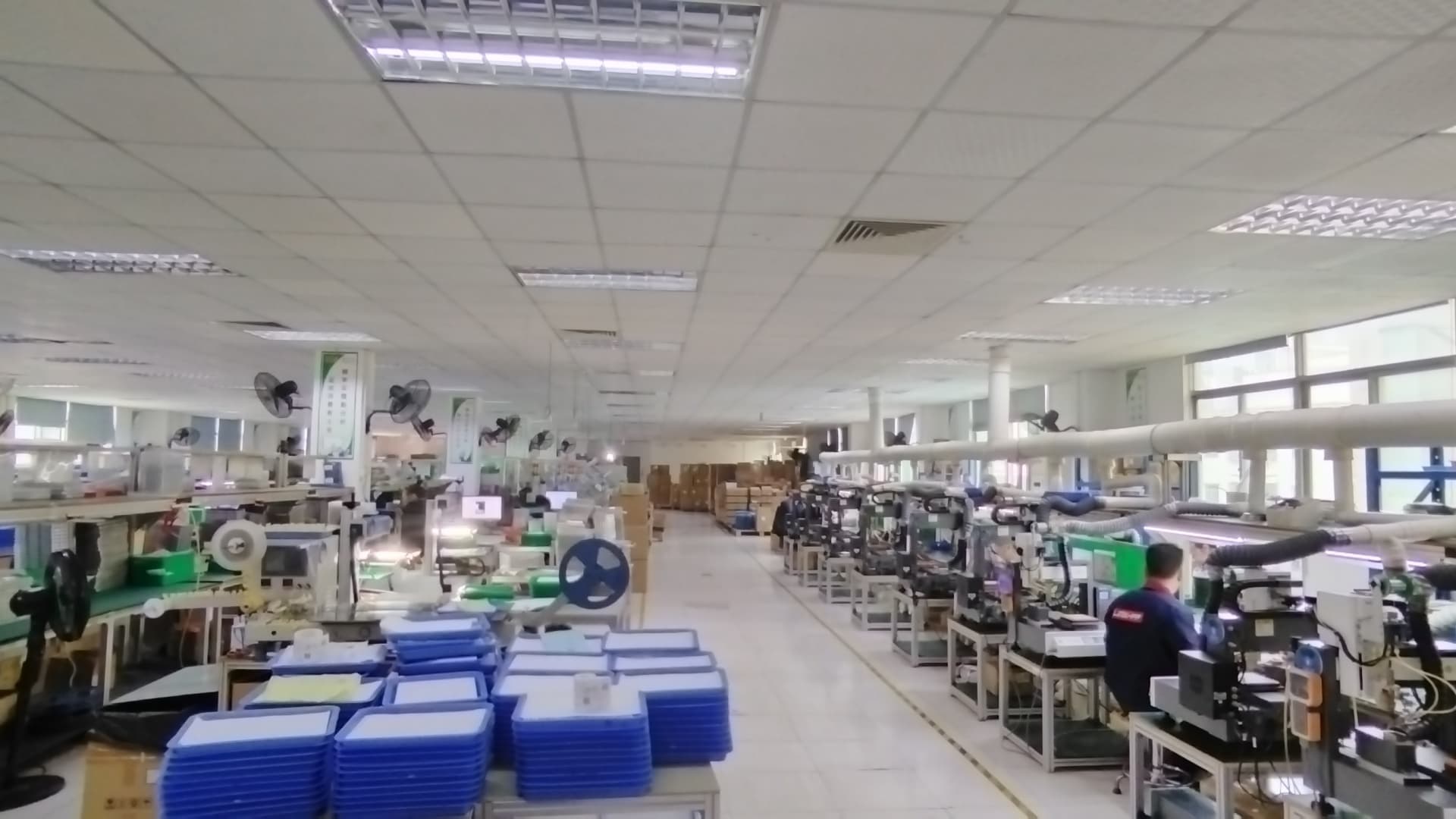
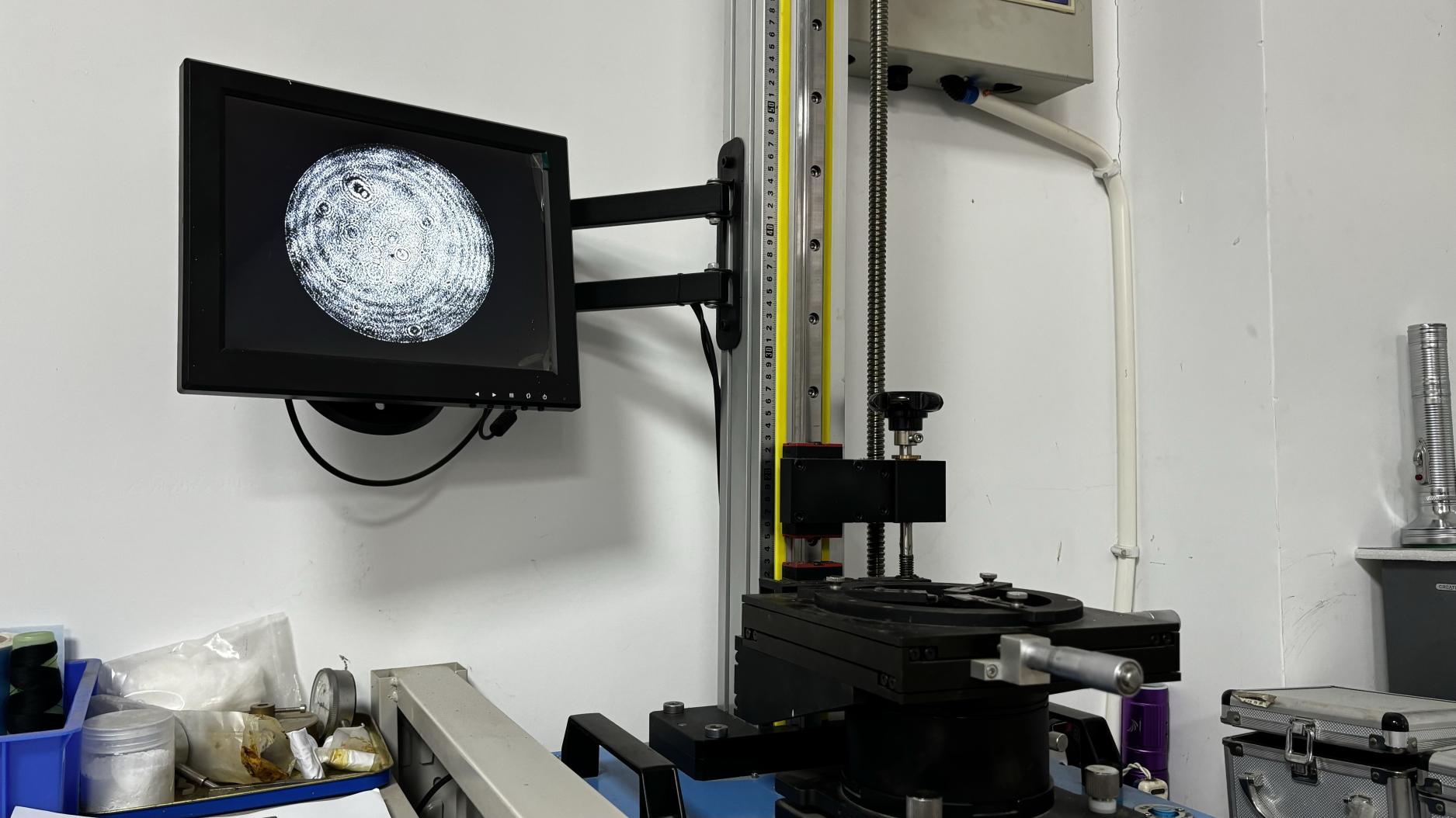
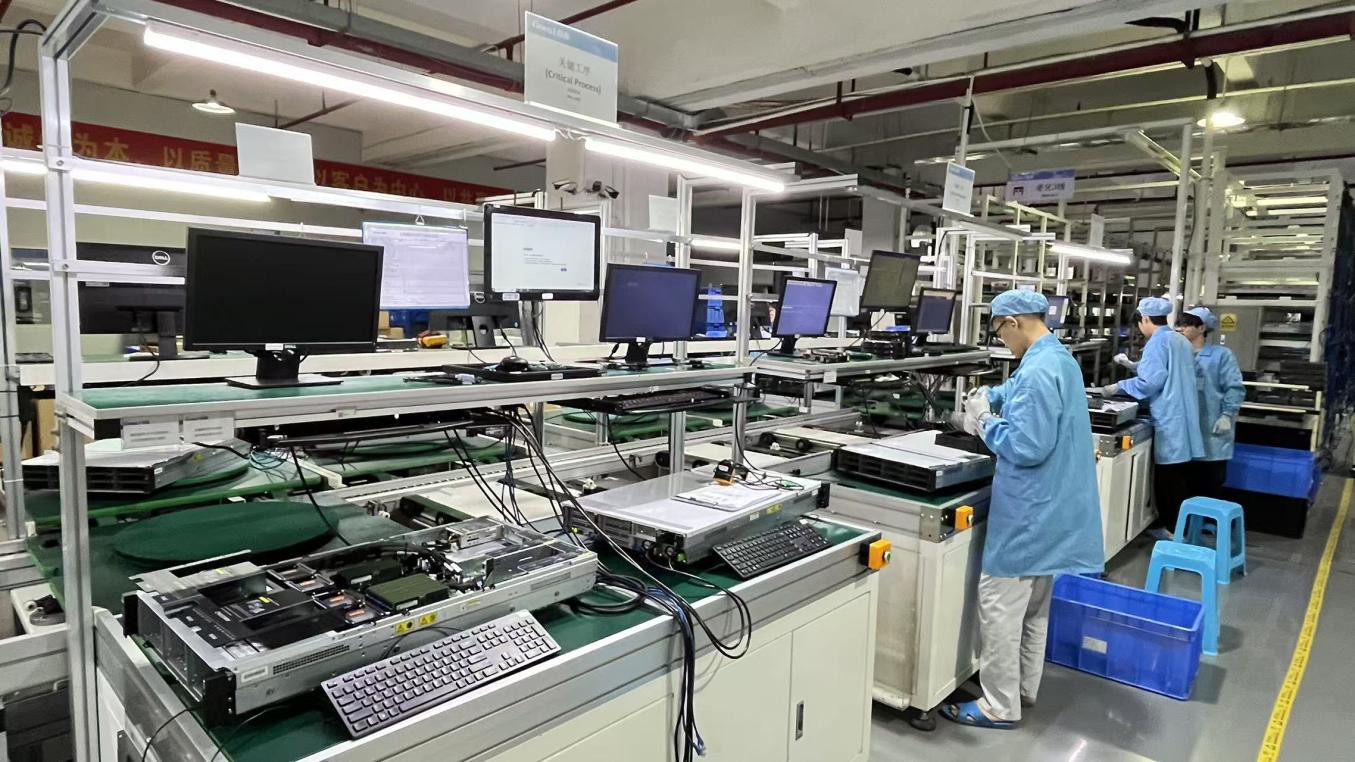
Quality is embedded throughout our manufacturing process. Tensorium maintains strict quality control standards with a dedicated team of 45 quality inspectors. Every product undergoes comprehensive inspections, including component verification, assembly inspection, system integration testing, burn-in testing, thermal performance validation, stability testing, and final quality assurance before shipment.
Yes. As an ODM specialist, we provide customized BIOS and BMC (Baseboard Management Controller) development, supporting OpenBMC or proprietary stacks with enhanced encryption, Root of Trust (RoT), and multi-factor authentication for remote access.
Our solutions support a comprehensive range of industry-standard protocols including IPMI 2.0, SNMP v2/v3, Redfish API (for modern RESTful management), and specialized agents for Prometheus and Grafana integration.
We integrate specialized leak detection sensors and coolant flow meters that talk directly to the server's management bus. If a leak or drop in pressure is detected, the monitoring tool can trigger an emergency shutdown of the affected node to prevent hardware damage.
For standard hardware configurations with firmware customization, lead time is typically 4-6 weeks. For full ODM hardware design (new PCB/Sensor layout), it ranges from 12-16 weeks including prototyping and validation.
We offer 24/7 remote technical support and work with local system integrator partners in North America and Europe to provide on-site assistance for large-scale cluster deployments.