Tensorium
Tensorium
Tensorium
Select configurations optimized for heavy computational analytics, SQL databases, and deep learning neural network operations.
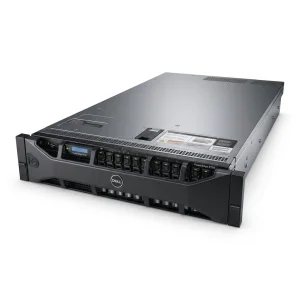
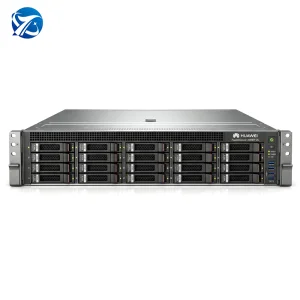
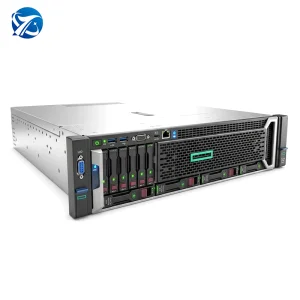
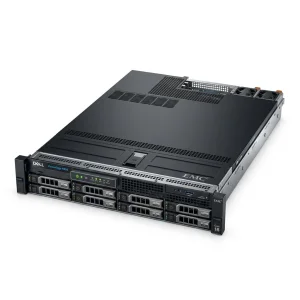
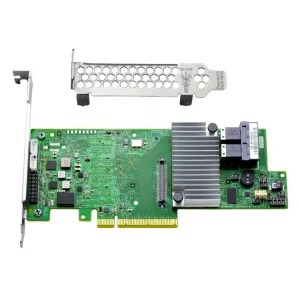
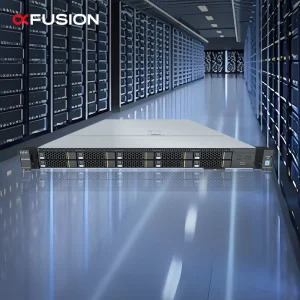
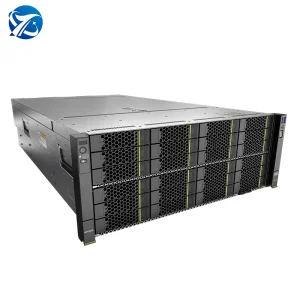
The global enterprise ecosystem is experiencing an unprecedented inflection point. High-Performance Computing (HPC) is no longer confined to academic research laboratories. Instead, the rapid evolution of generative artificial intelligence models, LLMs, and dense analytical platforms has turned custom HPC configurations into the fundamental bedrock of modern commerce and industrial operation.
Today's data-driven architectures demand specialized hardware integration. The computational workloads of tomorrow require deep consideration of thermal dissipation dynamics, high-density PCIe lane utilization, ultra-low latency host bus adapters (HBAs), and high-frequency memory designs. Organizations must optimize their architectures to support massive parallel workloads while mitigating power density limitations.
How Tensorium bridges the technical gap between global chipsets and custom-tailored data center deployments.
We work closely with structural and network architects to customize motherboard layout, PCIe routing configurations, and specialized storage controllers to meet specific enterprise operational criteria.
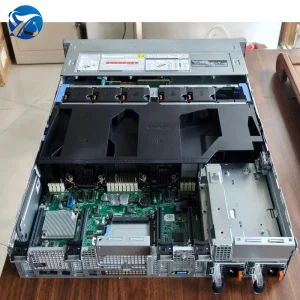
Developing dedicated chassis prototypes from 1U server frames to complex 4U multi-GPU architectures. Our engineers execute computerized computational fluid dynamics (CFD) to optimize air flow paths.
We provide full white-label hardware services, custom BIOS integration, custom chassis paint finishes, silk-screen logos, and optimized kernel loading for enterprise deployments.
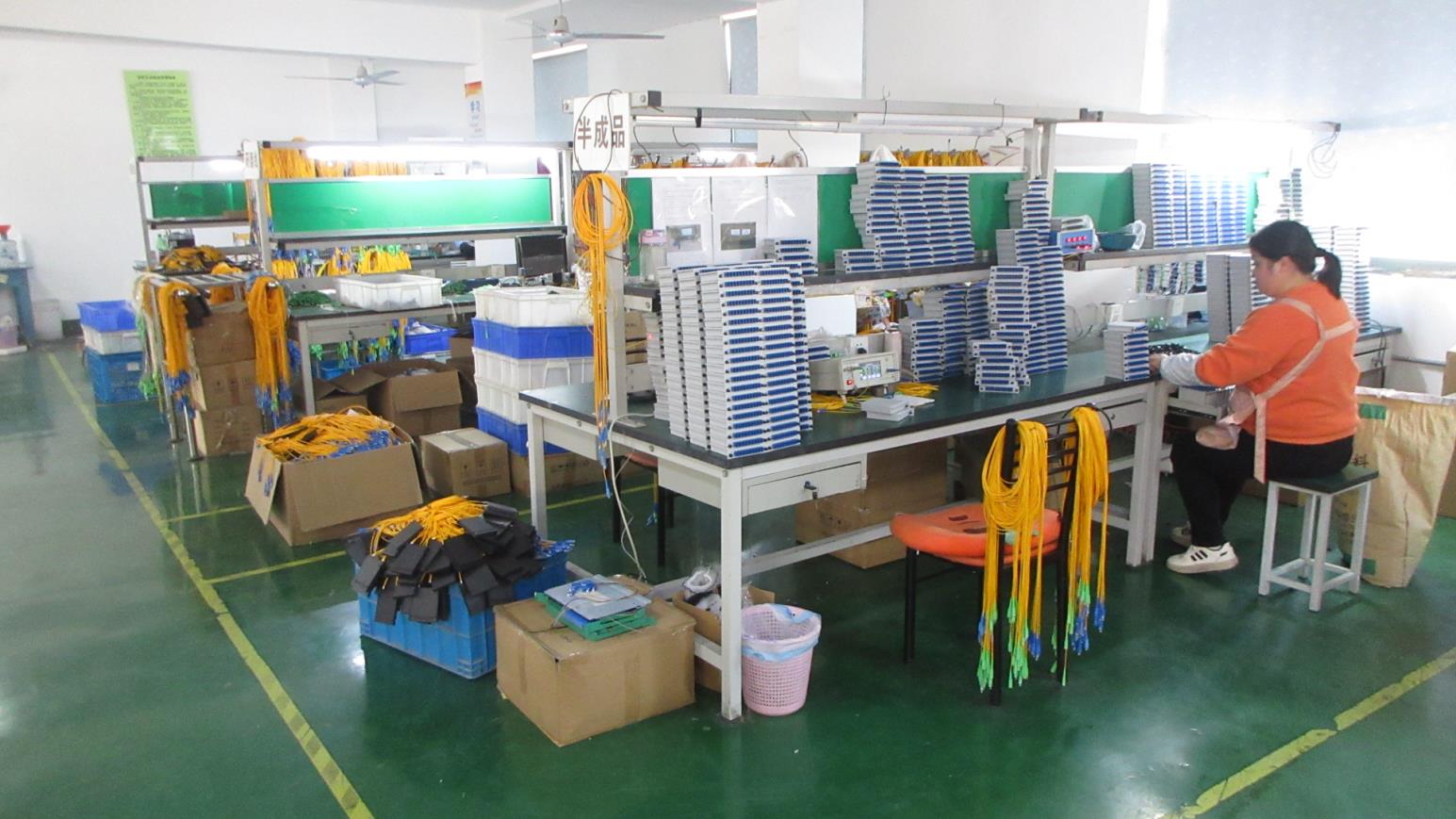
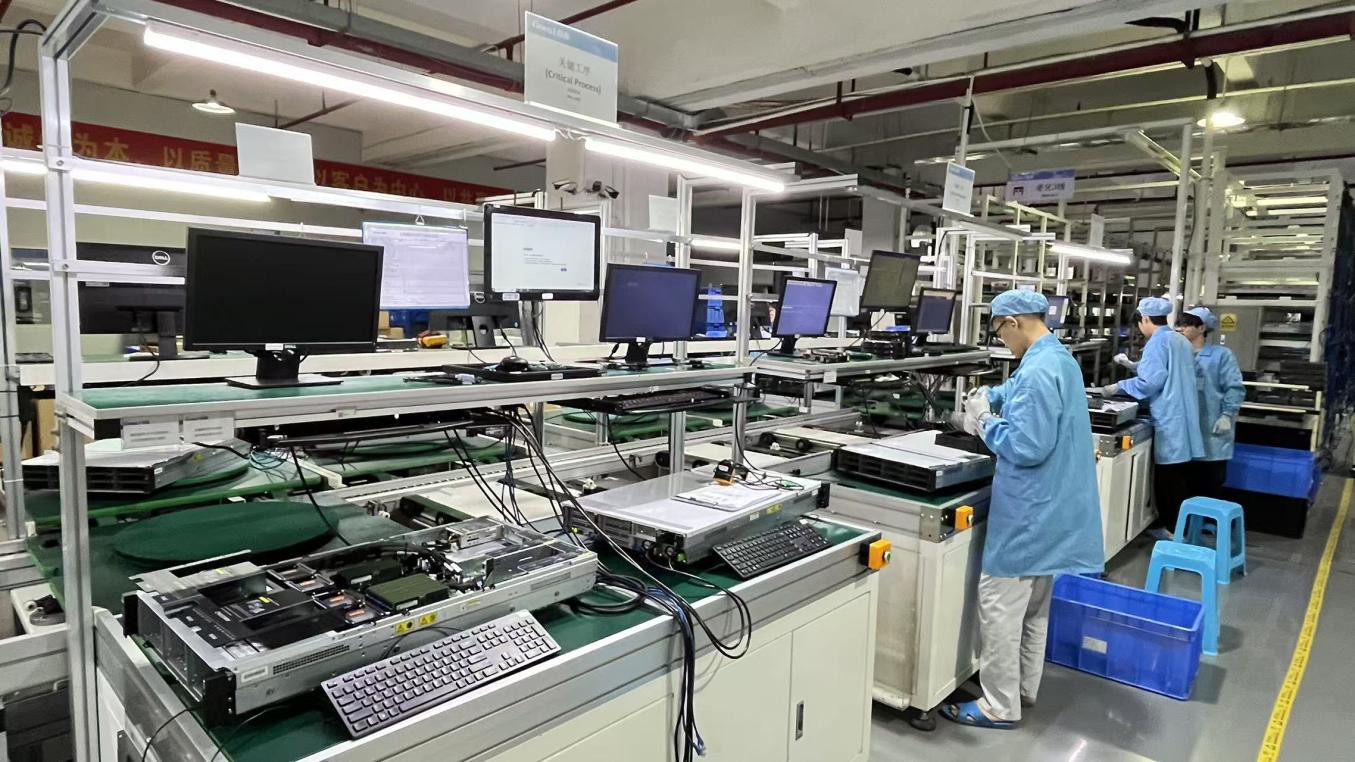
Our production facilities are located in Guangdong, China—the global focal point of computing component supply chains. This strategic location enables us to secure critical parts, custom IC substrates, and specialized rack accessories at unparalleled speed.
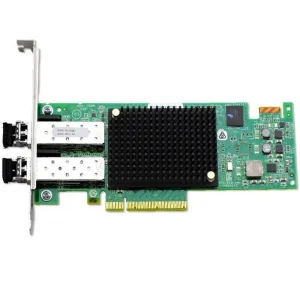
With a comprehensive network of over 1,200 trusted hardware partners, we mitigate global supply chain shortages. This enables us to maintain inventory of highly requested enterprise memory modules, SSDs, and host bus adaptors, ensuring rapid delivery times even for large-scale custom integrations.
Our agile factory processes allow us to fast-track prototype models to full production lines within weeks. This provides our global clients with a distinct time-to-market advantage when deploying newer computing architectures.
Enterprise computing demands application-specific component combinations. We build servers tuned for target workloads.
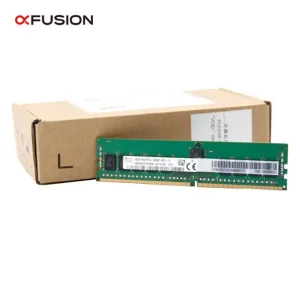
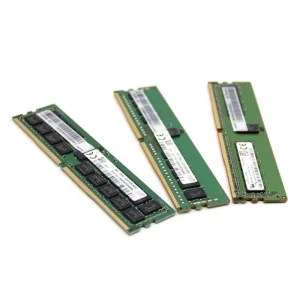
Large-scale corporate software systems require extreme I/O speeds and memory capacities. Our platforms leverage custom high-density DDR4/DDR5 ECC RAM modules paired with high-write endurance NVMe/SATA SSD pools to ensure system responsiveness and eliminate bottlenecks.
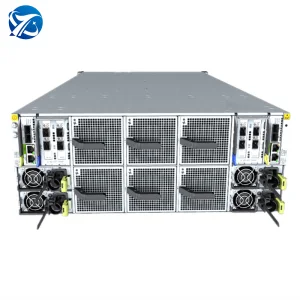
Leveraging high-density GPU nodes optimized for model training and parallel compute engines. Our multi-GPU designs maximize computational density in 1U, 2U, and 4U chassis envelopes, supporting complex deployments like DeepSeek.
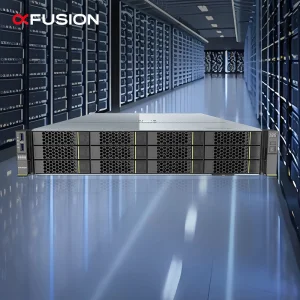
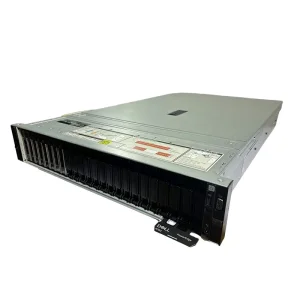
Edge nodes demand structural reliability and thermal efficiency. Our 1U space-saving platforms enable telecom operators and hosting providers to deploy high-throughput applications in restricted colocation setups.
Founded in 2016, Tensorium Intelligent Technology Co., Ltd. is a professional manufacturer and global supplier of high-performance AI GPU servers, GPU clusters, and intelligent computing infrastructure solutions. We specialize in delivering reliable, scalable, and customized computing platforms for artificial intelligence training, inference, deep learning, HPC, and enterprise data center applications.
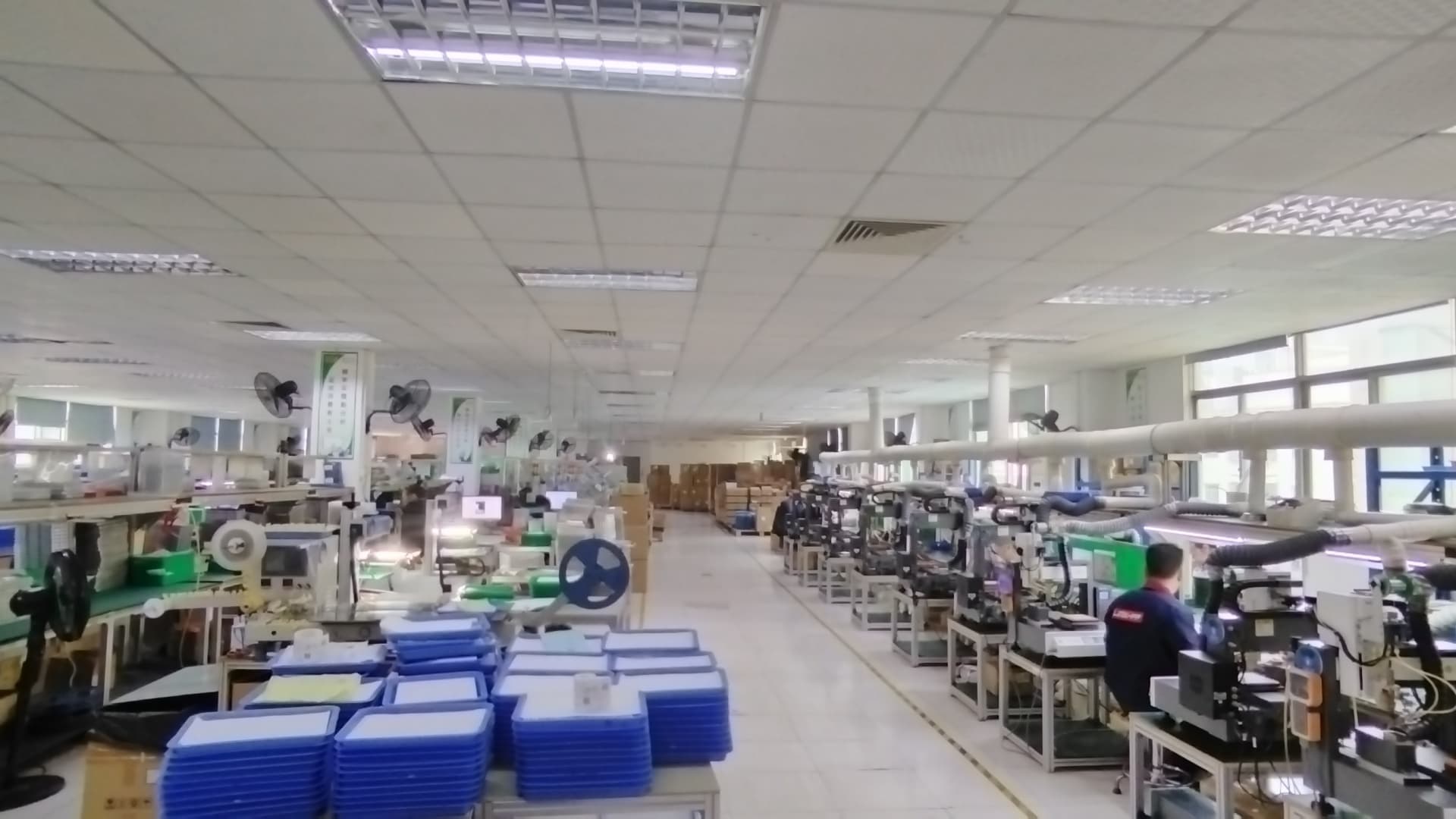
Located in Guangdong, China, Tensorium operates a modern manufacturing facility covering over 380㎡ and serves customers across North America, Europe, the Middle East, Southeast Asia, and other global markets. With years of experience in the AI computing industry, we have established a strong reputation for product quality, engineering expertise, and responsive customer service.
Our annual export revenue exceeds USD 18 million, supported by an extensive supply chain network of more than 1,200 trusted partners worldwide. We work closely with AI startups, cloud service providers, system integrators, research institutions, enterprise customers, and data center operators seeking high-performance computing solutions.
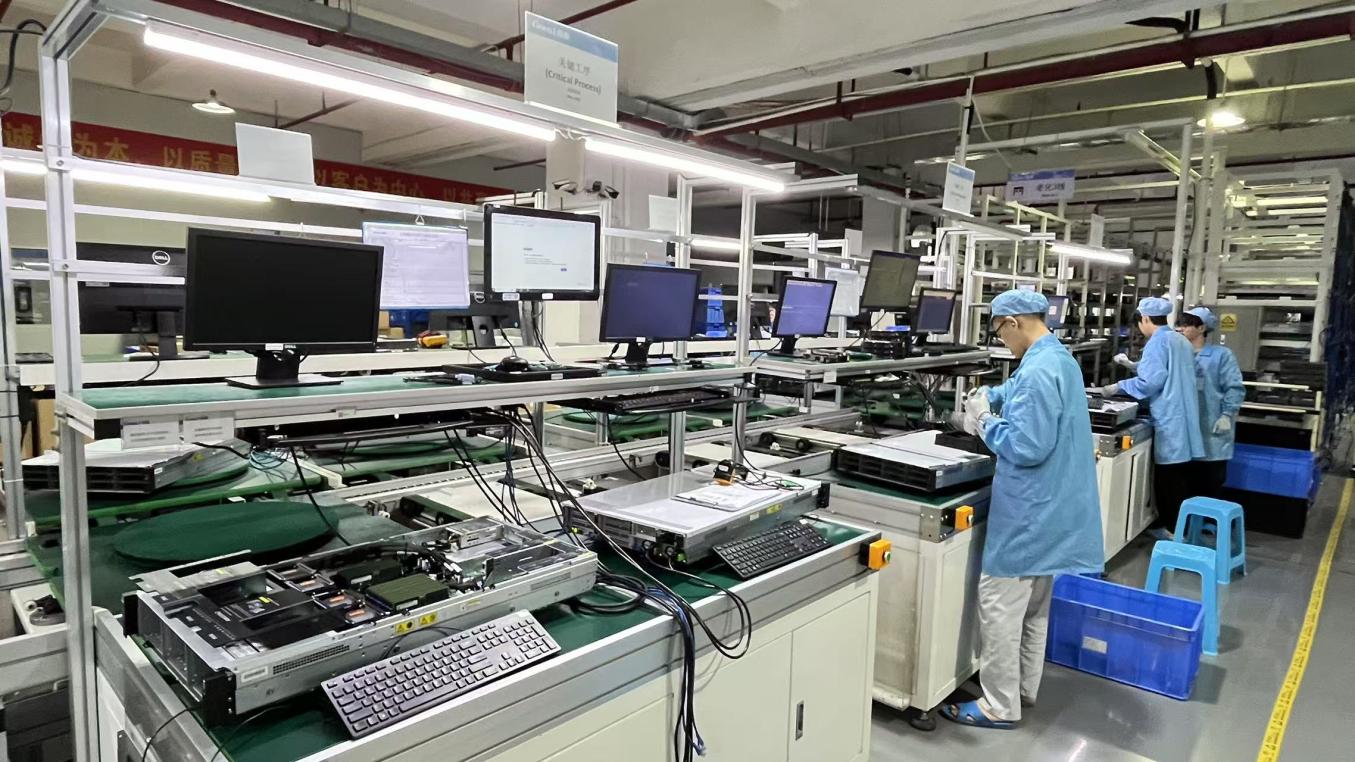
Every hardware assembly undergoes rigorous evaluation protocols before global dispatch.
We execute multi-day high-temperature load burn-in testing on full hardware configurations to detect micro-component faults and prevent infant mortality failures of core silicon components.
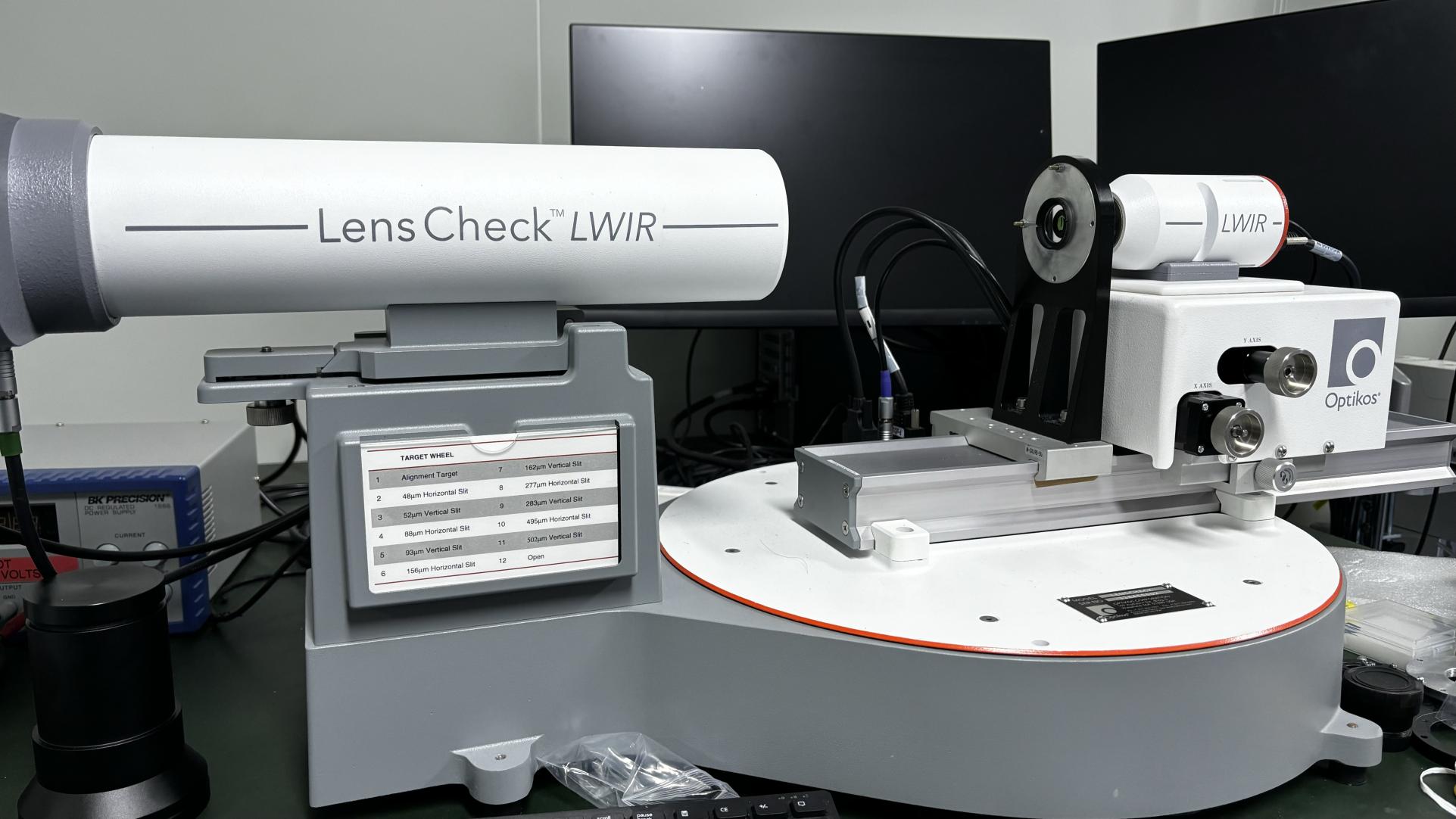
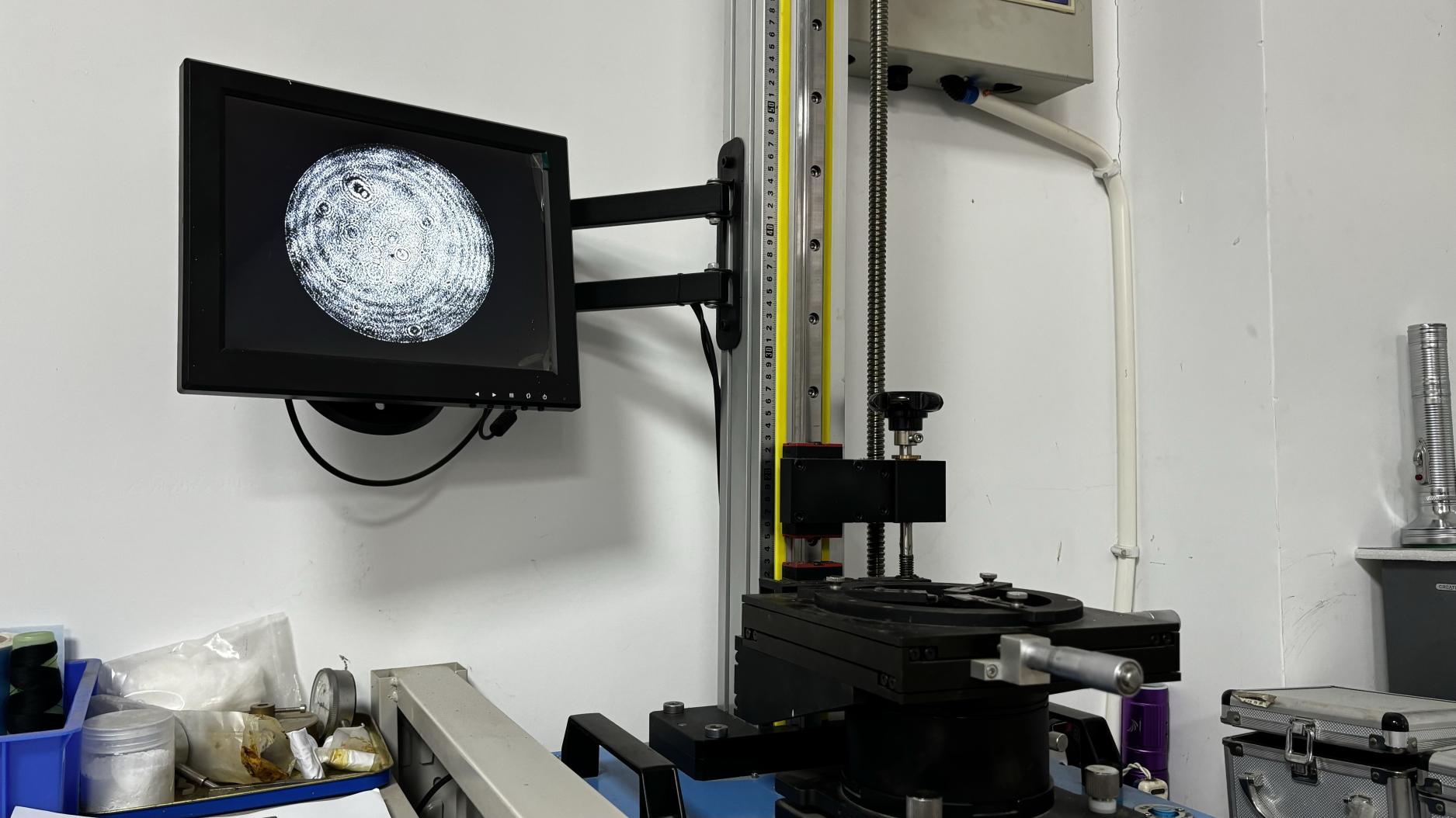
Using thermal imaging sensors, we map interior hotspots within our high-density server nodes to optimize chassis fan speeds and airflow redirection baffles under continuous workloads.
We log memory read/write cycles, network transfer speeds, and storage interface operations to confirm performance alignment with client specifications prior to dispatch.
Take a virtual tour through our Guangdong micro-assembly facility and testing bays.
Navigating computing hardware acquisition in a rapidly changing silicon landscape requires an understanding of several key metrics:
1. Future-Proofing Expansion Interfaces: Ensure that motherboards support PCIe Gen 5 configurations, which double the bandwidth compared to PCIe 4.0. This is vital for maintaining throughput in GPU-to-CPU communications and NVMe arrays.
2. Memory Density vs Bus Frequency: Modern compute engines perform optimally when system memory is populated across all channels. We recommend deploying high-speed DDR5 memory modules to maximize data transfer rates.
3. Advanced Power Management: Modern high-density platforms require power supplies with 80 Plus Platinum or Titanium efficiency certifications. This improves energy efficiency and reduces thermal loads in the rack.
4. Liquid vs. Air Cooling Deployments: Selecting appropriate cooling configurations depends on TDP requirements. While air cooling suffices for standard rack platforms, dense multi-GPU compute nodes often benefit from direct-to-chip liquid cooling setups.
5. Supply Chain Agility: Relying on single-source suppliers poses inventory risks. Partnering with suppliers that have established alternative component qualifications helps ensure long-term availability.
6. Customized Rack Integration: Specifying exact rail configurations, cabling systems, and PDU styles prior to assembly saves on-site installation time during deployment.
Addressing key architectural and logistical questions regarding high-performance server deployments.
Find high-density RAM modules, network interface adapters, and specialized rack designs for your infrastructure scaling.