Tensorium
Tensorium
Tensorium
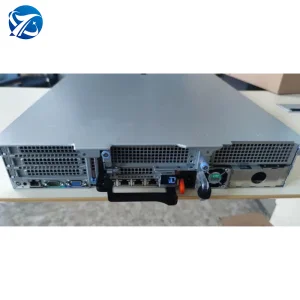
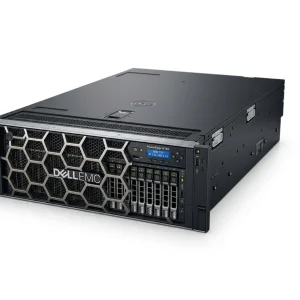
In high-frequency trading (HFT), market-making, and algorithmic arbitrage, execution latency is measured not in milliseconds, but in nanoseconds. The hardware pipeline—spanning processing cycles, PCIe bus bandwidth, NIC media access, and system BIOS execution paths—must be meticulously optimized to avoid the catastrophic cost of "dropped trades." As a leading global provider, Tensorium Intelligent Technology Co., Ltd. develops CE Certified High Frequency Trading Servers engineered specifically to address latency bottlenecks while satisfying stringent European Economic Area (EEA) safety, thermal, and electromagnetic compatibility standards.
We systematically disable power-saving states (C-states, P-states) and apply custom kernel-level BIOS profiles to prevent CPU clock fluctuations, ensuring continuous maximum execution frequency.
Our HFT server designs pass rigorous EN 55032 and EN 55035 tests, ensuring they operate without electromagnetic interference (EMI) inside high-density exchange colocation zones.
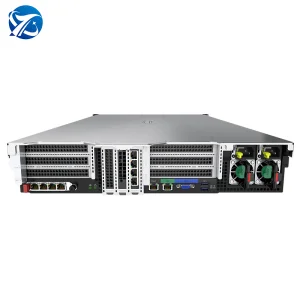
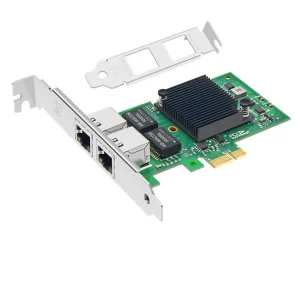
Designed with dedicated PCIe Gen 5 configurations to house ultra-low-latency FPGA smart network cards, allowing market feed parsing and packet handling in hardware logic.
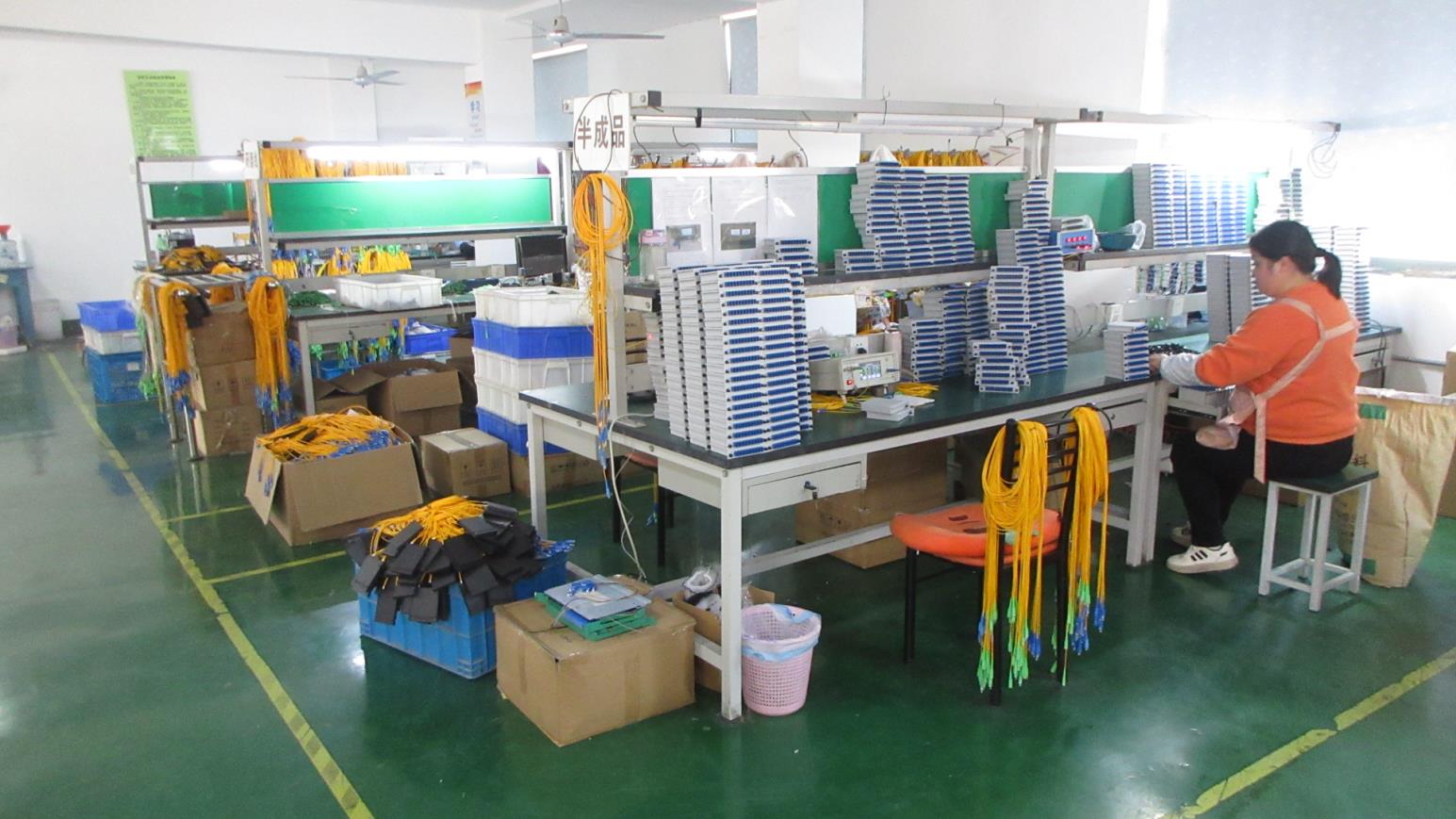
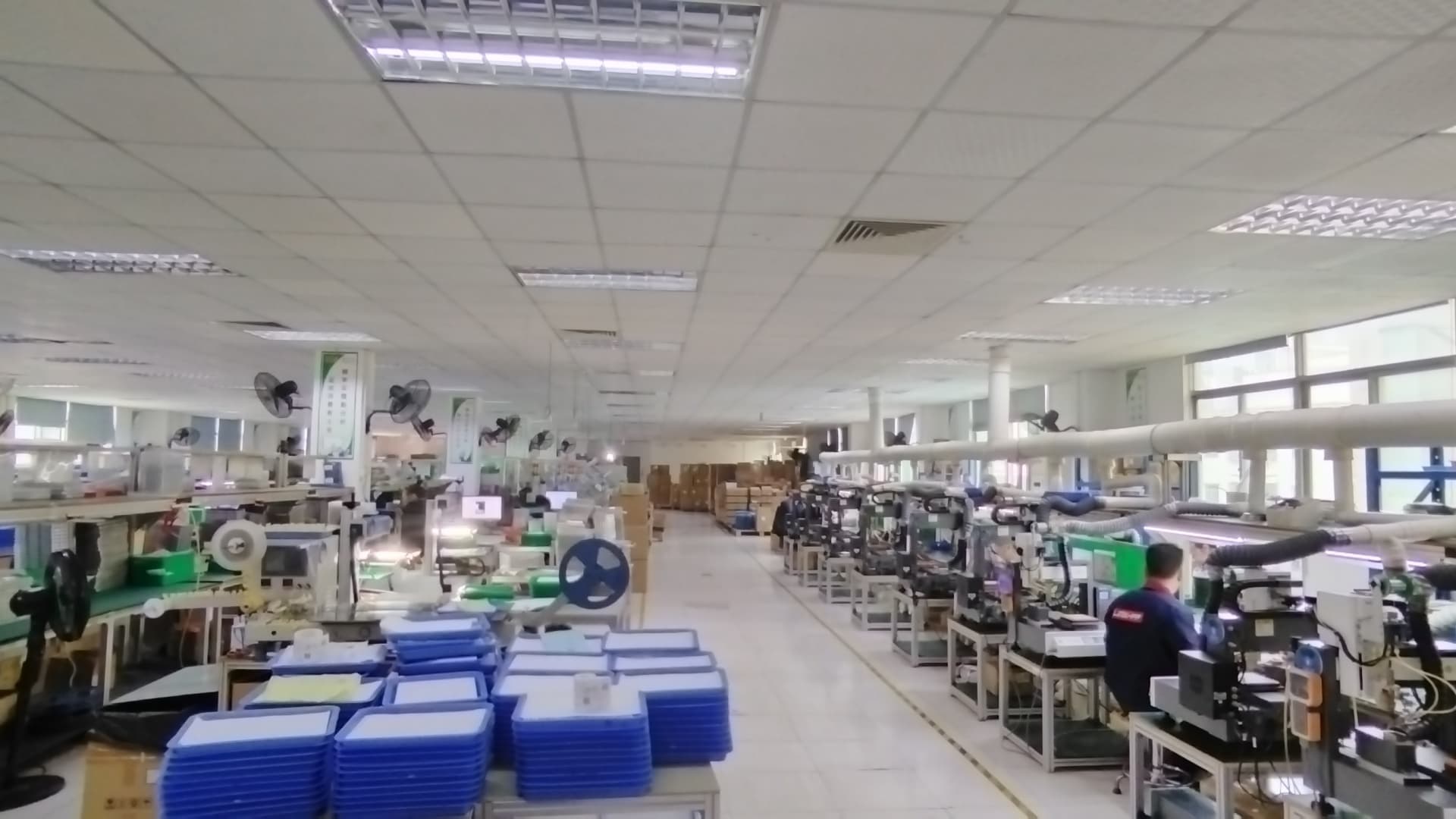
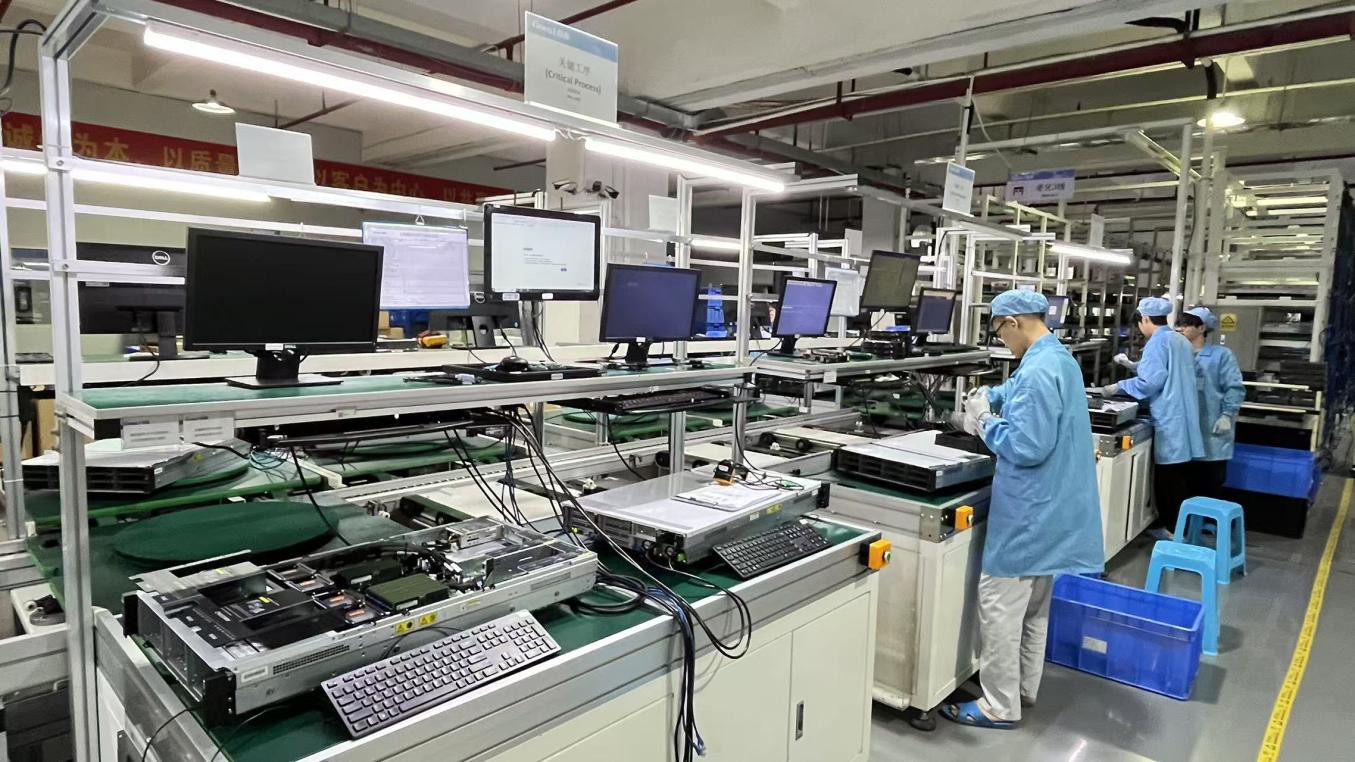
Established in 2016, Tensorium Intelligent Technology Co., Ltd. is a high-technology enterprise specializing in customized computing infrastructure, server motherboard manufacturing, and specialized cluster designs. Operating from our state-of-the-art facility in Guangdong, China, we combine deep supply chain advantages with professional engineering oversight.
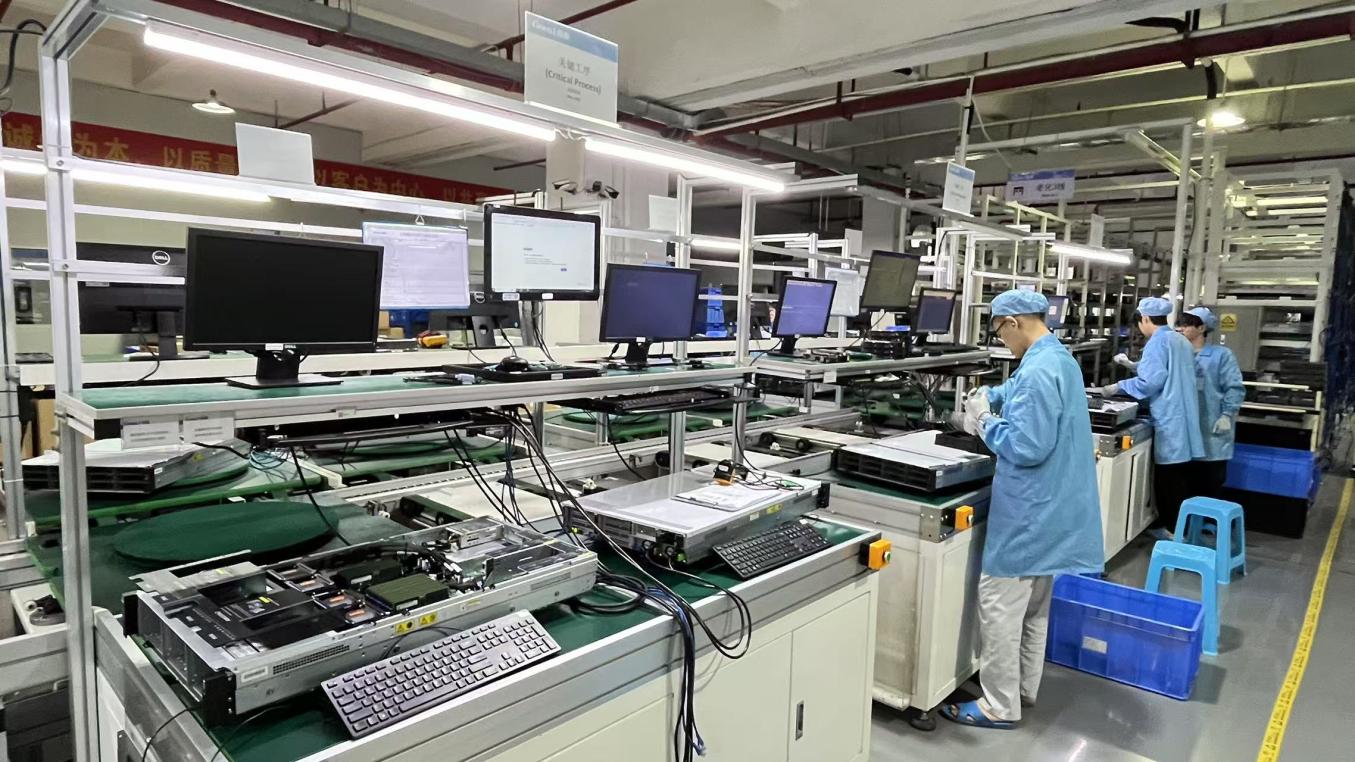
Our R&D team designs custom server architectures from the board level up, accommodating both extreme overclocked CPU thermal footprints and multi-GPU high-density configurations (including optimized architectures for containerized environments running DeepSeek, AI models, and machine learning pipelines). By controlling the physical assembly, SMT line operations, and system BIOS logic, we ensure absolute reliability under continuous market loads.
Manufacturing latency-critical computing hardware demands tight integration between design engineering and component manufacturers. Guangdong, China serves as the world's most robust electronics ecosystem, providing unparalleled advantages for customized server production.
We can modify motherboard schematics, custom-route PCIe layouts, and fabricate test boards within a fraction of standard industry cycles. This enables us to fast-track specialized PCIe configurations and ultra-short path layouts directly for proprietary trading requirements.
Positioned next to raw component manufacturers, we secure premium quality capacitors, low-insertion-force PCIe connectors, and multi-layer PCBs with optimized impedance control, bypassing import delays and reducing manufacturing costs.
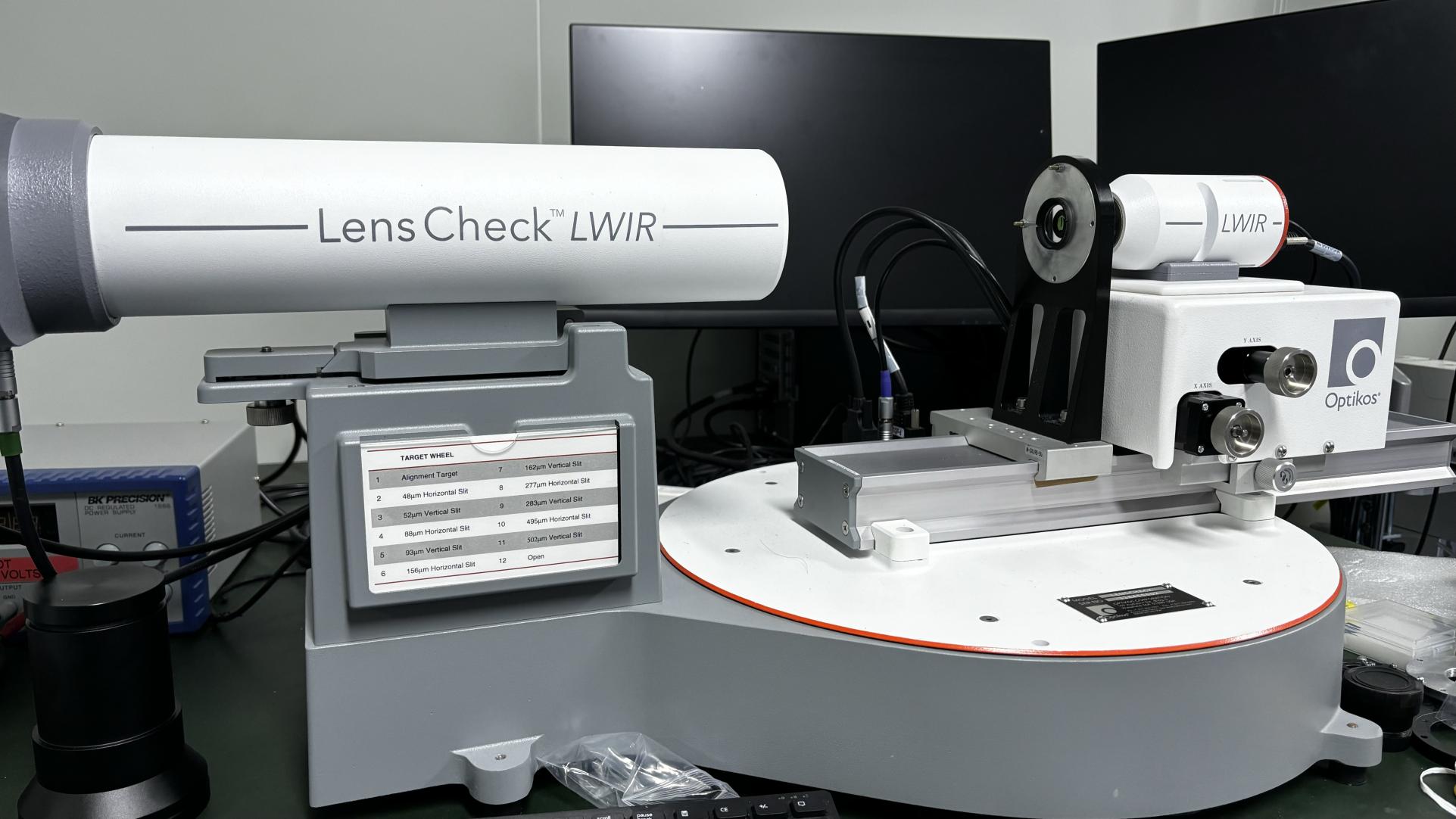
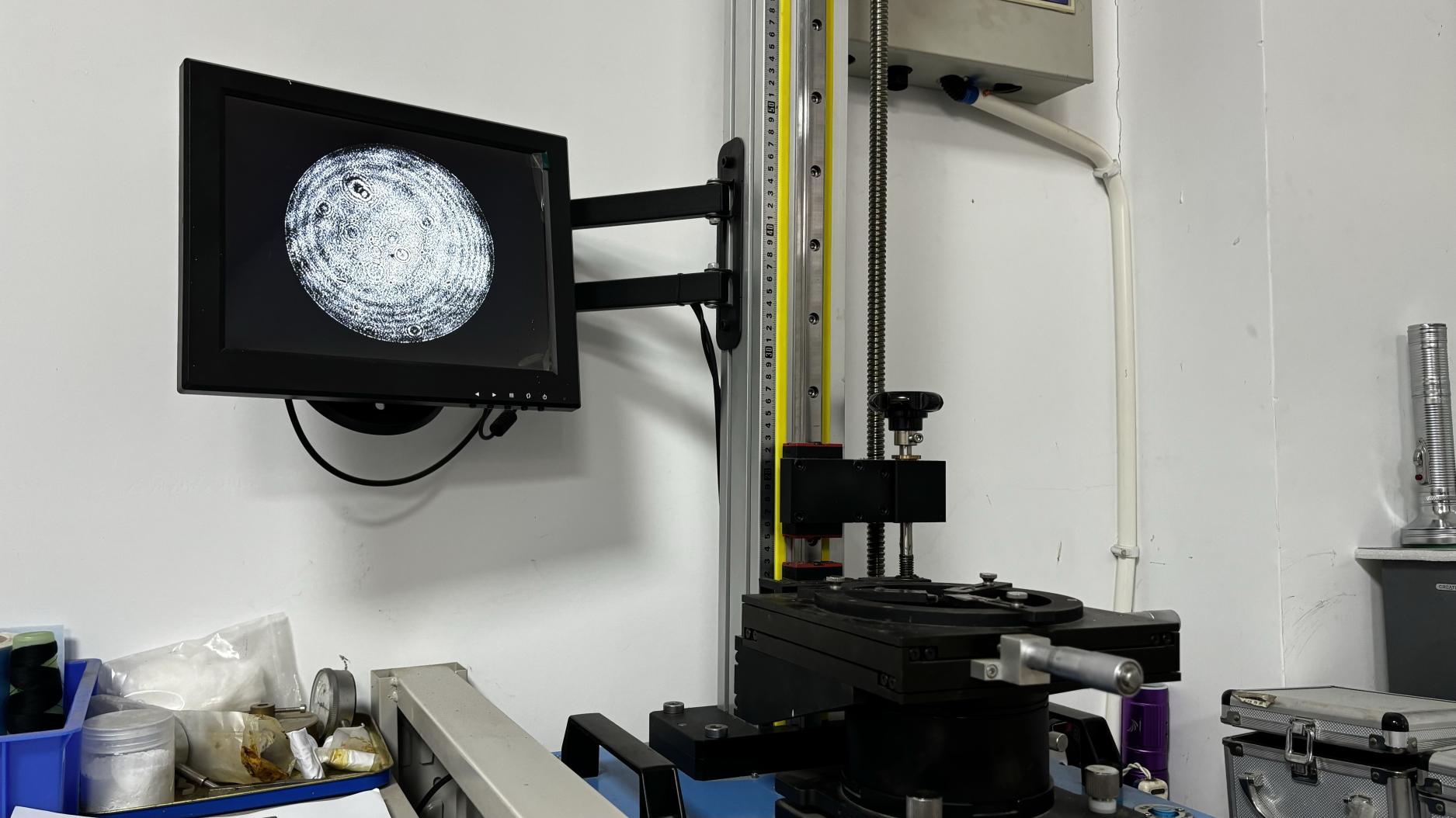
Our facility operates state-of-the-art Automated Test Equipment (ATE) to run loopback signals over PCIe lanes, ensuring zero signal degradation, cross-talk, or transmission dropouts before the systems leave our warehouse.
As quant firms adopt modern computing technologies, the line between low-latency execution and big-data processing is blurring. We track these dynamic trends to future-proof our server architectures.
Quantitative models increasingly run real-time transformer models (like localized DeepSeek instances) to evaluate news and sentiment feeds, requiring servers to house both low-latency CPUs and high-performance PCIe accelerators simultaneously.
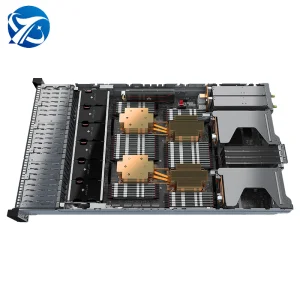
Standard air cooling struggles to dissipate heat from overclocked CPUs under high-ambient colocation limits. Liquid-to-chip and direct-to-chassis water cooling integrations are standardizing in modern datacenter racks.
Modern financial networks transmit huge volumes of tick data. Trading servers are transitioning from 10G/25G to 100G/200G physical layers, utilizing FPGA bypass layers to filter UDP streams with zero CPU consumption.
High-Frequency Trading platforms operate under distinct performance characteristics compared to standard cloud databases. Our CE Certified servers are designed specifically for zero-latency drift.
| Feature Parameter | Standard Datacenter Server | Tensorium HFT-Optimized Server | System Benefit |
|---|---|---|---|
| Processor Architecture | Standard multi-core virtualization CPUs | Direct overclocked cores (liquid/air cooled) | Prevents process scheduler latency spikes |
| BIOS Settings | Dynamic scaling, power-saving enabled | Custom lock-step clock speed profile | Zero latency variation under active load |
| Network Interface card (NIC) | Standard copper/fiber 10G/25G adapters | FPGA/ASIC Kernel-bypass SmartNICs (e.g., Solarflare) | Reduces TCP/UDP packet parsing overhead to sub-microsecond levels |
| Thermal Control | Variable speed fan modules | Liquid cooled cold-plates, continuous high flow rates | Eliminates thermal throttling in hot exchange colos |
| Power Quality Assurance | Standard redundant power supply units (PSU) | CE certified low-noise PSUs with high hold-up time | Protects against voltage sags and phase ripples |
| Compliance Directives | General safety standards | CE, RoHS, LVD, EMC certified configurations | Guarantees safety in global institutional datacenters |
Every trading venue has its own network parameters, transport layers, and distance profiles. We customize our HFT platform builds to match the direct needs of the localized colocation centers.
Optimized for high-throughput futures feed parsing. We integrate customized AMD EPYC high-frequency processors with massive L3 caches to hold the entire market order book structure locally in active memory.
CE-certified platforms designed for low-loss power grids. Systems utilize direct fiber transceivers (SFP28/SFP56) with sub-nanosecond clock synchronization (PTP IEEE 1588) to verify transaction orders accurately.
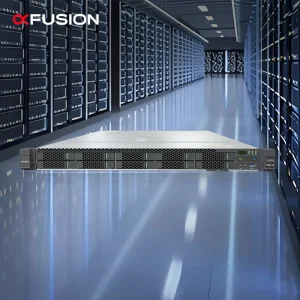
Designed to withstand regional environmental conditions, utilizing high-density 1U form factors. This layout allows trading firms to optimize rack rental space inside high-premium colocation facilities.
Get answers to technical and compliance questions regarding our CE-certified low-latency computing hardware.