Tensorium
Tensorium
Tensorium
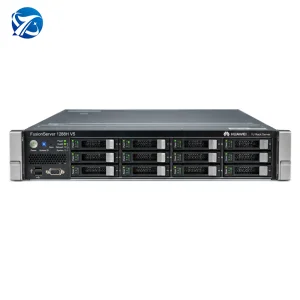
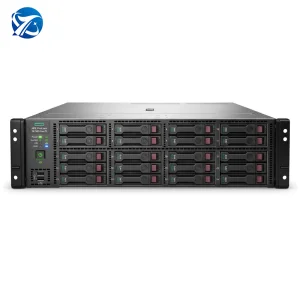
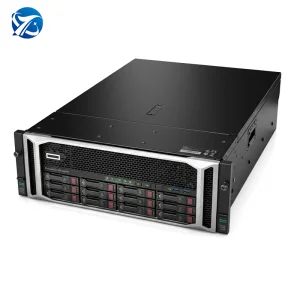
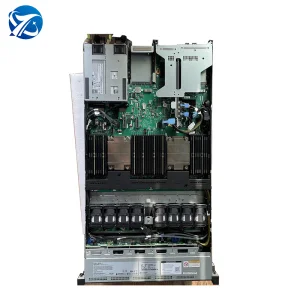
Optimized compute nodes deployable for Dublin hyperscalers, database clusters, and cloud computing platforms.
Ireland has established itself as the preeminent digital gateway to Europe, hosting over 80 operational data centers, primarily clustered around the Dublin metropolitan region (often termed the "Silicon Docks"). This density of digital infrastructure has spurred unprecedented energy demands, triggering strict regulatory oversight from local authorities, including EirGrid and the Commission for Regulation of Utilities (CRU).
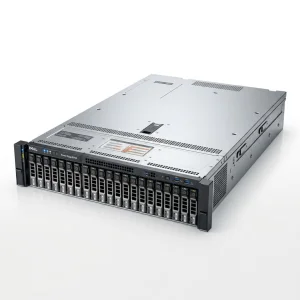
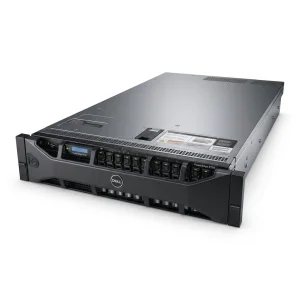
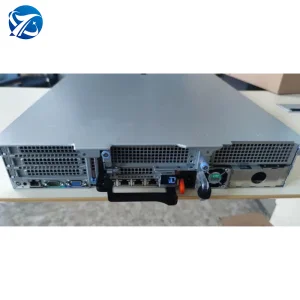
Within this context, the demand for V7 Rack Servers in the Irish market is increasingly driven by energy efficiency constraints. Modern enterprises are transitioning from older legacy structures to high-density, high-thermal threshold computing units. Because Dublin's local grid capacity is capped, upgrading infrastructure using V7 architectures allows operators to achieve massive PUE reduction (Power Usage Effectiveness), keeping computing power high without violating state-mandated electrical draws.
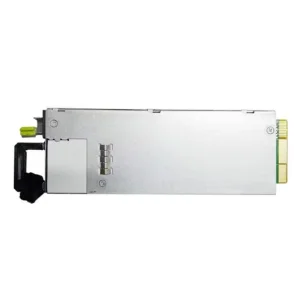
Tensorium Intelligent Technology Co., Ltd. customizes V7 platform designs with integrated intelligent thermal controllers, liquid-to-air cooling manifolds, and platinum-grade power supplies, making them ideal compliance fits for companies looking to expand footprint in Ireland's grid-sensitive zones.
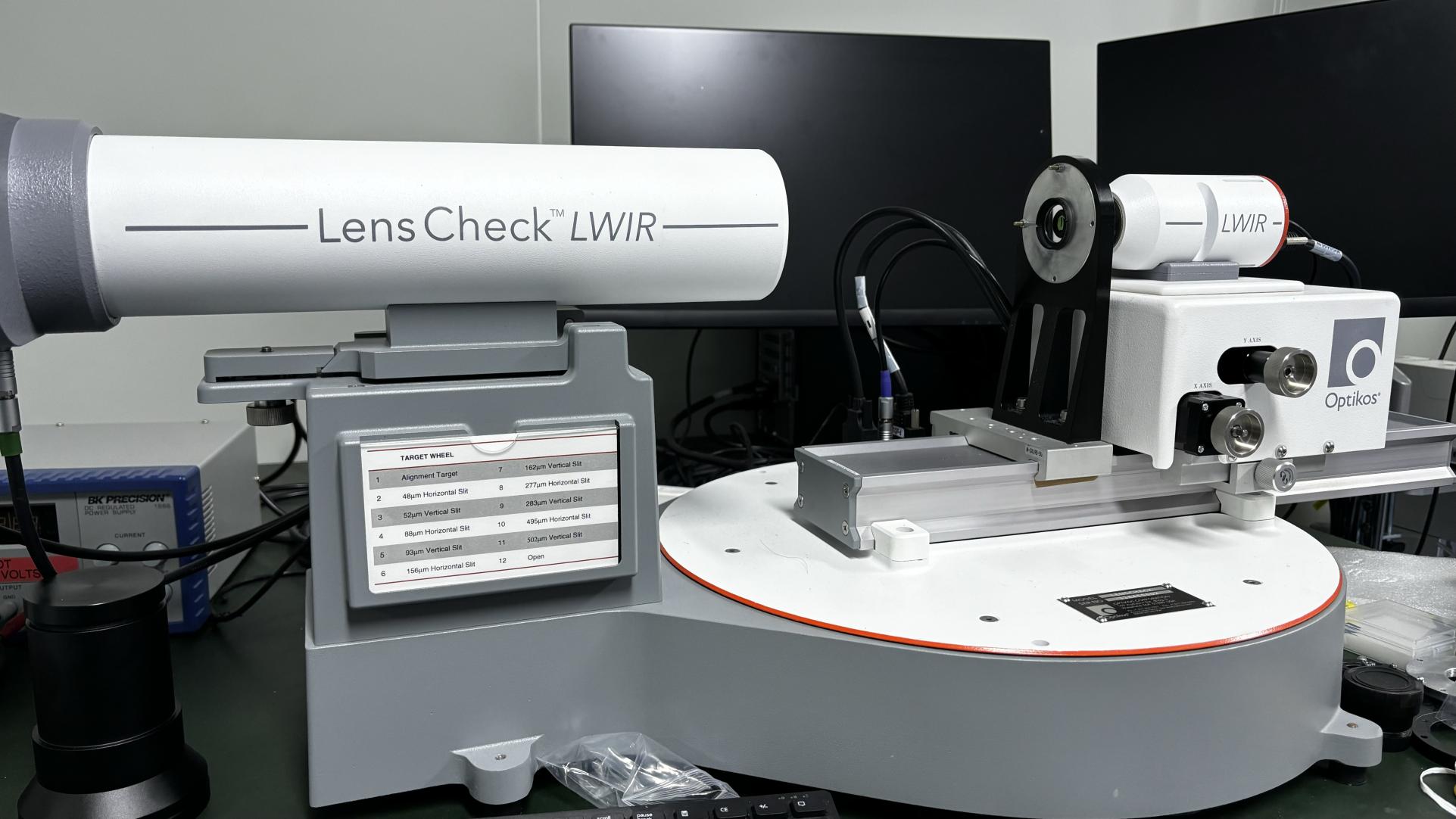
Procuring IT infrastructure at an enterprise level requires deep coordination among system integrators, component factories, and downstream engineering teams. In Ireland, local branches of multinationals require absolute transparency in manufacturing lead times, bill of materials (BOM) verification, and international transit safety.
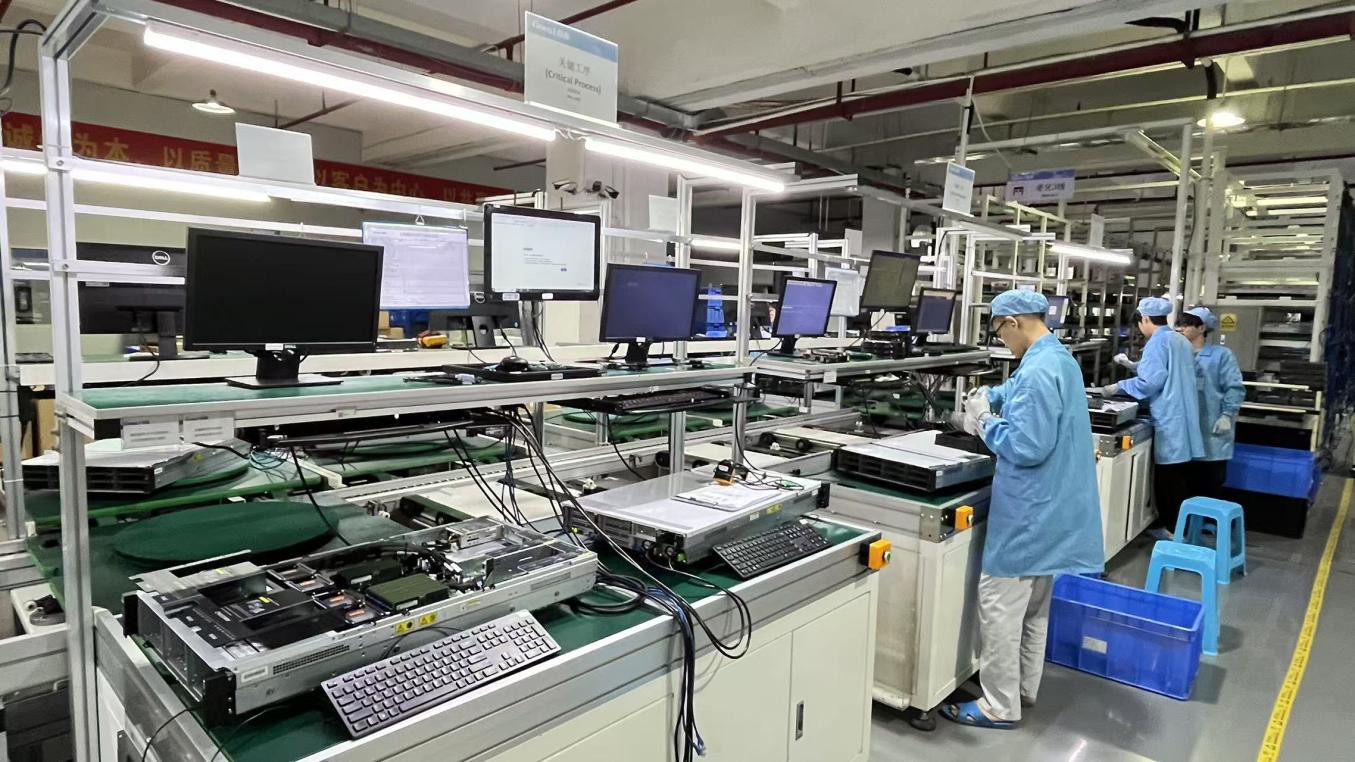
We resolve the latency commonly found in global supply chains by maintaining deep, direct relations with major chipsets, memory vendors, and backplane makers. Our manufacturing facilities are equipped to offer fast-turnaround OEM configurations—spanning customized server BIOS, localized rail kits, power supply voltages compatible with European grids (230V standard), and customized front bezel styling.
Whether configuring high-performance computing clusters for AI research at Dublin universities, or scaling out standard virtualization blocks for hybrid-cloud architectures in Cork, Tensorium's design methodology ensures that all V7 servers match the exact thermal limits and memory constraints required by clients.
The V7 rack server family represents a paradigm shift in data throughput capabilities. Powered by Intel Xeon Scalable Processors (Sapphire Rapids and Emerald Rapids series) or comparable platforms, these servers feature PCIe 5.0 lanes that double the bandwidth of previous generations. This enables extreme throughput for local NVMe SSD storage configurations, ensuring data engines running ERP networks or SQL databases avoid bottlenecking at the PCIe bus level.
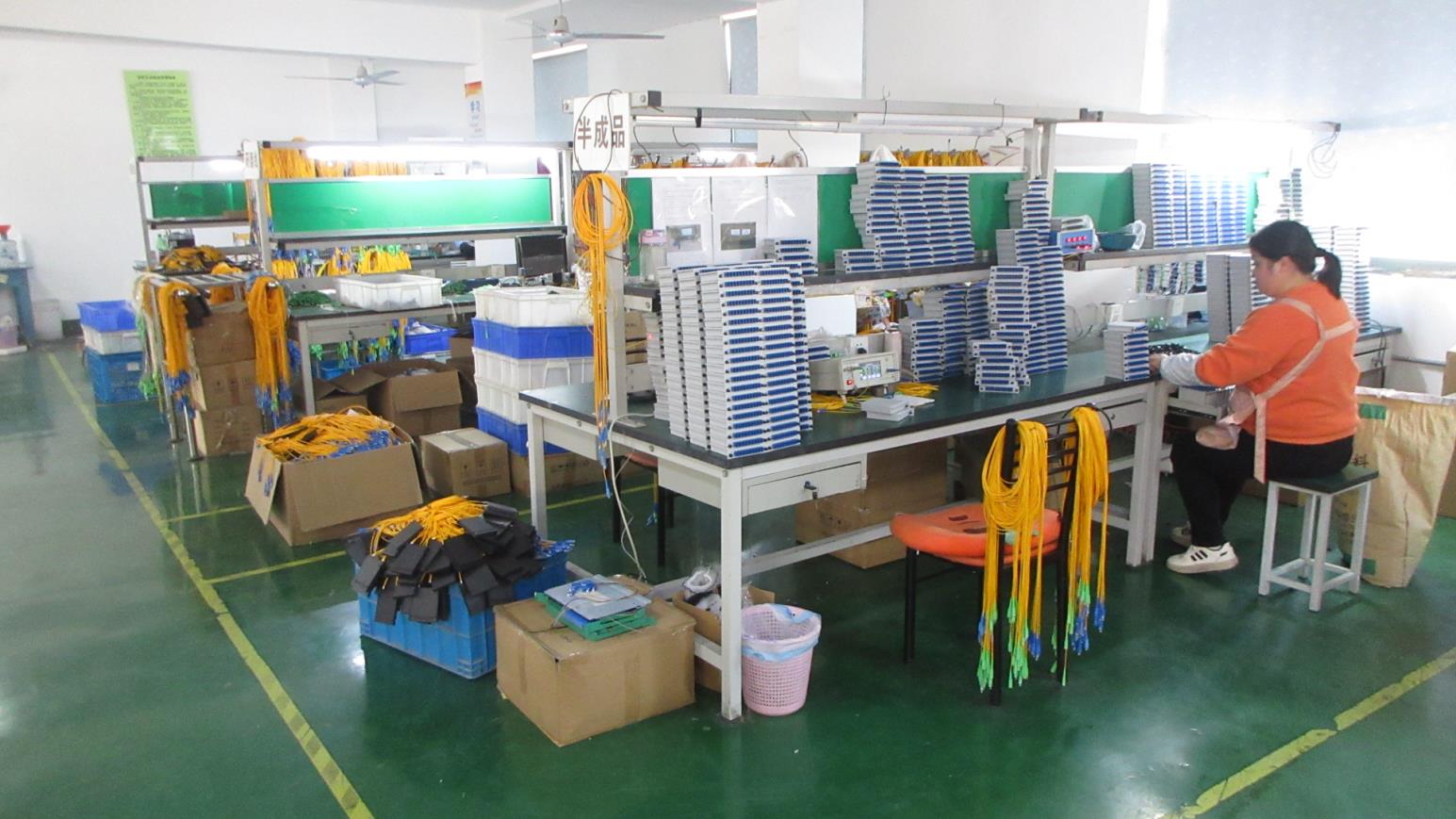
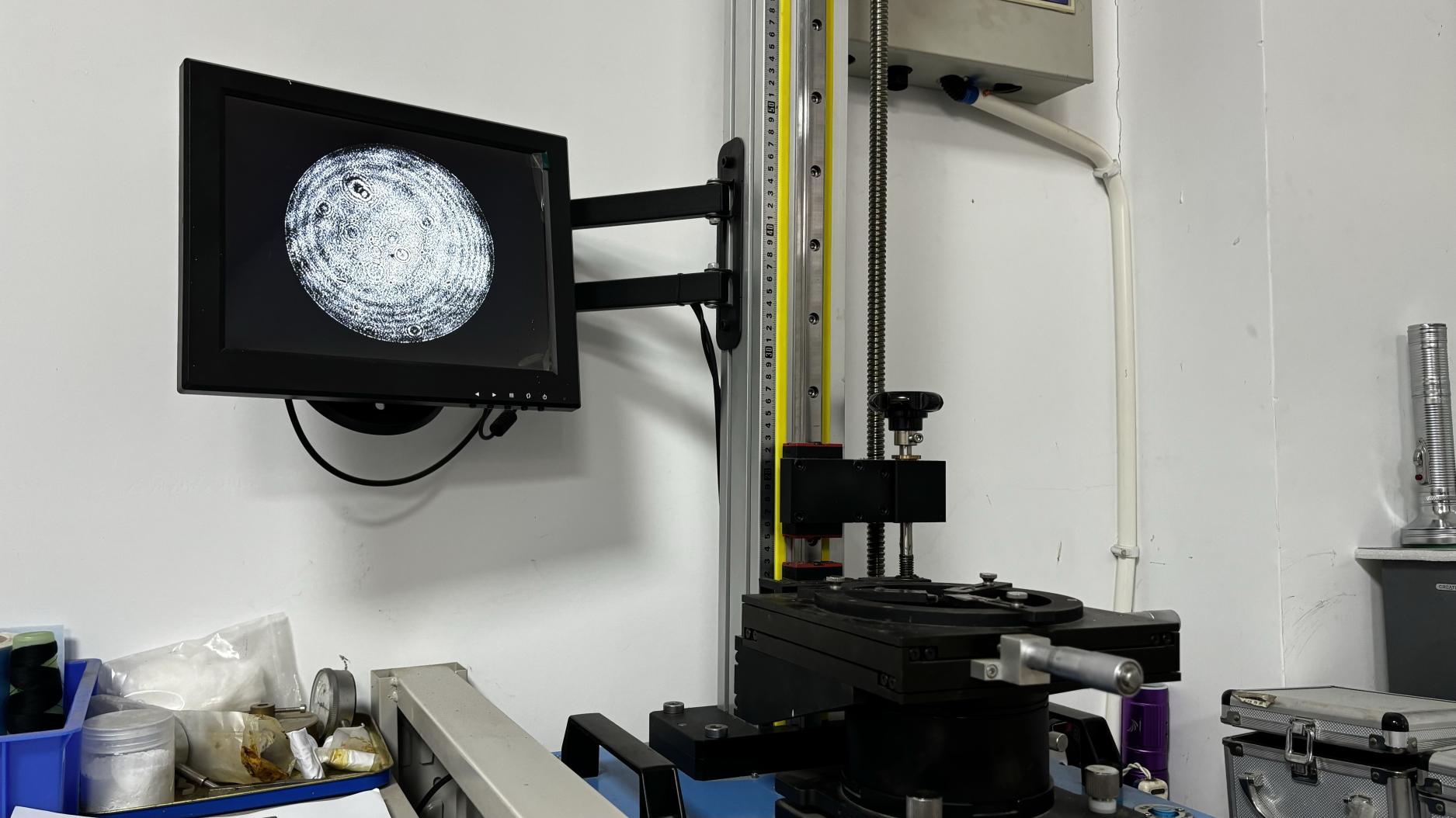
Before shipping to Ireland's hyperscalers, every unit undergoes rigorous testing regimens inside our 380㎡ state-of-the-art laboratory.
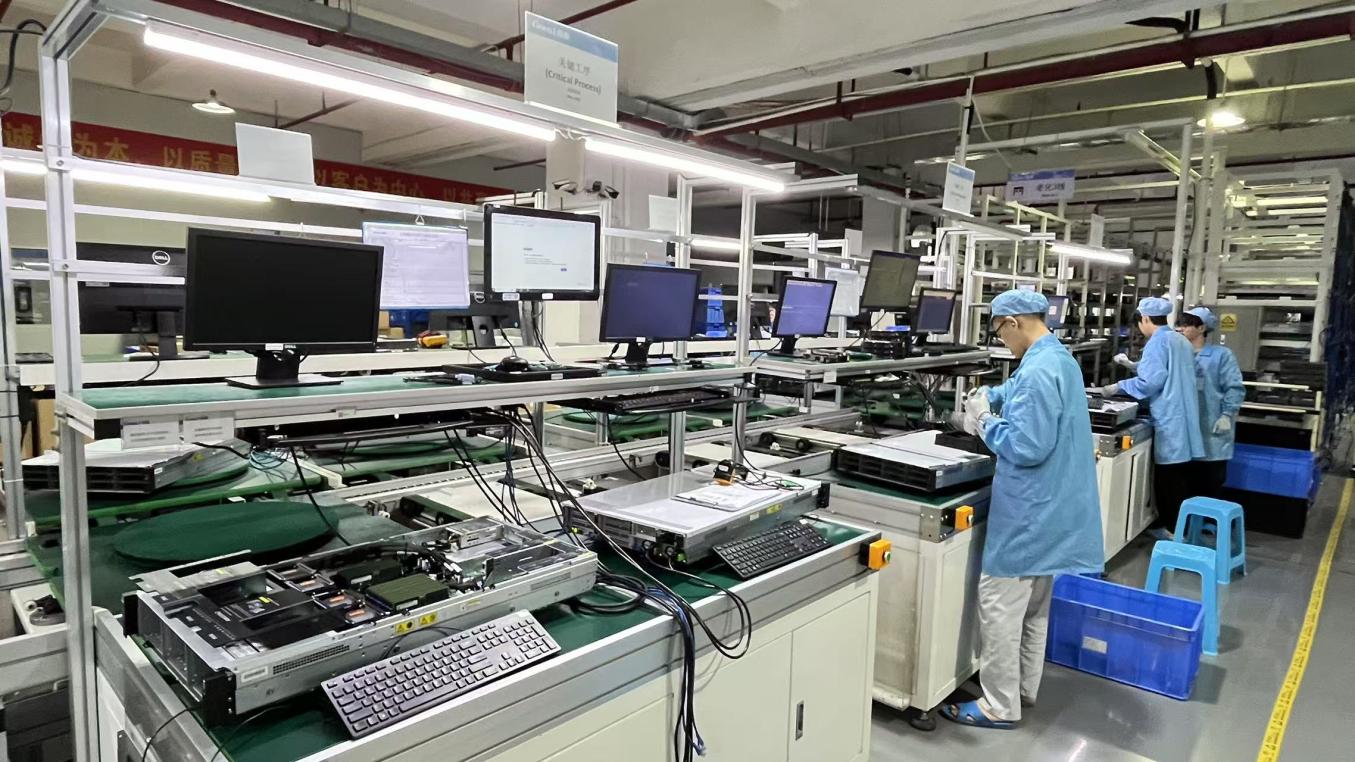
Tensorium manages testing metrics at every point of the manufacturing workflow. Our dedicated 45 quality control inspectors enforce standard operating procedures across incoming material verification, circuit testing, chassis structural integrity checkups, and post-assembly software diagnostics. Our supply chain comprises over 1,200 verified partners worldwide, ensuring alternative sourcing pathways for critical chips, controller ICs, and copper interconnects, minimizing hardware backlogs.
Pioneering AI clusters, GPU servers, and high-performance computing architectures since 2016.
Founded in 2016, Tensorium Intelligent Technology Co., Ltd. is a professional manufacturer and global supplier of high-performance AI GPU servers, GPU clusters, and intelligent computing infrastructure solutions. We specialize in delivering reliable, scalable, and customized computing platforms for artificial intelligence training, inference, deep learning, HPC, and enterprise data center applications.
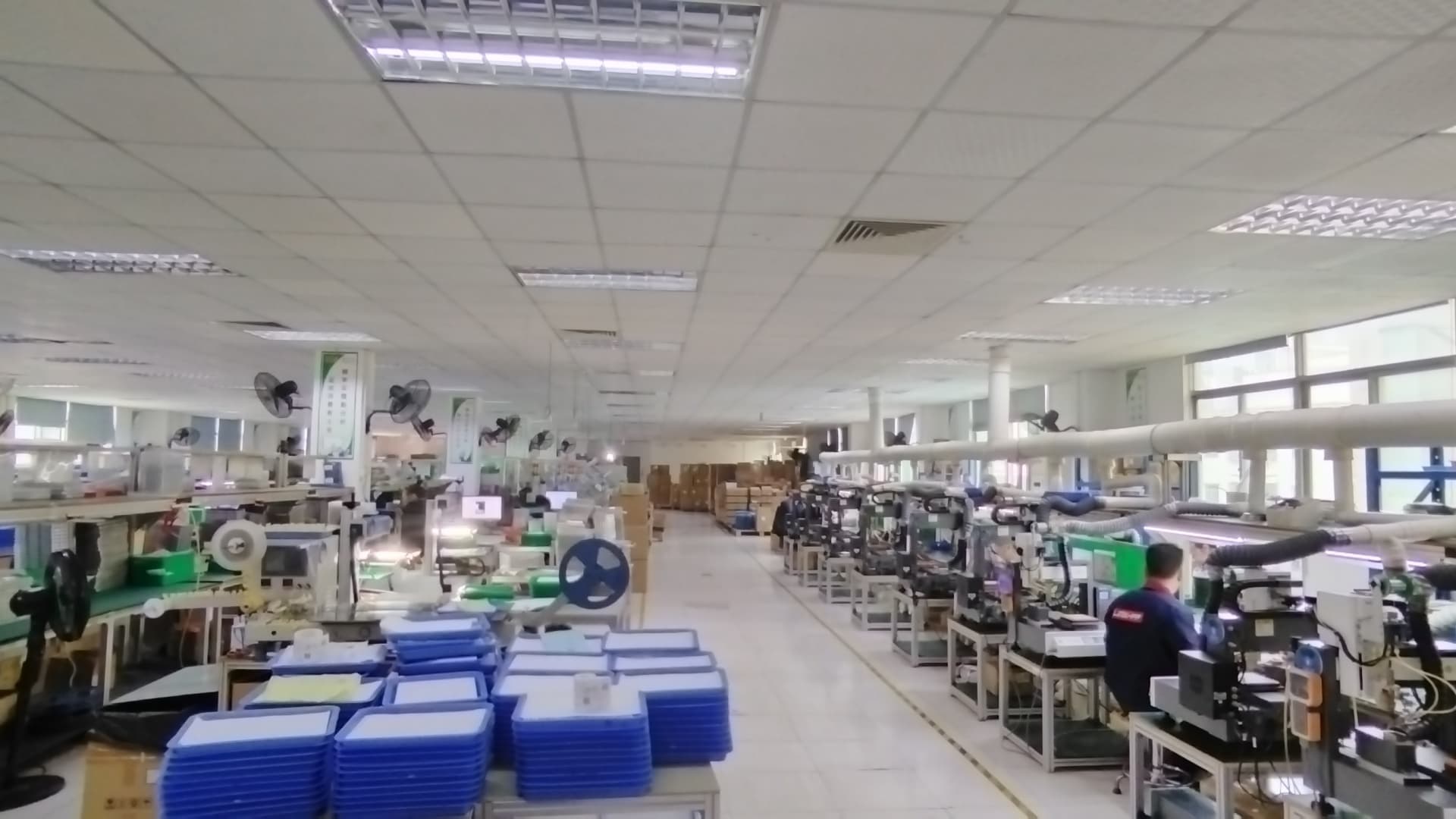
Located in Guangdong, China, Tensorium operates a modern manufacturing facility covering over 380㎡ and serves customers across North America, Europe, the Middle East, Southeast Asia, and other global markets. With years of experience in the AI computing industry, we have established a strong reputation for product quality, engineering expertise, and responsive customer service.
Our engineering team will design a V7 node to your exact specifications.
Contact Systems EngineerInnovation is at the core of our business. Our R&D team consists of over 120 experienced engineers dedicated to developing advanced GPU server architectures, AI cluster solutions, and customized computing systems. Last year alone, we successfully launched more than 80 new products and configurations tailored to emerging AI workloads and evolving customer requirements.
Operating IT hardware in the European Union requires absolute adherence to regulations concerning data privacy, resource utilization, and waste management. In Ireland, the Environmental Protection Agency (EPA) monitors hardware recycling and disposal. Tensorium's products are compliant with the Waste Electrical and Electronic Equipment (WEEE) Directive, ensuring clear recycling pathways for decomissioned server modules.
For enterprise nodes storing sensitive European citizen information, security cannot be a secondary priority. Tensorium's V7 servers incorporate hardware-based security provisions, including:
Our support system includes a structured 3-year warranty covering critical component replacements, alongside direct access to our systems engineers via secure communication channels, allowing Irish integrators to quickly troubleshoot bios settings, system performance, or driver compatibility.
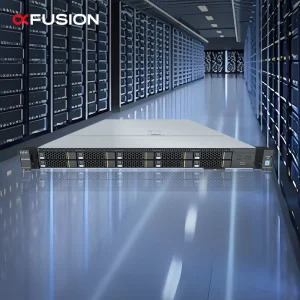
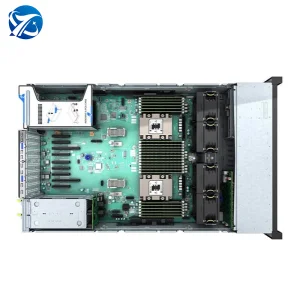
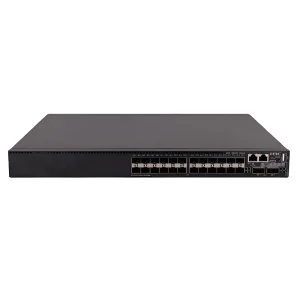
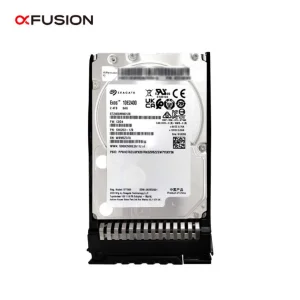
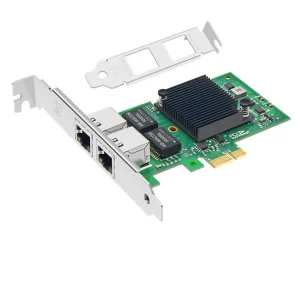
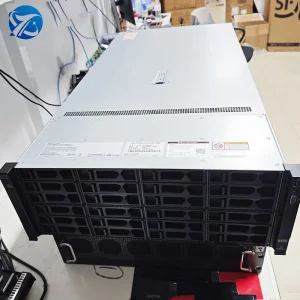
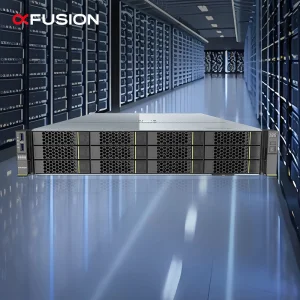
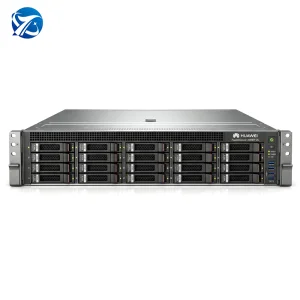
Our full selection of rackmount platforms, network fabrics, flash drives, and high-performance components available for direct export to Ireland.
Technical answers to operational, shipping, and power queries when importing V7 structures into Dublin and surrounding regions.
Partner with a reliable ODM/OEM manufacturer to build high-efficiency V7 rack nodes that bypass traditional logistics delays and thermal constraints.