Tensorium
Tensorium
Tensorium
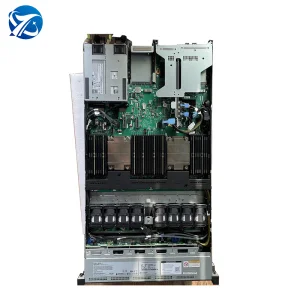
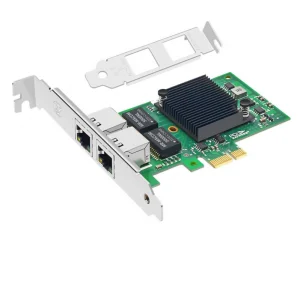
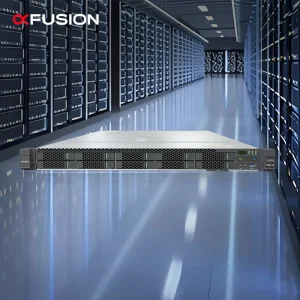
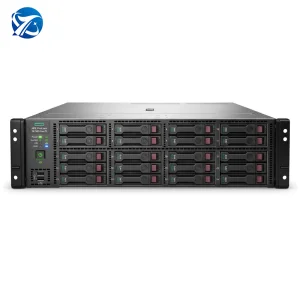
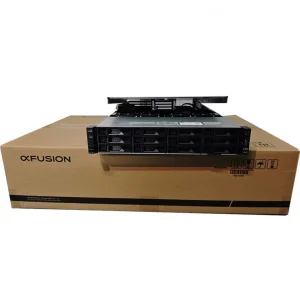
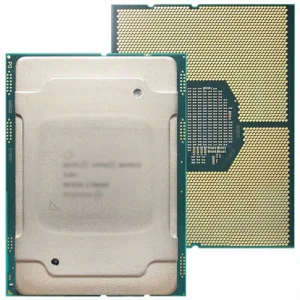
The deployment of dense computing architectures like DeepSeek AI clusters, transformer models, and high-performance virtualization networks has pushed standard thermal solutions to their absolute limits. Traditional air cooling struggles as chip Thermal Design Power (TDP) escalates past 400W toward 1000W+ limits.
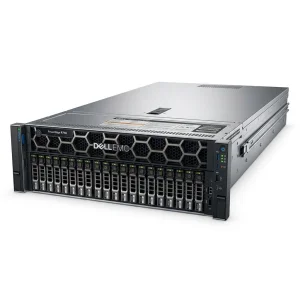
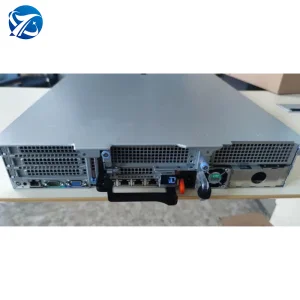
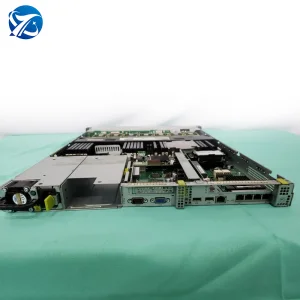
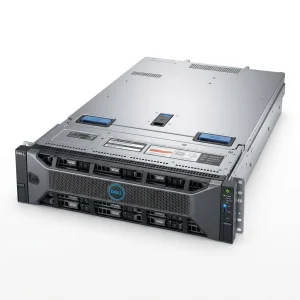
As a premier Server Cooling Systems Manufacturer and OEM/ODM Factory, Tensorium Intelligent Technology Co., Ltd. works at the intersection of chassis design and fluid dynamics. By integrating customized server architectures (such as xFusion V6/V7 and Dell PowerEdge) with advanced thermal systems, we ensure continuous operation without thermal throttling.
In this technical whitepaper, we dissect the performance, mechanical engineering, and supply chain protocols required to construct reliable liquid-to-air, direct-to-chip, and high-conductivity phase-change thermal systems for hyperscale data centers worldwide.
Modern GPU servers processing complex AI models generate concentrated heat loads exceeding 70-100 kW per rack. When thermal dissipation fails, junction temperatures exceed 85°C, causing performance degradation, computing errors, and structural damage to the silicon core.
Regulatory demands, PUE (Power Usage Effectiveness) targets, and computing density are driving data centers to adopt advanced liquid cooling solutions.
D2C uses copper cold plates mounted directly on the GPU/CPU. A closed loop circulates liquid to extract heat directly from the chip, reducing the heat path and allowing cooling fluid to handle up to 90% of the total component thermal load.
Submerging servers in a dielectric fluid enables direct contact with all active elements. It eliminates heatsinks and fans, reducing auxiliary power consumption and enabling high density configurations in complex, compact spaces.
For data centers unable to install facility water lines, rear door heat exchangers (RDHx) or localized liquid loops offer a hybrid approach, using water loops inside the rack that reject heat directly into existing air channels.
| Thermal Architecture | Cooling Capacity per Rack | Target PUE Range | Primary Component Needs | Initial CapEx vs. OpEx Impact |
|---|---|---|---|---|
| Advanced Fan-Assisted Air Cooling | Up to 15 - 20 kW | 1.30 - 1.50 PUE | Vapor chambers, copper fin arrays, PWM dual-rotor fans | Low Initial CapEx / Escalating OpEx at high loads |
| Direct-to-Chip (D2C) Liquid Cooling | 40 - 100 kW+ | 1.15 - 1.25 PUE | Coolant distribution units (CDUs), manifolds, cold plates | Moderate CapEx / Drastically reduced OpEx |
| Chassis-Level Immersion Cooling | 100 kW - 200 kW+ | 1.03 - 1.10 PUE | Dielectric hydrocarbon fluids, sealed reservoirs, dry coolers | High CapEx / Lowest overall OpEx & Zero fan noise |
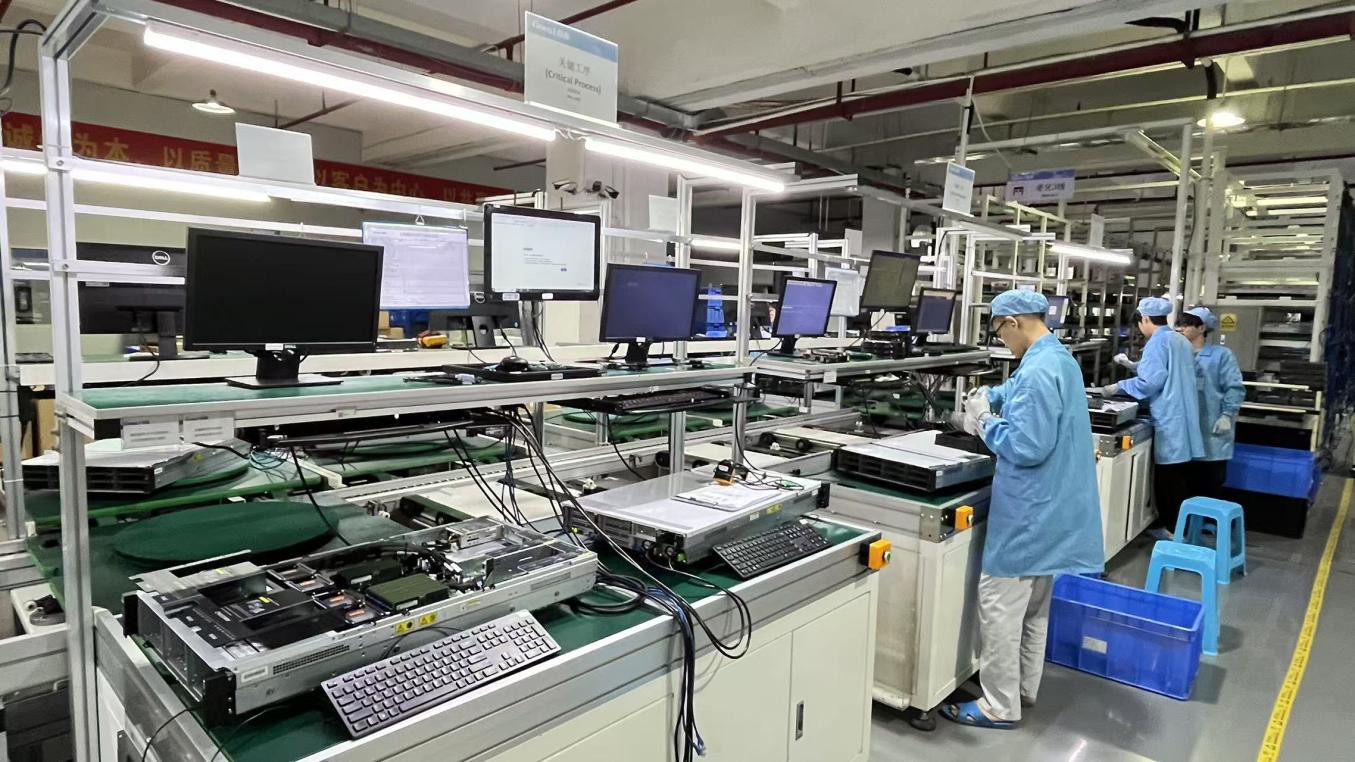
Located in Guangdong, China, Tensorium operates a modern manufacturing facility covering over 380m² and serves customers across North America, Europe, the Middle East, Southeast Asia, and other global markets.
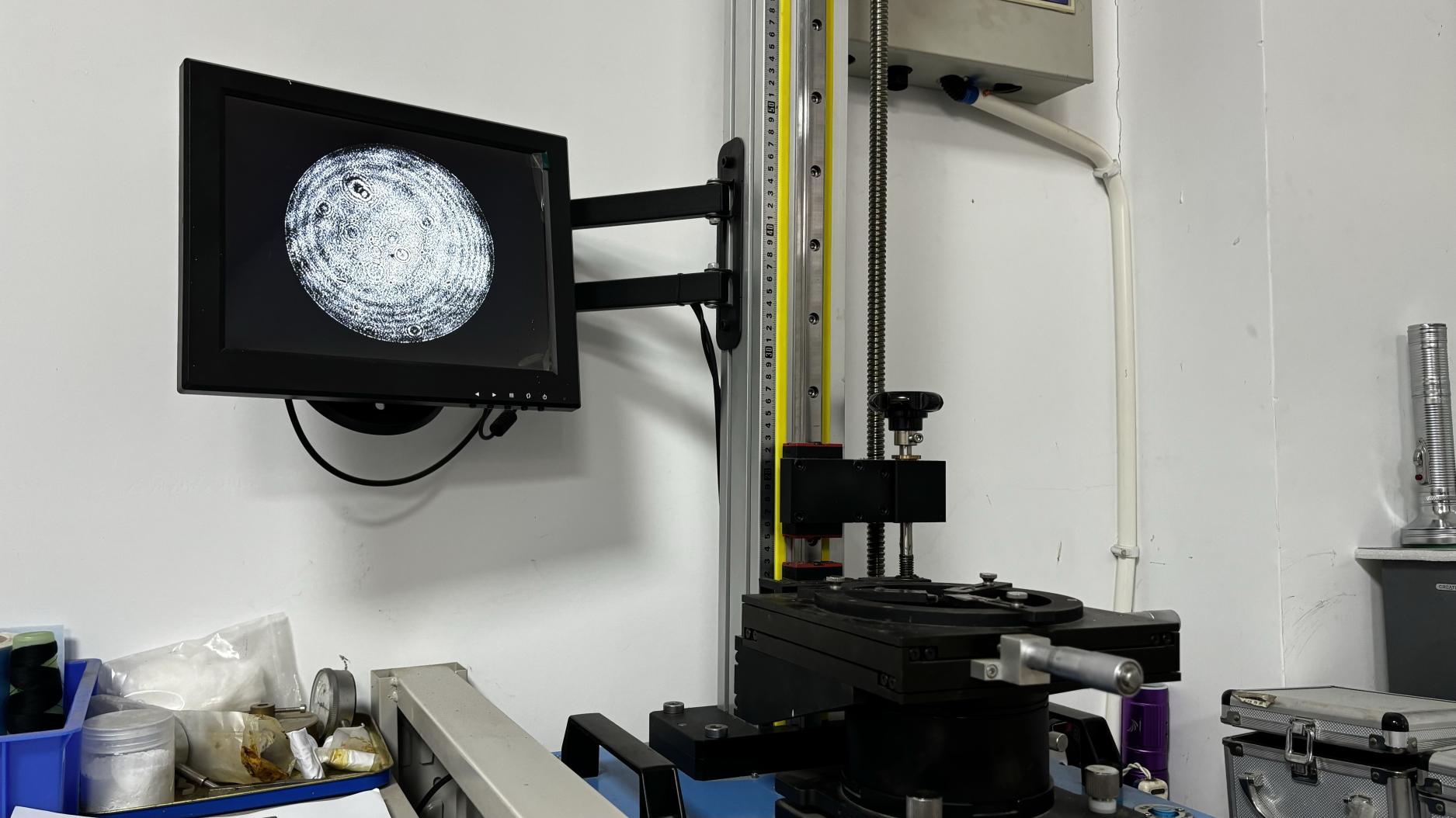
With 14 years of industry experience and a dedicated team of 45 quality control staff, we execute rigorous inspection protocols on every chassis and cooling element. Our inspection methods include Burn-in Testing, Performance Benchmarking, Thermal Testing, Functional Testing, and Final Inspection before shipment. This ensures leak-free joints, optimal flow rates, and high reliability in demanding environments.
Our R&D department features more than 120 engineers developing advanced GPU server architectures, liquid loops, and customized server plates. We launched over 80 new products and hardware variations last year, leveraging more than 1,200 trusted supply chain partners in China's hardware capital to ensure rapid manufacturing turnarounds, custom tooling, and competitive pricing.
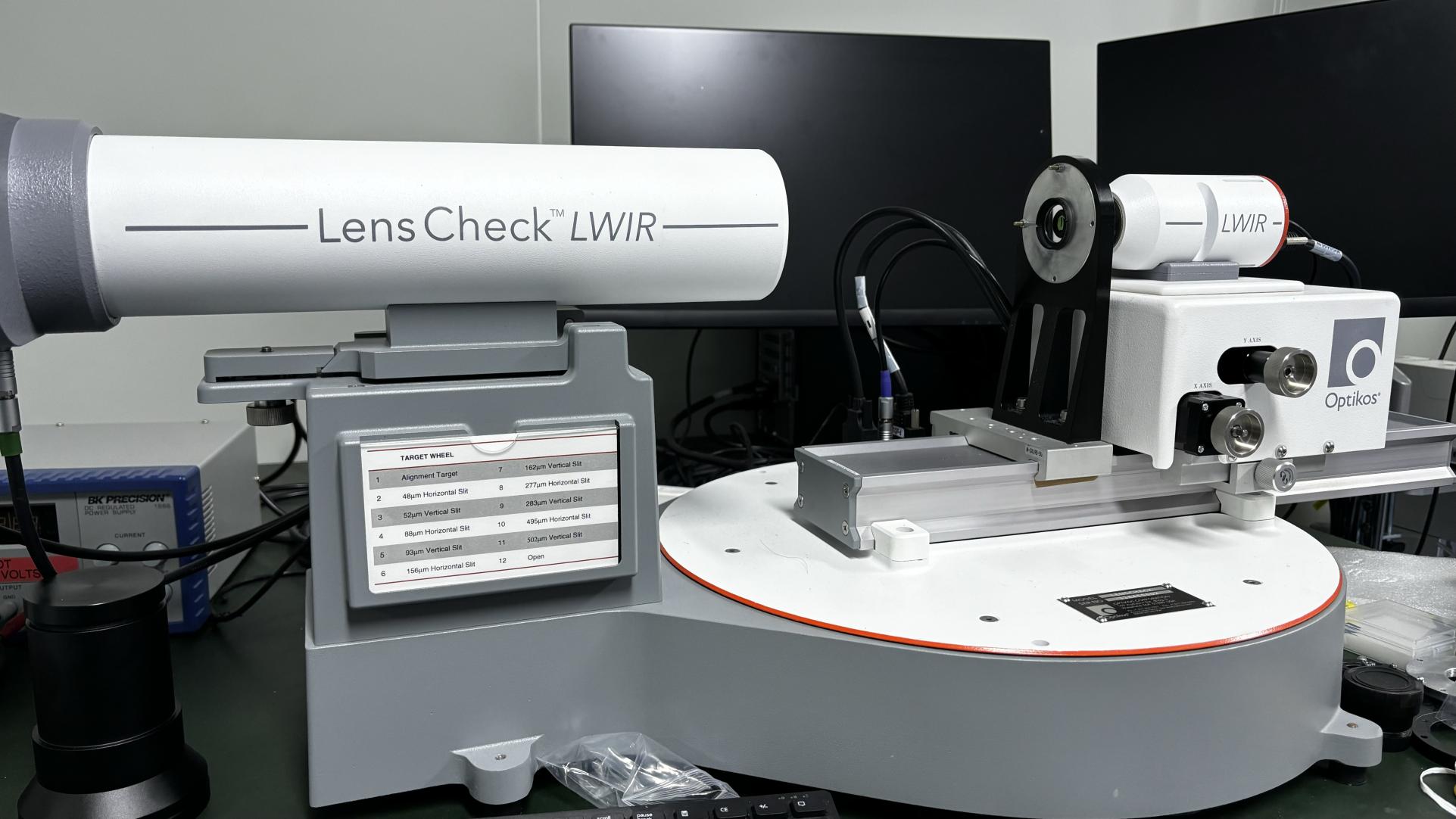
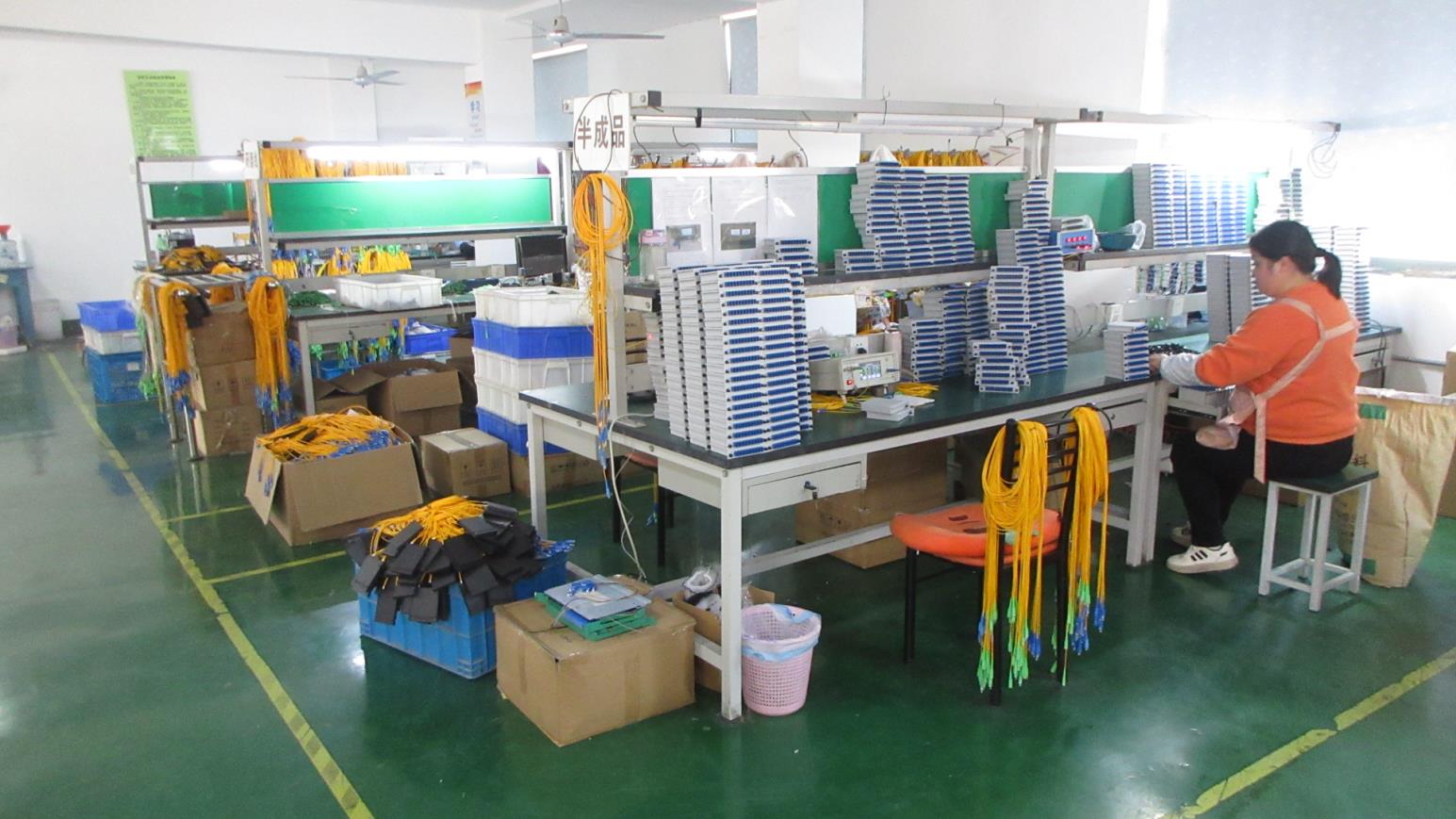
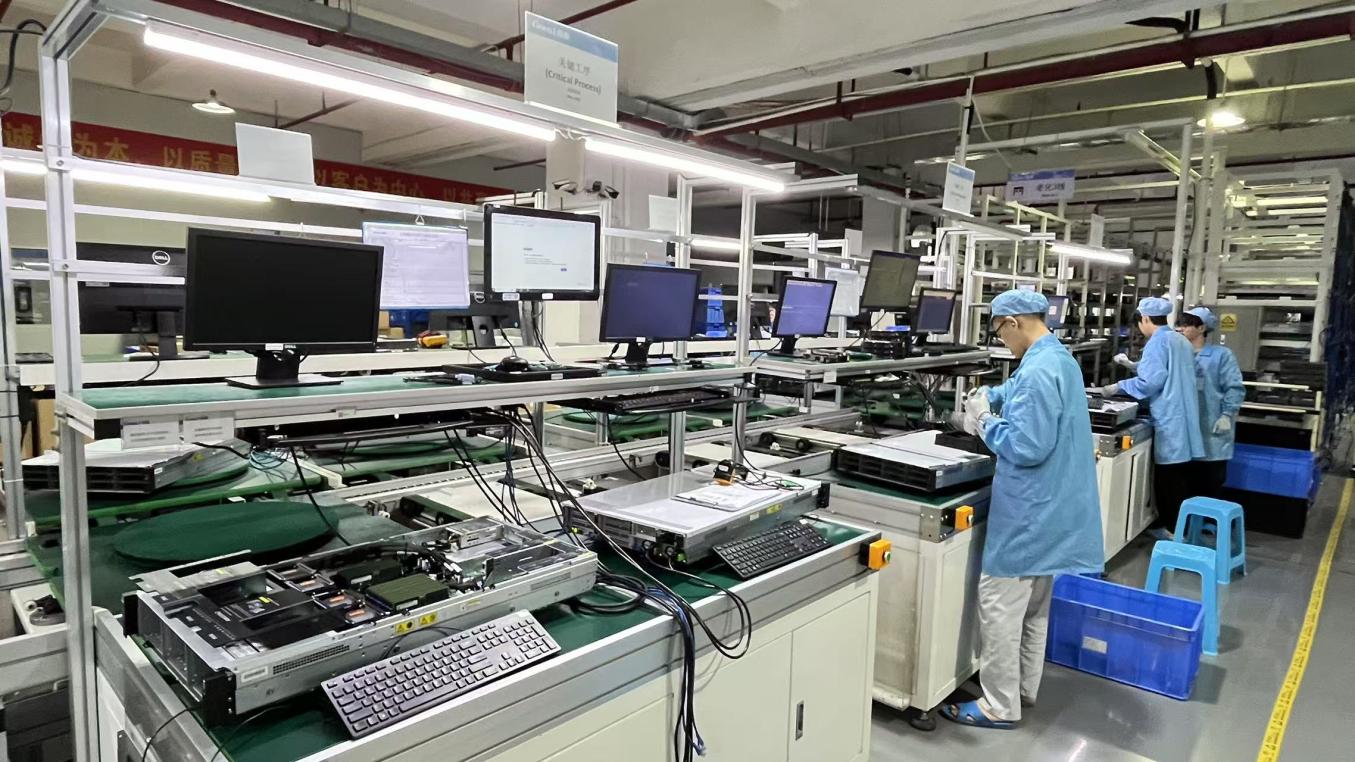
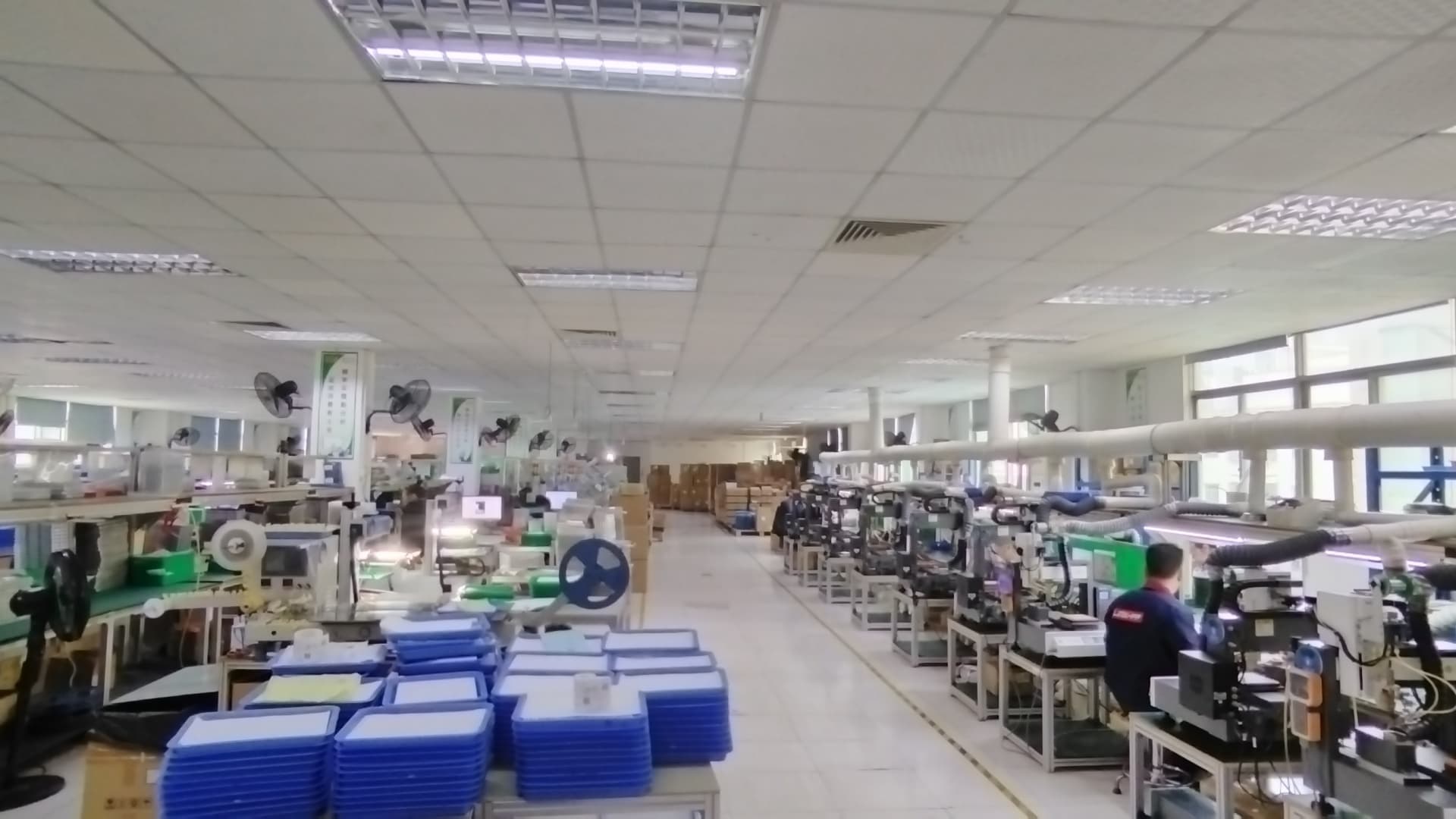
Deploying high-power computational hardware requires strict alignment with global engineering, ecological, and local safety mandates.
All server chassis, interface cards, and thermal accessories conform to international requirements including CE, FCC, RoHS, and UL, ensuring seamless approval at local borders and fast deployment in active clusters.
Our cooling designs strictly adhere to ASHRAE A1 through A4 guidelines for liquid-cooled data environments (Classes W1-W5), allowing data centers to manage ambient temperature ranges to lower refrigeration costs.
Working alongside local custom brokers in North America, Europe, the Middle East, and Southeast Asia, we orchestrate dynamic shipping channels to coordinate deliveries with site construction timelines.
We provide full OEM/ODM customization services. This includes cold plate design matching custom layout templates, dynamic dry-break connector configurations, and integration with specialized monitoring sensors.
Addressing common engineering, operational, and procurement questions regarding datacenter thermal systems.
Modern air cooling solutions can manage up to 350W–400W per CPU/GPU when paired with oversized vapor chambers, high-density copper fins, and 23,000+ RPM dual-rotor fans. However, beyond 400W, the physical air volume required increases fan noise and power consumption significantly, making liquid-based cooling systems more efficient.
Direct-to-Chip cooling is easier to integrate into existing data center designs since it uses standard rack configurations. Immersion cooling requires specialized horizontal tanks and dielectric fluid handling, which demands higher initial infrastructure modifications. D2C allows for targeted cooling on high-TDP components while memory and storage continue to use air cooling.
We use high-purity oxygen-free copper (C1020/C1100) for our cold plates to ensure maximum thermal conductivity (approx. 401 W/m·K). Our micro-channel designs are machined with precision CNC systems down to 0.2mm fin widths, optimizing surface area contact. To prevent galvanic corrosion, all liquid pathways are treated with nickel plating, and we recommend using validated coolants with corrosion inhibitors.
We use high-quality EPDM or FKM hoses with stainless steel braided reinforcement, combined with leak-free quick-disconnect couplings from industry-certified partners. Additionally, every manifold and cold plate undergoes pressure testing with dry air and helium mass spectrometry leak detection at 1.5x working pressure before leaving the factory.
Yes. As an OEM/ODM provider, we customize server cooling designs for major server models including Dell PowerEdge (R750, R760 series), HPE ProLiant (DL380 Gen10/Gen11), and xFusion systems. We adapt the mechanical spacing, mounting holes, and liquid line exits to fit within standard chassis dimensions.