Tensorium
Tensorium
Tensorium
Deploying specialized servers, NVMe system nodes, high-density accelerators, and memory architectures built for high-throughput enterprise security nodes.
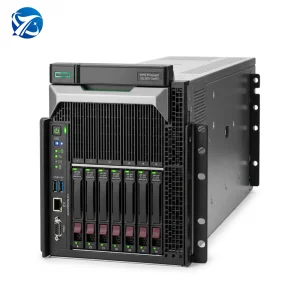
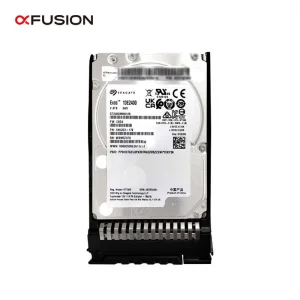
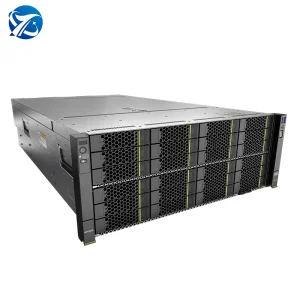
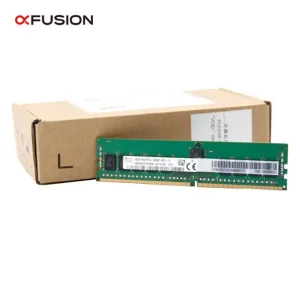
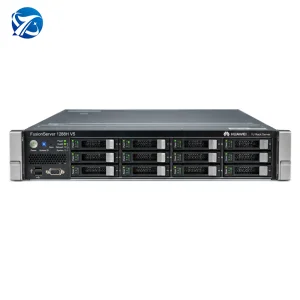
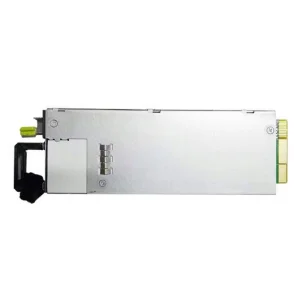
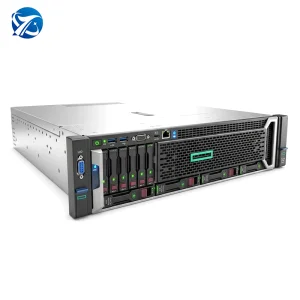
Modern corporate networks no longer operate within defined physical perimeters. The deployment of hybrid workforces, high-speed 5G connectivity, and multi-tenant cloud ecosystems requires next-generation network security equipment that combines extreme processing power with absolute hardware validation.
Enterprise procurement directors face multifaceted challenges: ensuring compatibility with legacy software, meeting strict regulatory compliance laws (such as GDPR, NIS2, and HIPAA), and protecting hardware from physical and remote tampering. From dedicated VPN gateways and high-throughput IPS engines to AI-accelerated deep learning compute clusters, hardware reliability must be absolute.
As cyber threats grow increasingly sophisticated, global supply chains require trusted partners capable of providing complete hardware transparent verification, verified secure supply sources, and components validated against hardware-level vulnerabilities.
Ensuring system availability, real-time threat detection, and continuous processing speed for modern industrial, cloud, and edge infrastructures.
Securing multi-tenant virtual machines requires high-capacity server infrastructure. By integrating enterprise rack platforms with specialized memory and storage sub-arrays, virtualization architectures gain physical isolation barrier capabilities.
Harnessing GPU-based clusters to run real-time classification algorithms. These systems process gigabytes of telemetry traffic per second, screening for malware signatures, behavioral anomalies, and zero-day threat vectors instantly.
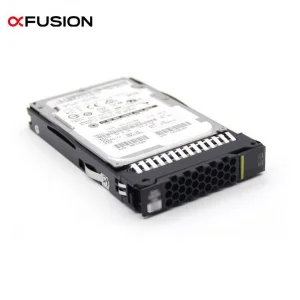
Preventing firmware modification with cryptographic verification at boot time. Safeguarded with advanced hardware arrays and controllers that isolate storage firmware and prevent host operating system manipulation.
Understanding the hardware architecture metrics crucial to maintaining continuous availability and protecting edge, core, and storage networks.
| Platform Focus Area | Critical Hardware Components | Inherent Security Safeguards | Ideal Operational Workloads |
|---|---|---|---|
| High-Density GPU Compute | NVIDIA/AMD GPU Clusters, 1U-4U Rack Configurations | Dedicated PCI-e isolation channels, secure container environments | AI training, threat simulation modeling, cryptographic analysis |
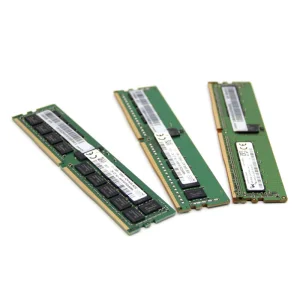
| Enterprise Virtualization | Scalable Xeon Processors, Multi-Channel DDR5/DDR4 RDIMM | Intel SGX (Software Guard Extensions), AMD SEV (Secure Encrypted Virtualization) | Hyperconverged nodes, cloud database hosting, private compute zones |
| Read-Dense Caching Arrays | PCIe Gen4/Gen5 NVMe SSDs (U.2/U.3 form factors) | SED (Self-Encrypting Drives), TCG Opal 2.0 standards, write protection | Real-time log analytics, dynamic signature matching databases |
| Redundant Power Systems | Titanium/Platinum Efficiency HVDC Power Modules | Over-voltage isolation, smart telemetry microcontrollers | Continuous operational uptime, mission-critical facility nodes |
The security equipment market is shifting rapidly towards hardware-enforced isolation. As processors scale, traditional operating-system-level firewalls become performance bottlenecks. The integration of high-bandwidth PCIe Gen5 interfaces allows dedicated security tasks to run on DPUs (Data Processing Units) without overloading main host processors.
Furthermore, the commercialization of post-quantum cryptographic standards represents the next frontier. Forward-looking enterprise hardware must support updated firmware formats designed to withstand quantum decryption methods.
Liquid-cooling systems are also migrating from specialty high-density compute environments to standard enterprise racks, driven by power efficiency demands. Transitioning to hybrid cooling solutions mitigates thermal degradation, ensuring long-term reliability and reducing operating expenditures.
As data processing requirements shift toward the edge, physical security is as crucial as software firewalls. Edge servers installed in unmonitored locations are vulnerable to side-channel analysis and physical probing.
Modern system architecture prevents these vectors. When server enclosures are opened without authorization, intrusion detection circuits automatically trigger cryptographic key erasure, keeping sensitive data protected.
By partnering with world-class chipmakers, Tensorium integrates hardware security features into every system. Customers receive hardware designed to run secure, isolated computation environments out-of-the-box.
An Industry-Leading Manufacturer & OEM/ODM Service Provider of Secure Computing Architectures & High-Performance GPU Infrastructure.
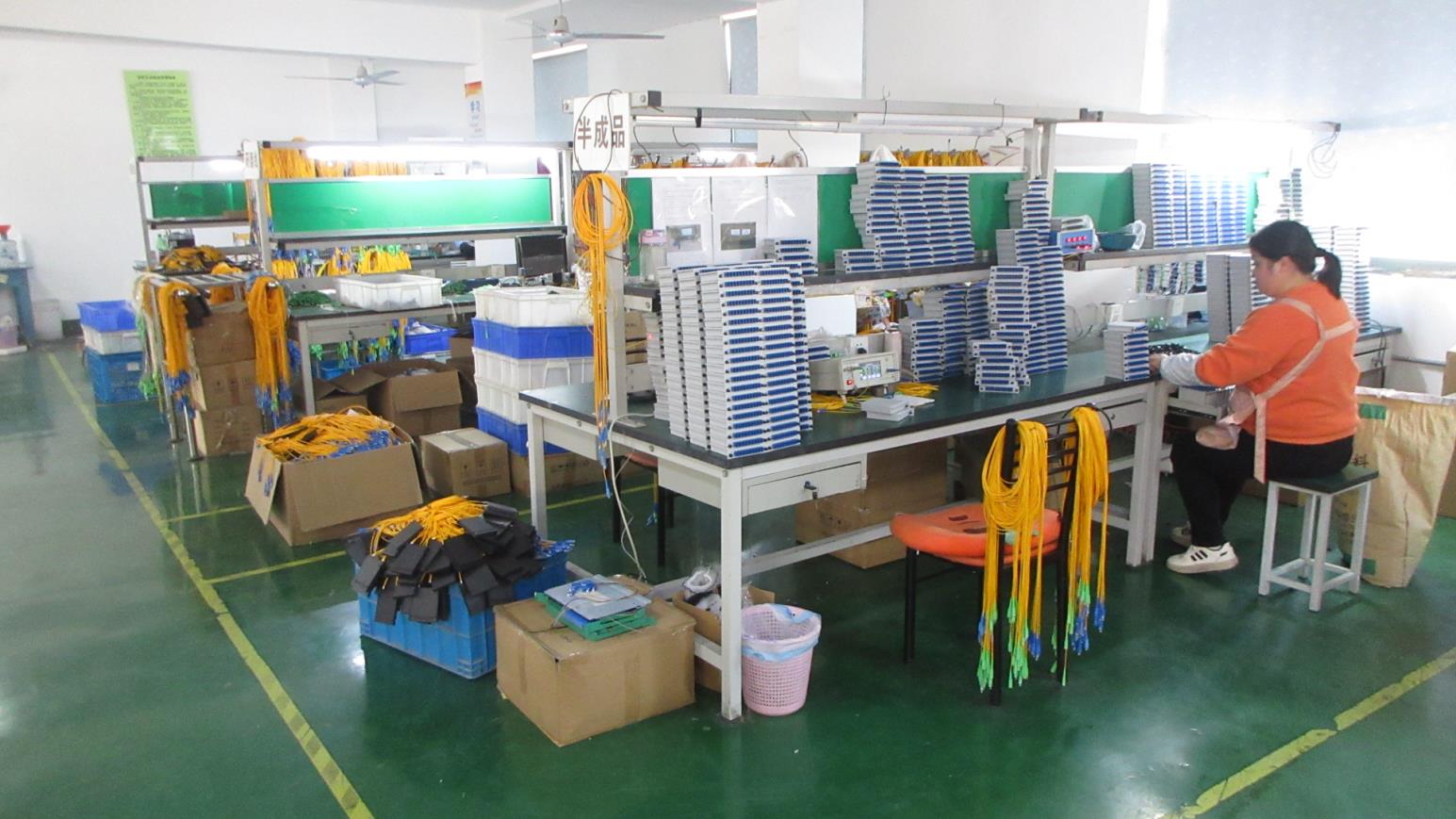
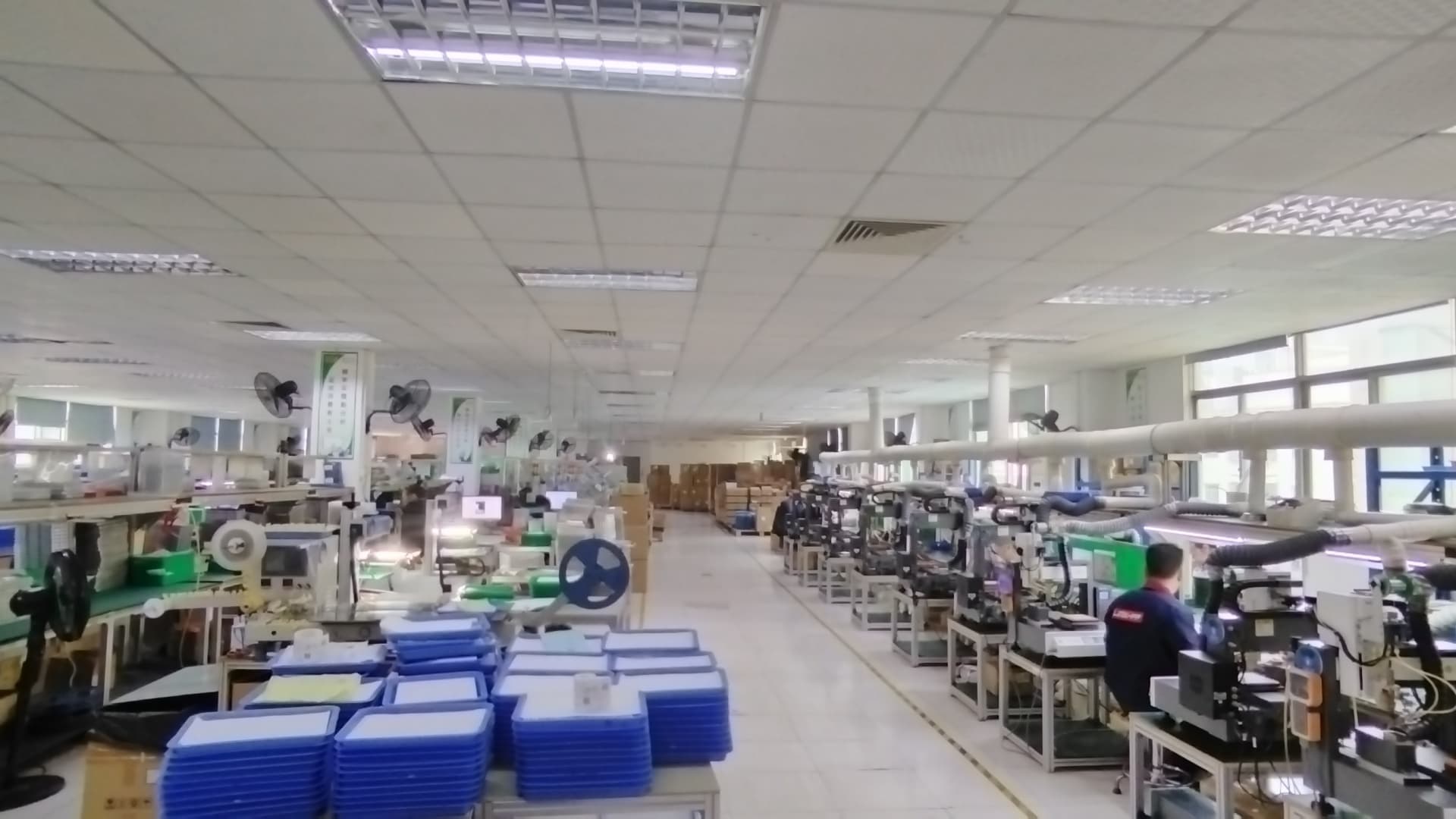
Founded in 2016 and located in Guangdong, China, Tensorium Intelligent Technology Co., Ltd. operates a highly specialized integration and validation facility covering over 380㎡. We serve customers across North America, Europe, the Middle East, and Southeast Asia, offering robust computing platforms designed for artificial intelligence training, inference, deep learning, and secure enterprise applications.
We support our B2B clients through an extensive global network of over 1,200 trusted supply chain partners. Our R&D team developed and released more than 80 custom hardware configurations last year alone to meet evolving compute workloads.
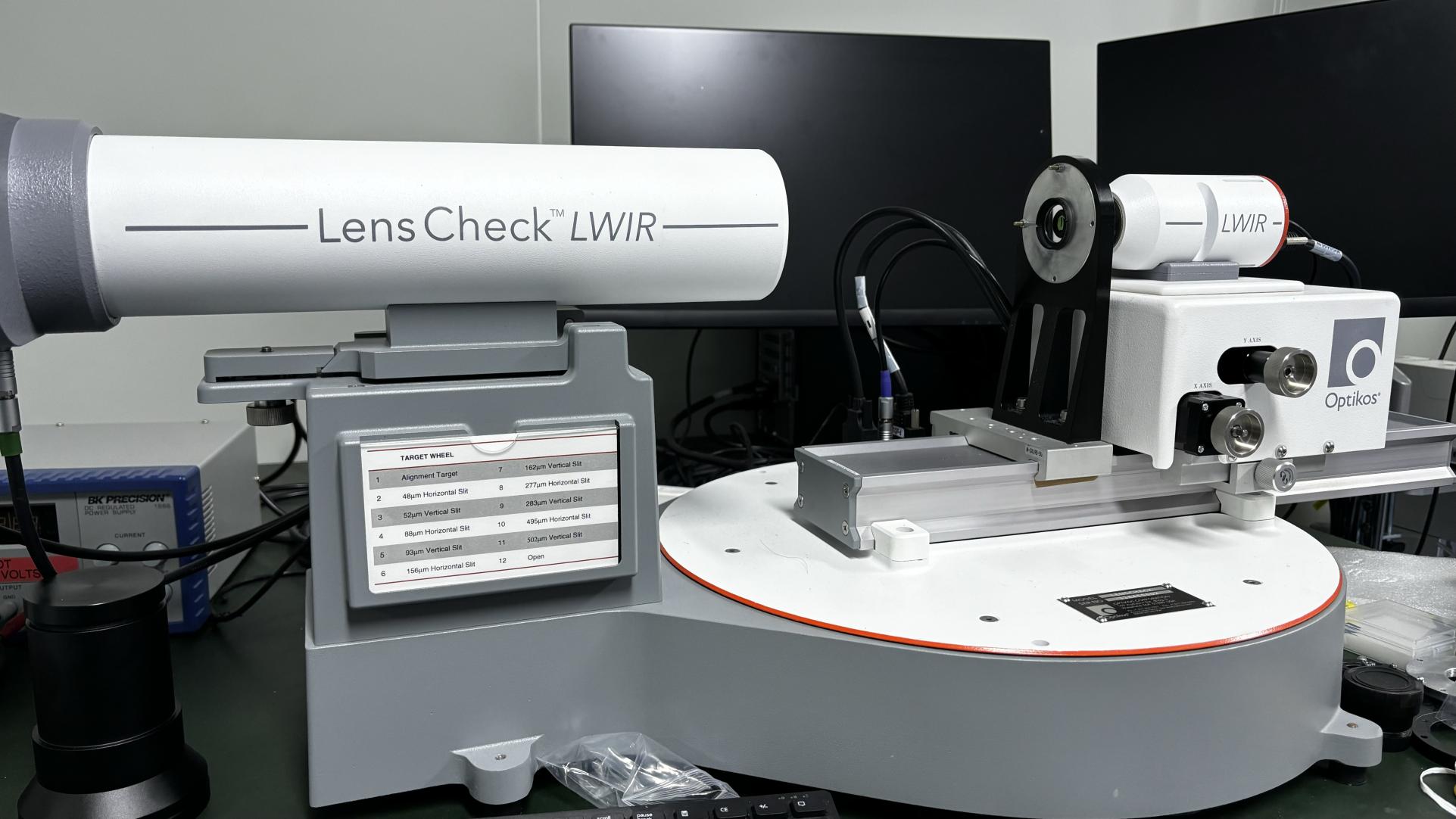
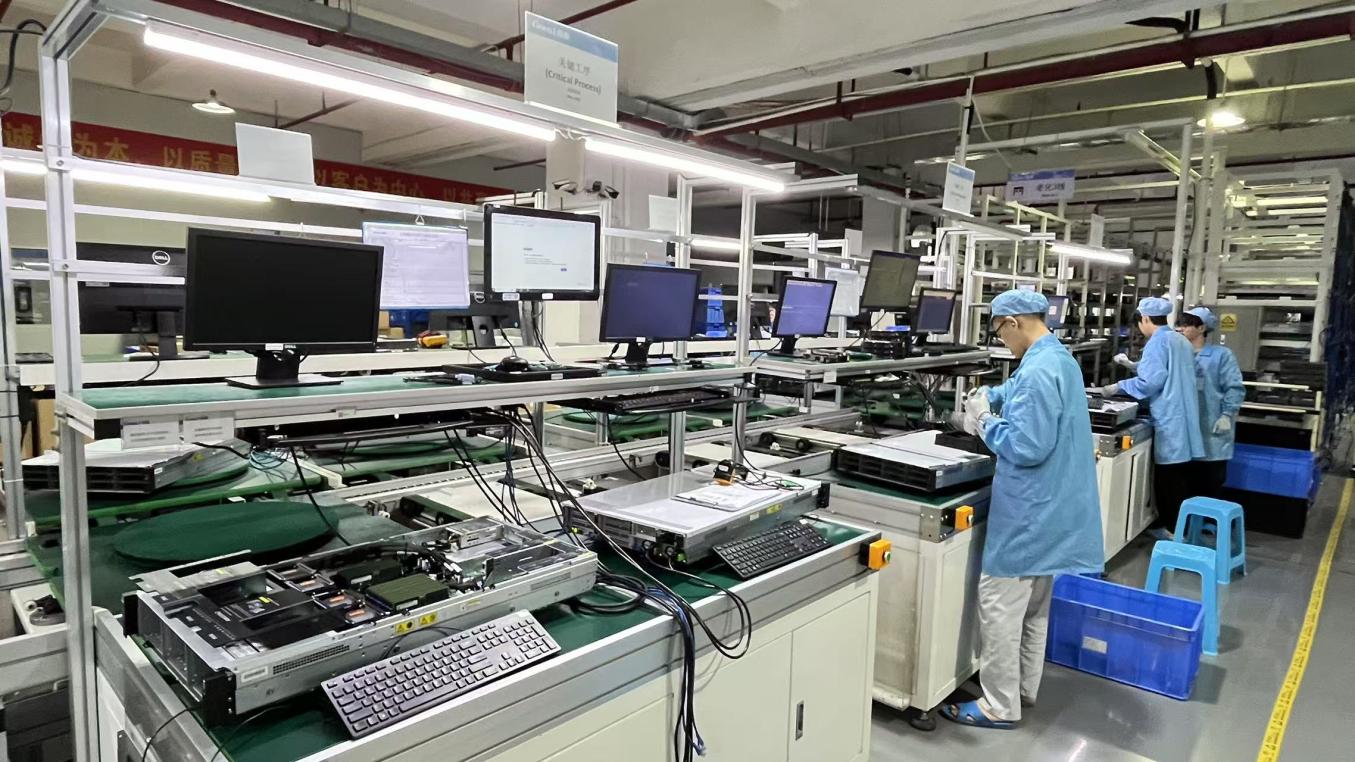
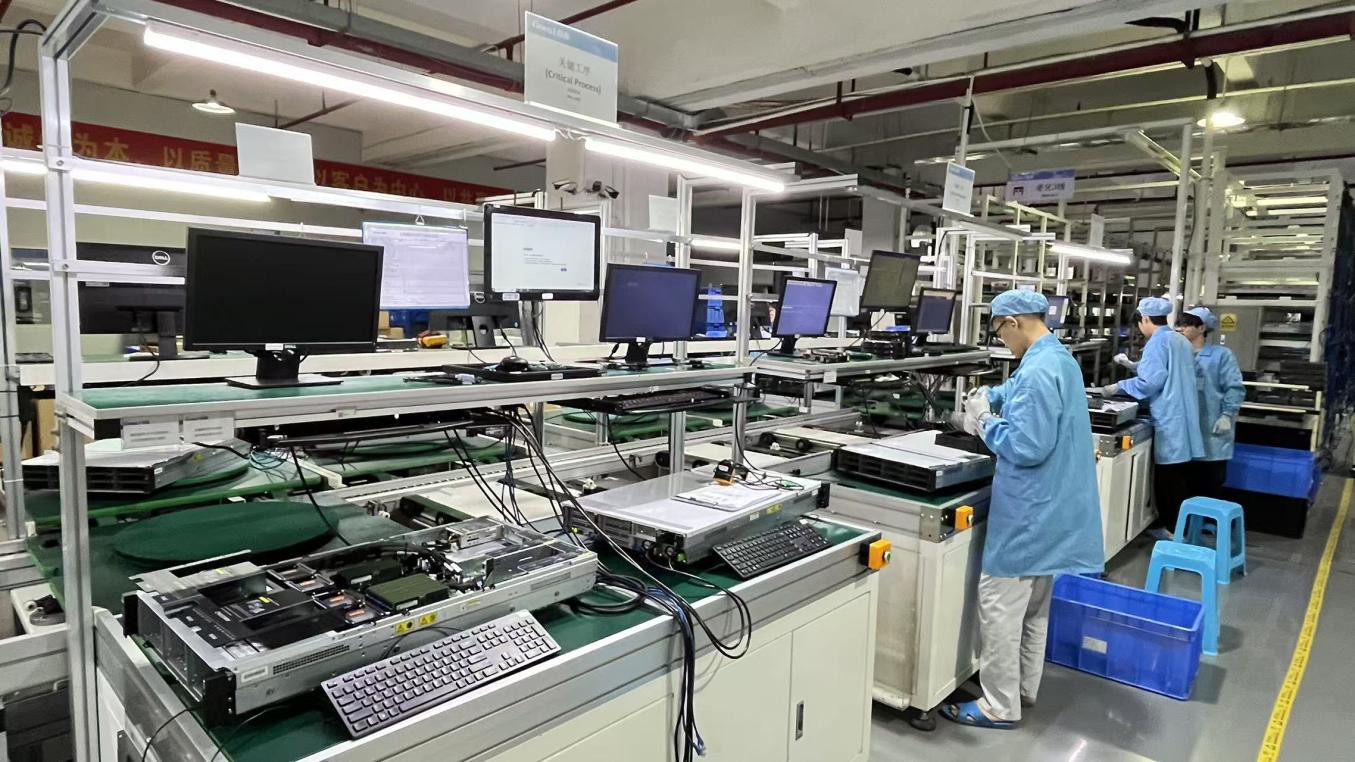
To maintain reliability, our dedicated team of 45 quality inspectors runs comprehensive diagnostic protocols. Each unit undergoes strict burn-in validation, benchmark testing, and thermal inspections before leaving our facility, ensuring trouble-free deployment in critical systems.
At Tensorium, we understand that off-the-shelf equipment rarely meets specific enterprise security mandates. That is why we provide full hardware-level customization services.
Direct technical answers addressing hardware compatibility, product security certifications, and global export processes.
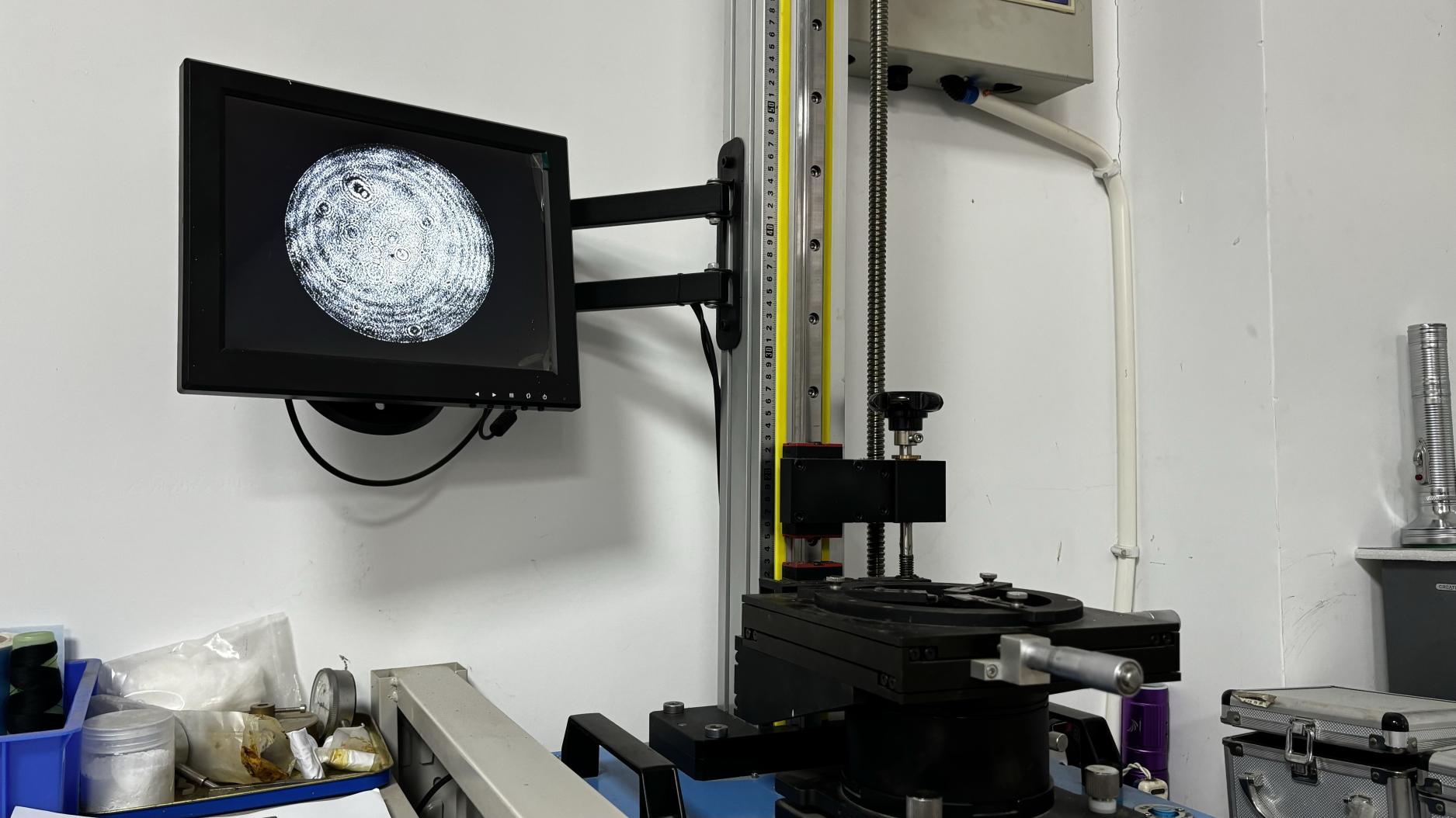
We screen and audit all 1,200+ partner vendors. Component batches undergo optical inspection, silicon-level analysis, and secure hardware configuration checks. Every motherboard is loaded with cryptographic firmware in our secure facility, preventing tampering during transport.
All servers undergo 24- to 72-hour system burn-in testing under dynamic environmental conditions. Our team of 45 quality inspectors runs thermal tests, network traffic throughput validation, and PCIe channel diagnostic tools to verify component performance.
Yes, our engineering team offers complete hardware customization. We can lock specific system firmware, install specialized SSD controllers, configure network card capabilities, and customize branding to align with your platform requirements.
We export servers worldwide, providing standard certification paperwork like CE, FCC, RoHS, and UL for North America, Europe, and the Middle East. We also handle complex logistical custom requirements and declarations.
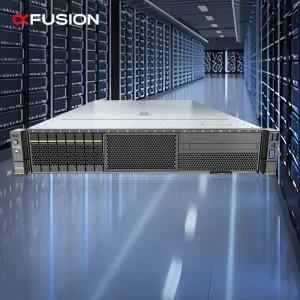
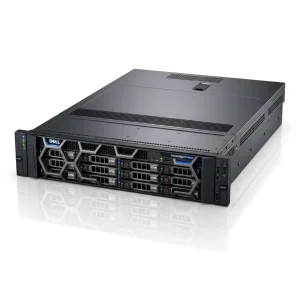
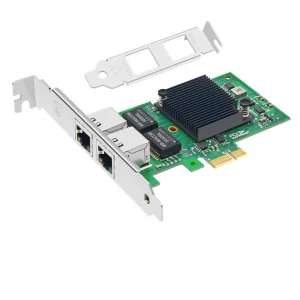
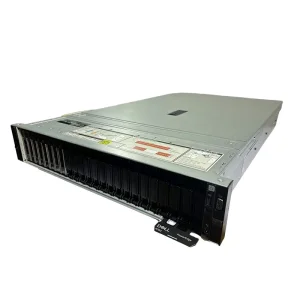
Extend storage capabilities, load-bearing capability, system throughput, and compute limits with our high-density arrays.
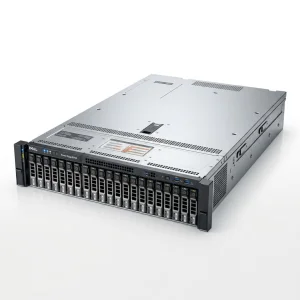
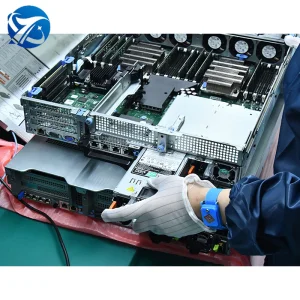
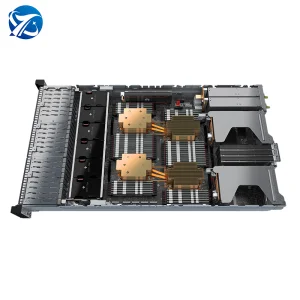
Explore our engineering environment, diagnostic facilities, and product verification processes.