Tensorium
Tensorium
Tensorium
Explore our elite selection of hardware components, Rack Server configurations, and modular processing systems optimized for virtualization, deep learning, and mission-critical enterprise workloads.
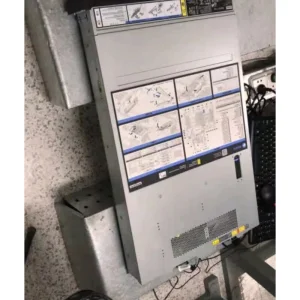
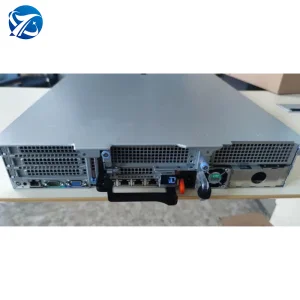
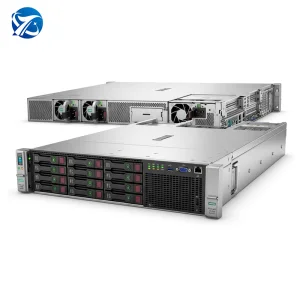
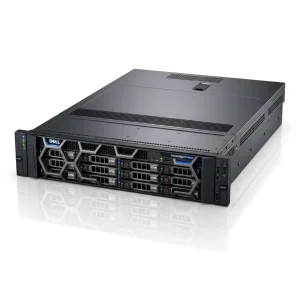
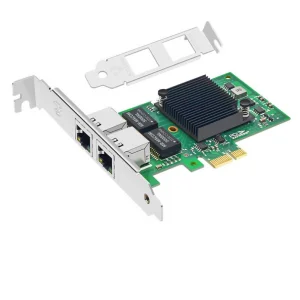
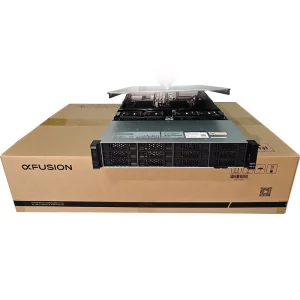
How next-generation infrastructure design is breaking scaling barriers in AI, deep learning, and modern high-density data centers.
As enterprise computation tasks transition from monolithic databases to highly distributed AI neural networks, machine learning models, and deep learning engines, traditional fixed rack architectures are hitting physical and performance boundaries. The necessity for rapid technological iterations, combined with strict cooling and power constraints, has led to a pivotal paradigm shift: the adoption of modular server systems. Unlike standard servers, modular servers decouple computing, storage, networking, and power distribution subsystems into interchangeable, hot-swappable chassis-based modules. This design allows operators to scale specific operational capacities independently, avoiding the expense of replacing entire server nodes.
For global businesses, modular server topologies provide an effective strategy for optimizing Total Cost of Ownership (TCO). In high-density settings, a modular frame houses multiple compute sleds that share centralized power modules and cooling fans. This consolidation reduces power consumption, simplifies cable routing, and maximizes floor-space efficiency. As hardware demands evolve—such as transitioning from general-purpose CPUs to dense GPU clusters for deep learning workloads—operators can update individual modules without rebuilding the rack environment. This modular flexibility ensures enterprise infrastructure remains adaptable to future technology cycles.
Upgrade compute nodes, memory arrays, or high-performance acceleration components independently. Align hardware expansion directly with actual processing loads to eliminate over-provisioning.
Share high-efficiency titanium redundant power supplies and heavy-duty cooling fans across multi-node enclosures. This system design reduces overall power requirements and improves cooling efficiency.
Minimize downtime with hot-swappable chassis modules. System administrators can extract, service, or swap compute and storage units without powering down the entire network.
Tensorium Intelligent Technology Co., Ltd. is a premier developer of high-density computing systems, AI acceleration equipment, and data center components.
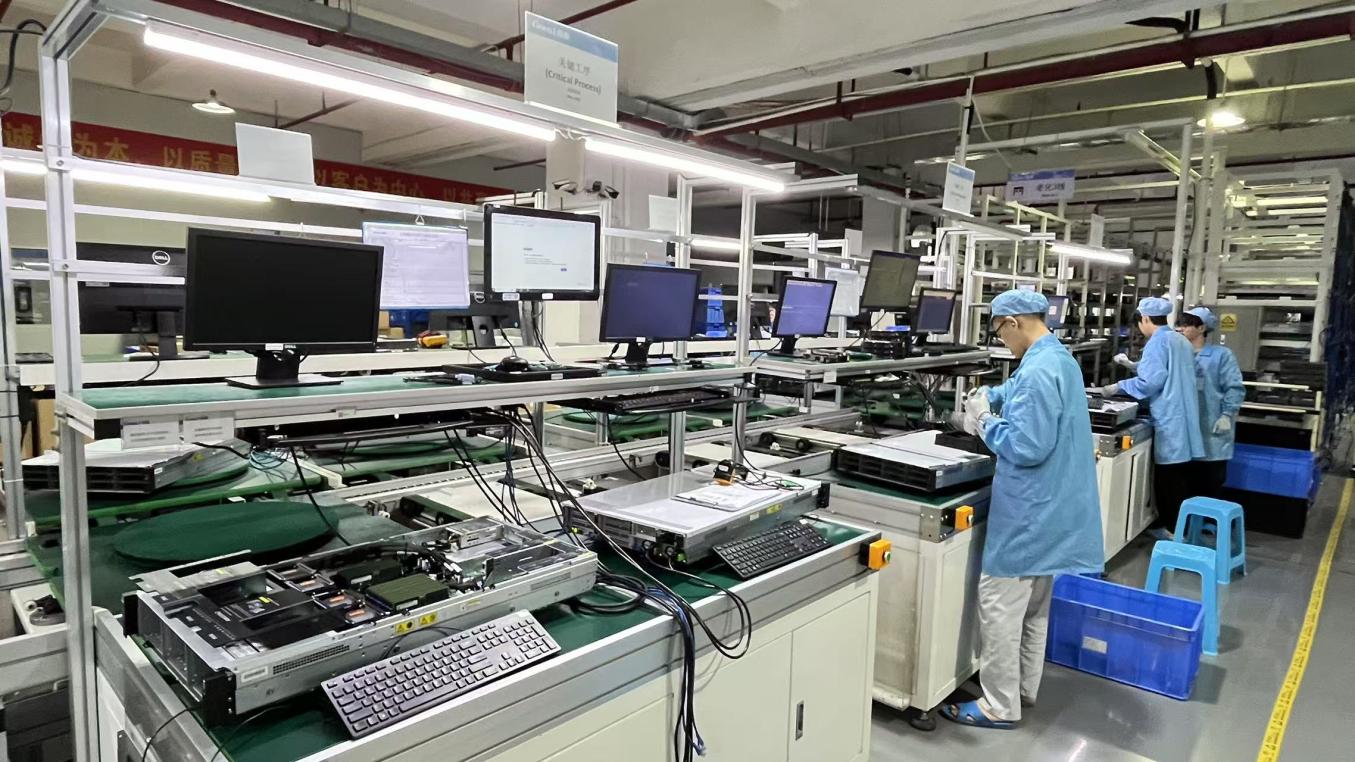
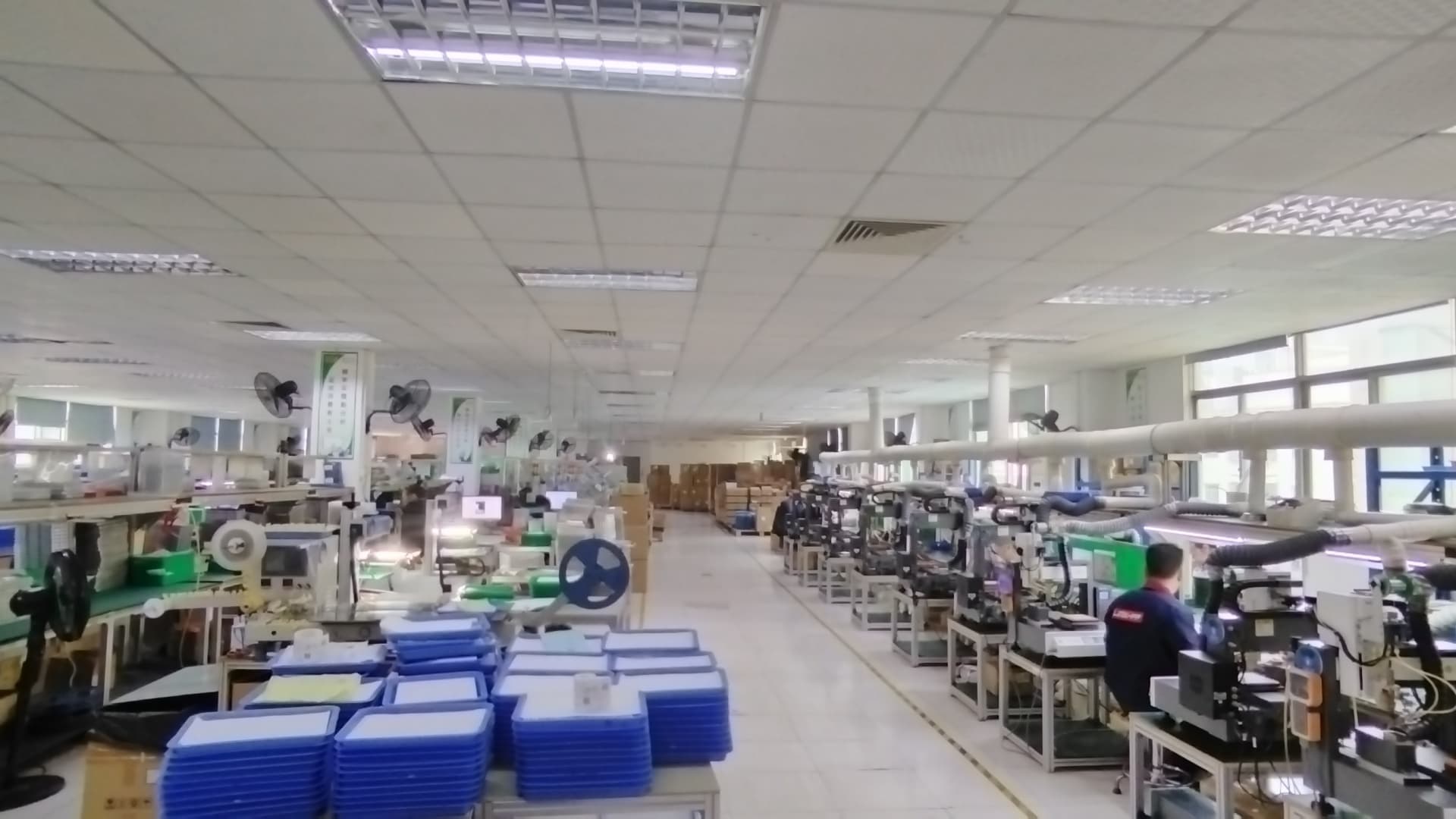
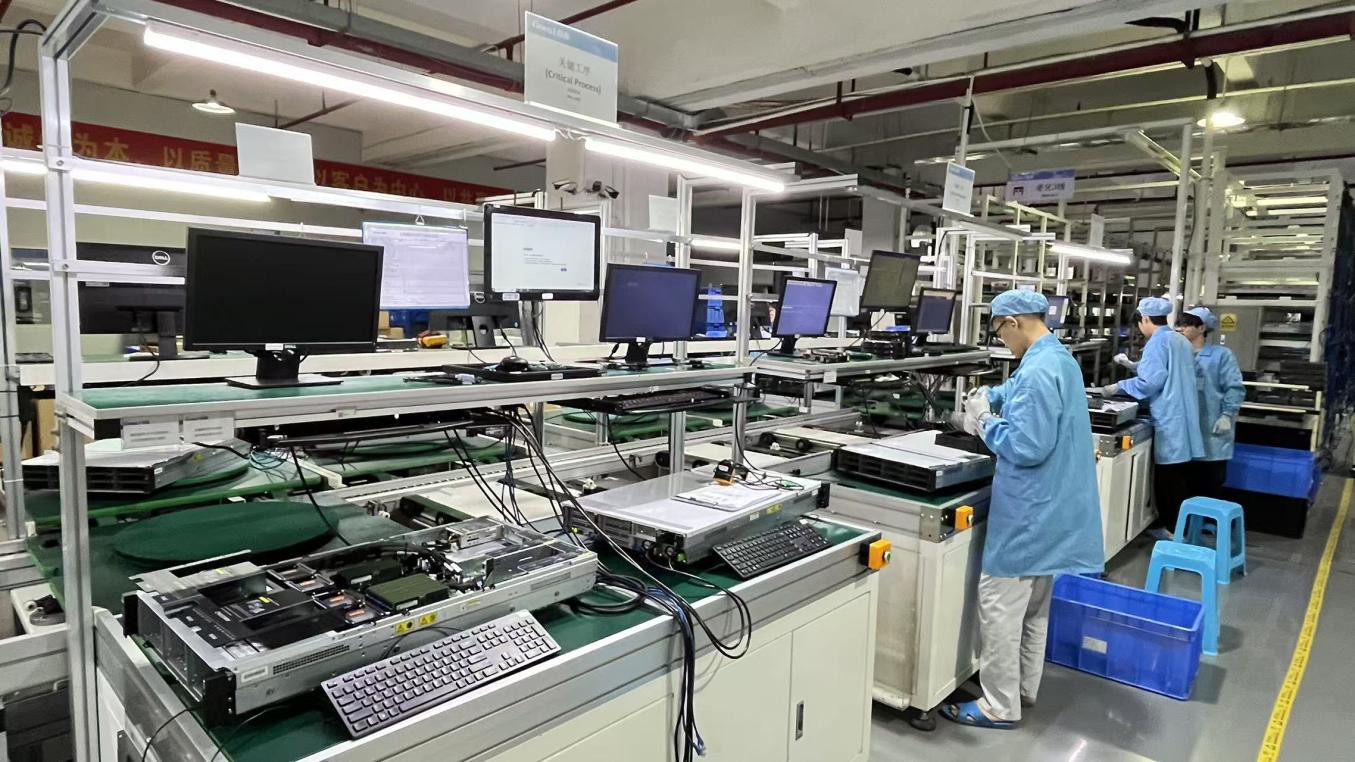
Established in 2016, Tensorium Intelligent Technology Co., Ltd. specializes in the engineering and production of advanced computational architectures. Located in Guangdong, China, our advanced facility functions as a dedicated center for precision assembly, system integration, and rigorous quality testing. Drawing on 14 years of collective experience in the computer hardware industry, we deliver enterprise-grade server systems and component kits to major markets worldwide, including North America, Europe, the Middle East, and Southeast Asia.
Our global supply network includes over 1,200 verified component partners. This supply chain stability enables us to maintain inventory of critical systems, including Dell PowerEdge configurations, HPE ProLiant racks, xFusion servers, and high-speed PCIe Gen 4.0/5.0 NVMe RAID controllers. Through our comprehensive OEM and ODM programs, we support clients from design validation through to full production, tailoring systems to meet specific cloud infrastructure, machine learning, and database management needs.
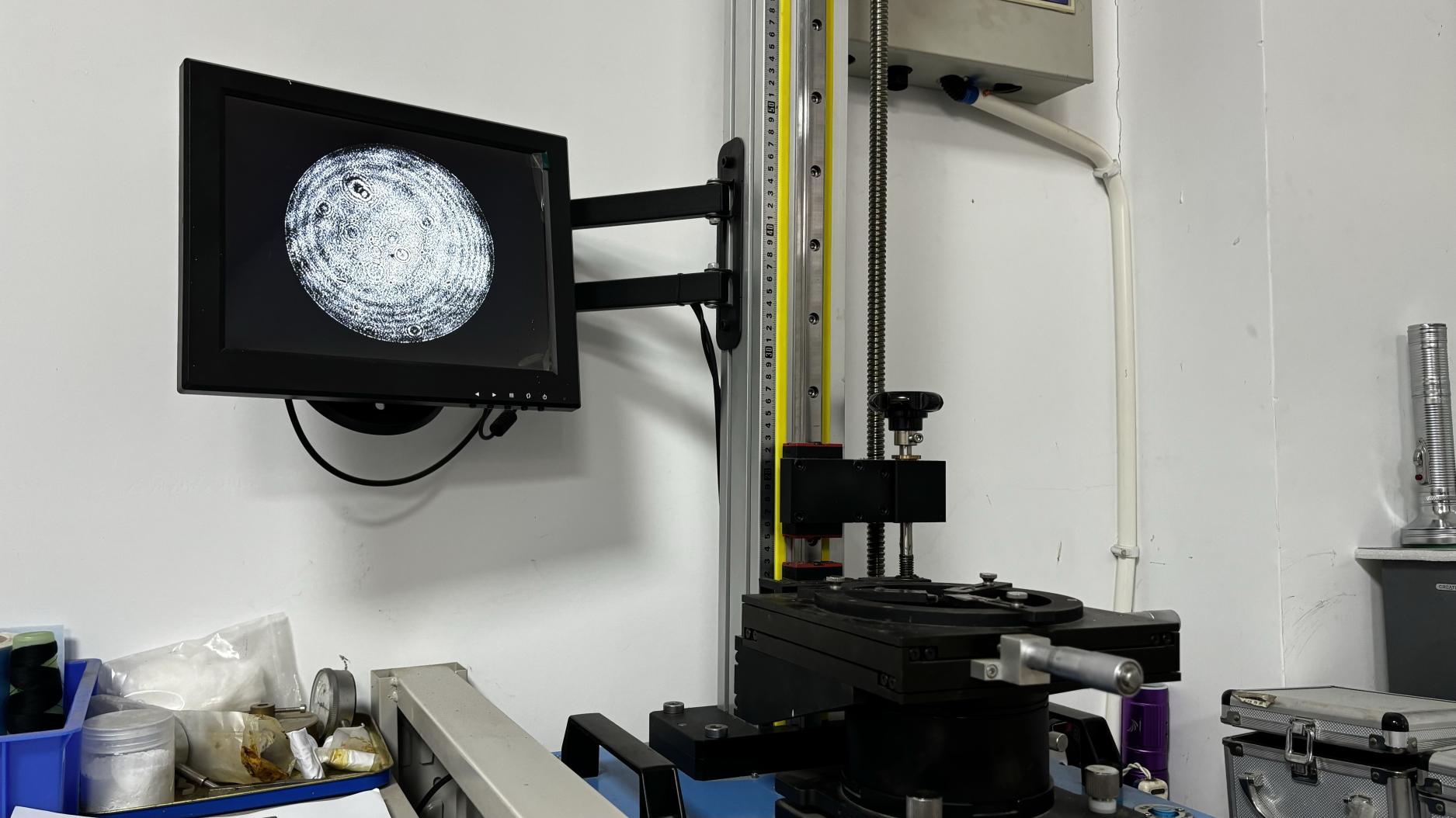
At Tensorium, quality assurance is integrated into every step of our manufacturing workflow. Our 45-person QC department oversees a multi-stage validation process to ensure system stability under sustained loads:
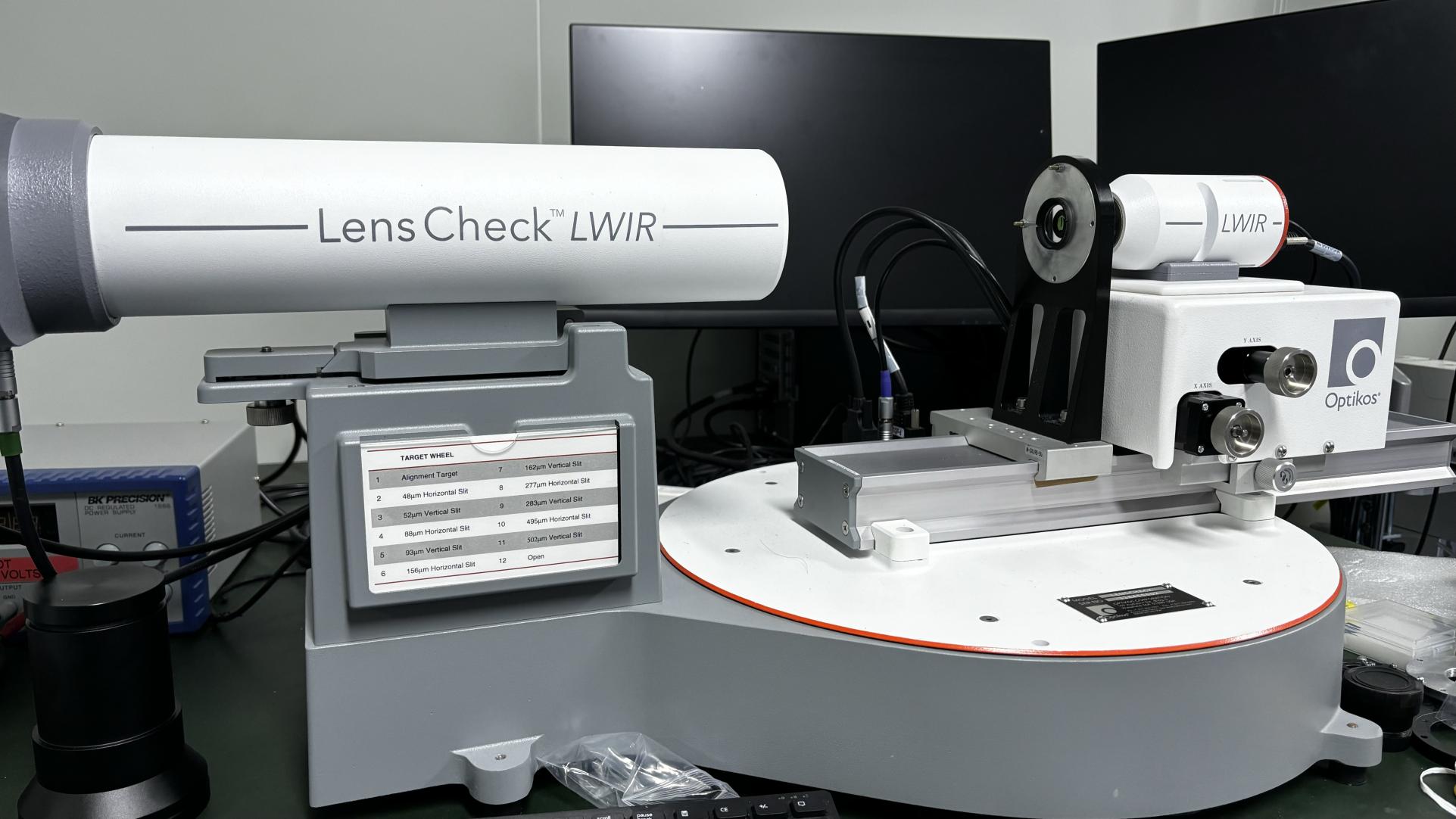

Engineered to meet the reliability, efficiency, and scalability requirements of modern enterprise computing centers.
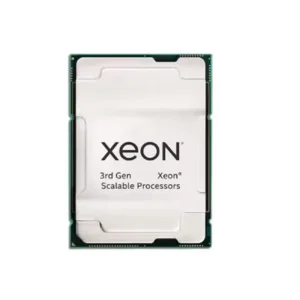
Procuring modular server systems at scale requires careful balancing of initial hardware costs, long-term operational efficiency, and regional compliance standards. Enterprise procurement teams prioritize hardware platforms that balance energy efficiency with performance density. Our modular compute sleds and system chassis are designed to support dual-socket Intel Xeon Scalable or AMD EPYC architectures, providing high core density per rack unit. High-speed communication backplanes enable fast data transfer between nodes, using PCIe Gen 5.0 paths and 400G networking protocols to eliminate throughput bottlenecks in distributed setups.
Power efficiency is a critical consideration for modern data centers aiming to reduce PUE (Power Usage Effectiveness) ratings. Our modular systems integrate digital power management systems, utilizing titanium-grade redundant power modules (CRPS) that support hot-swapping and active-standby load-balancing algorithms. This configuration keeps energy efficiency high even during low-demand cycles. Advanced fan speed algorithms adjust airflow in real time based on component temperature readings, minimizing cooling overhead while preventing internal thermal throttling.
Configure nodes to match specific workloads, utilizing high-frequency processors for database operations, or memory-dense modules for large virtualization projects.
Combine high-speed NVMe U.2/U.3 drives for quick data access with high-capacity SAS/SATA drives to build cost-effective, multi-tier storage setups.
Designed in line with global OCP (Open Compute Project) guidelines to simplify integration into existing enterprise rack environments and third-party management suites.
Customizable server architecture optimized for next-generation cloud infrastructure, AI workloads, and virtualization.
Tensorium's modular server solutions are designed to support critical workloads in enterprise, research, and cloud hosting environments. By using shared infrastructure chassis, organizations can deploy tailored node configurations optimized for specific application profiles:
Modern AI applications, including LLM training, deep learning inference, and neural network development, require high-bandwidth parallel processing capabilities. Tensorium GPU servers support high-density configurations featuring NVIDIA and AMD accelerators connected via PCIe switch blocks or NVLink interfaces. This high-density architecture provides the computational throughput needed for complex AI model training while maintaining reliable thermals through high-airflow fan arrays.
For virtualization platforms running on VMware vSphere, Microsoft Hyper-V, or open-source KVM hypervisors, resource density is a primary requirement. Our modular nodes provide large memory footprints, supporting up to 32 DDR5 ECC DIMMs per processor socket. This density allows administrators to run many virtual machines per rack unit. Integrated tri-mode RAID controllers handle high-speed storage configurations, ensuring reliable data access for transactional database systems and ERP applications.
Managing large data growth requires highly scalable storage systems. Our hybrid storage enclosures combine NVMe SSD boot drives with hot-swappable SAS/SATA storage bays. These systems provide the density and connectivity needed to construct software-defined storage arrays (Ceph, GlusterFS, TrueNAS), providing dependable storage foundations for cloud hosting providers and content delivery networks.
Ensuring smooth delivery, full regulatory compliance, and reliable operational support across all major international markets.
Shipping complex server assemblies worldwide requires comprehensive compliance management and robust transit protection. Tensorium coordinates international shipping processes to ensure systems arrive configured and ready for deployment. Every product we export complies with major regional certifications, including CE, FCC, RoHS, and CCC, simplifying customs clearance and integration into regional data center environments.
Our logistics workflow uses custom-designed, anti-static shock-absorbing packaging to protect delicate electronic assemblies during transit. For large deployments, we offer rack-level shipping options. This service allows complete, pre-wired cabinets to be rolled straight onto the data center floor, reducing onsite integration time. We provide clear documentation, including detailed commercial invoices, Certificates of Origin, and compliance declarations, to support smooth customs clearance in destination countries.
To minimize downtime, Tensorium offers replacement parts logistics and technical support. We maintain inventories of hot-swappable components—including power supplies, system fans, memory modules, and storage drives—in key distribution areas. This network enables prompt shipment of replacement parts to support our clients' service level agreements (SLAs).
Our commitment to research and development ensures our platforms are prepared for next-generation data center standards.
As chip power requirements rise, server cooling and design must evolve. Tensorium's R&D team is developing new chassis architectures to accommodate next-generation hardware platforms. Our technology roadmap focuses on three main development areas:
Developing direct-to-chip (D2C) liquid cooling loops designed to dissipate heat from processors with TDP ratings over 500W, helping facilities lower overall cooling energy costs.
Integrating Compute Express Link (CXL) technology to enable shared memory pools between processors and accelerators, reducing latency in memory-heavy tasks.
Testing optoelectronic components designed to bypass the physical limitations of copper connections, providing faster interconnect speeds for large-scale GPU clusters.
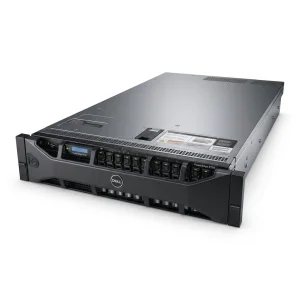
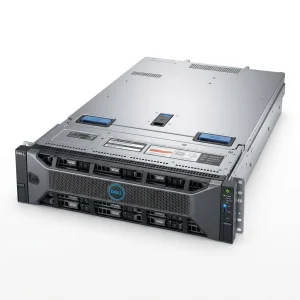
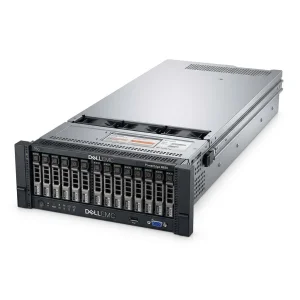
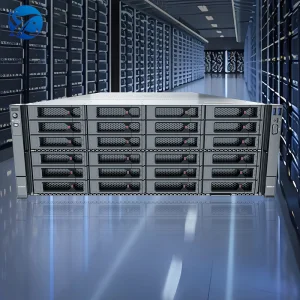
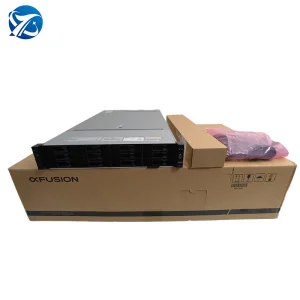
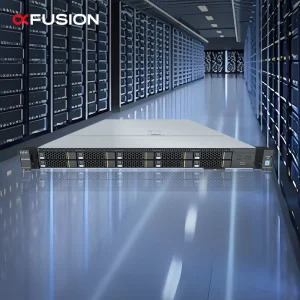
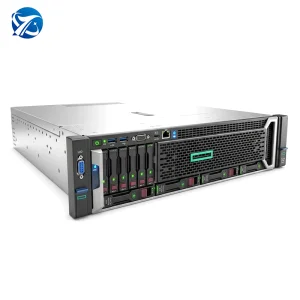
Select configurations designed for scalable data networks, database workloads, and virtualized enterprise systems.
Answers to common technical, manufacturing, and configuration questions from our international enterprise customers.