Tensorium
Tensorium
Tensorium
In the rapidly evolving landscape of data management, the global Solid State Drive (SSD) market has transcended its origins as a mere replacement for Hard Disk Drives (HDDs). Today, it serves as the foundational architecture for the Artificial Intelligence (AI) revolution, High-Performance Computing (HPC), and Edge Computing. As we move through 2024, the demand for high-density, low-latency storage has reached an all-time high, driven by Large Language Models (LLMs) and real-time data analytics.
This report provides an in-depth analysis of the Top 10 SSD storage factories and suppliers, evaluating them through the lens of technical innovation, manufacturing capacity, and global supply chain resilience. For procurement officers and CTOs, understanding these market leaders is critical for optimizing infrastructure TCO (Total Cost of Ownership) and ensuring long-term scalability.
The undisputed market leader in NAND Flash production. Samsung’s vertical integration—producing their own controllers, DRAM, and NAND—allows for unmatched reliability and performance in enterprise-grade NVMe SSDs.
A pioneer in 232-layer 3D NAND technology. Micron’s enterprise SSDs are highly regarded for their power efficiency and are widely used in modern cloud data centers.
Following the acquisition of Intel’s NAND business, SK Hynix has become a powerhouse in the QLC (Quad-Level Cell) market, providing high-capacity storage for cold storage and AI data lakes.
Leveraging its SanDisk heritage, WD offers a comprehensive portfolio from consumer-grade to high-end enterprise NVMe drives, focusing on scalability and robust data protection algorithms.
As the inventor of Flash memory, Kioxia continues to lead in BiCS FLASH™ technology, focusing heavily on PCIe 5.0 and 6.0 development for the next generation of servers.
The world’s largest independent memory module manufacturer. Kingston excels in the channel market, offering exceptional local support and localized compliance for diverse global markets.
While historically an HDD giant, Seagate’s Nytro series has made significant inroads into the enterprise SSD space, offering specialized solutions for high-density storage arrays.
Focused on high-performance consumer and enthusiast markets, Sabrent often pushes the envelope of what is possible with raw speed, frequently being the first to market with new PCIe generations.
A key player in the industrial SSD market, Transcend specializes in high-endurance solutions for manufacturing, medical, and military applications where reliability is non-negotiable.
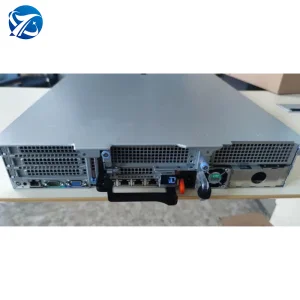
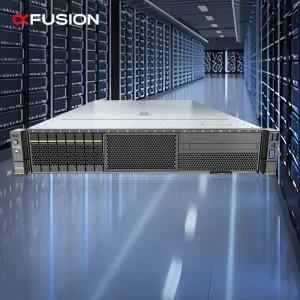
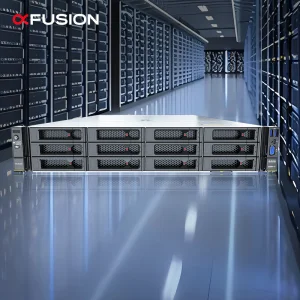
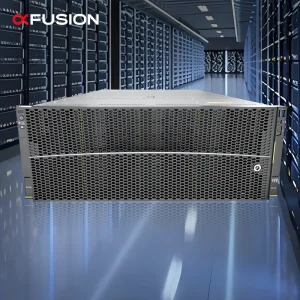
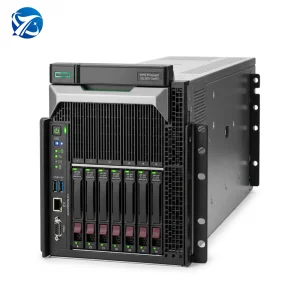
Specializing as a high-performance system integrator and OEM provider, Tensorium bridges the gap between raw SSD components and AI-ready GPU clusters, offering customized storage architectures for deep learning.
The transition from local storage to disaggregated storage architectures is accelerating. NVMe-oF allows data centers to share high-performance flash storage over a network with the same latency as local drives, optimizing resource utilization.
ZNS is a new standard that aligns the software stack with the physical NAND layout, reducing write amplification and improving endurance. This is crucial for hyperscalers who need to maximize the lifespan of their hardware.
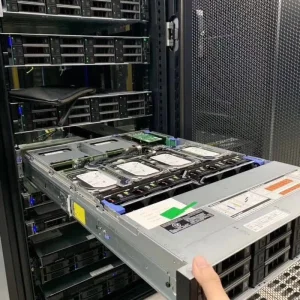
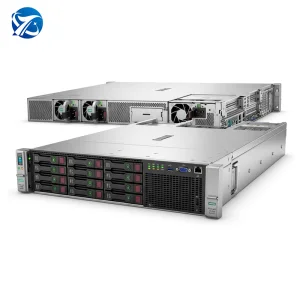
With PCIe 5.0 doubling the bandwidth of its predecessor, we are seeing 14,000 MB/s speeds becoming common. PCIe 6.0, using PAM4 signaling, will again double this, necessitating advanced thermal management solutions in 1U and 2U server chassis.
Founded in 2016, Tensorium Intelligent Technology Co., Ltd. is a professional manufacturer and global supplier of high-performance AI GPU servers, GPU clusters, and intelligent computing infrastructure solutions. We specialize in delivering reliable, scalable, and customized computing platforms for artificial intelligence training, inference, deep learning, HPC, and enterprise data center applications.
Located in Guangdong, China, Tensorium operates a modern manufacturing facility covering over 380㎡ and serves customers across North America, Europe, the Middle East, Southeast Asia, and other global markets. Our annual export revenue exceeds USD 18 million, supported by an extensive supply chain network of more than 1,200 trusted partners worldwide.
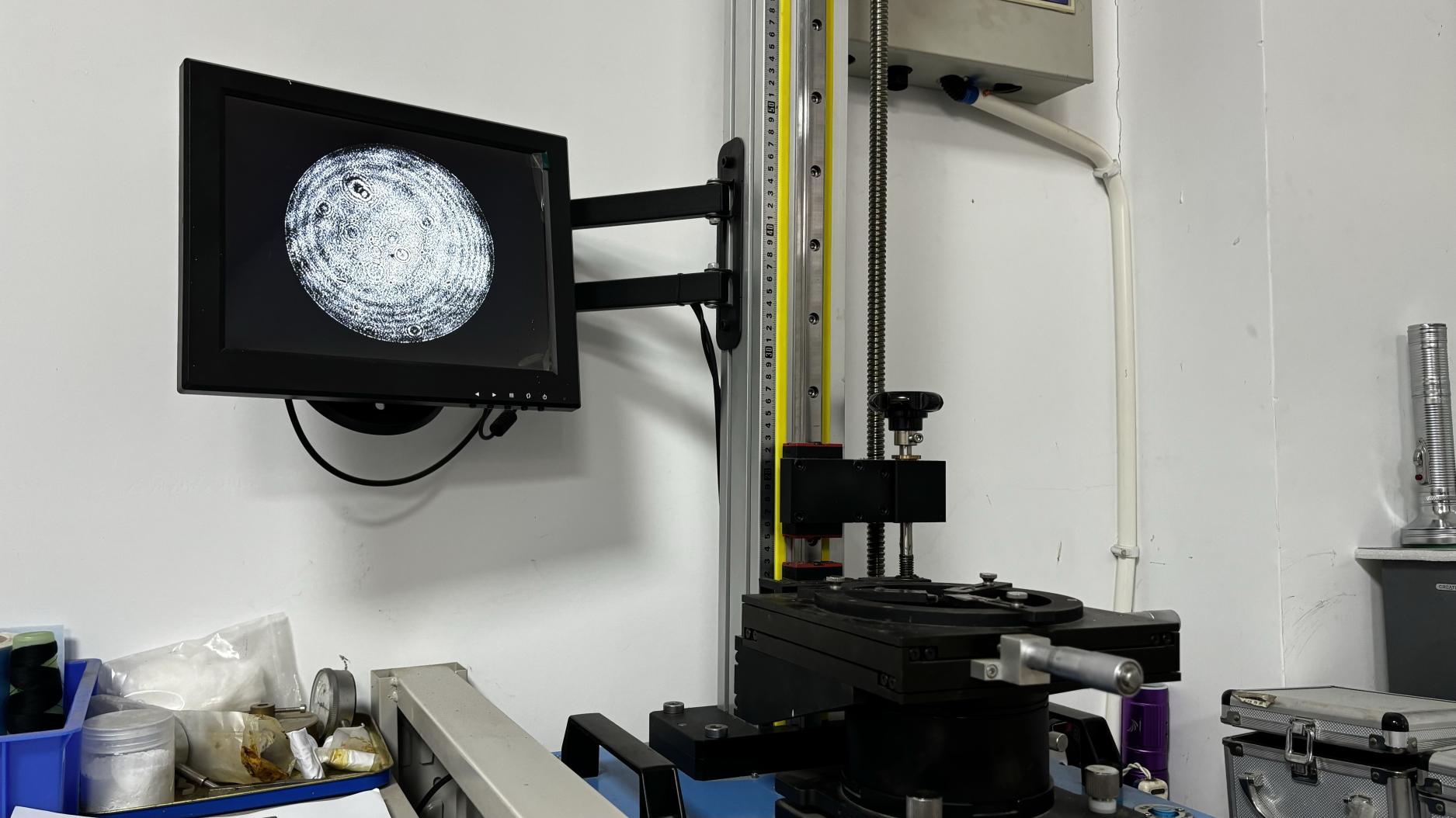
Innovation is at our core. Our R&D team consists of over 120 experienced engineers dedicated to developing advanced GPU server architectures. Quality is embedded throughout our process, with 45 quality inspectors conducting burn-in testing, thermal performance validation, and stability testing before every shipment.
With strong OEM and ODM capabilities, we provide flexible customization options including GPU configuration, CPU platform selection, storage architecture, and networking solutions optimized for specific workloads.
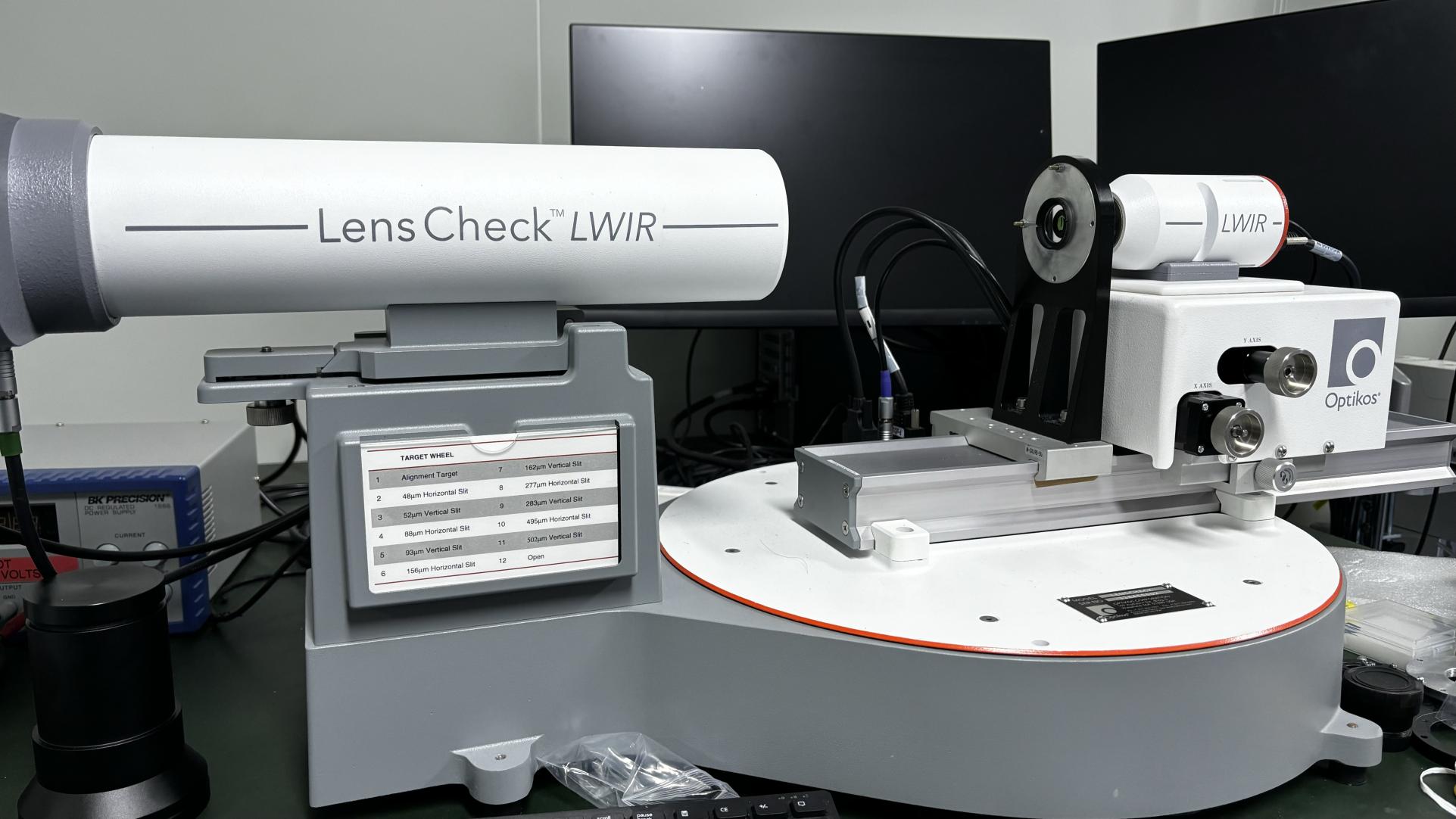
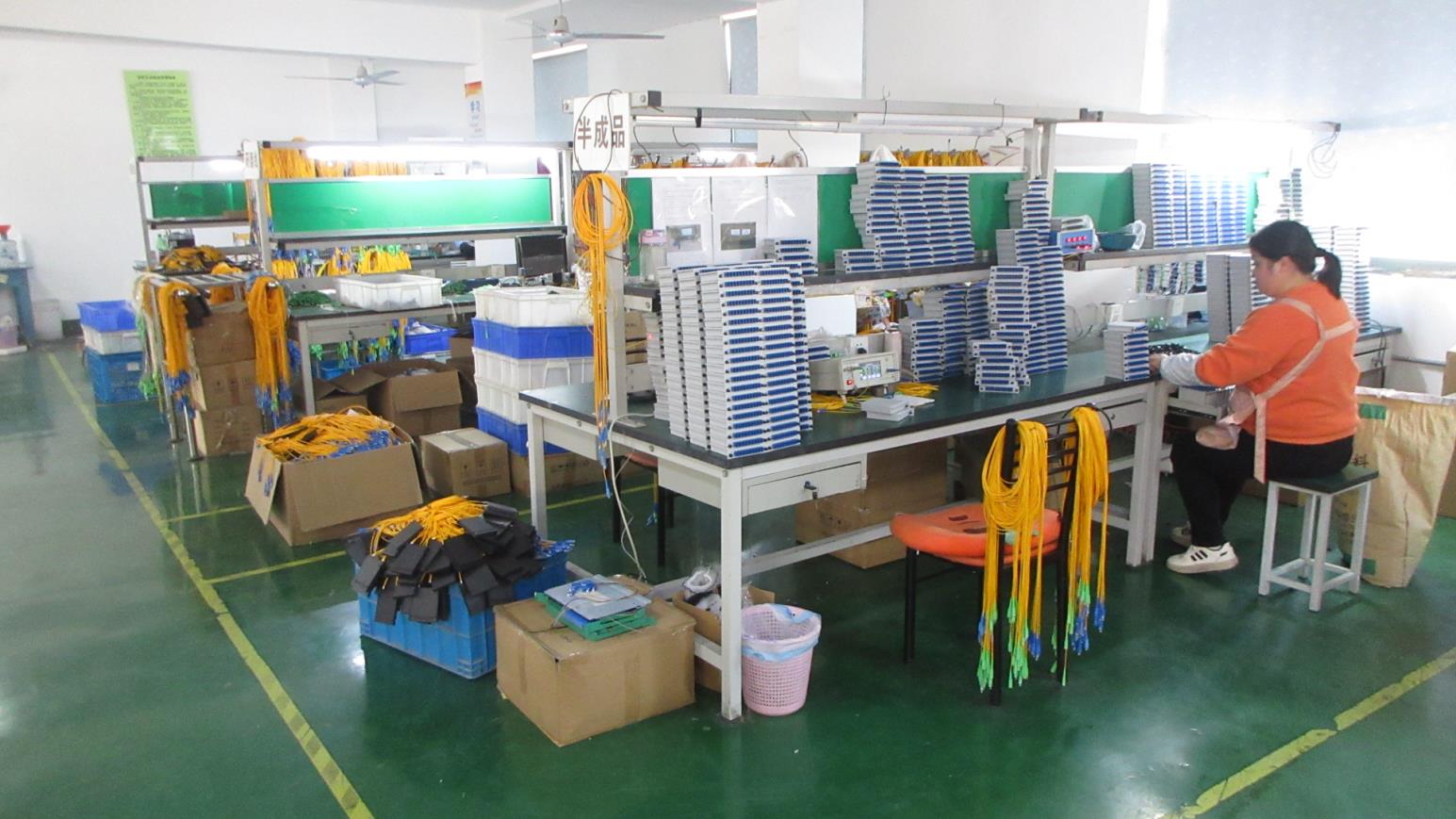
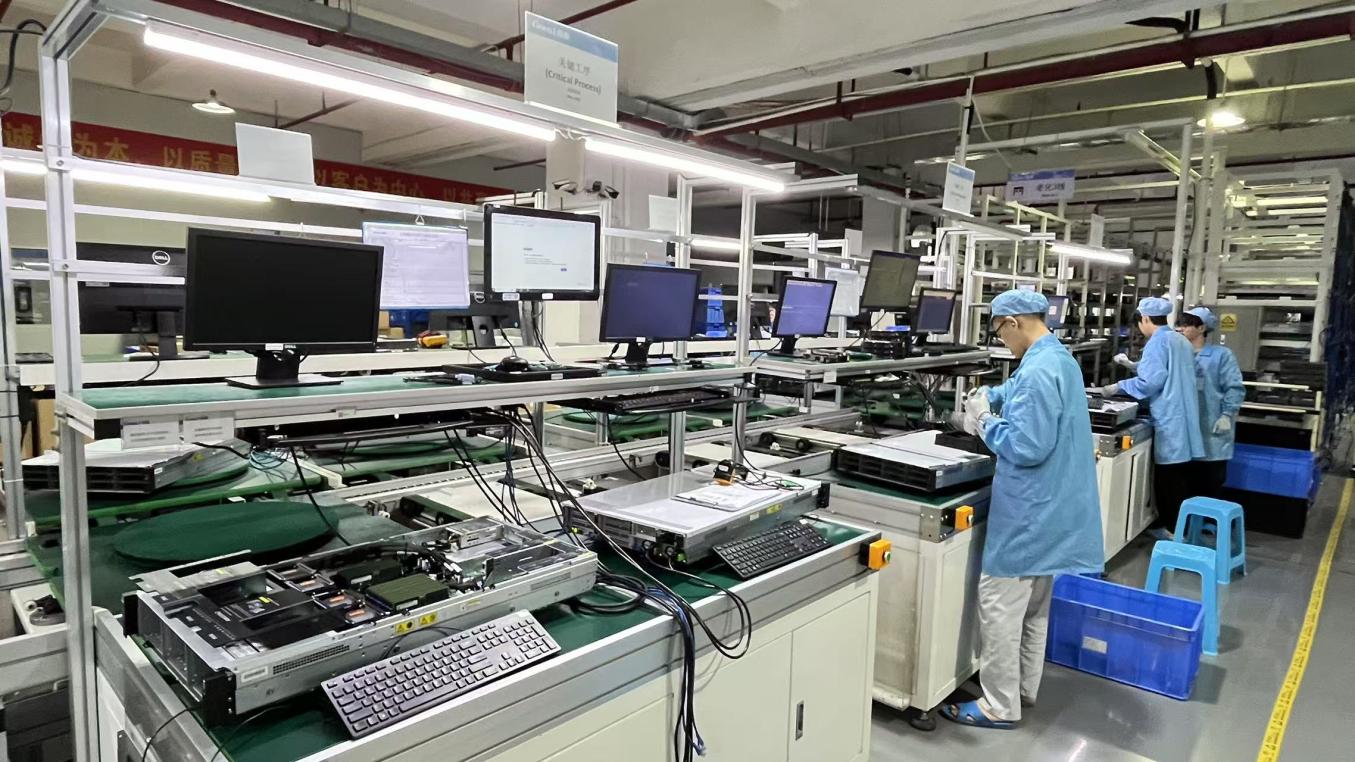
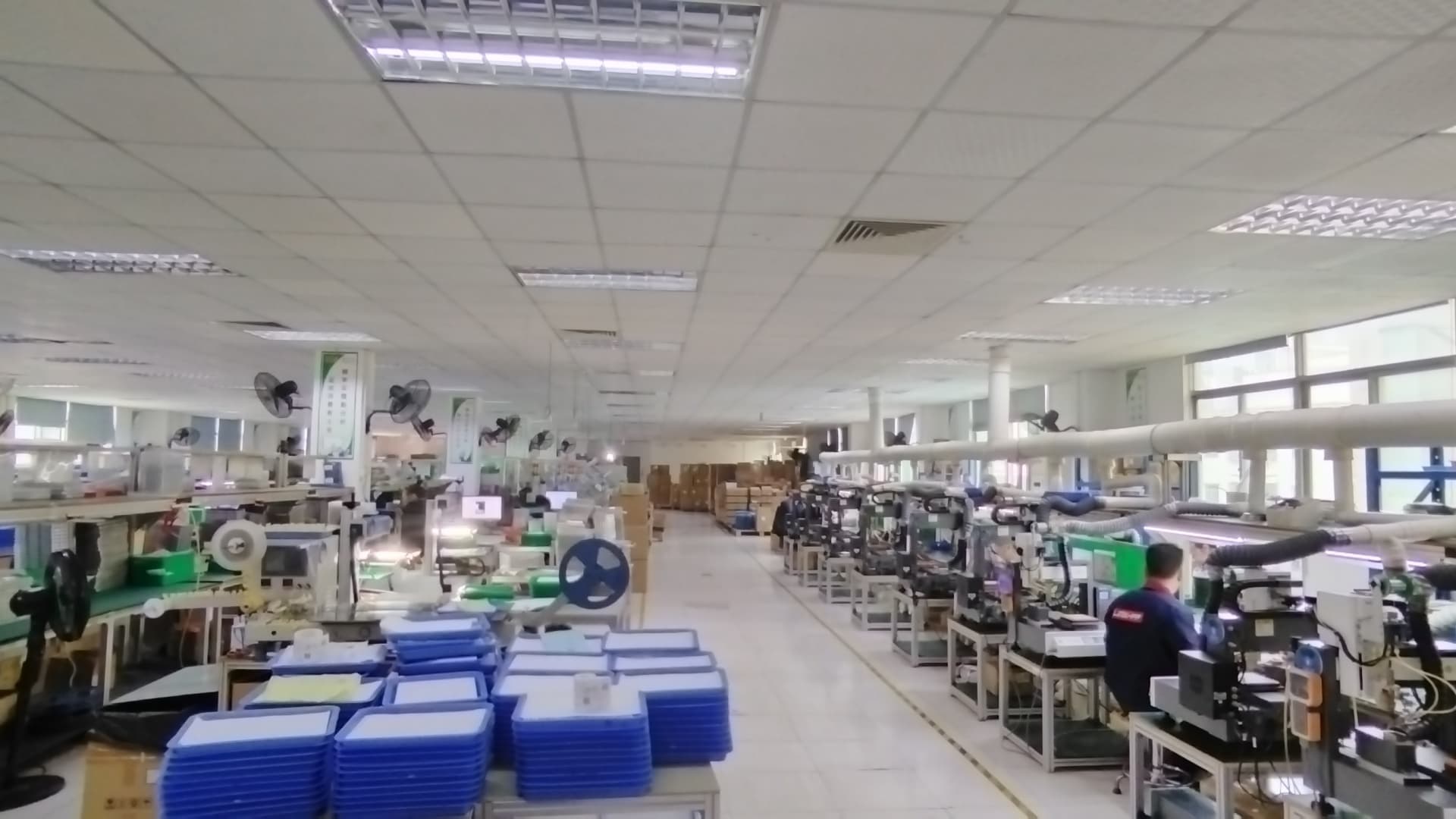
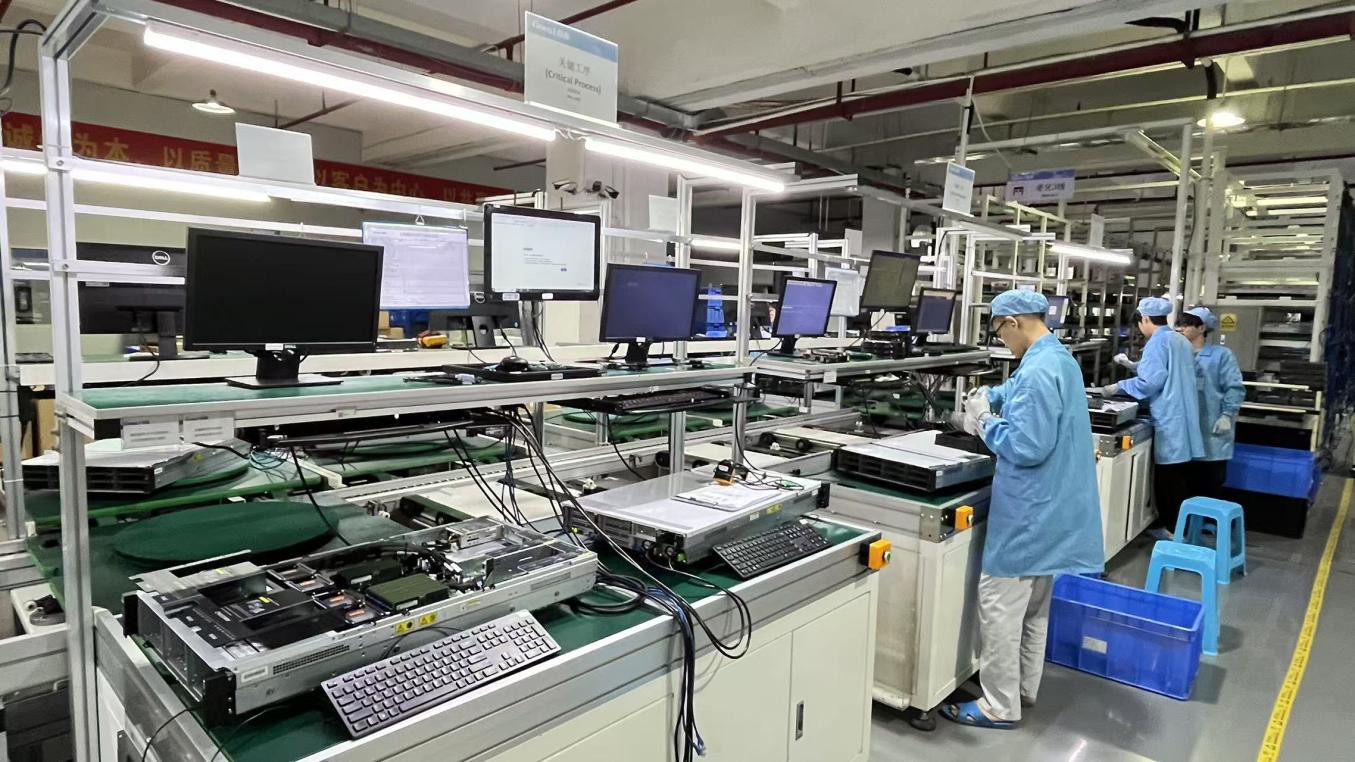
We align our supply chain with the technical roadmaps of major NAND producers to ensure our clients always have access to the latest PCIe 5.0 and CXL-ready hardware. This proactive approach minimizes transition lags for enterprise clients.
Exporting to North America and Europe requires strict adherence to RoHS, REACH, CE, and FCC standards. Tensorium ensures all storage components and server integrations meet localized environmental and safety regulations.
In an era of geopolitical uncertainty, we maintain a diversified supplier base of over 1,200 partners to mitigate risks and ensure consistent delivery times even during component shortages.