Tensorium
Tensorium
Tensorium
As modern computation transitions into exascale AI training and deep learning models, software-level replication is no longer sufficient. True business continuity demands hardware-level fault isolation, physical redundancy, and highly-engineered computing nodes.
Disaster Recovery (DR) infrastructure has evolved from passive magnetic tape storage into active-active, globally synchronized high-density compute systems. The deployment of complex AI pipelines (such as LLM fine-tuning and massive inference nodes) makes systems vulnerable to localized micro-controller faults, power grid fluctuations, and thermal spikes. Our OEM/ODM custom services bridge the gap between commercial off-the-shelf components and ruggedized, fail-safe server architectures built to maintain performance in critical scenarios.
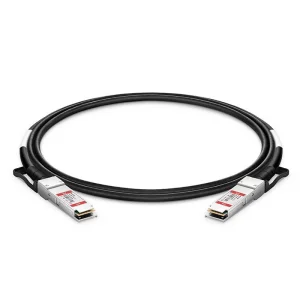
Tensorium Intelligent Technology Co., Ltd. leads this design paradigm by manufacturing server chassis, customized power topologies, and network infrastructures optimized for dynamic backup routing. By integrating high-bandwidth interfaces (such as 10G/40G QSFP+ cables) with advanced tri-mode NVMe RAID arrays, we ensure hardware failover happens at a sub-millisecond layer, preventing database corruption and operational downtime.
Eight years of export experience combined with deep domain expertise in custom computing nodes allows us to secure business operations for data centers worldwide.
Why enterprise IT buyers are moving away from proprietary lock-ins to customizable OEM/ODM physical infrastructure.
Training massive models requires saving parameter states frequently. Our customized GPU servers feature optimized ultra-fast NVMe write paths to local SSD pools, preventing checkpoint bottlenecks and reducing recovery time objective (RTO) to minutes.
Modern failover servers now embed hardware-based security modules. We offer ODM customization incorporating TPM 2.0, secure boot BIOS, and locked-down management ports to prevent intrusion during critical network transitions.
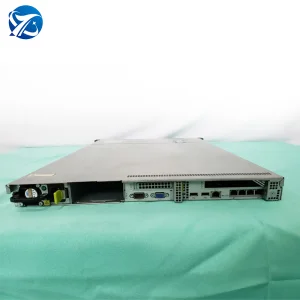
As applications move closer to users, disaster recovery needs micro-servers deployed outside core regions. Our custom-designed 1U/2U short-depth servers are engineered to operate in challenging environments with high heat tolerances.
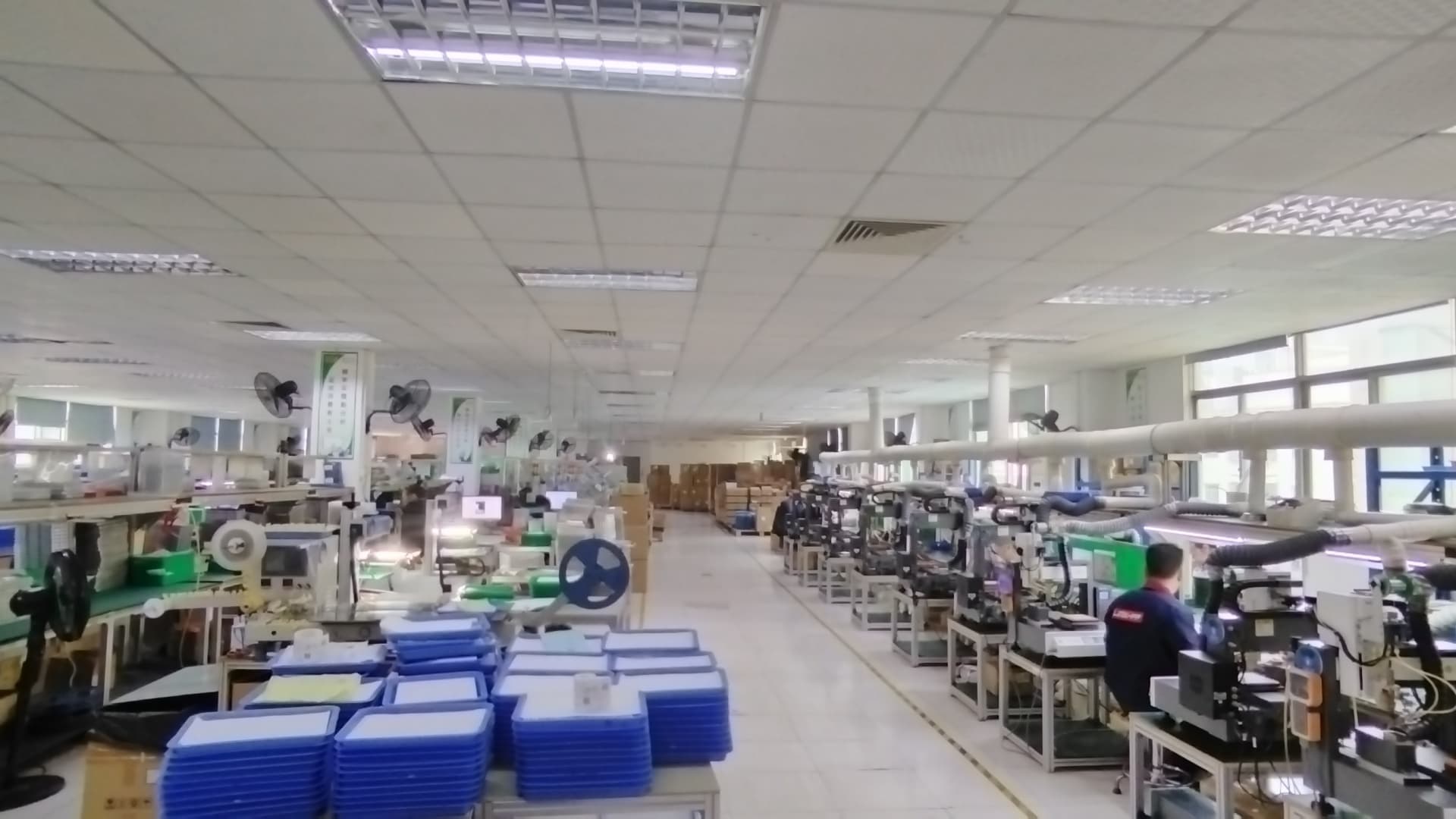
Operating a modernized facility in the heart of China’s technology cluster, Tensorium leverages structural supply chain depth. By maintaining close partnerships with over 1,200 raw material and component suppliers, we mitigate macro-economic bottlenecks that affect traditional manufacturers.
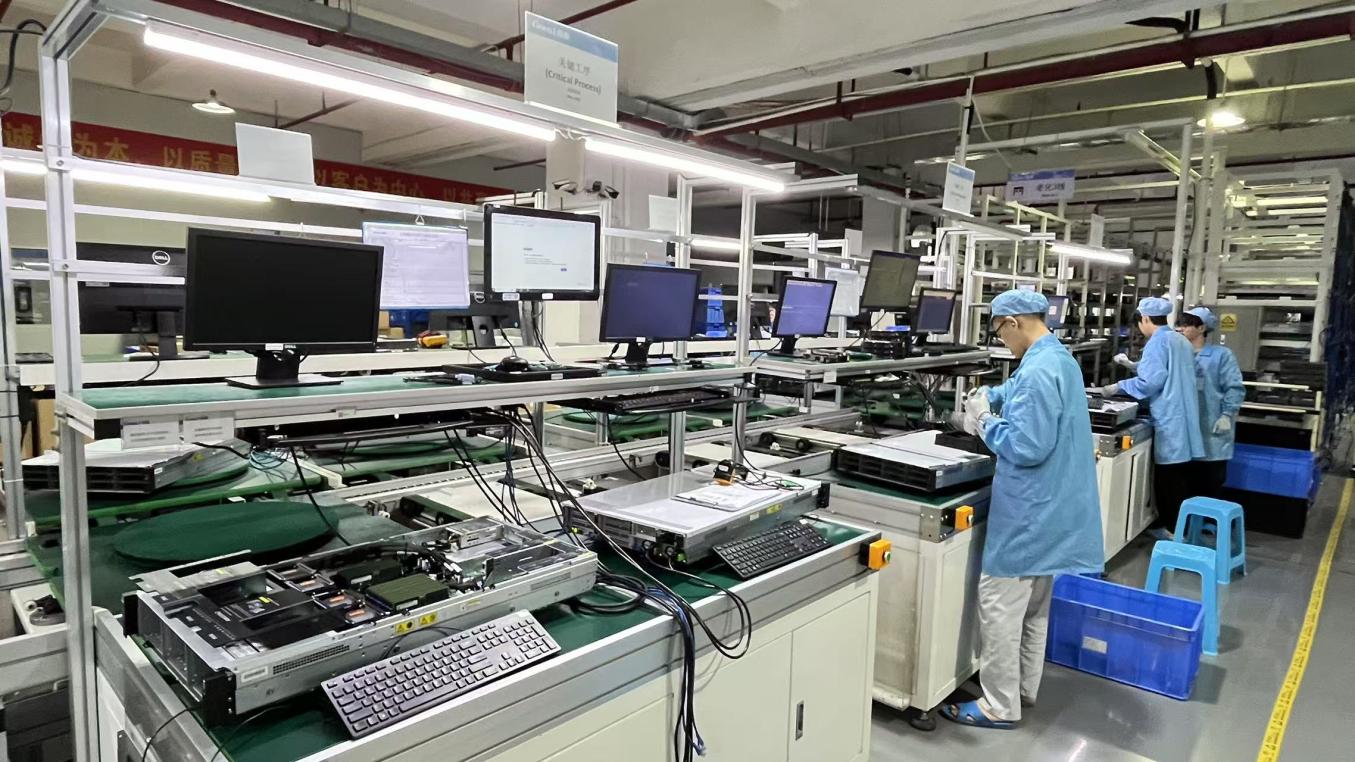
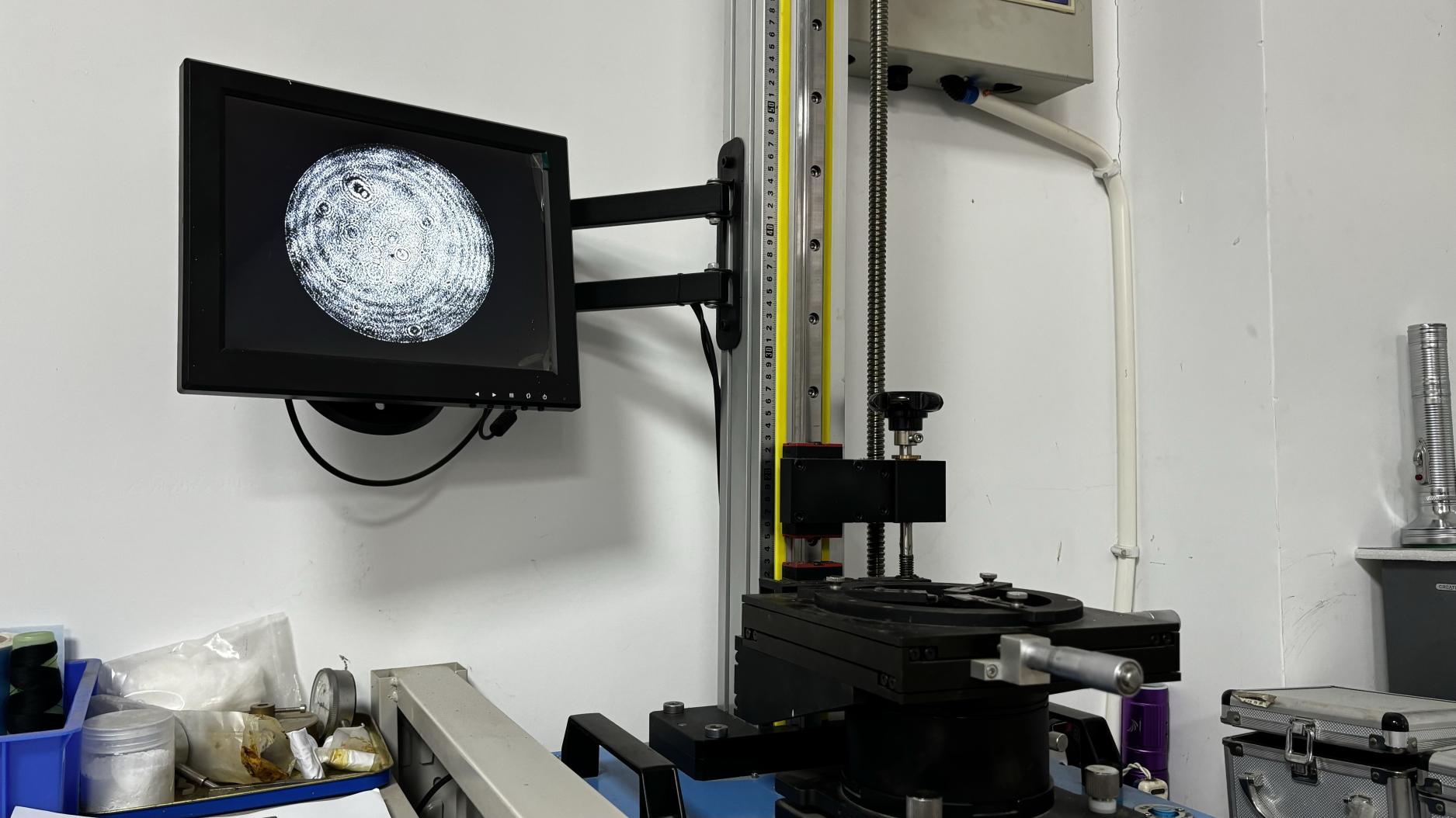
Our quality assurance protocol includes mandatory Burn-in testing, Thermal analysis, PCIe Gen 4.0/5.0 validation, and detailed storage controller throughput benchmarks. With 45 dedicated quality inspectors, we ensure every node designated for a client's DR site behaves reliably during catastrophic failover scenarios.
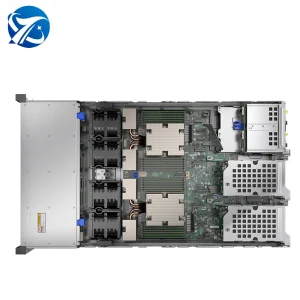
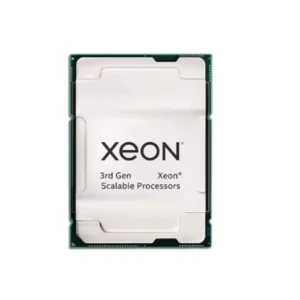
Whether you require x86 platforms (Intel Xeon or AMD EPYC) or multi-GPU acceleration clusters, our ODM pipeline scales fast. Last year, our production team rolled out over 80 custom-tailored SKU configurations designed to meet specific regulatory and architectural requirements.
Every node undergoes extensive high-temperature testing simulating peak data center load to ensure components do not fail under sudden failover spikes.
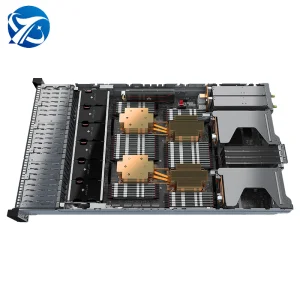
From heat-pipe copper sinks to liquid loop options, our hardware configurations match the thermal limits of your recovery location.
Direct integration with major semiconductor and controller manufacturers ensures stable lead times and continuous parts availability for up to 7 years post-deployment.
Founded in 2016, Tensorium Intelligent Technology Co., Ltd. is a professional manufacturer and global supplier of high-performance AI GPU servers, GPU clusters, and intelligent computing infrastructure solutions. We specialize in delivering reliable, scalable, and customized computing platforms for artificial intelligence training, inference, deep learning, HPC, and enterprise data center applications.
Located in Guangdong, China, Tensorium operates a modern manufacturing facility serving customers across North America, Europe, the Middle East, Southeast Asia, and other global markets. With years of experience in the AI computing industry, we have established a strong reputation for product quality, engineering expertise, and responsive customer service.
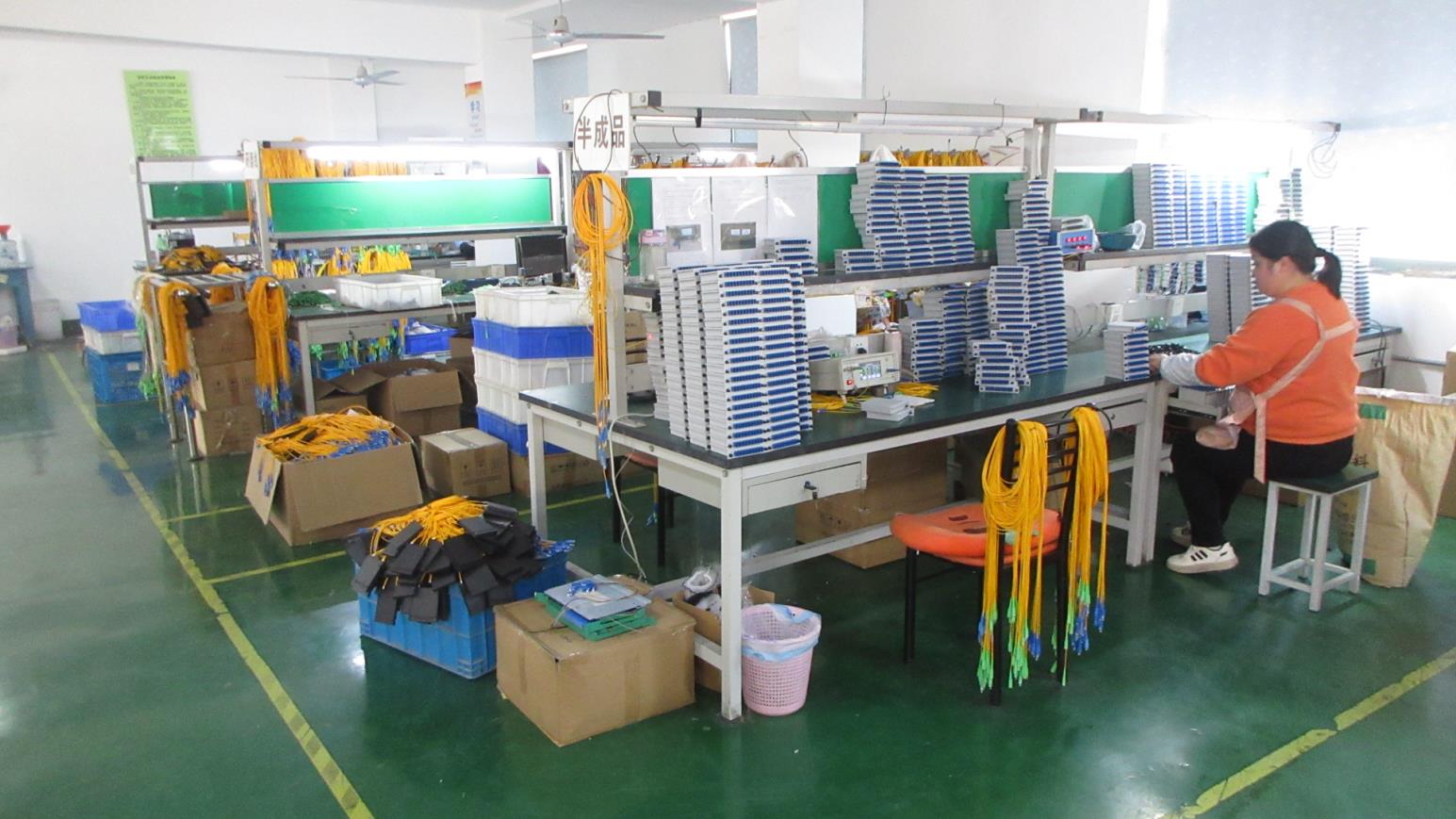
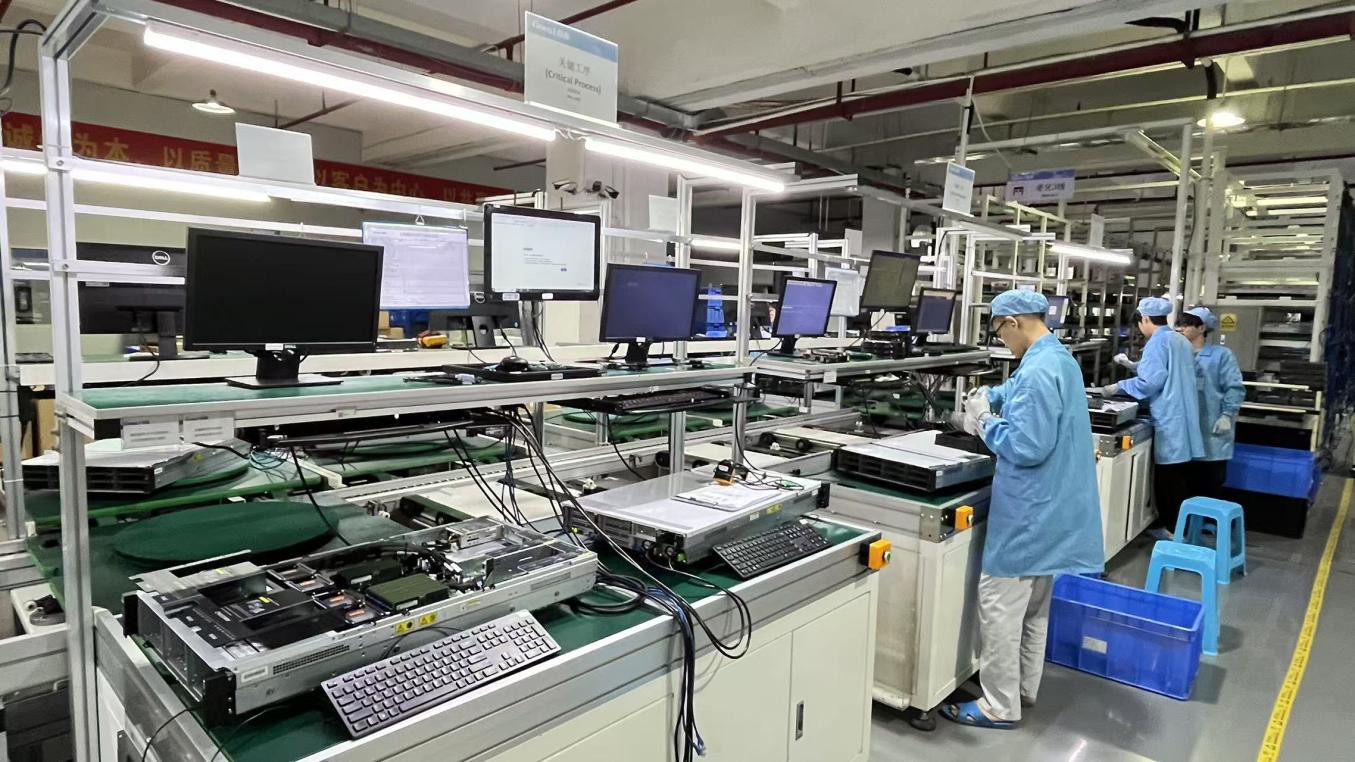
Our engineering team consists of over 120 experienced engineers dedicated to developing advanced GPU server architectures, AI cluster solutions, and customized computing systems. Quality is embedded throughout our manufacturing process. Every product undergoes comprehensive inspections, including component verification, assembly inspection, system integration testing, burn-in testing, thermal performance validation, stability testing, and final quality assurance before shipment.
How our customized servers are structurally integrated into business continuity strategies across various industries.
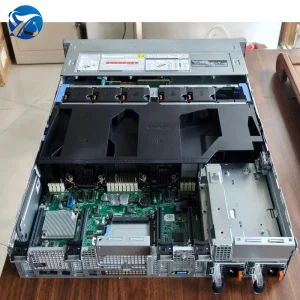
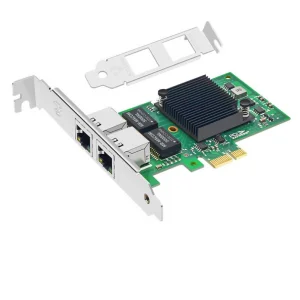
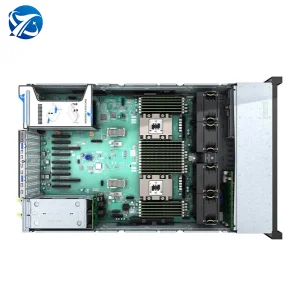
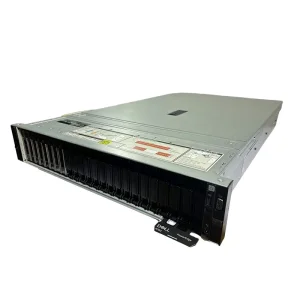
Using 2U high-density nodes populated with enterprise SAS SSDs and ultra-fast network controllers, global banks mirror transaction states continuously. Should the primary cluster fail, our customized hardware spins up local databases immediately with zero transaction loss.
Hospitals run local diagnostics servers configured with high-performance CPU platforms and robust hardware RAID cards. In outages, the system pivots to standby storage nodes, preserving critical patient imaging pipelines and PACS diagnostics availability.
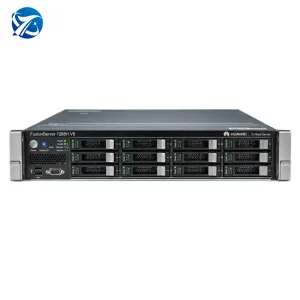
For national registries requiring compliance with strict regulatory bodies, we configure server arrays with cold and hot tiers using custom bracket cages. This supports massive SATA storage layouts ranging from 4TB up to 20TB per disk, ensuring reliable archival preservation.
Get detailed insight into components, structural configuration, reliability standards, and OEM/ODM options.
Disaster recovery nodes prioritize write-cycle endurance, fail-safe storage configurations, and robust remote management. They typically incorporate enterprise-grade RAID controllers with battery-backed cache modules to protect unwritten data during sudden power loss. Furthermore, they feature dual or quad redundant power supplies connected to isolated power grids, along with out-of-band management interfaces that remain accessible even when the primary operating system is unresponsive.
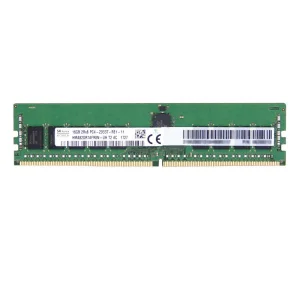
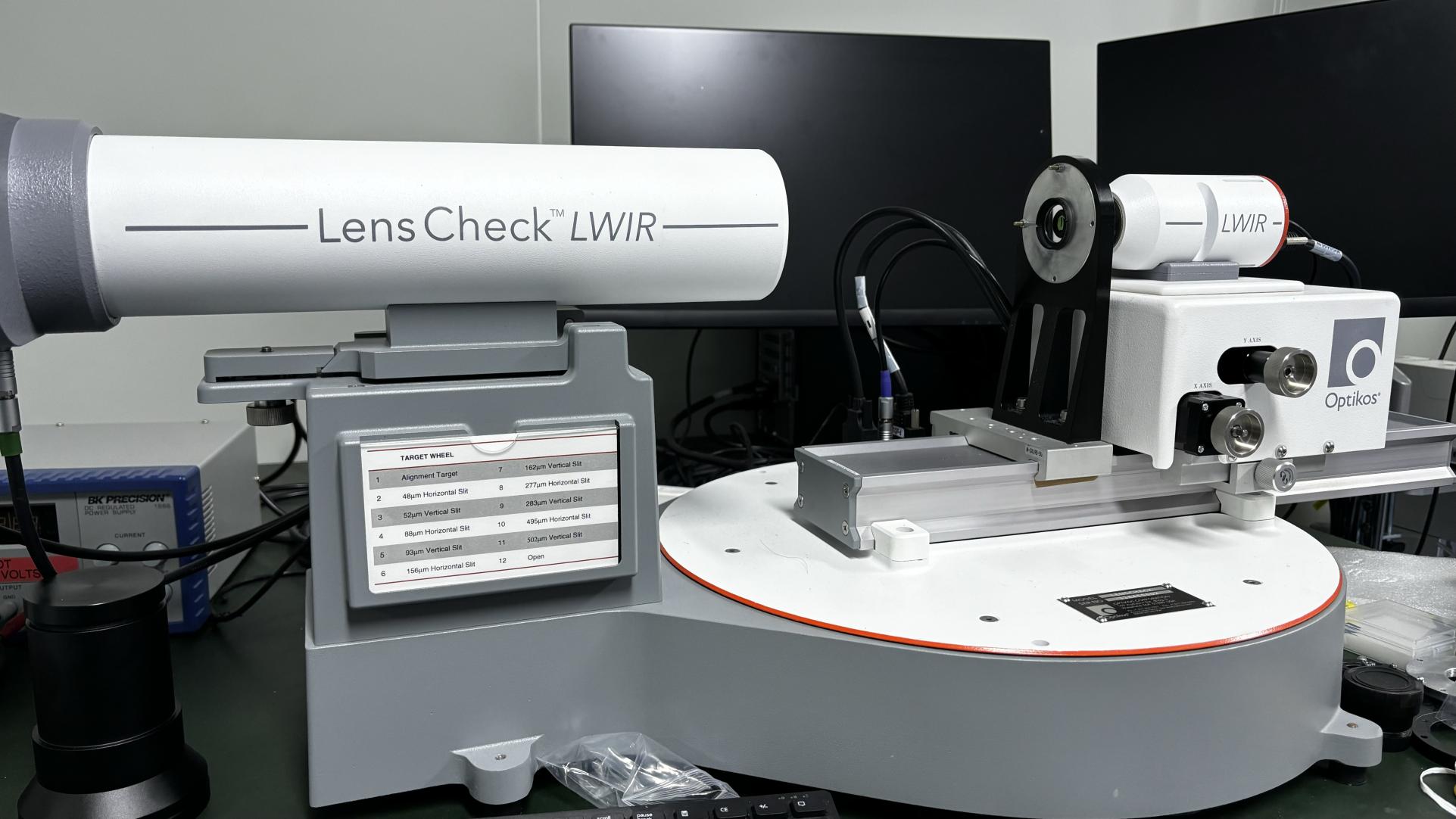
Our team of 120+ R&D engineers validates BIOS and firmware configurations against major hypervisors and storage OS platforms. We test customized configurations for signals integrity, PCIe slot alignment, and voltage fluctuations. Our laboratory uses logic analyzers and high-frequency oscilloscopes to ensure memory modules (like DDR4/DDR5 RAM) and storage controllers communicate with processors without signal degradation under maximum data throughput.
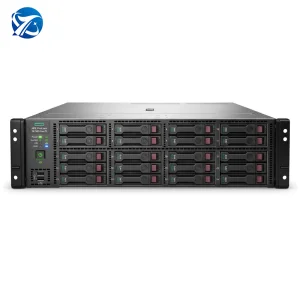
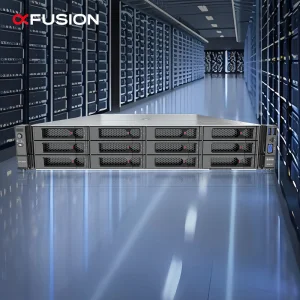
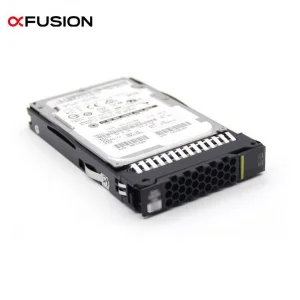
We leverage high-speed NVMe PCIe Gen4/Gen5 SSD arrays for databases where the recovery time objective is low. For archival storage, we configure hot-swappable enterprise SATA/SAS hard drives in high-capacity 2U or 4U rackmount form factors. These drives run on dedicated RAID storage cards that support multi-tier failover and hot-spare configurations to prevent write degradation during drive replacement.
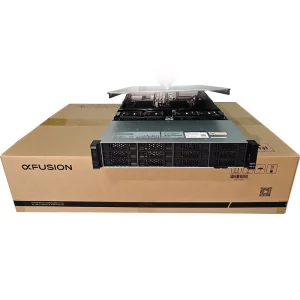
Yes. As an OEM and ODM manufacturer, we provide complete custom hardware personalization services. This includes custom bezel design, client logo placement on the chassis front panel, custom color paint options, BIOS and IPMI management screen logo embedding, and specialized packaging boxes to align the hardware with your company's product branding.
Every system undergoes a rigorous multi-stage quality control process. This starts with a physical component verification and assembly inspection, followed by a minimum 24-to-72-hour system integration burn-in test in our thermal chamber. We run stress testing software to maximize CPU, memory, and storage utilization, monitoring performance and thermal dissipation. Finally, functional interface diagnostics are run on all network and management ports before packaging.
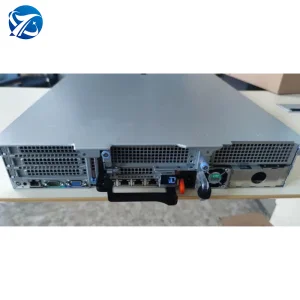
High-speed networking links, such as QSFP+ 10G/40G Direct Attach Copper (DAC) cables, connect master and standby server nodes. These connections support low-latency heartbeats and real-time block replication. By bypassing active routing equipment, they minimize point-of-failure risks and guarantee that data replication continues unaffected by wider local network issues.
We recognize that many DR strategies rely on legacy systems. We stock and configure platforms like Intel Xeon Scalable v3/v4 microarchitectures, classic 2.5-inch and 3.5-inch drive arrays, and older operating system variants. This ensures that new recovery hardware can integrate into existing infrastructures without requiring costly system rebuilds.