Tensorium
Tensorium
Tensorium
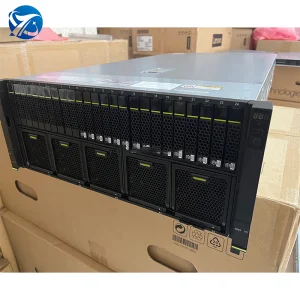
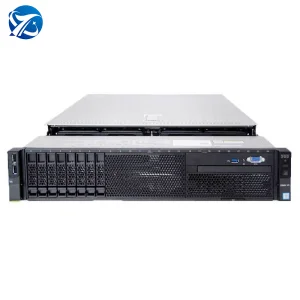
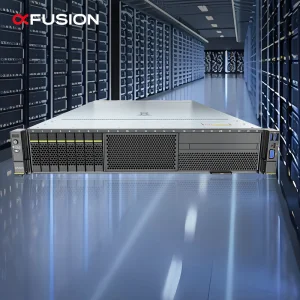
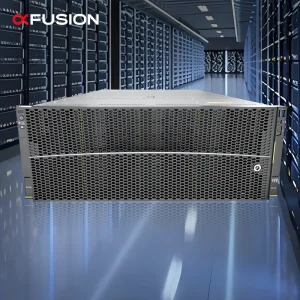
Analyzing key structural factors driving infrastructure investments for Large Language Models (LLMs), DeepSeek scaling, and Generative AI training pipelines.
Modern enterprises prioritize hardware footprints that maximize Flops/Rack Unit. Minimizing power consumption while integrating advanced cooling protocols directly lowers operational TCO, rendering multi-socket GPU architectures essential for space-constrained hyperscale data centers.
Global procurement protocols necessitate verified international certifications. For European and allied corridors, CE Certification acts as a mandatory baseline, verifying safety, low-voltage protection, and electromagnetic compatibility across high-frequency computing clusters.
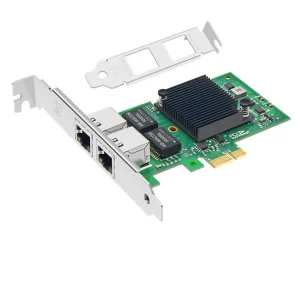
For training deep models like DeepSeek-R1 or LLaMA, inter-GPU bandwidth remains the primary bottleneck. Systems must support modern high-speed PCIe Gen 5 interconnect pipelines, ultra-high throughput network interface cards (NICs), and low-latency storage topologies like NVMe SSDs.
Custom tailored cluster architectures optimized for various deep learning domains, AI models, and real-world industrial deployments.
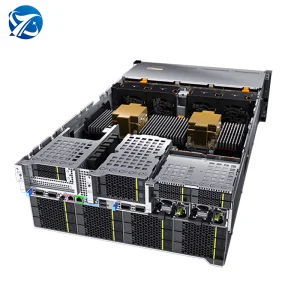
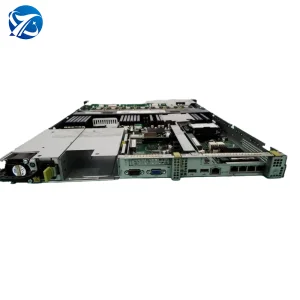
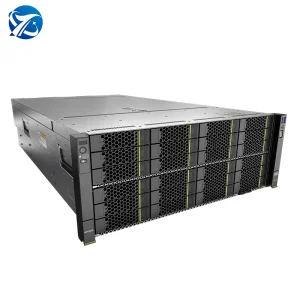
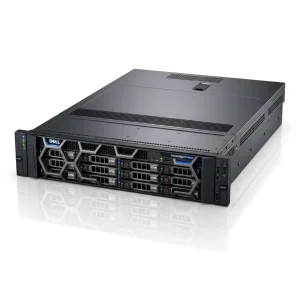
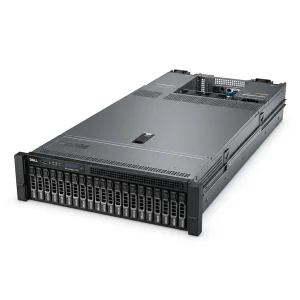
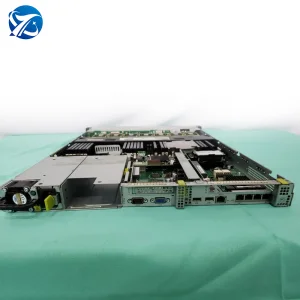
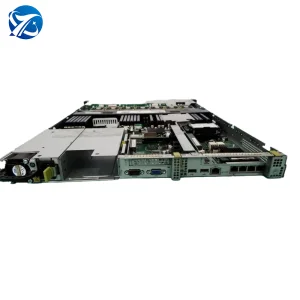
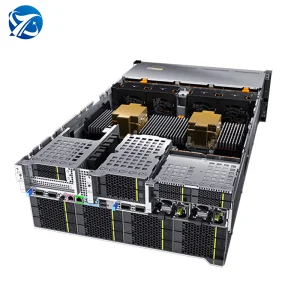
Leveraging high-density 2U and 4U servers with short depth chassis, our solutions facilitate multi-node orchestration. Engineered specifically to tackle extreme memory bottlenecks during the gradient descent stages of transformers, these systems scale seamlessly across large parameters.
For smart factories, robotics validation, and visual processing data centers. Our hardware configurations support parallel multi-stream encoding/decoding paired with rapid GPU inference pipelines, reducing container network latency to sub-millisecond ranges.
A rigorous vision outlining engineering milestones for next-generation hardware designs optimized for AI compute densities.
| Compute Generation | Interconnect Bandwidth | Thermal Envelope | Ideal AI Workload |
|---|---|---|---|
| V5 Architecture (Xeon/PCIe 3.0) | Up to 32 GB/s per slot | Air Cooled, up to 300W per node | Mid-tier Inference & Small scale Deep Learning |
| V6 Architecture (Xeon Scalable/PCIe 4.0) | Up to 64 GB/s per slot | Advanced Air / Hybrid Cooling, 450W per node | Enterprise Virtualization & Dense Storage Pools |
| Next-Gen Tensorium HPC (PCIe 5.0/6.0) | 128 GB/s+ with Custom Interconnects | Direct-to-chip Liquid Cooling, 700W+ per node | Extreme-scale LLM Pre-training & DeepSeek R1 |
Founded in 2016, Tensorium Intelligent Technology Co., Ltd. is a professional manufacturer and global supplier of high-performance AI GPU servers, GPU clusters, and intelligent computing infrastructure solutions. We specialize in delivering reliable, scalable, and customized computing platforms for artificial intelligence training, inference, deep learning, HPC, and enterprise data center applications.
Located in Guangdong, China, Tensorium operates a modern manufacturing facility covering over 380㎡ and serves customers across North America, Europe, the Middle East, Southeast Asia, and other global markets. With years of experience in the AI computing industry, we have established a strong reputation for product quality, engineering expertise, and responsive customer service.
Our annual export revenue exceeds USD 18 million, supported by an extensive supply chain network of more than 1,200 trusted partners worldwide. We work closely with AI startups, cloud service providers, system integrators, research institutions, enterprise customers, and data center operators seeking high-performance computing solutions.
Innovation is at the core of our business. Our R&D team consists of over 120 experienced engineers dedicated to developing advanced GPU server architectures, AI cluster solutions, and customized computing systems. Last year alone, we successfully launched more than 80 new products and configurations tailored to emerging AI workloads and evolving customer requirements.
Quality is embedded throughout our manufacturing process. Tensorium maintains strict quality control standards with a dedicated team of 45 quality inspectors. Every product undergoes comprehensive inspections, including component verification, assembly inspection, system integration testing, burn-in testing, thermal performance validation, stability testing, and final quality assurance before shipment.
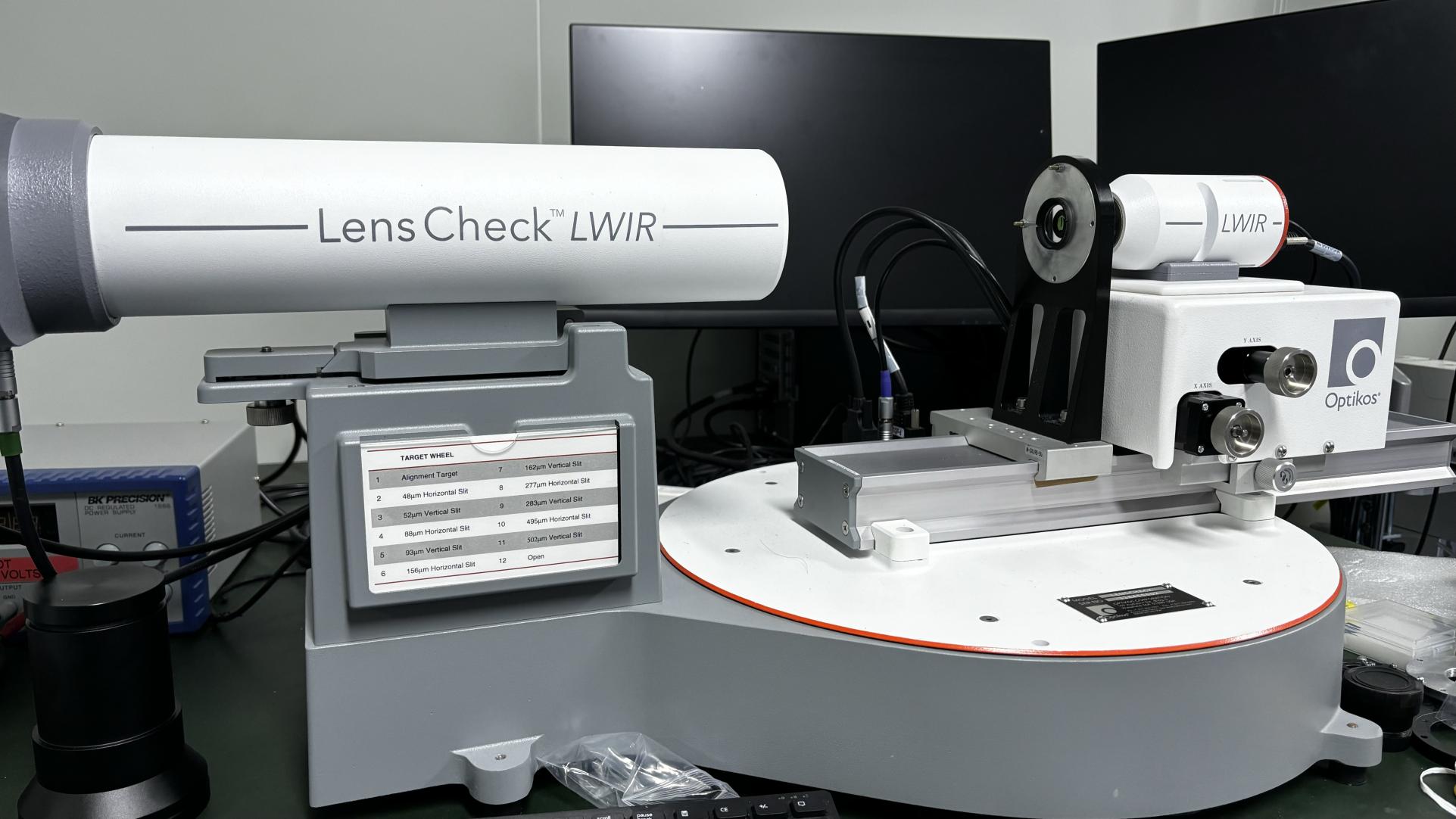
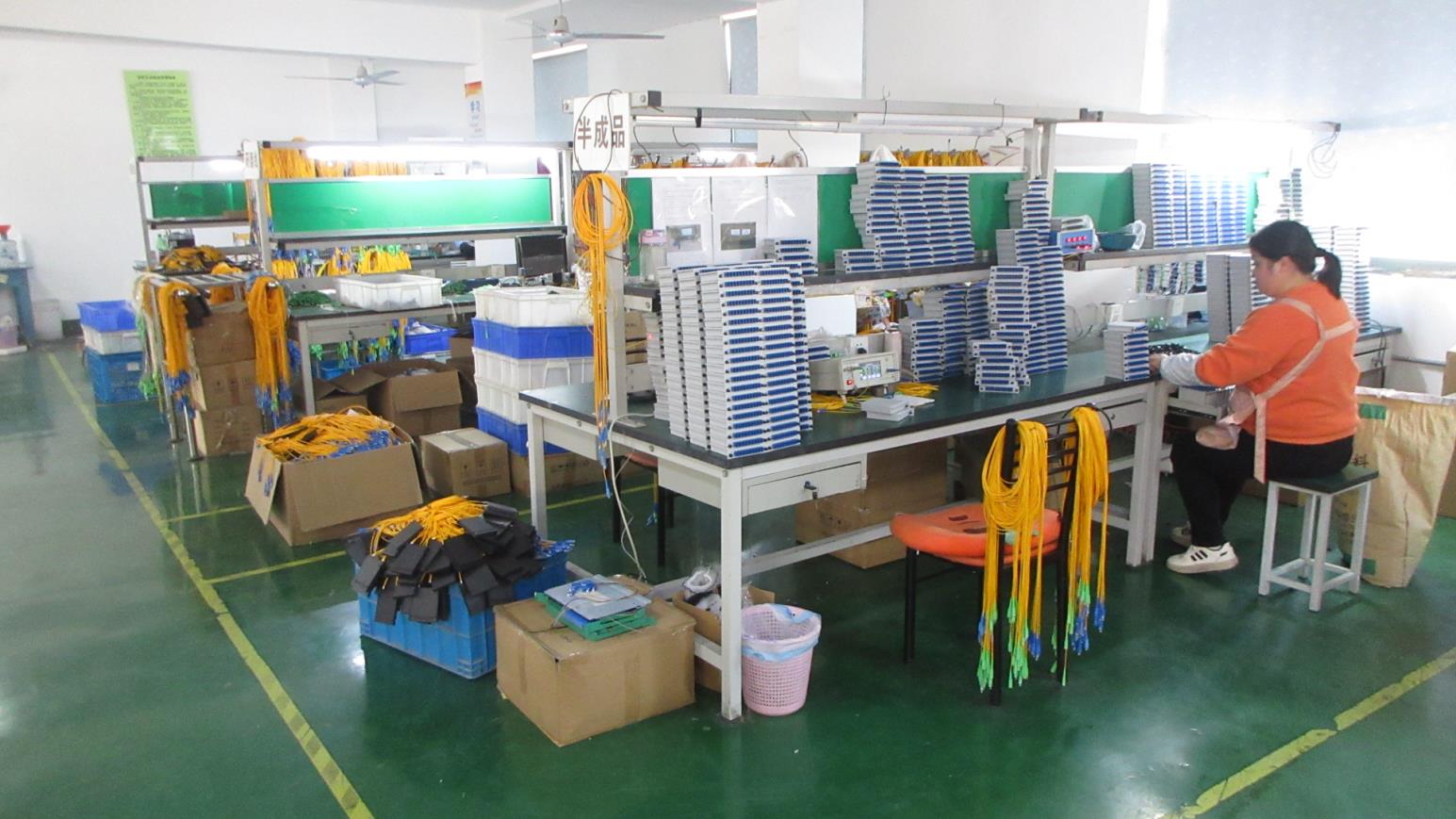
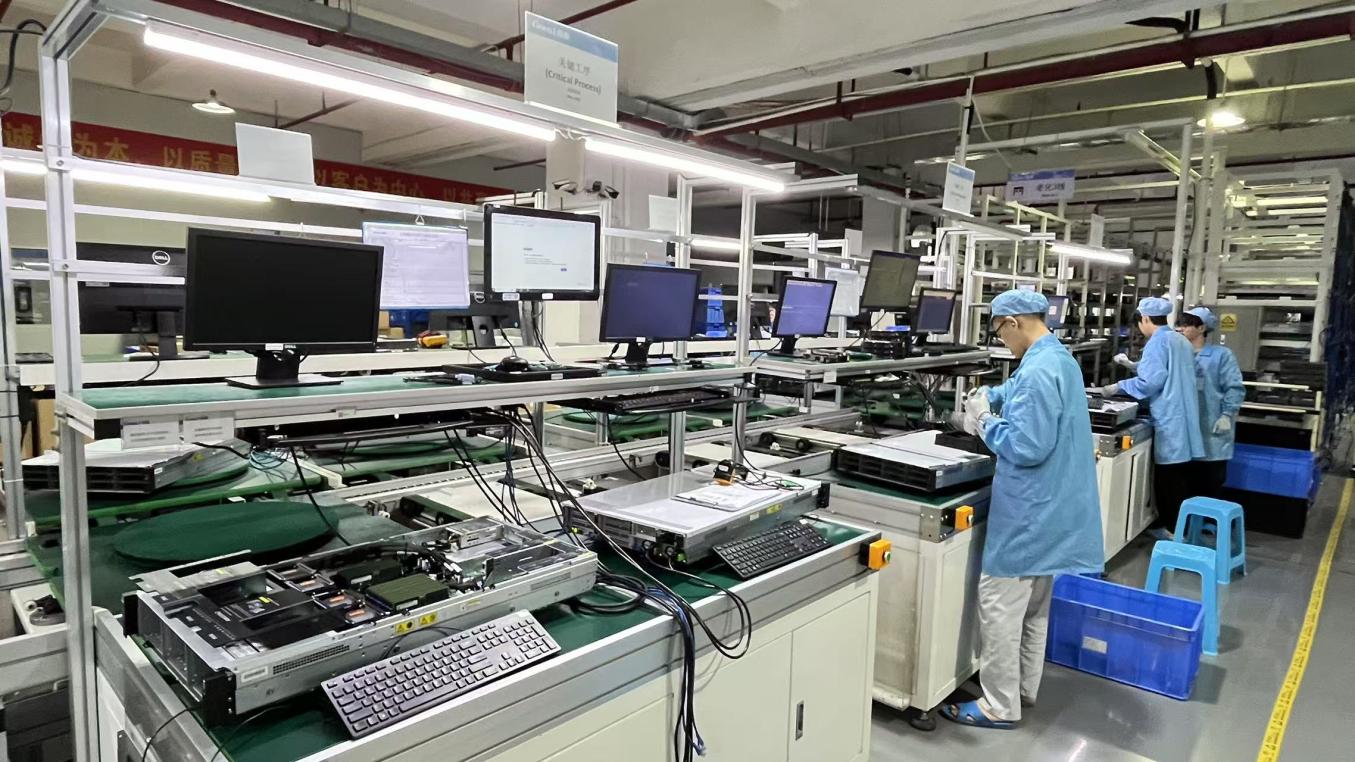
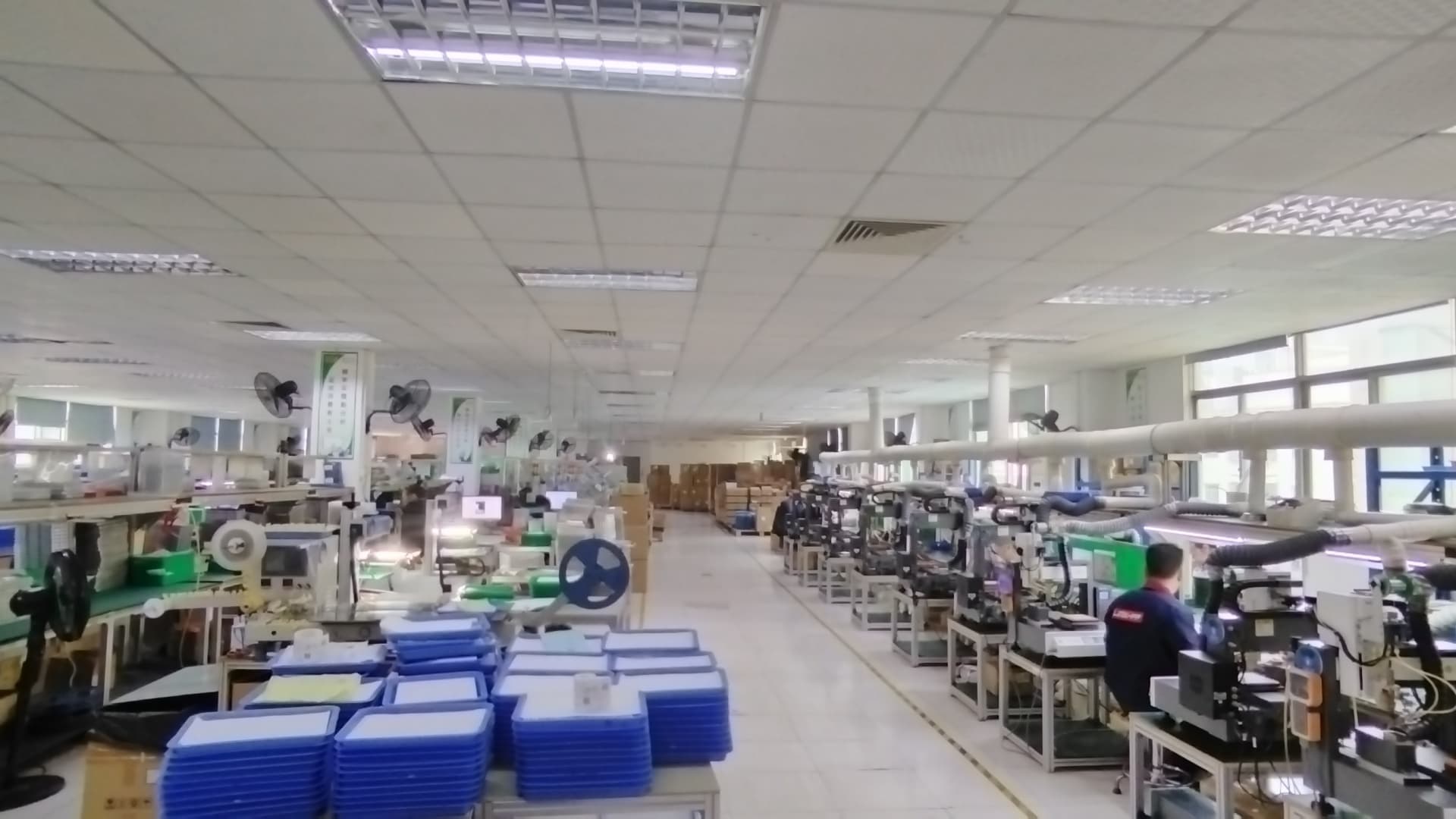
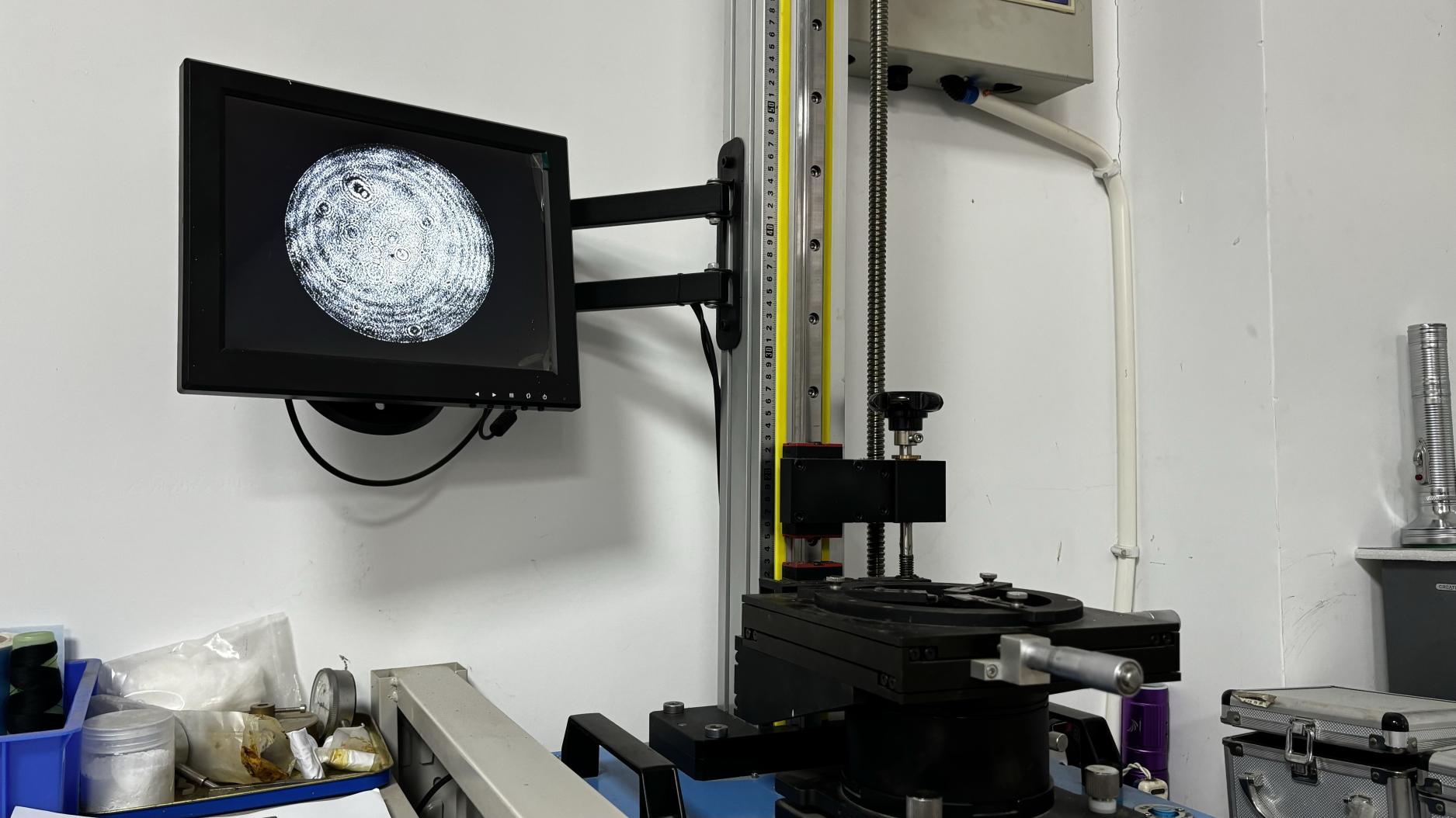
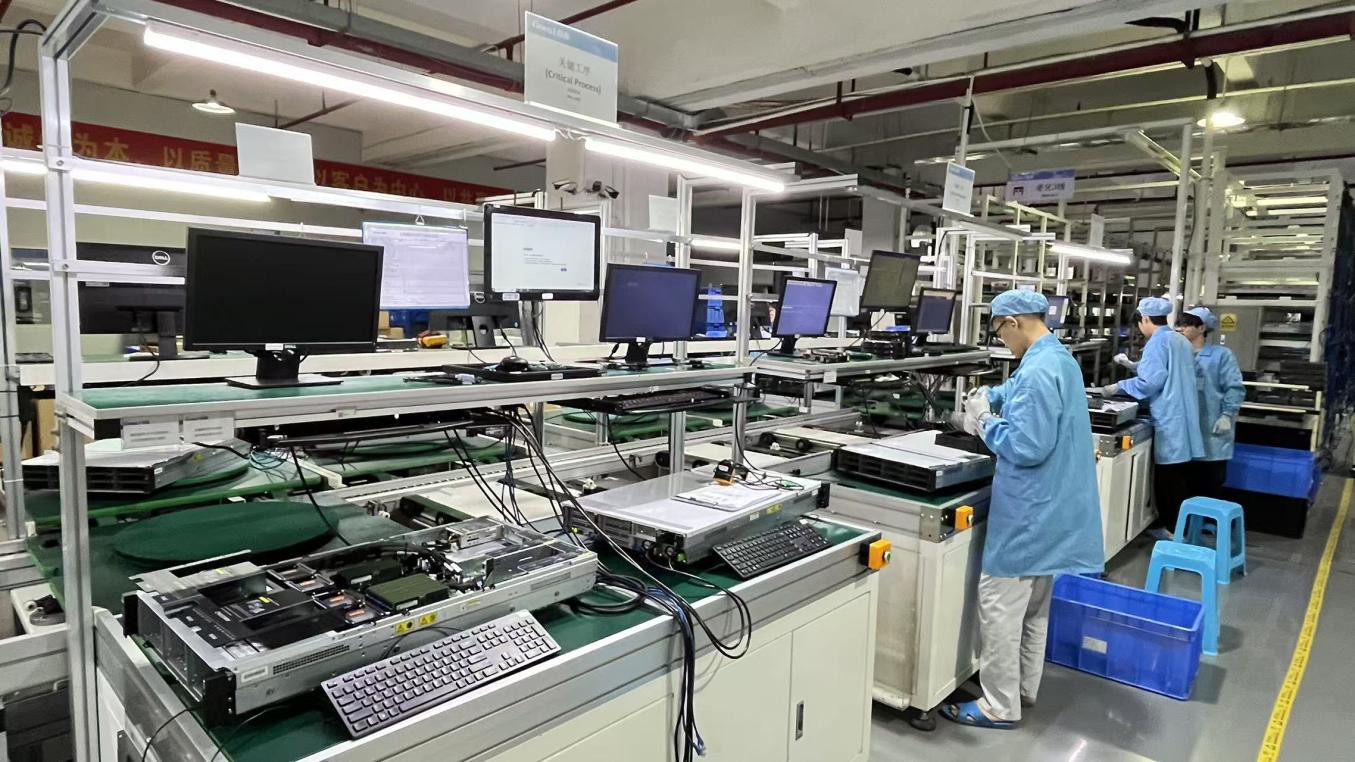
Ensuring every system complies with rigorous industrial regulations before international distribution.
Each unit strictly adheres to European safety, health, and environmental protection guidelines. Mandatory testing encompasses the Low Voltage Directive (LVD 2014/35/EU) and Electromagnetic Compatibility Directive (EMCD 2014/30/EU) for continuous, safe execution.
Every single server goes through a minimum of 48-hour continuous thermal stress chambers and strict burn-in procedures. System integration testing includes testing full drive interfaces, physical logic arrays, and real-world high-throughput stress conditions.
With an annual export rate exceeding $18 million, Tensorium relies on specialized structural crating. Anti-static wrapping and thick polyurethane impact dampening materials ensure GPUs and processing cores arrive ready for integration without alignment drift.
Expert answers addressing hardware validation, custom layouts, compatibility, and global import workflows.
Our verification procedures are organized into four phases. First, component validation scans memory arrays, motherboard logic pipelines, and voltage modules. Second, structural assembly testing verifies spatial constraints and airflow directions. Third, high-temperature environmental burn-in testing takes place for up to 72 hours. Finally, software suite tests measure interface parameters, network latency throughput, and error codes.
Yes, our engineering department consists of 120+ skilled engineers specializing in layout architecture, liquid-to-air cooling loops, customized chassis parameters, branding graphics, and custom bios programming. We can modify standard rack platforms to meet your exact power envelopes and cooling designs.
CE Certification shows that our hardware meets required EU directives on safety and electromagnetic interference. For high-frequency computers drawing up to several kilowatts of power, CE verification checks for electrical safety, fire hazards, and electromagnetic noise levels, making it essential for entering European market zones.
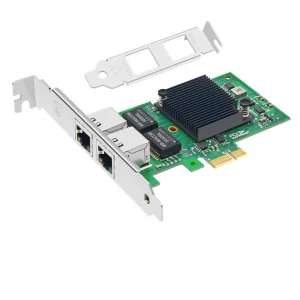
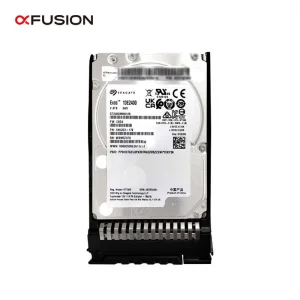
DeepSeek architectures rely on rapid data pipeline exchanges. We integrate NVMe SSDs (like the PM9A3 series) and PCIe 4.0/5.0 controller cards to minimize latency bottlenecks. High-speed network interfaces, like 10Gbps and 100Gbps adapters, are configured to maintain high throughput during multi-node gradient updates.