Tensorium
In the rapidly evolving landscape of technology, global AI server manufacturers play a vital role. Their advanced systems power numerous applications, including machine learning and big data analytics. According to a recent report by Gartner, the global AI server market is expected to grow significantly, reaching an estimated USD 22.48 billion by 2028. This growth reflects the rising demand for AI-driven solutions across various industries.
The increasing reliance on artificial intelligence amplifies the need for robust server technology. Companies seek reliable and efficient manufacturers to support their AI initiatives. Leading players like NVIDIA and HPE have made considerable advancements, yet the market remains competitive. Notably, there are opportunities for emerging firms to fill specific gaps. However, with so many options, businesses must carefully evaluate their choices.
While many manufacturers claim to offer the best solutions, not all deliver on their promises. It is crucial to consider factors such as performance, scalability, and support. As the market continues to flourish, businesses should stay informed about the trends shaping the future of AI servers.
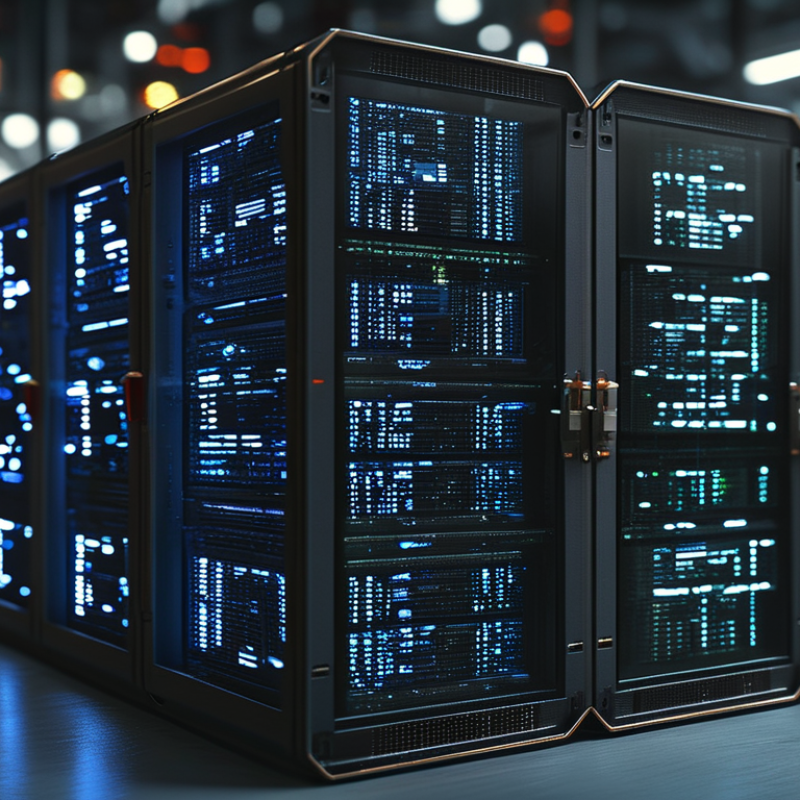
The AI server market is rapidly evolving, driven by the increasing demand for data processing and machine learning capabilities. Businesses are seeking solutions that not only provide robust performance but also energy efficiency. Key trends are emerging in this landscape, revealing a shift towards specialized hardware optimized for AI workloads.
Understanding your specific AI needs is crucial. Different applications require diverse configurations and architectures. Take time to assess your requirements before making a decision. Evaluate factors such as scalability, ease of integration, and support options. These elements can significantly impact your operational efficiency.
Another vital point is the importance of cooling solutions. AI servers generate substantial heat due to their processing power. Effective cooling not only enhances performance but also prolongs the lifespan of your investment. Innovative cooling technologies are becoming prevalent in the market. Consider these advancements when looking for a server solution.
In the rapidly evolving landscape of artificial intelligence, the choice of server manufacturers is crucial. Companies are seeking reliable partners to support their AI ambitions. Several key players stand out in AI server manufacturing. These organizations offer advanced technology and robust performance. They focus on developing high-performance computing solutions tailored for AI applications.
Selecting a manufacturer involves assessing their experience and expertise. Some companies have decades of experience in server design. Others are newer but bring innovative solutions that can enhance AI efficiency. It is vital to consider not only the hardware capacity but also the software ecosystem that manufacturers provide. Reliable software support can significantly affect performance.
While many manufacturers boast impressive specifications, it's not always a guarantee of seamless integration. Compatibility issues may arise during deployment. Organizations should invest time in testing and validating solutions. Surveys and user feedback can be invaluable in identifying potential flaws. Companies often face challenges in scaling up their AI operations. A thoughtful approach to selecting a manufacturer can bridge this gap.
The field of AI server solutions is rapidly evolving. Recent studies show that global spending on AI servers is projected to reach $42 billion by 2025. This growth reflects the increasing demand for powerful computing resources to handle complex AI workloads. Innovations in processor technology, such as the emergence of specialized chips, are significantly boosting performance and efficiency.
Moreover, advancements in data management techniques are critical. As AI systems require vast amounts of data, effective storage solutions are essential. New storage architectures, like NVMe over Fabrics, are enhancing data speeds and accessibility. Such technologies enable real-time analytics, which is crucial for industries adopting AI.
Despite these advancements, challenges remain. Many businesses struggle to integrate AI seamlessly into their operations. Compliance with data privacy regulations can add complexity. Additionally, the ever-evolving landscape means that staying updated with the latest technologies is no small feat. Companies must continuously invest in training and development to maximize their AI infrastructure.
| Manufacturer | Type of AI Solution | Processing Power (TFLOPS) | Memory (GB) | Storage (TB) |
|---|---|---|---|---|
| Manufacturer A | Deep Learning | 300 | 128 | 8 |
| Manufacturer B | Machine Learning | 250 | 64 | 4 |
| Manufacturer C | Natural Language Processing | 400 | 256 | 16 |
| Manufacturer D | Computer Vision | 350 | 128 | 10 |
| Manufacturer E | Reinforcement Learning | 300 | 128 | 8 |
Choosing the right AI server supplier is crucial for any organization venturing into artificial intelligence. Firstly, evaluate the technical specifications of the servers. Look for processors optimized for AI tasks, such as those supporting parallel processing. Memory and storage capabilities should also be taken into account. According to a recent industry report, systems with a minimum of 256 GB RAM and NVMe SSDs significantly enhance data processing speeds.
Consider the supplier's experience in the field. A partner with a proven track record in AI solutions provides an advantage. Look for case studies or testimonials that reflect successful implementations. A reliable supplier should also offer technical support and training resources to facilitate smoother integration.
When making your choice, assess scalability options. As AI workloads increase, so will your need for additional resources. A flexible supplier can provide scalable solutions that meet evolving demands. Ensure they offer the latest technology updates to keep your systems relevant. Engaging with the AI community through forums can provide insights into the current landscape, helping refine your selection process.
The evolution of AI servers continues to shape industries worldwide. Recent research indicates that the AI server market is projected to grow from $19.2 billion in 2022 to over $61 billion by 2027. This rapid segment growth highlights the increasing demand for robust processing power and storage solutions.
As more organizations embrace AI technologies, the competition among manufacturers intensifies. Innovations in hardware, particularly GPUs and TPUs, stand out. These advancements are crucial for training complex models and enabling real-time data analysis. Moreover, eco-friendly designs are gaining attention. Companies are now focusing on energy efficiency amid rising operational costs, prompting a transformation in server architecture.
However, the race is not without challenges. The high costs associated with cutting-edge technology may limit access for smaller enterprises. Additionally, security remains a significant concern as data sensitivity increases. A consistent approach to cybersecurity in AI servers is essential. As the landscape shifts, collaboration with tech partners and investing in talent become vital strategies to stay competitive.
I server manufacturer?
Suppliers with a proven track record may offer more reliable solutions. Case studies can provide confidence in their capabilities.
Invest time in testing and validating solutions. User feedback can help identify potential integration issues.
Compatibility issues may arise. Adhering to data privacy regulations can also complicate integration processes.
Continuous investment in training helps maximize your AI infrastructure. It ensures your team can leverage the latest technologies.
Specialized chips and new storage architectures are enhancing data speeds and real-time analytics for AI applications.
As AI workloads increase, flexible suppliers can offer solutions that grow with your demands. This flexibility is essential.
Forums provide insights on current trends and supplier performance. This can guide your selection process and inform decisions.
Reliable software can enhance integration and performance. Assess the software ecosystem offered by the manufacturer.
Companies often face resource limitations and may struggle with integration complexities. A careful supplier choice can mitigate these issues.
The AI server market is rapidly evolving, driven by advancements in technology and increasing demand for high-performance computing. Key global AI server manufacturers are at the forefront, offering diverse solutions tailored to meet the specific needs of various industries. As these players innovate and expand their product offerings, understanding their capabilities and distinctions becomes crucial for businesses seeking effective AI solutions.
When selecting an AI server supplier, it's essential to consider factors such as technological advancements, scalability, and support services. The future of AI server development is poised for significant growth, with trends indicating a heightened competition among manufacturers. Staying informed about these dynamics can help organizations make strategic decisions to leverage the full potential of AI technologies in their operations.