Tensorium
In today's digital landscape, the role of an AI server hardware manufacturer is increasingly vital. According to a recent report by MarketsandMarkets, the AI hardware market is projected to reach $110 billion by 2025. This growth highlights the necessity of high-performance hardware tailored for AI applications. Companies are now demanding specialized servers to process complex algorithms efficiently.
AI server hardware manufacturers focus on optimizing computing power and energy efficiency. A study by Gartner indicates that organizations prioritizing AI infrastructure can achieve up to 80% faster processing times. However, not all manufacturers meet industry standards. This inconsistency can lead organizations to invest in subpar solutions, adversely affecting their AI projects.
As AI technologies advance, the need for reliable hardware becomes paramount. Manufacturers must ensure their products can handle the rapid data influx from machine learning and deep learning endeavors. The stakes are high; poor choices in hardware can stifle innovation and growth. Thus, selecting a reputable AI server hardware manufacturer is essential for business success in this competitive landscape.
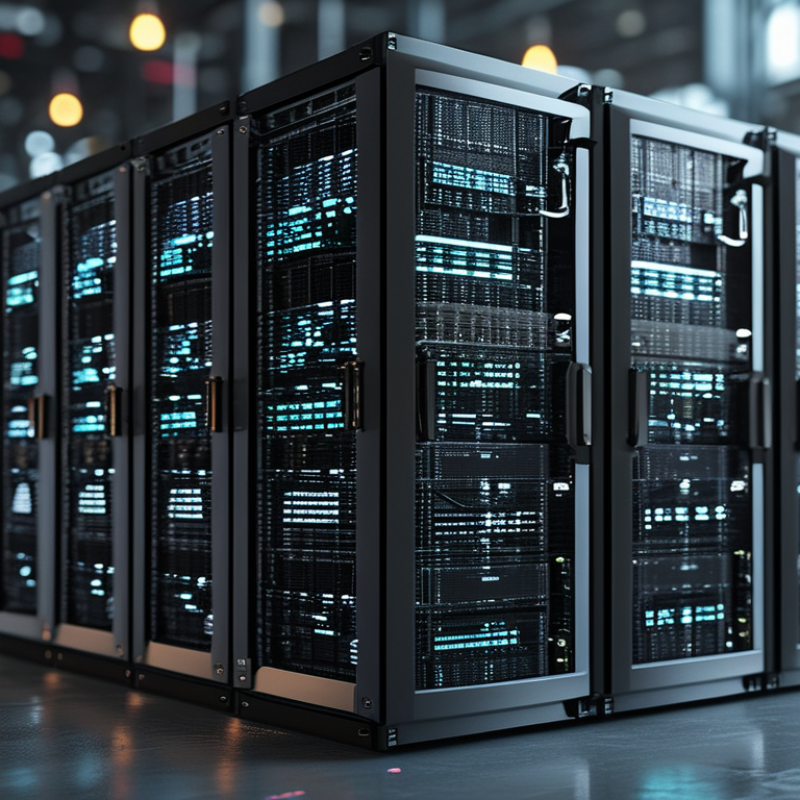
An AI server hardware manufacturer plays a crucial role in the tech landscape. These companies design and build hardware specifically optimized for artificial intelligence tasks. This entails powerful GPUs, efficient cooling systems, and robust storage solutions. What sets these manufacturers apart is their deep understanding of AI workloads. They know that machine learning models require different resources compared to traditional applications.
Tip: When evaluating an AI server manufacturer, consider their expertise in AI-specific hardware. A company with a background in deep learning solutions is often more reliable. They can better cater to your project's unique needs.
The design of AI hardware must also address scalability. Scalability ensures that as data grows, the hardware can expand accordingly. Manufacturers must also prioritize energy efficiency. High-performance AI tasks can consume significant power. Designing energy-efficient solutions benefits both the environment and operational costs.
Tip: Always look for performance benchmarks when choosing hardware. This helps ensure compatibility with your software and workload demands. Understanding these metrics can guide you in making informed decisions.
| Dimension | Detail |
|---|---|
| Processor Type | High-performance GPUs and TPUs |
| Memory Capacity | Up to 2TB for extreme workloads |
| Storage Options | NVMe SSDs and large-capacity HDDs |
| Networking | 10/25/100 Gbps Ethernet support |
| Cooling Solutions | Advanced liquid cooling and airflow design |
| Power Supply | Redundant power supplies for reliability |
| Form Factor | 1U, 2U, and blade server configurations |
| Target Applications | Machine learning, deep learning, and AI inference |
AI server hardware plays a crucial role in modern computing. These systems are designed specifically to handle artificial intelligence tasks. They feature powerful CPUs and GPUs that can process vast amounts of data efficiently. With the rise of machine learning and deep learning, the demand for specialized hardware has surged.
Many organizations rely on AI hardware to improve performance. This equipment accelerates tasks like data analysis and predictive modeling. However, not all AI servers are created equal. Some may lack the needed cooling solutions, leading to potential overheating. This can slow down or even damage the system. It’s essential to consider the architecture and cooling techniques used.
The effectiveness of AI server hardware impacts overall operations. Companies must invest wisely to ensure longevity and efficiency. Cost-cutting measures may lead to underperformance or inefficiencies. Striking a balance between cost and capability is vital. Understanding these nuances can guide better decisions in a rapidly evolving tech landscape.
AI-optimized server hardware is crucial for businesses leveraging artificial intelligence. These servers are designed to handle large-scale data processing and complex algorithms. They typically feature high-performance GPUs and TPUs, which accelerate machine learning tasks significantly. Reports indicate that market demand for AI server hardware is expected to grow at a CAGR of 30% through the next five years. This growth highlights the critical role that optimized hardware plays in AI applications.
Efficiency in power consumption is another key feature of AI-optimized servers. Traditional data centers consume enormous amounts of energy. By contrast, AI servers minimize energy use while maximizing processing capabilities. Specialized cooling systems and energy-efficient designs are often implemented to improve overall server performance. According to industry studies, businesses adopting these technologies see improved operational costs by up to 25%. However, it’s essential to assess the long-term viability of investments in such hardware, as rapid advancements can quickly render existing solutions outdated.
Moreover, scalability remains a significant concern. Companies need hardware that can grow alongside their AI initiatives. Server architectures should support easy upgrades without major overhauls. A flexible infrastructure allows for gradual investments in technology. Yet, enterprises must be cautious; investing too heavily in one specific technology can lead to dependency and limit future options. Balancing these factors is essential for sustainable AI growth.
The AI server hardware market is rapidly evolving. Major players in this domain are crucial to understanding how technology is advancing. These manufacturers specialize in creating systems that can handle massive data computations and high-performance tasks. Their innovations are vital for companies leveraging AI to enhance operations.
Leading companies focus on powerful processors and efficient cooling systems. This ensures that AI applications run smoothly, even under intense workloads. However, not all manufacturers deliver reliable performance consistently. Some face challenges in adapting to the fast-paced nature of AI advancements. The continuous need for better hardware can lead to supply chain issues.
Additionally, the competitive landscape pushes these manufacturers to innovate. They strive to improve energy efficiency while boosting processing power. While some succeed, others may lag behind, raising questions about their long-term viability. As organizations invest more in AI, choosing the right hardware partner becomes increasingly important. Understanding the strengths and weaknesses of these players will help businesses make informed decisions.
AI server hardware is revolutionizing industries by enhancing computational capabilities. This technology enables faster data processing, which is critical for sectors like healthcare, finance, and transportation. According to a report by IDC, spending on AI server hardware is expected to exceed $52 billion by 2025. Such investments reflect growing recognition of AI's potential impact.
The performance of AI server hardware directly influences innovation. Enhanced GPU capabilities allow for real-time data analysis, improving decision-making. Businesses can leverage these advancements to develop predictive analytics, thus driving efficiency. Nevertheless, high costs of cutting-edge hardware remain a barrier for many small enterprises. Research from Gartner indicates that over 70% of companies lack the infrastructure for effective AI implementation.
While the benefits are evident, challenges persist. There is a noticeable skills gap as well. As technological demands grow, many professionals struggle to keep pace. Effective training programs are crucial to maximize the potential of AI server hardware. The future may hinge not just on technology, but on the human ability to harness it.
I server hardware designed for?
Adequate cooling prevents overheating, which can slow performance or damage the system.
Effective AI hardware can significantly enhance data analysis and predictive modeling efficiency.
They often feature high-performance GPUs and TPUs for accelerated machine learning tasks.
AI servers minimize energy consumption, leading to improved operational costs of up to 25%.
Companies need to assess the long-term viability and avoid over-investing in specific technologies.
Businesses need systems that can expand with their AI initiatives without major infrastructure changes.
It can create dependency, limiting future options and flexibility in upgrading technologies.
The demand for AI server hardware is expected to grow at a CAGR of 30% in the coming years.
They must balance cost with performance to ensure long-term efficiency and effectiveness.
An AI server hardware manufacturer plays a crucial role in the evolution of modern computing by designing and producing specialized hardware optimized for artificial intelligence applications. These manufacturers focus on integrating advanced processing power, memory capacity, and enhanced cooling systems to support the demanding requirements of AI algorithms, enabling faster data processing and real-time decision-making.
The impact of AI server hardware is significant in driving innovations across various industries, from healthcare to finance, as it allows for improved machine learning capabilities and the development of intelligent systems. Key features that distinguish AI-optimized server hardware include support for high-performance GPUs, efficient energy consumption, and scalability to accommodate growing data workloads. As the market continues to expand, these manufacturers are pivotal in shaping the future of technology and its applications in everyday life.
